
 Source:
 Blaumeise (Hydrangea macrophylla ‘Blaumeise’) short overview
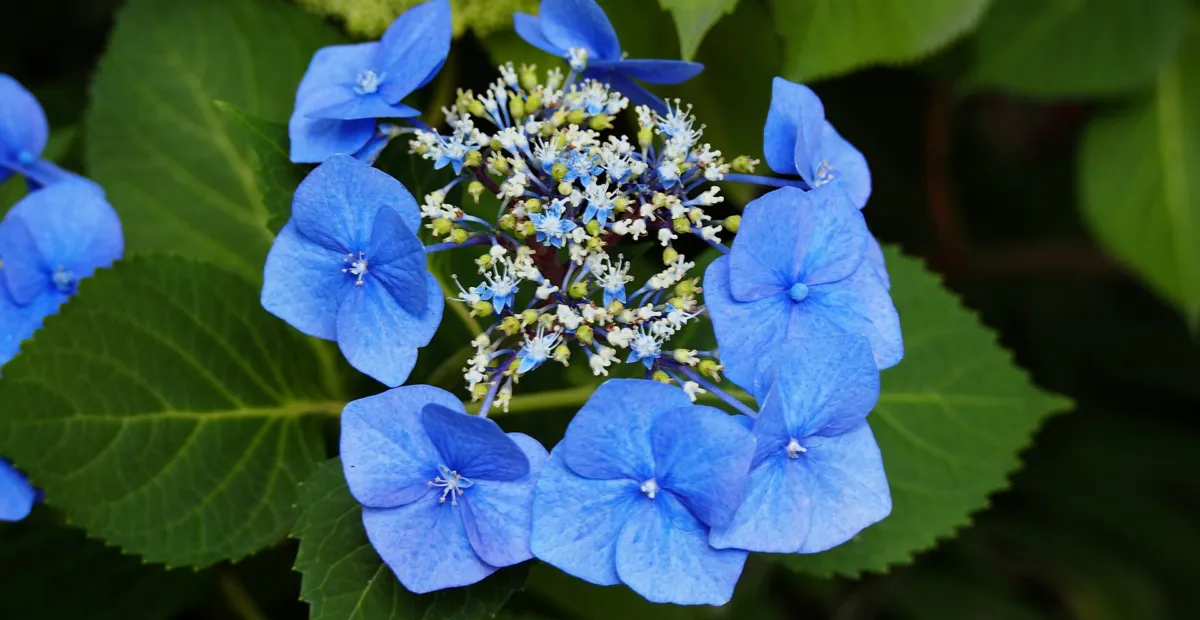
Hydrangea macrophylla 'Blaumeise' is a classic blue lacecap hydrangea from the Teller Series, valued for its broad, flat flower heads and vivid blue outer florets surrounding a fertile central disk. It forms a deciduous shrub for sheltered beds, woodland-style borders, and containers. Reliable color depends on soil chemistry, while even moisture, afternoon shade, and protection from hard winter cold help preserve both flowering and plant vigor.
Taxonomic classification
Blaumeise (Hydrangea macrophylla ‘Blaumeise’) care guide
Light and placement
Give bright morning sun and afternoon shade, or filtered light beneath open trees. In cool climates it can take more sun if soil remains moist; in hot regions, protect it from intense afternoon exposure and reflected heat. Excess light and drought cause wilt, scorched leaf margins, and faded foliage, while deep shade can produce weak stems and fewer flower heads.
Watering and humidity
Water deeply when the upper inch of soil begins to dry, aiming for consistent moisture rather than repeated shallow sprinkling. Increase frequency during hot weather, drought, and container culture; reduce only during cool dormant periods without allowing the root ball to dry completely. Mulch helps moderate moisture and temperature.
Soil and growing medium
Use fertile, humus-rich soil that holds steady moisture but drains freely. A loam amended with compost is suitable. Acidic soil favors blue coloration, although cultivar response varies with available aluminum, soil chemistry, and irrigation water. Avoid chronically dry, compacted, or waterlogged ground.
Feeding
Apply compost or a balanced slow-release shrub fertilizer in early spring as growth begins. Use the label rate; excessive nitrogen can produce soft leafy growth and fewer flowers. A second light feeding is sometimes useful in poor soil, but stop by late summer so new growth can harden before winter.
Growth and habit
This is a woody, deciduous shrub with a naturally bushy habit. Stems carry flower buds through winter, so maintenance should preserve older wood. Mulching helps stabilize root moisture and temperature, while shelter reduces stem breakage and winter bud loss.
Planting and repotting
Plant in spring or fall, setting the root ball level with the surrounding soil. Space plants about 3–5 feet apart, allowing room for mature branching. Water deeply after planting and keep the root zone evenly moist through the first growing season. Mulch with organic material, keeping mulch away from the stems.
Repot container plants in early spring before active growth, moving up only one pot size. Refresh part of the growing medium and preserve the root ball. Choose a container with drainage holes and use a moisture-retentive but open mix; container plants require more frequent watering and winter protection than plants in the ground.
Propagation and pruning
Propagation
Propagate from softwood or semi-ripe stem cuttings in late spring through summer. Use healthy nonflowering shoots, remove lower leaves, place in a sterile, evenly moist medium, and provide bright filtered light and high humidity until rooted. Cultivar identity is maintained by vegetative propagation rather than seed.
Pruning
Prune immediately after flowering if shaping is needed, removing spent heads and only the oldest or weak stems. Avoid hard pruning in fall, winter, or early spring because next season's flower buds are carried on older wood. Remove damaged stems after winter, cutting back to healthy wood.
Overwintering
In Zones 6 and colder or exposed sites, mulch the root zone with 3–4 inches of organic material after the ground cools. Protect plants from drying winter wind and avoid late pruning. Container plants are more vulnerable: move them to a sheltered unheated space or insulate the pot while keeping the medium slightly moist.
Uses
Use it as a specimen shrub, mixed-border plant, woodland-edge accent, foundation planting, or container plant. The flat flower heads are useful for arrangements, fresh or dried, when stems are cut at the appropriate stage. It is ornamental rather than edible, and no medicinal use is recommended.
Appearance
The plant has broad, opposite, ovate leaves with serrated margins and a fresh green surface. Its identifying feature is the flat lacecap head: a ring of large blue sterile florets frames a central disk of tiny fertile flowers. Stems become woody with age, and the shrub is leafless during winter.
Flowering
This cultivar bears flat lacecap inflorescences: a broad outer ring of showy sterile florets surrounds a central cluster of small fertile flowers. Blooms are typically blue in acidic conditions and may shift toward lilac, mauve, or pink in less acidic soil. Flowering occurs on older wood, so late-season pruning can remove next year's buds.
Pollination and visitors
The central fertile florets of this lacecap form are accessible to insect visitors. Bees, bumblebees, and hoverflies may visit the exposed fertile center, unlike heavily doubled or sterile flower forms. Attraction is moderate rather than exceptional and varies with competing blooms, weather, and local insect populations.
Hydrangea macrophylla 'Blaumeise' photos
Click any photo for a larger view. Source, author and license are shown separately.
Diseases and pests
Diseases
Watch for powdery mildew, leaf spot, bacterial wilt, and root problems in poorly drained soil. Reduce leaf wetness, improve air circulation, water at the base, remove diseased debris, and avoid unnecessary overhead irrigation. Remove badly affected foliage and correct persistent drainage or crowding problems.
Pests
Common problems include aphids, spider mites, scale, thrips, and slugs. Inspect new growth and leaf undersides, wash off light infestations, and encourage natural enemies. Reduce drought stress, avoid excessive nitrogen, and use targeted controls only when monitoring shows they are needed.
Related diseases and pests
Only Plant Doctor profiles whose host data indicate this plant may be affected are shown here.
 PestChilli thripsScirtothrips dorsalis Hood
 PestCyclamen mitePhytonemus pallidus
 DiseaseAster yellows‘Candidatus Phytoplasma asteris’
 PestStrawberry foliar nematodeAphelenchoides fragariae
 DiseaseGray MoldBotrytis cinerea
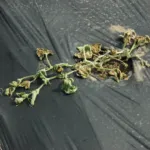 DiseaseBacterial WiltRalstonia solanacearum species complex
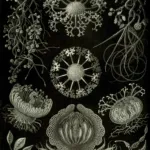 DiseaseMaple powdery mildewSawadaea bicornis
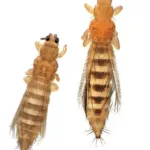 PestOnion thripsThrips tabaci Lindeman
Toxicity and pollen
Hydrangeas contain cyanogenic glycosides and can cause gastrointestinal upset if plant material is eaten. Serious cyanide poisoning is considered uncommon, but leaves, flowers, stems, and other tissues should not be consumed. Keep prunings away from children and pets and seek medical or veterinary advice after significant ingestion.
- Typical season
- Usually June–August in the United States
- Pollination / pollen
- Insect-associated pollen from exposed fertile florets
The conspicuous outer florets are sterile, while pollen is produced by the small fertile flowers in the center. Hydrangea pollen is generally released from exposed flowers and carried mainly by visiting insects rather than forming a major windborne pollen cloud. Sensitive people should still avoid direct contact if flowers cause irritation.
Native habitat
Hydrangea macrophylla is associated with moist, sheltered woodland margins and streamside or coastal environments in Japan and adjacent parts of East Asia. It prefers fertile, moisture-retentive soils, moderate summer temperatures, and protection from drying exposure. The cultivar is cultivated far beyond its native range.
Interesting fact
‘Blaumeise’ is a lacecap rather than a mophead, so its fertile flowers remain visible in the center of each head. Soil chemistry can alter the apparent color of the sterile florets. The cultivar is listed by the RHS in the Teller Series and has received an Award of Garden Merit.
Frequently asked questions (FAQ)
The most relevant questions about this plant, with short and direct answers.
🌱Quick care
What is Hydrangea macrophylla 'Blaumeise'?⌄
Hydrangea macrophylla 'Blaumeise' is a deciduous lacecap bigleaf hydrangea with broad, flat flower heads and glossy, coarsely toothed leaves. It is also sold under names such as 'Teller Blue' or 'Blue Sky Teller'.
How much sunlight does Hydrangea macrophylla 'Blaumeise' need?⌄
Give it morning sun and afternoon shade, especially in hot climates. It can tolerate more sun if the soil stays consistently moist, but intense afternoon heat may scorch the leaves and fade the blooms.
How often should I water Hydrangea macrophylla 'Blaumeise'?⌄
Water deeply whenever the soil surface begins to dry, keeping the root zone evenly moist but not waterlogged. During hot or dry weather, container plants may need water daily.
What soil is best for Hydrangea macrophylla 'Blaumeise'?⌄
Plant it in humus-rich, moisture-retentive, well-drained loam. Incorporating compost or leaf mold can improve moisture retention without creating stagnant, poorly drained soil.
🌤️Environment and placement
What USDA hardiness zones are suitable for Hydrangea macrophylla 'Blaumeise'?⌄
It is generally suited to USDA Zones 6–9 when planted in a protected location. Flowering can be less reliable in colder areas because winter may damage the old stems that carry next season’s buds.
Can Hydrangea macrophylla 'Blaumeise' grow in full sun?⌄
It can grow in full sun where summers are mild and the soil remains reliably moist. In warmer parts of the United States, afternoon shade is safer and usually produces better foliage.
Can Hydrangea macrophylla 'Blaumeise' grow in shade?⌄
Yes, it tolerates partial shade well, but dense shade may reduce flowering and produce weaker growth. Bright morning light or filtered light is usually the best compromise.
How large does Hydrangea macrophylla 'Blaumeise' get?⌄
A mature plant commonly reaches about 4–6 feet tall and wide, although size varies with climate, pruning, moisture, and winter damage. Allow enough room for its rounded, multi-stemmed habit.
💧Care and problems
Why is my Hydrangea macrophylla 'Blaumeise' wilting?⌄
Wilting usually results from dry soil, excessive heat, root damage, or waterlogged soil. Check moisture several inches below the surface and correct watering or drainage rather than watering on a fixed schedule.
Why are the leaves of Hydrangea macrophylla 'Blaumeise' turning brown?⌄
Brown leaves are commonly caused by drought, hot afternoon sun, wind, transplant stress, or inconsistent watering. Keep the soil evenly moist, mulch the root zone, and protect the plant from harsh afternoon exposure.
Does Hydrangea macrophylla 'Blaumeise' need fertilizer?⌄
It usually needs only modest feeding if planted in fertile soil. Apply a balanced, slow-release fertilizer in spring, and avoid excessive nitrogen because it can promote leafy growth at the expense of flowers.
What pests affect Hydrangea macrophylla 'Blaumeise'?⌄
Possible pests include aphids, hydrangea scale, capsid bugs, and vine weevils. Inspect new growth and leaf undersides regularly, and use the least disruptive control appropriate for the infestation.
What diseases can affect Hydrangea macrophylla 'Blaumeise'?⌄
It may develop leaf spot, powdery mildew, gray mold, or, less commonly, honey fungus. Improve air circulation, water the soil rather than the foliage, and remove badly affected plant material.
🪴Planting and repotting
When is the best time to plant Hydrangea macrophylla 'Blaumeise'?⌄
Plant it in spring or fall when temperatures are moderate and the soil is workable. Spring planting is preferable in colder Zones 6–7 locations so roots can establish before winter.
How should I plant Hydrangea macrophylla 'Blaumeise' in the ground?⌄
Set it at the same depth it grew in its nursery container, backfill with well-drained soil amended with organic matter, and water thoroughly. Apply a 2–3-inch layer of mulch while keeping mulch away from the stems.
Can Hydrangea macrophylla 'Blaumeise' be grown in a container?⌄
Yes, it grows well in a large container with drainage holes and moisture-retentive potting mix. Choose a pot at least 18–24 inches wide and monitor moisture closely because containers dry faster than garden soil.
How often should I repot Hydrangea macrophylla 'Blaumeise'?⌄
Repot it when roots circle the container, drainage slows, or the plant dries out unusually fast, usually every few years. Move it into a container only modestly larger to avoid waterlogged excess soil.
✂️Propagation and pruning
How do I propagate Hydrangea macrophylla 'Blaumeise' from cuttings?⌄
Take softwood cuttings in early summer or hardwood cuttings during winter dormancy. Use healthy, nonflowering stems in a sterile, evenly moist rooting medium, although cultivar identity is best preserved through cuttings rather than seed.
Can I grow Hydrangea macrophylla 'Blaumeise' from seed?⌄
You can grow hydrangeas from seed, but seedlings will not reliably reproduce the exact characteristics of 'Blaumeise'. Use cuttings if you want flowers and growth that match the parent plant.
Can I divide Hydrangea macrophylla 'Blaumeise'?⌄
Division is generally not the preferred propagation method because this shrub has a woody, multi-stemmed structure rather than easily separable herbaceous crowns. Layering or stem cuttings are usually more practical.
When should I prune Hydrangea macrophylla 'Blaumeise'?⌄
Prune immediately after flowering, or remove only dead and damaged wood in spring. This cultivar flowers primarily on old wood, so late winter or early spring pruning can remove the coming season’s flower buds.
How do I prune Hydrangea macrophylla 'Blaumeise' without losing flowers?⌄
After flowering, remove faded heads and cut overly long stems back to a healthy pair of buds. Avoid routine hard cutting because the next year’s flower buds may already be developing on those stems.
Should I deadhead Hydrangea macrophylla 'Blaumeise'?⌄
Deadheading is optional and mainly improves appearance. Remove spent flower heads after flowering, but leave them over winter if they provide useful protection for buds or add seasonal interest.
⚠️Toxicity and safety
Is Hydrangea macrophylla 'Blaumeise' poisonous to dogs or cats?⌄
It has low toxicity if eaten, but ingestion may cause gastrointestinal upset such as vomiting, diarrhea, or drooling. Prevent pets from chewing the plant and contact a veterinarian if significant amounts are consumed.
Is Hydrangea macrophylla 'Blaumeise' poisonous to people?⌄
It is considered low risk in small accidental amounts, but eating the leaves, flowers, or other plant parts may cause gastrointestinal discomfort. Keep prunings and plants away from young children.
🌸Flowering and special interest
When does Hydrangea macrophylla 'Blaumeise' bloom?⌄
It generally blooms in summer, often from early to late summer depending on climate and winter survival. Flowering may be reduced after a severe winter or untimely pruning.
Are the flowers of Hydrangea macrophylla 'Blaumeise' blue?⌄
The flowers can be deep blue, blue-purple, or lilac-blue in acidic soil with available aluminum. In alkaline soil, they may become pink, mauve, or softer purple instead.
How can I make Hydrangea macrophylla 'Blaumeise' flowers bluer?⌄
Maintain an acidic growing medium and test the soil before applying a hydrangea bluing product containing aluminum. Results vary with soil chemistry, and repeated treatments should follow the product label to avoid damaging the plant or surrounding soil.
Why did my blue Hydrangea macrophylla 'Blaumeise' turn pink?⌄
The color usually shifts when soil conditions limit aluminum availability, often in alkaline soil. Soil pH, existing soil chemistry, irrigation water, and the plant’s growing conditions all influence the final color.
Does Hydrangea macrophylla 'Blaumeise' rebloom on new wood?⌄
It is primarily an old-wood bloomer rather than a reliably remontant cultivar. Protecting overwintering stems is therefore important if you want the best flowering the following summer.
Why is my Hydrangea macrophylla 'Blaumeise' not flowering?⌄
The most common causes are winter damage to old flower buds, pruning at the wrong time, excessive shade, drought stress, or excessive nitrogen. Protect the stems in cold areas and prune only after flowering.
Can Hydrangea macrophylla 'Blaumeise' flowers be used as cut flowers?⌄
Yes, its lacecap flower heads can be cut for fresh arrangements and may also dry attractively. Harvest stems when the florets are mature and the heads feel firm rather than newly opened.
Similar plants
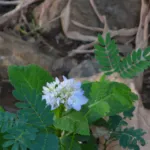 Altona (Hydrangea macrophylla ‘Altona’)Hydrangea macrophylla 'Altona'
 Smooth hydrangea or sevenbark (Hydrangea arborescens) care guideHydrangea arborescens
 Bigleaf Hydrangea (Hydrangea macrophylla) care guideHydrangea macrophylla
 Hydrangea ‘Aspera Villosa’Hydrangea 'Aspera Villosa'
 Annabelle Hydrangea (Hydrangea arborescens ‘Annabelle’)Hydrangea arborescens 'Annabelle'
 Hydrangea ‘Anomala Petiolaris’Hydrangea 'Anomala Petiolaris'