
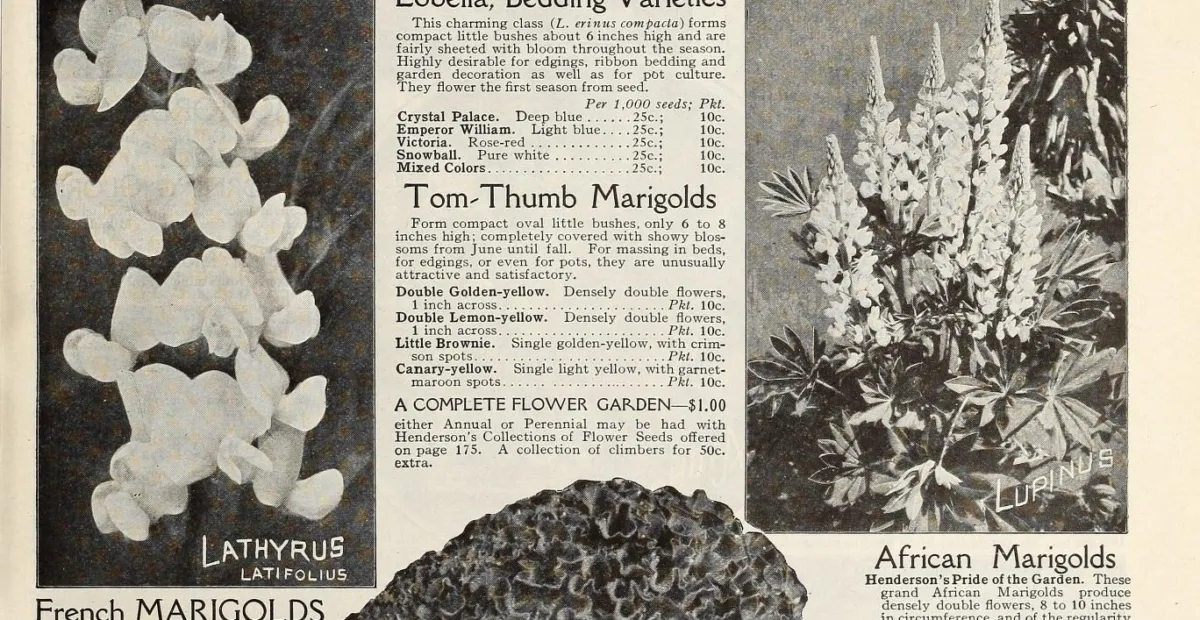
 Source:
 Lobelia ‘Compacta’ short overview
Lobelia 'Compacta' is a compact horticultural form of edging lobelia, generally associated with Lobelia erinus. It forms a neat, densely branched mound covered with small blue flowers, often marked with a pale or white center. In the United States it is grown mainly as a frost-tender annual for edging, window boxes, containers and mixed summer displays. Keep it evenly moist in sun or partial shade, with afternoon shade useful in hot climates.
Taxonomic classification
Lobelia ‘Compacta’ care guide
Light and placement
Grow in full sun to partial shade. Morning sun with afternoon shade is useful in hot US climates, while cooler regions can provide more direct sun. Insufficient light produces stretched, weak growth and fewer flowers; intense heat combined with strong afternoon sun can cause flowering to pause and foliage to wilt.
Watering and humidity
Water when the surface begins to dry, then soak the root zone thoroughly and allow excess water to drain. Do not let containers dry completely, because stems can wilt quickly. Increase checking during hot weather and reduce watering in cool periods, while never allowing the mix to remain saturated.
Soil and growing medium
Use a moisture-retentive but well-drained potting mix or garden soil enriched with modest organic matter. Avoid dense, waterlogged soil and avoid excessively rich fertility, which can encourage soft, leafy growth. A slightly acidic to neutral reaction is suitable; exact pH requirements for this cultivar are not documented.
Feeding
Feed lightly after planting with a balanced, water-soluble fertilizer at about half strength, repeating every 2–3 weeks while the plant is actively growing if foliage is pale or flowering is weak. Do not overfeed or apply strong fertilizer to dry roots. Stop feeding when growth slows in cool weather.
Growth and habit
This is a low, densely branched bedding form associated with Lobelia erinus compacta. It develops quickly in warm conditions and can lose vigor during prolonged heat, drought or waterlogging. A light cutback after a midsummer lull can restore a neater habit and encourage fresh flowering.
Planting and repotting
Plant outdoors after the last spring frost when nights are reliably mild. Set plants at the same depth as in their pots and space them about 4–6 inches apart for a dense edging. Water thoroughly after planting and keep the root zone evenly moist while plants establish.
Transplant nursery plants after frost danger has passed. In containers, move young plants with minimal root disturbance into fresh, well-drained mix. Repotting an established plant is seldom necessary because this cultivar is usually grown as a seasonal annual.
Propagation and pruning
Propagation
Sow very small seeds indoors 8–10 weeks before the intended outdoor planting date. Press seed onto the surface because light supports germination; do not bury deeply. Keep the medium evenly moist and provide bright light. Selected forms may also be maintained from stem cuttings, but cultivar uniformity and the exact propagation status of 'Compacta' are not consistently documented.
Pruning
If flowering declines or stems become untidy, shear the plant back lightly by about one-third to one-half. Remove spent or damaged growth and water afterward. Avoid repeated severe cutting when the plant is stressed by heat or drought.
Overwintering
Protect from frost. In most of the United States, grow it as a seasonal annual and replace plants in spring. In mild frost-free areas, a plant may persist temporarily, but reliable cultivar-specific overwintering performance is not established. Container plants can be moved to a bright, cool, frost-free location, though they may become less attractive indoors.
Uses
Used as a seasonal edging plant, low border filler, window-box subject and container companion. Its compact habit works well in formal bedding displays and mixed annual combinations. It is ornamental only; no culinary or medicinal use should be assumed.
Appearance
A compact, densely branched plant with fine green leaves and many small flowers held among the foliage. The main identifying horticultural feature is its neat, low, rounded habit rather than a distinctive leaf color or fragrance. Commercial material sold under the name may differ somewhat in flower shade and final spread.
Flowering
This compact group produces numerous small two-lipped, blue flowers, commonly with a pale or white throat. Bloom is typically heaviest from late spring into summer, with flowering reduced by heat or drought. Cutting plants back after a midsummer decline can encourage renewed branching and flowers.
Pollination and visitors
The small nectar-bearing flowers are accessible to small bees, bumblebees and some hoverflies. Visitor intensity is likely moderate and varies with flower abundance, surrounding habitat and weather. No specific pollinator species is sufficiently documented for this exact cultivar.
Lobelia 'Compacta' photos
Click any photo for a larger view. Source, author and license are shown separately.
Diseases and pests
Diseases
Overly wet conditions can lead to damping-off, stem rot and root rot. Use clean containers, avoid saturated soil, provide drainage and water at the soil surface. Remove severely affected plants rather than spreading contaminated mix.
Pests
Watch for aphids, slugs and snails, especially on soft new growth or in persistently damp settings. Improve air circulation, remove pests by hand or with a strong water spray, and use targeted controls only when damage is significant.
Related diseases and pests
Only Plant Doctor profiles whose host data indicate this plant may be affected are shown here.
 DiseasePseudomonas viridiflava bacterial blightPseudomonas viridiflava
 DiseaseImpatiens necrotic spot virus diseaseImpatiens necrotic spot orthotospovirus
 DiseaseCucumber mosaic virusCucumber mosaic virus
 DiseasePythium ultimum Damping-Off and Root RotPythium ultimum Trow
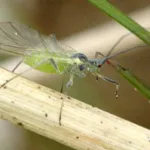 PestGreen Peach AphidMyzus persicae
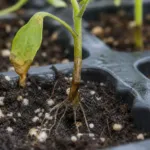 DiseasePythium damping-off and root rotPythium debaryanum R. Hesse; often treated taxonomically as Globisporangium debaryanum
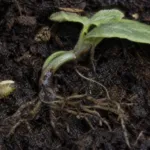 DiseasePythium damping-off, root rot and blightPythium aphanidermatum
Toxicity and pollen
No reliable cultivar-specific human or pet toxicity assessment was located for Lobelia 'Compacta'. Do not treat the plant as edible: Lobelia species contain biologically active compounds, and ingestion may cause illness. Keep plant material away from children and pets and seek professional advice after ingestion.
- Typical season
- During flowering, mainly late spring through summer
- Pollination / pollen
- Insect-dispersed pollen
As an insect-pollinated flowering annual, it is not generally considered a major airborne-pollen source. Individual sensitivity is still possible, and the available evidence does not justify claiming zero allergy risk. Avoid handling flowering plants if they trigger personal symptoms.
Native habitat
The underlying species Lobelia erinus is native to southern Africa, where it grows in seasonally favorable, relatively moist open sites. Garden forms perform best in fertile but draining soil with regular moisture and moderate temperatures rather than severe heat or winter cold.
Interesting fact
The name 'Compacta' is used horticulturally for a compact group rather than a clearly standardized modern botanical taxon. Historical garden catalogs described Lobelia Compacta as a dwarf, dark-blue, white-centered form. Compact forms are suited to edging, while trailing lobelias are better adapted to hanging baskets.
Frequently asked questions (FAQ)
The most relevant questions about this plant, with short and direct answers.
🌱Quick care
What is Lobelia 'Compacta'?⌄
Lobelia 'Compacta' is a compact, upright garden lobelia in the Compacta group, generally treated as a warm-season annual in the United States. It forms a low, rounded plant suited to edging, containers, window boxes, and flower beds.
How much sun does Lobelia 'Compacta' need?⌄
Lobelia 'Compacta' grows best in full sun to partial shade. Provide more shade during hot afternoons or in warm climates, while cooler regions usually support fuller flowering with several hours of direct sun.
How often should I water Lobelia 'Compacta'?⌄
Water Lobelia 'Compacta' whenever the soil surface begins to dry, keeping the root zone evenly moist. Do not let the plant dry out completely, but avoid standing water that can encourage root problems.
Is Lobelia 'Compacta' annual or perennial?⌄
Lobelia 'Compacta' is usually grown as a tender annual in the United States. It may survive winter only in frost-free or very mild climates, so plants generally need replacing after a hard freeze.
How large does Lobelia 'Compacta' get?⌄
Lobelia 'Compacta' typically forms a compact plant about 4 to 6 inches tall, although individual strains may vary. Its rounded, branching habit makes it useful along borders and in small containers.
🌤️Environment and placement
Where should I plant Lobelia 'Compacta'?⌄
Plant Lobelia 'Compacta' in a sunny to partly shaded location with consistently moist, well-drained soil. It works especially well in front-of-border plantings, containers, window boxes, and other places where its low habit can be seen.
Can Lobelia 'Compacta' grow in containers?⌄
Yes, Lobelia 'Compacta' grows well in containers filled with quality, moisture-retentive potting mix. Choose a pot with drainage holes and monitor it closely because containers dry out faster than garden soil.
Can Lobelia 'Compacta' grow in shade?⌄
Lobelia 'Compacta' tolerates partial shade but may flower less heavily with too little light. In hot climates, morning sun with afternoon shade can help maintain moisture and reduce heat stress.
What soil is best for Lobelia 'Compacta'?⌄
Use moist, moisture-retentive, well-drained loam or a quality potting mix for Lobelia 'Compacta'. The soil should hold regular moisture without becoming waterlogged around the roots.
Is Lobelia 'Compacta' suitable for hot, humid summers?⌄
Lobelia 'Compacta' can struggle when summers are persistently hot or humid, especially if the soil dries out. Afternoon shade, steady moisture, good air circulation, and trimming after a bloom decline can improve its performance.
💧Care and problems
Why is my Lobelia 'Compacta' wilting?⌄
Lobelia 'Compacta' commonly wilts because its root ball has become too dry, particularly in containers or hot weather. Water thoroughly and adjust the schedule so the soil stays evenly moist without remaining saturated.
Why is my Lobelia 'Compacta' not flowering?⌄
Poor flowering in Lobelia 'Compacta' is often caused by insufficient light, heat stress, drought, or excessive fertilizer that promotes foliage instead of flowers. Move it to brighter conditions when appropriate and keep moisture consistent.
Should I fertilize Lobelia 'Compacta'?⌄
Feed Lobelia 'Compacta' lightly during active growth if it is growing in a container or poor soil. Use a balanced or flowering-plant fertilizer according to the label, because excessive feeding can produce weak, leafy growth.
What problems commonly affect Lobelia 'Compacta'?⌄
The main problems for Lobelia 'Compacta' are drought stress, root or stem rot in persistently wet soil, and poor flowering during intense summer heat. Good drainage combined with consistent moisture is the most important preventive care.
Can I cut back Lobelia 'Compacta' after flowering?⌄
Yes, lightly cutting back Lobelia 'Compacta' after the first flush fades can encourage fresh growth and additional flowers. Remove tired or declining stems rather than making a severe cut when the plant is heat-stressed.
🪴Planting and repotting
When should I plant Lobelia 'Compacta' outdoors?⌄
Plant Lobelia 'Compacta' outdoors after the danger of frost has passed and nighttime temperatures are reliably mild. Harden indoor-grown plants for about a week before transplanting them into the garden or containers.
How far apart should I plant Lobelia 'Compacta'?⌄
Space Lobelia 'Compacta' about 6 inches apart for a continuous edging or fuller display. Slightly wider spacing improves air circulation, while closer spacing can be used when establishing a quick border.
Can I grow Lobelia 'Compacta' from seed?⌄
Yes, Lobelia 'Compacta' can be started from seed indoors about 10 to 12 weeks before the local last frost date. The seeds need light to germinate, so press them onto moist seed-starting mix without covering them.
✂️Propagation and pruning
How long does Lobelia 'Compacta' take to germinate?⌄
Lobelia 'Compacta' seed commonly germinates in about 5 to 15 days under warm, bright conditions. Keep the sowing medium consistently moist and avoid burying the very small seeds.
Can Lobelia 'Compacta' be propagated from cuttings?⌄
Lobelia 'Compacta' can be propagated from soft stem cuttings, although seed or purchased plants are more commonly used. Cut healthy nonflowering shoots, place them in a moist, well-drained rooting medium, and keep them humid until roots form.
⚠️Toxicity and safety
Is Lobelia 'Compacta' toxic to people or pets?⌄
The toxicity of Lobelia 'Compacta' has not been verified here, and lobelias may contain biologically active compounds. Treat the plant as not recommended for ingestion, keep it away from children and pets, and contact a poison-control professional if it is eaten.
🌸Flowering and special interest
When does Lobelia 'Compacta' bloom?⌄
Lobelia 'Compacta' generally blooms from late spring or early summer into late summer, with timing varying by climate and sowing date. Flowering often declines during extreme heat but may resume after trimming and cooler weather.
What color are Lobelia 'Compacta' flowers?⌄
Lobelia 'Compacta' is commonly associated with blue flowers, often with a contrasting pale or white center, but Compacta selections can also occur in white, pink, lilac, and other colors. The exact color depends on the strain or seed packet.
Similar plants
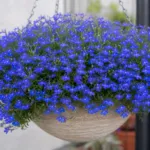 Lobelia ‘Techno Blue’Lobelia 'Techno Blue'
 Pfitzer’s juniper (Juniperus pfitzeriana) care guideJuniperus pfitzeriana
 Canary Island Lavender (Lavandula canariensis) care guideLavandula canariensis
 Fernleaf lavender and jagged lavender) is a species of flowering plant in the mint family (Lavandula pinnata) care guideLavandula pinnata
 Juniperus × media ‘Gold Star’Juniperus × media 'Gold Star'
 Lavende (Lavandula angustifolia) care guideLavandula angustifolia