
 Source:
Crystal Palace (Lobelia erinus ‘Crystal Palace’) short overview
Lobelia erinus 'Crystal Palace' is a compact bedding lobelia valued for its bronze-green foliage and vivid deep blue flowers. In the United States it is usually grown as a warm-season annual, especially in containers, borders, window boxes, and rock gardens. Give it evenly moist, well-drained soil and sun to partial shade; afternoon shade helps extend flowering where summers are hot. A compact annual bedding lobelia with bronze-green foliage and deep blue flowers. Grow it in evenly moist, well-drained soil in full sun to partial shade, with afternoon protection in hot climates.
Taxonomic classification
Crystal Palace (Lobelia erinus ‘Crystal Palace’) care guide
Light and placement
Grow in full sun to partial shade. Morning sun with afternoon shade is useful in hot-summer areas, while cooler climates can support full sun. Too little light produces thin, weak growth and fewer flowers; intense heat and reflected afternoon sun can cause flowering to pause and foliage to wilt.
Watering and humidity
Water deeply enough to moisten the root ball, then water again when the surface begins to dry; do not allow containers to dry completely. Increase frequency during hot, windy weather and reduce it during cool, wet periods. Good drainage is essential because constantly saturated roots encourage rot.
Soil and growing medium
Use fertile, moisture-retentive but well-drained soil or a high-quality container mix. Loam and sandy loam are suitable. The species tolerates a broad pH range, from acidic through alkaline, provided drainage is reliable and the root zone does not dry out.
Feeding
Feed during active growth with a balanced liquid fertilizer at label strength, particularly in containers where nutrients leach quickly. Avoid heavy nitrogen feeding, which can produce soft foliage at the expense of flowers. Stop feeding when growth slows in cool weather or when plants are being discarded at season’s end.
Growth and habit
This cultivar forms a compact, bushy mound with fine branching stems and a dense seasonal display. It performs best when roots remain evenly moist and plants are protected from prolonged heat. Cutting back after a flowering flush can restore a neater habit and encourage fresh shoots.
Planting and repotting
Set plants outdoors after the danger of hard frost has passed and nighttime temperatures are reliably mild. Plant at the same depth as the nursery plug, spacing about 6–12 inches apart. Water consistently during establishment, especially in containers and exposed sites.
Transplant young plants into containers one size larger when roots fill the plug or pot. Handle the root ball gently, keep the crown at its original depth, and water thoroughly after planting. Repotting is generally unnecessary for a seasonal display.
Propagation and pruning
Propagation
Sow seed indoors in late winter at about 55–65°F. Do not bury the very small seed deeply; press it onto a moist, sterile medium and provide light for germination. Keep seedlings evenly moist and transplant after they are established. Seed-grown plants commonly flower within several months.
Pruning
Cut back or shear lightly after a major flowering flush, especially when plants become sparse or stop blooming in summer. Remove damaged growth and spent material as needed. Avoid severe cutting during heat or drought stress until the plant has been watered and conditions moderate.
Overwintering
Usually treated as a seasonal annual in the United States. In frost-free climates it may persist longer, but hard frost damages or kills it. Container plants can be protected only in a bright, cool, frost-free location; overwintering is not usually worthwhile compared with replacing the plant.
Uses
Used primarily as a seasonal ornamental for edging, borders, rock gardens, window boxes, hanging-style mixed containers, and patio pots. Its compact form works well at the front of plantings. It has no established culinary use, and plant material should not be consumed.
Appearance
The plant has fine, branching green stems densely clothed with small leaves that appear bronze-green, especially in strong light. Its compact upright form carries numerous small deep blue flowers close to the foliage, creating a low, colorful edging effect.
Flowering
Small deep blue flowers are produced freely above the foliage from late spring through summer and may continue into early fall where temperatures remain moderate. Flowering often slows or pauses during hot weather, then resumes when conditions cool. Shearing after a flush can encourage renewed bloom.
Pollination and visitors
Reliable cultivar-specific documentation of animal visitors was not located. The small, colorful flowers may be visited by insects, but a stronger attraction rating or specific visitor group would be speculative.
Lobelia erinus 'Crystal Palace' photos
Click any photo for a larger view. Source, author and license are shown separately.
Diseases and pests
Diseases
Damping-off, stem rot, and root rot are most likely in saturated or poorly ventilated conditions. Use clean containers, sterile propagation media, good drainage, and careful watering. Remove affected plants promptly rather than keeping the crown constantly wet.
Pests
Slugs may damage foliage, especially in cool, damp beds. Reduce hiding places, avoid excessive surface moisture, and inspect plants regularly. Healthy plants generally have few serious insect problems.
Related diseases and pests
Only Plant Doctor profiles whose host data indicate this plant may be affected are shown here.
 DiseasePseudomonas viridiflava bacterial blightPseudomonas viridiflava
 DiseaseImpatiens necrotic spot virus diseaseImpatiens necrotic spot orthotospovirus
 DiseaseCucumber mosaic virusCucumber mosaic virus
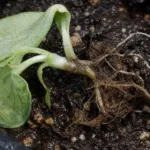 DiseasePythium ultimum Damping-Off and Root RotPythium ultimum Trow
 DiseasePythium damping-off and root rotPythium debaryanum R. Hesse; often treated taxonomically as Globisporangium debaryanum
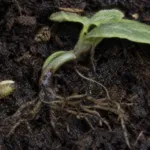 DiseasePythium damping-off, root rot and blightPythium aphanidermatum
 DiseasePhytophthora root and crown rotPhytophthora nicotianae
Toxicity and pollen
No authoritative source located that independently evaluates toxicity of Lobelia erinus 'Crystal Palace' specifically. Because toxicity can vary among Lobelia species and cultivars, do not ingest the plant and keep substantial quantities away from children and pets. Seek professional advice after suspected ingestion.
- Typical season
- May–October in typical U.S. outdoor cultivation; regional and weather dependent
- Pollination / pollen
- Insect-associated pollen; airborne relevance not established
Lobelia erinus is an insect-pollinated flowering annual, but a cultivar-specific airborne-pollen assessment was not located. Its small flowers are not documented here as a significant U.S. airborne-allergen source. Sensitive gardeners should still avoid assuming zero risk and should monitor personal reactions.
Native habitat
The species is native to southern Africa, where it occurs in seasonally moist, open habitats rather than permanently waterlogged ground. In cultivation it prefers fertile soils that hold moisture while draining freely, with cooler conditions supporting the longest flowering period.
Interesting fact
The cultivar is distinguished by the combination of dark bronze-green foliage and deep blue flowers.
It is a compact upright type rather than a strongly trailing lobelia.
Flowering commonly weakens during hot weather and returns in cooler conditions.
The tiny seeds are sown on the soil surface because they need light to germinate.
Frequently asked questions (FAQ)
The most relevant questions about this plant, with short and direct answers.
🌱Quick care
How do you care for Lobelia erinus 'Crystal Palace'?⌄
Grow Lobelia erinus 'Crystal Palace' in sun to partial shade, fertile well-drained soil, and consistently even moisture. Protect it from drought, heat stress, and frost.
Is Lobelia erinus 'Crystal Palace' an annual or perennial?⌄
In most of the United States, Lobelia erinus 'Crystal Palace' is grown as a frost-tender annual. It may persist longer in mild, frost-free climates, but it is not reliably winter-hardy.
How big does Lobelia erinus 'Crystal Palace' get?⌄
This compact lobelia usually reaches about 4–6 inches tall and spreads roughly 6–8 inches wide. Its dense, mounded habit suits edging, containers, window boxes, and small beds.
What color flowers does Lobelia erinus 'Crystal Palace' have?⌄
It produces abundant deep blue to violet-blue flowers, often contrasted by bronze-tinged foliage. Flower color and intensity can vary slightly with light and growing conditions.
🌤️Environment and placement
Does Lobelia erinus 'Crystal Palace' need full sun or shade?⌄
It grows in full sun to partial shade, but partial shade is often helpful in hot U.S. climates. Provide brighter light in cool weather and afternoon protection where summers are hot.
Can Lobelia erinus 'Crystal Palace' grow in containers?⌄
Yes, it performs well in containers, window boxes, hanging baskets, and edging pots. Use a fertile, moisture-retentive but well-drained potting mix and check containers frequently because they dry out quickly.
What soil is best for Lobelia erinus 'Crystal Palace'?⌄
Use fertile, moist but well-drained loam or sandy loam. The soil should hold steady moisture without becoming waterlogged, especially around the roots.
Can Lobelia erinus 'Crystal Palace' tolerate heat?⌄
It prefers cool growing conditions and may decline during hot, humid weather. Provide partial afternoon shade, consistent watering, and good air circulation during summer heat.
Can Lobelia erinus 'Crystal Palace' tolerate frost?⌄
No, it is frost tender. Plant it outdoors after the danger of frost has passed, and expect flowering to end when hard frost damages the plant.
💧Care and problems
How often should you water Lobelia erinus 'Crystal Palace'?⌄
Water whenever the soil surface begins to dry, keeping the root zone evenly moist. Do not allow the plant to wilt repeatedly, but avoid constantly saturated soil.
Why is my Lobelia erinus 'Crystal Palace' wilting?⌄
Wilting is usually caused by dry soil, excessive heat, or root problems from waterlogged soil. Check moisture at the roots, water deeply when needed, and improve drainage if the soil stays wet.
Why is Lobelia erinus 'Crystal Palace' not flowering?⌄
Poor flowering can result from insufficient light, drought, heat stress, or excessive nitrogen. Move it toward brighter light when practical, keep it evenly moist, and use a balanced fertilizer sparingly.
Should you fertilize Lobelia erinus 'Crystal Palace'?⌄
Yes, light feeding during the growing season can support flowering. Apply a balanced fertilizer according to the label, avoiding heavy nitrogen applications that may produce foliage at the expense of flowers.
What pests affect Lobelia erinus 'Crystal Palace'?⌄
Slugs and snails may damage young or low-growing plants, especially in damp gardens. Good air circulation, clean growing areas, and appropriate slug-management methods can reduce problems.
What diseases affect Lobelia erinus 'Crystal Palace'?⌄
Damping-off, stem rot, and root rot can occur when conditions are excessively wet. Use clean containers, avoid overwatering, and grow the plant in well-drained soil.
🪴Planting and repotting
When should you plant Lobelia erinus 'Crystal Palace' outdoors?⌄
Plant it outdoors after your area's average last frost date and after seedlings have been acclimated. In much of the United States, this means late spring, with timing adjusted for local USDA-style climate conditions.
How far apart should Lobelia erinus 'Crystal Palace' be planted?⌄
Space plants about 4–6 inches apart for a dense display, or allow up to 8 inches for better air circulation. Small groups of seedlings can be transplanted together for a fuller effect.
Can Lobelia erinus 'Crystal Palace' be grown indoors?⌄
It can be started indoors, but it needs strong light, cool conditions, and careful watering. Grow it indoors mainly as a seed-starting phase or for a bright, cool window rather than as a permanent houseplant.
✂️Propagation and pruning
How do you grow Lobelia erinus 'Crystal Palace' from seed?⌄
Sow the tiny seeds on the surface of moist seed-starting mix and press them lightly without covering them, because light aids germination. Keep them evenly moist at about 65–75°F, with germination commonly taking 10–21 days.
When should you start Lobelia erinus 'Crystal Palace' seeds indoors?⌄
Start seeds indoors about 8–10 weeks before your average last frost date. Transplant seedlings outdoors only after they have been hardened off and frost danger has passed.
Does Lobelia erinus 'Crystal Palace' need light to germinate?⌄
Yes, the seeds should remain on the surface or receive only a very light dusting of mix. Keep the surface moist and provide bright indirect light during germination.
Should you prune Lobelia erinus 'Crystal Palace'?⌄
Yes, trimming the plant back by about one-half after flowering declines or in midsummer can encourage fresh growth and renewed blooming. Remove weak or damaged stems as needed.
Can Lobelia erinus 'Crystal Palace' reseed itself?⌄
It may produce self-sown seedlings in favorable conditions, although reseeding is not dependable everywhere. Allow some flowers to mature if you want to test whether it will return in your garden.
⚠️Toxicity and safety
Is Lobelia erinus 'Crystal Palace' toxic to people or pets?⌄
Toxicity has not been well established for this exact cultivar, so treat it as unsafe to ingest. Keep the plant and seeds away from children and pets, and contact a poison-control or veterinary service if ingestion occurs.
🌸Flowering and special interest
When does Lobelia erinus 'Crystal Palace' bloom?⌄
It generally blooms from spring into summer and may continue toward fall in cool conditions. Flowering often slows during hot weather and resumes after temperatures moderate.
How do you keep Lobelia erinus 'Crystal Palace' blooming?⌄
Keep the soil evenly moist, provide suitable light, and trim the plant lightly when flowering fades. A modest, balanced feeding can also help maintain bloom, but avoid excessive nitrogen.
Why does Lobelia erinus 'Crystal Palace' stop flowering in summer?⌄
High heat, drought, and intense afternoon sun commonly cause a midsummer flowering pause. Move container plants to partial shade, maintain steady moisture, and cut the plant back lightly to encourage recovery.
Similar plants
 Cardinal plant (Lobelia cardinalis) care guideLobelia cardinalis
 Edging lobelia (Lobelia erinus) care guideLobelia erinus
 Lobelia ‘Compacta’Lobelia 'Compacta'
 Lobelia ‘Cascade Blue’Lobelia 'Cascade Blue'
 Blue Lobelia (Lobelia siphilitica) care guideLobelia siphilitica
 Lobelia ‘Techno Blue’Lobelia 'Techno Blue'