
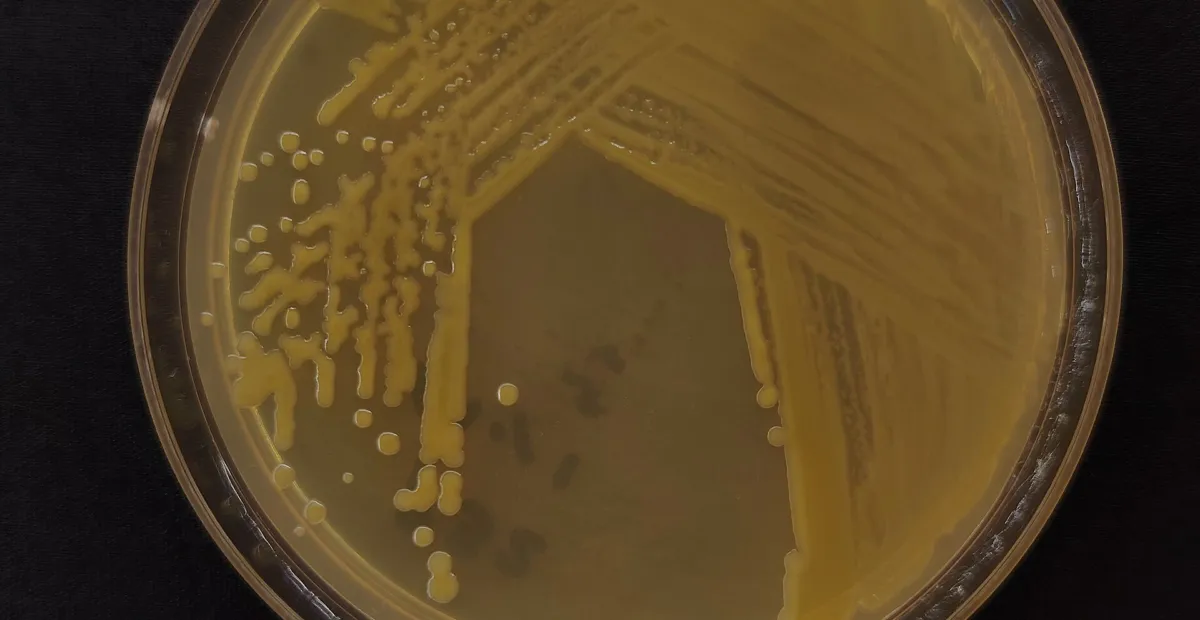
Pseudomonas viridiflava bacterial blight
Pseudomonas viridiflavaPseudomonas viridiflava bacterial blight overview
Pseudomonas viridiflava is a bacterial plant pathogen with a broad and variable host range. Depending on the crop and strain, it may cause water-soaked leaf spots, blight, stem or pith discoloration, blossom death, and soft rot. Symptoms can resemble other bacterial diseases, so practical diagnosis relies on symptom pattern, crop history, and—when important—laboratory confirmation.
Typical conditions
Overview
Pseudomonas viridiflava causes a range of bacterial diseases rather than one uniform syndrome. Reported manifestations include leaf spots and streaks, foliar blight, blossom blight, stem or pith necrosis, and soft rots of fleshy tissues or bulbs.
On susceptible plants, early lesions are often water-soaked and may develop yellow or chlorotic margins. As tissue dies, lesions become tan, brown, black, or papery and can merge. Because similar symptoms are produced by other Pseudomonas, Xanthomonas, fungi, and environmental injury, visual diagnosis alone is not definitive.
Symptoms and identification
- Small water-soaked spots that enlarge into irregular tan, brown, or black lesions, often with chlorotic halos.
- Leaf-margin blight, streaking, tissue collapse, and coalescing lesions that produce a scorched or papery appearance.
- Blossom or bud browning, necrosis, failure to open, and premature abscission in susceptible crops such as kiwifruit.
- Stem or pith discoloration, lower-leaf yellowing, wilting, or dieback after infection through wounds.
- Soft, watery or macerated rot in bulbs and other fleshy plant tissues; onion rot may show a blue-green cast.
Symptoms are favored by wet foliage and may be confused with bacterial spot, bacterial speck, fungal leaf spot, frost injury, or chemical injury.
Causes and spread
The pathogen is commonly moved by splashing rain or irrigation, contaminated hands and tools, infected propagation material, crop debris, weeds, insects, and equipment moving through wet foliage. Wounds caused by pruning, hail, frost, insects, transplanting, or abrasion greatly increase infection risk.
Dense plantings, persistent humidity, poor ventilation, excessive nitrogen that promotes tender growth, and repeated overhead irrigation can increase disease pressure. Presence of the bacterium does not always mean disease: host susceptibility and weather determine whether visible symptoms develop.
Life cycle and persistence
The bacterium can survive and multiply on plant surfaces without immediately causing symptoms and may persist in crop residue, soil-associated material, weeds, water, and other plant debris. It enters through natural openings such as stomata and hydathodes or through wounds.
Rain splash, irrigation water, handling, tools, equipment, insects, and movement through wet crops can disseminate cells. Disease development is strongly influenced by host susceptibility, bacterial strain, temperature, and the duration of surface wetness. Some strains produce pectate-degrading enzymes that contribute to tissue maceration and soft rot.
Treatment and control
There is no dependable rescue treatment for badly blighted plants. In home gardens and nurseries, remove the most severely affected plants and symptomatic tissues when conditions are dry, bag them, and discard them according to local waste rules. Avoid carrying infected material through healthy plantings.
For crops that remain economically valuable, have representative samples tested before committing to a spray program. Correct irrigation, airflow, sanitation, weed control, and wound management first. Where a crop-specific label permits a bactericide, applications are generally most useful preventively or at the earliest stage of disease; resistance, phytotoxicity, residue, and label restrictions must be considered.
Low-impact and biological control
No reliably curative organic treatment is available once systemic or extensive bacterial infection is established. In small plantings, remove and bag heavily affected plants or leaves, taking care not to shake wet foliage. Disinfect cutting tools between plants and discard, rather than compost, diseased material unless a professionally managed hot-composting system is used.
- Use certified or reputable disease-free seed, transplants, cuttings, and plugs.
- Prefer drip or soaker irrigation and water early enough for foliage to dry.
- Improve spacing and airflow, control weeds that may harbor the bacterium, and avoid working plants while wet.
- Biological products containing approved antagonistic microorganisms may be used only when labeled for the specific crop and disease; evidence and performance are crop- and strain-dependent.
- For edible crops, harvest carefully, avoid bruising, and cool and store sound produce promptly.
Prevention
- Start with tested, clean seed and healthy nursery stock; quarantine and inspect incoming plants.
- Remove volunteer plants and weeds that can maintain bacterial populations, especially around vegetable beds and irrigation strips.
- Use drip irrigation where practical, avoid evening overhead watering, and allow foliage to dry quickly.
- Do not prune, harvest, transplant, or handle plants while leaves are wet.
- Sanitize tools, benches, pots, trays, stakes, and greenhouse surfaces after removing plant debris.
- Prevent injury from frost, hail, insects, rough cultivation, and unnecessary pruning.
- Rotate susceptible annual crops and promptly remove crop residue after harvest.
- For bulbs and produce, harvest at suitable maturity, cure under dry conditions, and prevent cuts and bruises during handling.
Interesting facts
- P. viridiflava has been reported from at least 50 plant hosts and can produce different symptoms on leaves, stems, flowers, bulbs, fruits, and other tissues.
- The species is genetically diverse; isolates from different hosts do not necessarily behave identically in the field.
- It may exist as a symptomless plant-surface colonist, which helps explain why clean-looking plant material can still contribute to spread.
- Some strains are ice-nucleation active, potentially increasing frost injury and creating infection courts, although this trait is not universal.
Use only bactericides or other plant-protection products legally authorized and specifically labeled for the crop and bacterial disease in your state and country. Follow the current label exactly, including application rate, timing, personal protective equipment, preharvest interval, and reentry interval. Copper products may reduce bacterial disease in some crop systems but are preventive, can injure foliage, and should not be treated as a guaranteed cure. Do not use antibiotics or off-label products in home gardens or commercial crops.
Affected plants
The plants below are linked to this problem by structured host-plant data. The list updates automatically as new plant profiles are added.
 Hardy Kiwi (Actinidia arguta) care guideActinidia arguta
 Kiwifruit (Actinidia chinensis deliciosa) care guideActinidia chinensis deliciosa
 Onion (Allium cepa) care guideAllium cepa
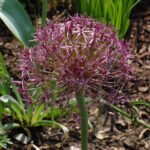 Allium christophii care guideAllium christophii
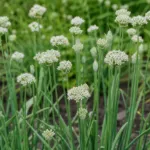 Bunching onion (Allium fistulosum) care guideAllium fistulosum
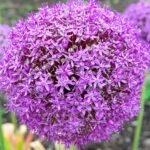 Giant Allium (Allium giganteum) care guideAllium giganteum
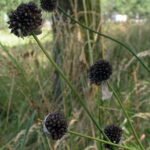 Ornamental onion (Allium) care guideAllium
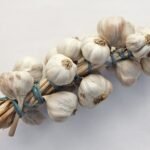 Garlic (Allium sativum) care guideAllium sativum
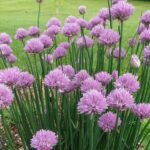 Chives (Allium schoenoprasum) care guideAllium schoenoprasum
 Ransoms (Allium ursinum) care guideAllium ursinum
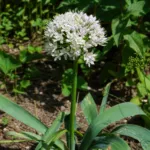 Wild leek or broadleaf wild leek (Allium ampeloprasum) care guideAllium ampeloprasum
 Shallot (Allium cepa Aggregatum Group)Allium cepa Aggregatum Group