
 Source:
 Giant Allium (Allium giganteum) short overview
Giant Allium (Allium giganteum) is a bulbous perennial grown for its tall, leafless flower stems and dense spheres of purple, star-shaped florets. Native to Central Asia, it performs best in full sun and sharply drained soil, flowering in late spring or early summer in much of the United States. The foliage fades as the flower stems emerge, while the long-lasting heads work well in borders, cut-flower gardens, and pollinator plantings.
Taxonomic classification
Giant Allium (Allium giganteum) care guide
Light and placement
Give full sun, ideally at least 6 hours of direct light, with the plant placed in an open border or south- to west-facing site. Strong light supports sturdy scapes and flowering. Too little light can produce weaker stems and fewer flowers; excessive reflected heat is usually tolerated if the soil drains and the plant receives normal seasonal moisture.
Watering and humidity
Water after fall planting and during active spring growth whenever the upper soil begins to dry. Keep moisture moderate while leaves and stems are developing, but allow the bed to become substantially drier after flowering as the bulb enters dormancy. Avoid frequent shallow watering and never leave bulbs in standing water.
Soil and growing medium
Use average, moderately fertile soil that drains freely, especially during summer dormancy and winter. Sandy or loamy ground is ideal, but amended clay can work if drainage is improved. A slightly acidic to slightly alkaline reaction is tolerated; avoid sites that stay saturated around the bulbs.
Feeding
Mix compost into poor soil before planting, but avoid rich, nitrogen-heavy feeding that encourages foliage at the expense of sturdy flowering. In established beds, a light balanced bulb fertilizer or compost top-dressing can be applied in fall or very early spring. Do not fertilize drought-stressed, rotting, or dormant bulbs.
Growth and habit
This bulb forms a seasonal basal clump, then sends up upright, mostly unbranched scapes before or during flowering. The foliage naturally declines soon after bloom, so pair it with plants that expand later in the season. Tall stems may need support in exposed locations or during heavy wind and rain.
Planting and repotting
Plant bulbs in fall, after summer heat has eased and before the ground freezes. Set them about 5–8 inches deep, generally two to three times the bulb’s height, with 9–12 inches between bulbs. Water after planting to settle the soil, then maintain moderate moisture while roots establish.
Container-grown bulbs can be moved or divided during dormancy, usually in late summer or fall. Use a deep container with drainage holes and a gritty, free-draining mix. Repot only when bulbs are crowded or the medium has broken down; avoid disturbing roots during active growth.
Propagation and pruning
Propagation
Propagate by seed or by separating mature bulbs and offsets during dormancy, usually in late summer or fall. Seed-grown plants may require several years before flowering. Division is the faster method for preserving flowering size and garden performance.
Pruning
Do not cut healthy leaves while they are still green; allow them to photosynthesize and replenish the bulb. Remove foliage only after it has yellowed and dried. Spent flower heads may be cut for arrangements or left standing for winter structure and seed development.
Overwintering
Leave bulbs outdoors in the ground in suitable USDA zones. The key winter protection is drainage rather than heavy insulation. In colder or exposed gardens, apply a light mulch after the ground freezes, keeping it loose and avoiding wet, compacted cover directly over the crown. Container bulbs are more vulnerable to freeze-thaw damage than in-ground plantings.
Uses
Use Giant Allium as a vertical accent in perennial borders, formal or cottage gardens, rock gardens, cutting gardens, and pollinator plantings. The flower heads are suitable for fresh or dried arrangements. Although it belongs to the onion genus, this ornamental species should not be treated as a culinary crop, especially because ingestion can cause gastrointestinal symptoms.
Appearance
The plant forms a basal rosette of long, strap-shaped, slightly glaucous leaves. A smooth, sturdy green scape rises above the foliage and terminates in a conspicuous globe of purple florets. Leaves often lie near the ground and fade around flowering, while the dried umbels can remain upright and decorative.
Flowering
A single sturdy, mostly leafless scape rises from basal foliage and ends in a dense, spherical umbel of many small, six-parted, star-shaped florets. Flowering normally lasts about two to three weeks in late spring or early summer. The flower heads may remain ornamental as they dry and develop capsules.
Pollination and visitors
The open, densely packed umbels provide accessible floral resources for butterflies and other insects during the late-spring to early-summer bloom period. The available plant profiles document butterfly attraction, while broader visitor abundance depends on local insect communities and weather.
Allium giganteum photos
Click any photo for a larger view. Source, author and license are shown separately.
Diseases and pests
Diseases
The main concern is bulb or basal rot, usually associated with poor drainage or persistently wet soil. Plant in well-drained ground, avoid overwatering during dormancy, remove soft or rotting bulbs, and do not replant diseased material. Good air circulation helps limit foliar problems.
Pests
Generally resistant to deer and rabbits. Monitor bulbs and foliage for slug damage in damp conditions and inspect stored or newly purchased bulbs for rot or mite damage. Prevent problems primarily through drainage, clean planting material, and avoiding excessive moisture.
Related diseases and pests
Only Plant Doctor profiles whose host data indicate this plant may be affected are shown here.
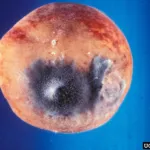 DiseaseRhizopus soft rotRhizopus stolonifer
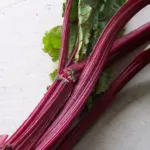 DiseaseBacterial soft rotPectobacterium carotovorum
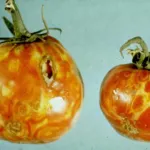 DiseaseTomato spotted wilt virusOrthotospovirus tomatomaculae (tomato spotted wilt virus; TSWV)
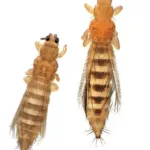 PestOnion thripsThrips tabaci Lindeman
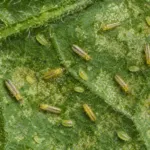 PestMelon thripsThrips palmi Karny
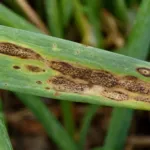 DiseaseStemphylium Leaf BlightStemphylium vesicarium (Wallr.) E.G. Simmons
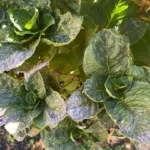 PestChilli thripsScirtothrips dorsalis Hood
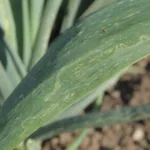 PestAllium leafminerPhytomyza gymnostoma Loew
Toxicity and pollen
Allium giganteum is listed by a US extension resource as having low-severity poisonous characteristics. Ingestion of bulbs, leaves, stems, flowers, fruits, or seeds may cause gastrointestinal signs such as nausea, vomiting, or diarrhea. Keep plant material away from children and pets; do not treat it as an edible onion.
- Typical season
- Late spring to early summer during flowering
- Pollination / pollen
- Primarily insect-presented pollen; limited airborne dispersal expected
As an insect-pollinated onion relative, its pollen is primarily presented within the flower rather than released as a prominent airborne cloud. Species-specific allergy evidence is limited, so a low airborne-pollen concern is more defensible than claiming zero risk. People with known plant allergies should avoid handling crushed material if symptoms occur.
Native habitat
The species is native to Central and western Asia, including dry continental regions. It is associated with open, sunny settings and soils that drain well, with a seasonal growth pattern followed by summer dormancy. Garden success reflects this combination of bright light, winter moisture avoidance, and a pronounced post-flowering dieback.
Interesting fact
The spherical flower head is an umbel made of many tiny individual flowers, not one single bloom. Foliage commonly begins dying back as flowering starts, allowing later perennials to hide the decline. Mature dried heads can retain their architectural form after color fades. The species is among the tallest ornamental onions commonly grown in gardens.
Frequently asked questions (FAQ)
The most relevant questions about this plant, with short and direct answers.
🌱Quick care
How do you care for Giant Allium (Allium giganteum)?⌄
Grow Giant Allium in full sun, well-drained soil, and provide moderate water during active growth. Let the soil become drier after the foliage fades and the bulb enters dormancy.
Is Giant Allium a perennial?⌄
Yes, Giant Allium is a cold-hardy bulbous perennial that can return for several years when planted in well-drained soil. Persistent winter wetness is more damaging than ordinary cold.
🌤️Environment and placement
What USDA hardiness zones can grow Giant Allium?⌄
Giant Allium is generally hardy in USDA Zones 4 through 8, although performance can vary with drainage and local winter conditions. In colder areas, avoid waterlogged sites and consider a light mulch after the ground freezes.
How much sunlight does Giant Allium need?⌄
Giant Allium needs full sun, meaning at least 6 hours of direct sunlight daily. Strong light helps produce taller stems and better flower heads.
What soil is best for Giant Allium?⌄
Use sandy, loamy, or amended clay soil that drains freely. Heavy soil should be improved with organic matter and, where necessary, coarse amendments or raised planting areas to reduce bulb-rot risk.
Can Giant Allium grow in clay soil?⌄
Yes, Giant Allium can grow in clay soil if drainage is improved before planting. Avoid low spots where water remains around the bulbs after rain or snowmelt.
💧Care and problems
How much water does Giant Allium need?⌄
Water Giant Allium moderately while leaves and flower stems are developing, allowing the soil to drain between waterings. Reduce watering after the foliage dies back because the dormant bulb prefers relatively dry conditions.
Why are my Giant Allium leaves turning yellow or dying back?⌄
Giant Allium foliage naturally yellows and declines as flowering begins, so this is usually normal seasonal behavior. If leaves collapse early with soft or diseased bulbs, excessive moisture or bulb rot may be involved.
Does Giant Allium need staking?⌄
Giant Allium may need staking in exposed gardens, especially when its tall flower stems are carrying large heads or facing strong winds. Plants grown in sheltered locations often remain upright without support.
What problems commonly affect Giant Allium?⌄
The main problems are bulb rot, black rot, fungal diseases, and occasionally bulb mites, especially in overly wet soil. Good drainage and avoiding excessive irrigation are the most important preventive measures.
Are deer and rabbits resistant to Giant Allium?⌄
Giant Allium is generally avoided by deer and rabbits because its foliage and stems have a strong onion-like odor. No plant is completely browse-proof, so unusual feeding pressure can still occur.
🪴Planting and repotting
Can Giant Allium be grown in containers?⌄
Yes, Giant Allium can be grown in a large, deep container with drainage holes and a fast-draining potting mix. Container bulbs are more exposed to temperature swings, so protect the pot from prolonged freezing and excess winter moisture.
When should you plant Giant Allium bulbs?⌄
Plant Giant Allium bulbs in fall, before the ground freezes, so they can establish roots before winter. In much of the United States, September through November is suitable, depending on local climate and planting conditions.
How deep should Giant Allium bulbs be planted?⌄
Plant Giant Allium bulbs about 5 to 8 inches deep, measuring from the bulb’s base to the soil surface. Larger bulbs generally benefit from the deeper end of that range.
How far apart should Giant Allium bulbs be planted?⌄
Space Giant Allium bulbs about 9 to 12 inches apart, or roughly one bulb per square foot for a naturalized display. Groups of at least five bulbs usually create a stronger visual effect than isolated plants.
Can you transplant Giant Allium after it blooms?⌄
It is best to move Giant Allium after the foliage has completely faded and the bulb is dormant, usually in summer or fall. Mark the location before the leaves disappear so the bulbs are easier to find.
✂️Propagation and pruning
How do you propagate Giant Allium?⌄
Propagate Giant Allium by dividing mature bulbs or by growing it from seed. Division is the more practical method for producing flowering-size plants, while seedlings may take several years to bloom.
When can you divide Giant Allium bulbs?⌄
Divide Giant Allium bulbs in fall after the foliage has died back and the plant is dormant. Separate offsets carefully, replant them at the proper depth, and keep them in well-drained soil.
Should you cut back Giant Allium after flowering?⌄
Remove spent flower heads if you do not want seed production, but leave the foliage in place until it yellows and dies back naturally. The leaves help replenish the bulb for the following season.
Can Giant Allium reseed itself?⌄
Yes, Giant Allium can produce seed capsules and may self-sow under favorable conditions, although seedlings are not the fastest way to create a flowering display. Remove fading flower heads before seed develops if you want to limit spread.
⚠️Toxicity and safety
Is Giant Allium poisonous to dogs and cats?⌄
Yes, Giant Allium is a low-severity poisonous plant for dogs and cats if ingested. Exposure may cause gastrointestinal symptoms such as nausea, vomiting, diarrhea, or drooling, so contact a veterinarian or animal poison service if a pet consumes it.
Is Giant Allium poisonous to people?⌄
Giant Allium can cause low-severity poisoning if plant parts are eaten. Keep bulbs, leaves, flowers, seeds, and stems away from children and avoid using this ornamental species as food.
Does Giant Allium have an onion smell?⌄
Yes, the leaves and stems release a noticeable onion-like odor when crushed or bruised. The plant is grown as an ornamental and should not be treated as a culinary onion.
🌸Flowering and special interest
When does Giant Allium bloom?⌄
Giant Allium usually blooms in late spring or early summer, often around May through July depending on the climate. Individual flower heads commonly remain attractive for about two to three weeks.
How tall does Giant Allium grow?⌄
Giant Allium commonly reaches about 3 to 5 feet tall, although exceptionally vigorous plants can approach 6 feet. Its flower head is typically a large purple globe about 5 to 6 inches wide.
What color are Giant Allium flowers?⌄
Giant Allium produces dense, rounded flower heads of purple, lilac, or lavender star-shaped florets. The blooms rise on tall, leafless stems above the basal foliage.
Why is my Giant Allium not flowering?⌄
Giant Allium may fail to flower when bulbs are immature, planted too shallowly or deeply, grown in insufficient sun, or weakened by poor drainage. Newly planted bulbs may also need a full growing season or more before flowering reliably.
Are Giant Allium flowers good for cutting and drying?⌄
Yes, Giant Allium flower heads are useful as fresh cut flowers and can also be dried for long-lasting arrangements. Cut stems when the flower head is well developed but before individual florets begin to fade.
Do Giant Allium flowers attract pollinators?⌄
Yes, the large flower heads attract pollinators such as bees and butterflies during bloom. Their spherical clusters provide many small florets on each stem.
What should you plant with Giant Allium?⌄
Plant Giant Allium with low-growing grasses, daylilies, or other perennials that can conceal its fading foliage after bloom. Position it toward the back or middle of a border so the tall stems remain visible.
Similar plants
 Azure Monkshood (Aconitum carmichaelii) care guideAconitum carmichaelii
 Monkshood (Aconitum ‘Stainless Steel’)Aconitum 'Stainless Steel'
 Monkshood (Aconitum ‘Bressingham Spire’)Aconitum 'Bressingham Spire'
 Golden full moon maple (Acer shirasawanum ‘Aureum’)Acer shirasawanum 'Aureum'
 Globosum (Acer platanoides ‘Globosum’)Acer platanoides 'Globosum'
 Striped maple (Acer pensylvanicum) care guideAcer pensylvanicum