
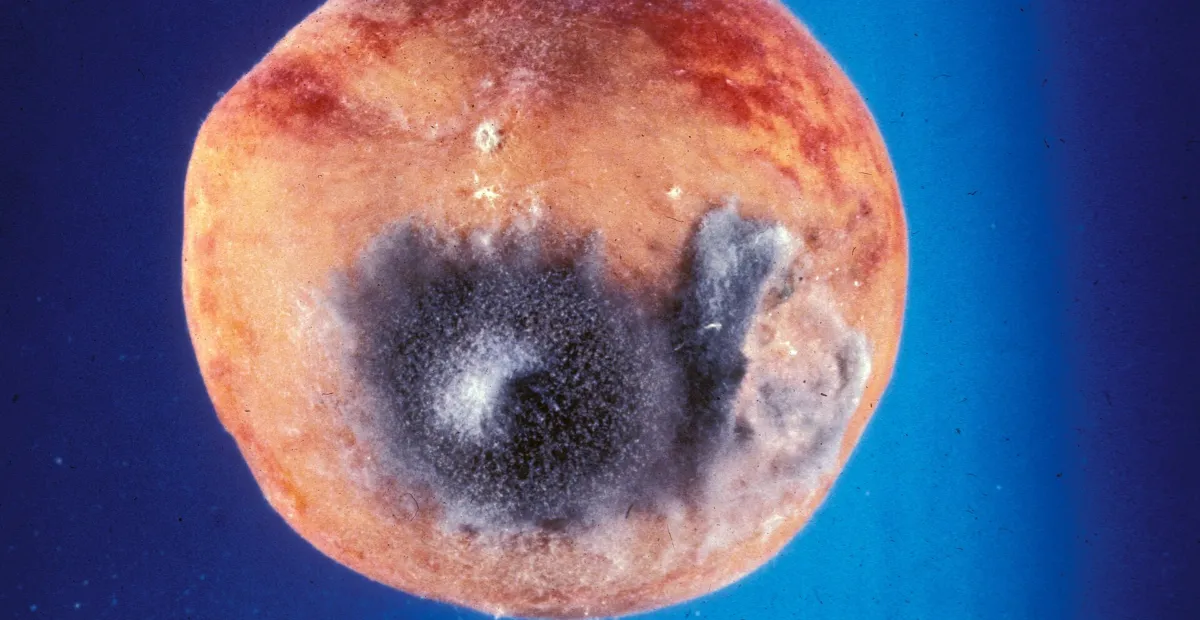
Rhizopus soft rot
Rhizopus stoloniferRhizopus soft rot overview
Rhizopus stolonifer causes a rapidly spreading, watery soft rot of ripe fruits, vegetables, and storage roots, especially after harvest. Infection usually begins in bruises, cuts, cracks, insect injuries, or other damaged tissue. White, cottony growth develops first and later produces conspicuous black sporangia. Careful handling, prompt cooling or curing, sanitation, and removal of decayed produce are the main controls.
Typical conditions
Overview
Rhizopus soft rot is primarily a postharvest disease of fleshy fruits, vegetables, flowers, bulbs, corms, and storage roots. It is especially important on sweet potato, strawberries, peaches and nectarines, tomatoes, grapes, plums, papaya, squash, and other commodities. The fungus is widespread in soil, plant debris, air, handling equipment, and decaying produce, so complete elimination is unrealistic.
Although often described as a saprophyte, current plant-pathology research indicates that it can behave as a necrotrophic pathogen in ripe fruit, actively macerating and killing host tissue. Diagnosis based only on appearance is not definitive because other Rhizopus species and soft-rot organisms can produce similar symptoms.
Symptoms and identification
Symptoms commonly begin at a bruise, cut, crack, puncture, insect injury, stem scar, or other damaged area.
- Water-soaked, translucent, or darkened tissue that becomes extremely soft and watery.
- Rapid enlargement of the rot, often with collapse, leaking juice, and a fermented or sour odor.
- Thin white, cottony fungal growth over the lesion, followed by gray to black spherical sporangia.
- Adjacent fruits or roots may become infected when they remain in direct contact with a sporulating specimen.
- On sweet potato, decay may progress through much of the root during storage; on ripe stone fruit and berries, the fruit can collapse rapidly.
Black sporangia are suggestive but not sufficient for species-level identification. Laboratory examination may be needed to distinguish R. stolonifer from related Rhizopus species or other molds.
Causes and spread
The fungus produces abundant airborne sporangiospores that are easily moved by air currents, splashing water, workers, tools, containers, wash lines, packing equipment, and transport vehicles. Infection most often occurs when spores contact fresh wounds or bruised tissue. Ripe fruit is generally more susceptible than immature fruit because softening and higher soluble-solids content favor colonization.
Warm conditions, high surface moisture, poor ventilation, delayed cooling, rough handling, and contact between healthy and decaying produce accelerate disease development. In sweet potato, crushing bruises are particularly favorable infection courts.
Life cycle and persistence
Rhizopus stolonifer survives as mycelium, spores, or resistant sexual structures in soil, plant debris, decaying produce, and contaminated facilities. Spores germinate when moisture and temperature are favorable, especially on nutrient-rich wound exudates. The fungus rapidly produces broad, mostly nonseptate hyphae and surface stolons. Rhizoids anchor the colony to the substrate, while upright sporangiophores produce white-to-gray sporangia that mature black and release numerous sporangiospores.
Under suitable postharvest conditions, visible growth can appear within about a day and extensive decay may develop within several days. Spores and mycelial contact can spread the disease from one commodity to neighboring produce, a pattern sometimes called nesting.
Treatment and control
There is no curative treatment that restores tissue already softened by Rhizopus rot. Isolate and discard affected produce, preferably in sealed or covered waste containers, and avoid carrying spores onto healthy lots. Do not wash or compost heavily sporulating produce near the crop or packing area.
For storage roots, improve temperature control, ventilation, sanitation, and handling immediately. For fruit, rapid cooling and removal of diseased units can slow secondary spread but will not reverse established decay. Commercial operations should follow the crop-specific postharvest disease-management guidance from their state Extension service and packhouse food-safety program.
Low-impact and biological control
Organic management relies primarily on prevention rather than eradication. Use careful harvest and packing practices, timely curing of sweet potatoes, rapid cooling of fruit, clean water and equipment, dry storage surfaces, and frequent removal of culls. Maintain strict separation between decayed and marketable produce.
Some biological antagonists, sanitizers, edible coatings, and other reduced-risk postharvest treatments have shown activity in research or crop-specific programs, but performance and legal status vary by commodity and production system. Use only products permitted by the USDA National Organic Program and legally registered for the specific crop, use site, and disease in the United States, following the current label.
Prevention
- Harvest, wash, grade, and pack gently to minimize crushing, abrasion, punctures, and stem-end damage.
- Remove visibly decayed fruit, roots, and culls promptly; do not allow sporulating produce to remain beside healthy lots.
- Clean and sanitize harvest bins, tools, wash lines, packing surfaces, storage rooms, and transport containers according to an appropriate food-contact sanitation program.
- Cool susceptible fruit promptly. For peaches and nectarines, maintaining fruit below 41°F greatly suppresses Rhizopus growth.
- Cure sweet potatoes promptly after harvest, commonly for 7–10 days at about 85°F and 90% relative humidity, then store near 55–60°F with ventilation. Avoid temperatures below 55°F because chilling injury can increase susceptibility.
- Keep commodities dry on the surface, prevent condensation, maintain airflow, and use clean containers that do not retain plant debris.
- Inspect lots frequently and separate damaged or infected produce before it contaminates neighboring items.
Interesting facts
- The species is widely known as black bread mold, but the same fungus can cause serious postharvest losses in horticultural crops.
- Its black structures are sporangia containing many asexual spores; the earlier white stage is actively growing mycelium.
- Rhizopus colonies produce stolons and root-like rhizoids, structures reflected in the genus name.
- The pathogen is especially destructive because it grows rapidly and can spread by direct contact between neighboring commodities.
- Rhizopus soft rot is often more important after harvest than in the field, particularly where bruising and warm, humid handling conditions occur.
Do not apply a pesticide solely because Rhizopus stolonifer is suspected. Product registrations, permitted commodities, postharvest uses, worker protections, and organic approvals vary by crop and state. Use only products legally authorized in the United States for the specific crop and problem, and follow the current EPA-approved label exactly. Cultural practices, sanitation, wound reduction, curing, cooling, and segregation are the foundation of control.
Affected plants
The plants below are linked to this problem by structured host-plant data. The list updates automatically as new plant profiles are added.
 Onion (Allium cepa) care guideAllium cepa
 Allium christophii care guideAllium christophii
 Bunching onion (Allium fistulosum) care guideAllium fistulosum
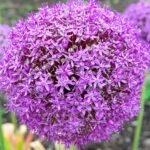 Giant Allium (Allium giganteum) care guideAllium giganteum
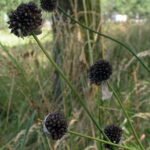 Ornamental onion (Allium) care guideAllium
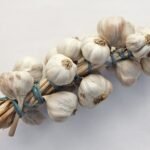 Garlic (Allium sativum) care guideAllium sativum
 Chives (Allium schoenoprasum) care guideAllium schoenoprasum
 Ransoms (Allium ursinum) care guideAllium ursinum
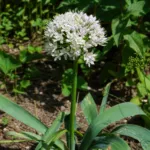 Wild leek or broadleaf wild leek (Allium ampeloprasum) care guideAllium ampeloprasum
 Shallot (Allium cepa Aggregatum Group)Allium cepa Aggregatum Group
 Cepa Group (Allium cepa Group)Allium cepa Cepa Group
 Rakkyo (Allium chinense) care guideAllium chinense