
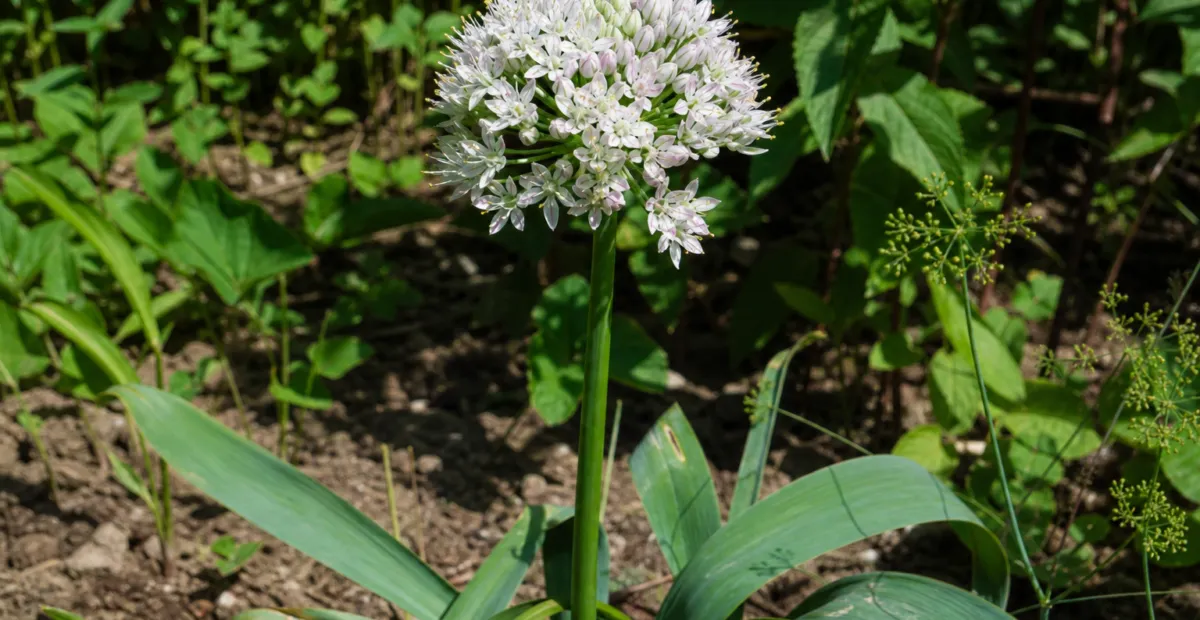
 AI-generated illustration
Wild leek or broadleaf wild leek (Allium ampeloprasum) short overview
Wild leek or broadleaf wild leek, Allium ampeloprasum, is a variable bulbous allium native from Macaronesia and the Mediterranean region to Central Asia. Its flat, blue-green, onion-scented leaves form a basal fan, while mature plants send up a tall, solid scape topped by a rounded umbel of small white, pink, or reddish flowers. Related cultivated forms include leeks and elephant garlic, but the accepted species is botanically broader than either crop.
Taxonomic classification
Wild leek or broadleaf wild leek (Allium ampeloprasum) care guide
Light and placement
Give full sun for the strongest growth and flowering, ideally with a south- or west-facing exposure and unobstructed afternoon light. Partial shade is tolerated, particularly in hot climates, but too little light can produce floppy leaves and weaker flowering. Scorched leaf tips or rapid midday wilt suggest excessive heat, drought, or root stress rather than simple sun intolerance.
Watering and humidity
Water deeply when the upper inch of soil begins to dry during active growth, then allow excess water to drain. Keep moisture steady while leaves are expanding and reduce irrigation as foliage yellows and the bulb enters dormancy. Container plants dry faster and need more frequent checks. Avoid overhead watering and saturated soil, which increase disease risk.
Soil and growing medium
Use fertile, friable soil that drains freely but retains enough moisture for steady leaf growth. A loam enriched with mature compost is suitable; sandy soils need more organic matter, while heavy clay should be loosened and raised or amended to prevent bulb and root rot. A slightly acidic to slightly alkaline reaction is tolerated, with near-neutral soil generally practical.
Feeding
Incorporate a modest amount of mature compost before planting. During active leaf growth, apply a balanced vegetable fertilizer according to its label if growth is pale or weak; avoid excessive nitrogen, especially as flowering approaches, because it can produce lush, soft foliage and delay bulb maturity. Stop feeding once plants enter dormancy.
Growth and habit
Plants form a basal fan of leaves from a bulb and may gradually increase through offsets. Flowering shoots rise above the foliage, after which the bulb and leaves may enter dormancy. Remove spent heads if seed is not wanted, or leave them to mature for seed and wildlife interest.
Planting and repotting
Plant in fall in mild climates or in early spring as soon as the ground can be worked. Set bulbs or offsets with the neck near the soil surface; seed-grown plants may need a full season or more before reaching useful size. Keep the bed weed-free during establishment and maintain even moisture without waterlogging.
Container-grown plants can be divided and refreshed when dormant or replanted after foliage dies back. Use a deep container with drainage holes and replace exhausted mix rather than repeatedly potting into compacted soil.
Propagation and pruning
Propagation
Sow fresh seed when ripe or in fall, or divide mature bulbs and attached offsets during dormancy. Some forms can produce bulbils, but this is variable and should not be assumed for every plant. Seed propagation preserves species diversity; division gives faster, more uniform establishment.
Pruning
No routine pruning is needed. Remove damaged leaves at the soil line and cut flower stalks after seed dispersal if self-sowing or visual reseeding is undesirable. Allow foliage to yellow naturally so the bulb can replenish reserves.
Overwintering
In USDA Zones 5–6, mulch lightly after the ground freezes, using a loose layer that does not stay wet around the crown. In warmer zones, plants generally overwinter outdoors. Containers are more vulnerable to repeated freeze-thaw cycles; move them to a sheltered, unheated location or insulate the pot.
Uses
Use as an edible allium only when the plant is correctly identified and grown for consumption; related forms are used as leeks, kurrat, or elephant garlic. It also provides architectural seed heads and seasonal interest in borders and pollinator plantings. Do not present it as a medicinal treatment, and keep edible plant material away from pets.
Appearance
The plant has a strong onion-garlic odor when bruised. Leaves are flat, linear-lanceolate, parallel-veined, and somewhat glaucous, emerging in a fan from the bulb. A smooth, solid scape rises above the foliage and ends in a dense spherical umbel; papery bracts enclose the developing flower head and may shed at flowering.
Flowering
A mature shoot produces one erect, solid flowering scape. The rounded umbel contains many small bell- or urn-shaped flowers that open progressively over several weeks. Tepals may be white, pink, or reddish, and the basal leaves often begin to yellow or wither as flowering develops. Flowering is usually in late spring or summer, but timing varies with form and climate.
Pollination and visitors
The flowers provide nectar and pollen to visiting insects. A field-cage study documented muscid and blow flies, including Calliphora vicina, as effective pollinators of leek seed crops. Other insect visitors may occur, but a broader species list was not treated as certain for the accepted taxon.
Allium ampeloprasum photos
Click any photo for a larger view. Source, author and license are shown separately.
Diseases and pests
Diseases
Prevent onion white rot, downy mildew, and leaf spot by using clean planting stock, rotating allium crops, improving air circulation, and avoiding persistently wet soil. Remove badly diseased plants and do not compost infected bulbs or foliage. Symptoms and disease pressure vary by region.
Pests
Monitor for thrips, onion maggot, allium leafminer where present, and slug damage on young growth. Use crop rotation, insect exclusion netting, sanitation, and removal of heavily infested plants. Avoid planting new alliums immediately after diseased or pest-infested crops.
Related diseases and pests
Only Plant Doctor profiles whose host data indicate this plant may be affected are shown here.
 PestOnion MaggotDelia antiqua
 PestAllium leafminerPhytomyza gymnostoma Loew
 DiseaseOnion downy mildewPeronospora destructor
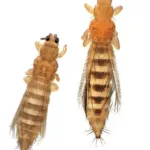 PestOnion thripsThrips tabaci Lindeman
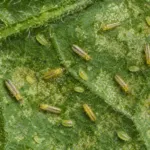 PestMelon thripsThrips palmi Karny
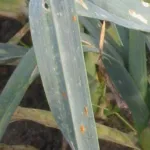 DiseaseAllium rustPuccinia allii
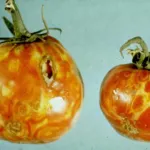 DiseaseTomato spotted wilt virusOrthotospovirus tomatomaculae (tomato spotted wilt virus; TSWV)
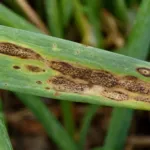 DiseaseStemphylium Leaf BlightStemphylium vesicarium (Wallr.) E.G. Simmons
Toxicity and pollen
Allium species contain sulfur compounds that can irritate the digestive system and are toxic when eaten by dogs and cats. Human culinary use is documented for related cultivated forms, but plant identification and preparation must be certain. Keep raw bulbs, leaves, and concentrated plant material away from pets and seek veterinary advice after ingestion.
- Typical season
- Typically late spring through summer in the United States
- Pollination / pollen
- Mostly insect-carried pollen; limited airborne dispersal
This is an insect-pollinated flowering plant, so pollen is not ordinarily released in large airborne clouds. Direct exposure can still occur around open umbels, and sensitive people may react to handling flowers or plant tissues. The low rating is a practical estimate rather than a clinical allergy classification.
Native habitat
The accepted species is native from Macaronesia and the Mediterranean region eastward to Central Asia, occurring mainly in temperate settings. It is associated with open, often seasonally dry habitats and well-drained soils, but cultivated and naturalized populations occupy a wider range of conditions.
Interesting fact
The species is a major ancestral and taxonomic source for cultivated leek forms. Some accessions produce attached offsets or bulbils, while others mainly reproduce by seed. Its flowering umbel may contain several hundred small flowers, and field research has documented flies as effective seed-crop pollinators.
Frequently asked questions (FAQ)
The most relevant questions about this plant, with short and direct answers.
🌱Quick care
What is Allium ampeloprasum commonly called in the United States?⌄
Allium ampeloprasum is commonly called wild leek or broadleaf wild leek. The species is also associated with cultivated forms such as leek and elephant garlic, so plant labels can vary.
Is wild leek a perennial?⌄
Yes, wild leek is a bulb-forming perennial in suitable climates. Its foliage may die back seasonally while the underground bulb remains dormant.
How much sun does wild leek need?⌄
Wild leek grows best in full sun but tolerates partial shade. More sunlight usually supports stronger growth and better flowering, provided the soil does not become excessively dry.
How often should I water wild leek?⌄
Water wild leek moderately, keeping the soil evenly but not constantly wet during active growth. Allow the top layer of soil to dry slightly between waterings, especially in heavy soil.
🌤️Environment and placement
What type of soil is best for Allium ampeloprasum?⌄
Use fertile, well-drained loam for Allium ampeloprasum. Improve heavy clay with compost and, where appropriate, coarse material that increases drainage.
Can wild leek grow in partial shade?⌄
Yes, wild leek can grow in partial shade, although flowering and overall vigor may be reduced compared with plants grown in full sun. Choose a bright location with good air circulation.
Is wild leek hardy in the United States?⌄
Wild leek is generally hardy, but plants may need protection in colder areas. A layer of mulch can help buffer the bulbs against repeated freezing and thawing.
What USDA hardiness zones can grow wild leek?⌄
Wild leek can be grown across a broad range of U.S. climates, but exact performance depends on the form and local conditions. Protect bulbs in areas with severe winter cold or poor drainage.
Can wild leek grow in containers?⌄
Yes, wild leek can grow in a container with drainage holes and fertile, well-drained potting mix. Use a container deep enough for the bulb and protect it from extreme winter temperatures.
💧Care and problems
Why are my wild leek leaves turning yellow?⌄
Yellowing leaves can be a normal sign of seasonal dormancy, especially after flowering. Premature yellowing may also indicate overwatering, poor drainage, disease, or insufficient light.
Does wild leek need fertilizer?⌄
Wild leek benefits from fertile soil and usually needs little additional fertilizer. If growth is weak, apply a balanced fertilizer according to the product label during active growth rather than overfeeding.
What pests affect wild leek?⌄
Wild leek is generally relatively pest-resistant because of its strong onion-like odor. Poor drainage can be a greater concern, although onion white rot and downy mildew may occur.
How can I prevent disease on wild leek?⌄
Prevent disease by planting in well-drained soil, avoiding overhead watering, and allowing adequate spacing for air circulation. Do not replant Alliums immediately in soil where serious rot has occurred.
🪴Planting and repotting
When should I plant wild leek bulbs in the United States?⌄
Plant wild leek bulbs in fall or early spring when the soil is workable. Fall planting allows roots to establish before winter, while early spring planting is useful in colder regions.
How deep should I plant wild leek bulbs?⌄
Plant wild leek bulbs with the pointed end upward and cover them with soil to a depth appropriate for their size, generally about two to three times the bulb's height. Avoid burying them in waterlogged soil.
Can I grow wild leek from seed?⌄
Yes, wild leek can be grown from seed. Sow fresh seed in containers in a cold frame or sow in spring, but expect slower results than from established bulbs or offsets.
How far apart should I plant wild leek?⌄
Space wild leek plants far enough apart for mature clumps and good air circulation, commonly about 6 to 12 inches apart in a garden bed. Wider spacing is useful if you want larger naturalized clumps.
✂️Propagation and pruning
How do I propagate wild leek?⌄
Propagate wild leek by seed or by separating offsets and small bulbs. Division is usually the quicker method for producing flowering-size plants.
Can I divide wild leek bulbs?⌄
Yes, divide wild leek when the foliage has died back and the plant is dormant. Separate attached offsets carefully and replant them promptly at the same general depth.
Does wild leek produce bulbils?⌄
Some forms of Allium ampeloprasum can produce small bulbils or offsets around the main bulb, and certain cultivated forms may produce bulbils in the flower head. Their presence varies by plant type.
Should I cut back wild leek after flowering?⌄
No regular pruning is required after wild leek flowers. Remove only damaged foliage or spent flower stems if desired, and leave healthy leaves until they naturally yellow so the bulb can replenish its reserves.
⚠️Toxicity and safety
Is Allium ampeloprasum toxic to dogs?⌄
Yes, Allium ampeloprasum should be considered toxic to dogs if eaten. Contact a veterinarian or animal poison-control service promptly after ingestion, especially if vomiting, weakness, pale gums, or rapid breathing develops.
Is wild leek toxic to cats?⌄
Yes, wild leek is toxic to cats if eaten. Cats are particularly susceptible to Allium poisoning, and veterinary advice should be sought immediately after ingestion.
Can dogs eat wild leek leaves or bulbs?⌄
No, dogs should not eat wild leek leaves, bulbs, flowers, or other plant parts. Raw, cooked, dried, and concentrated Allium material can damage red blood cells.
Is wild leek safe to grow around pets?⌄
Wild leek can be grown around pets only when animals cannot chew or dig up the plant. Keep plant debris and harvested material out of reach because all parts may be harmful if eaten.
Can people eat wild leek?⌄
Some forms of Allium ampeloprasum are cultivated as edible leeks or related vegetables, but wild plants should not be eaten unless their identity is certain and they are harvested from a clean, uncontaminated site. Do not confuse this species with other plants called wild leek.
🌸Flowering and special interest
When does wild leek bloom?⌄
Wild leek typically blooms in summer, producing a rounded cluster of small flowers on a tall, leafless stalk. Timing varies with climate, latitude, and the particular form being grown.
What do wild leek flowers look like?⌄
Wild leek flowers form a spherical or rounded umbel composed of many small flowers, often white, pinkish, or purple depending on the form. The flower stalk can rise substantially above the basal leaves.
Why is my wild leek not flowering?⌄
Wild leek may not flower if the bulb is immature, the plant is growing in too much shade, or it has been stressed by poor drainage or drought. Some cultivated leek forms are also selected more for foliage than for blooms.
Should I remove wild leek flower stalks?⌄
Remove wild leek flower stalks only if you want to reduce self-seeding or direct energy back toward the bulb. Leave them in place if you want ornamental flowers or seed production.
Similar plants
 Azure Monkshood (Aconitum carmichaelii) care guideAconitum carmichaelii
 Monkshood (Aconitum ‘Stainless Steel’)Aconitum 'Stainless Steel'
 Monkshood (Aconitum ‘Bressingham Spire’)Aconitum 'Bressingham Spire'
 Golden full moon maple (Acer shirasawanum ‘Aureum’)Acer shirasawanum 'Aureum'
 Globosum (Acer platanoides ‘Globosum’)Acer platanoides 'Globosum'
 Striped maple (Acer pensylvanicum) care guideAcer pensylvanicum