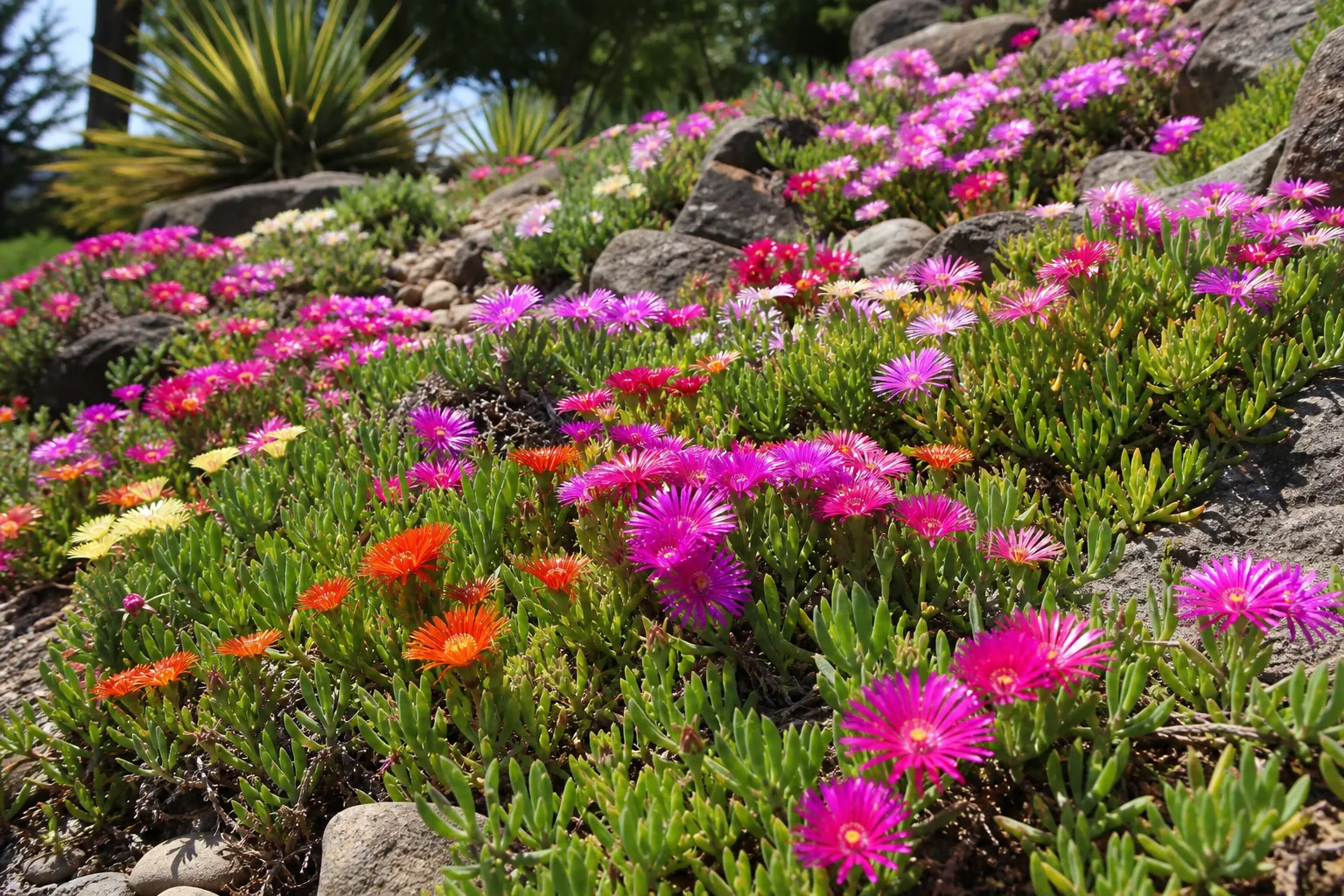
Ice plants succeed in places that defeat many garden favorites because they are built to handle heat, drought, bright sun and lean soil. Their thick leaves store water, their unusual photosynthesis limits moisture loss, and their low, spreading growth keeps the plant close to the cooler ground. Give the right ice plant plenty of sun and sharply drained soil, and a dry slope, rock garden or hot border can become one of the easiest parts of your yard to maintain.
The name “ice plant” covers several related plants in the ice plant family, Aizoaceae. In American gardens, Delosperma species and hybrids are among the most useful hardy choices. Other members of the family include colorful annuals, tender trailing plants and living stones such as Lithops. They share some remarkable adaptations, but they do not all have the same cold tolerance, water needs or garden behavior.
Built-in water storage gives ice plants a head start
Look closely at an ice plant leaf and you will see why it handles dry weather better than a thin-leaved perennial. The leaves are succulent, meaning they contain specialized tissues that hold extra water. Instead of depending entirely on frequent rain or irrigation, the plant can draw on that reserve between waterings.
Many ice plant leaves are plump, cylindrical or triangular in cross-section. That shape provides useful storage without creating a broad, delicate surface exposed to the sun. The leaves may also look glassy, beaded or covered with tiny reflective bumps. These features contribute to the “icy” appearance that gives the group its common name.
Water storage does not make an ice plant invincible. A succulent can survive a dry spell, but its roots still need oxygen. When soil stays saturated, air spaces disappear and roots may decline. In practice, an ice plant often handles a week of dry weather better than a week in soggy clay.
CAM photosynthesis helps conserve moisture
Some ice plants use a water-saving process called crassulacean acid metabolism, or CAM photosynthesis. The name sounds technical, but the basic idea is simple: the plant can open its pores, called stomata, mainly at night when the air is cooler and evaporation is lower.
During the night, the plant takes in carbon dioxide and stores it in an organic-acid form. During the day, it keeps its stomata more closed and uses that stored carbon dioxide for photosynthesis. This schedule helps reduce the amount of water lost while the sun is intense.
Not every plant sold as an ice plant uses CAM in exactly the same way. Some members of the family use other photosynthetic pathways, and certain species can shift their strategy depending on temperature, salt and water availability. That variation is one reason you should treat “ice plant” as a broad gardening label rather than a guarantee that every variety wants identical conditions.
Those sparkling epidermal cells do more than decorate the leaves
The bumpy or crystal-like surface of many ice plants comes from specialized epidermal cells. The epidermis is the plant’s outer skin, and in Aizoaceae it may contain enlarged bladder cells. These cells can hold water and dissolved substances, and their shape changes how light reaches the leaf surface.
Think of them as part of the plant’s protective outer equipment. They may help scatter strong light, reduce the impact of intense radiation and create a reflective surface. Some species also have papillae, hairs or a waxy coating, adding further protection against a harsh, exposed environment.
This is a useful reminder that drought resistance rarely comes from a single trick. Ice plants combine water storage, surface protection, efficient gas exchange and a growth habit suited to open ground. Together, those features allow them to keep functioning when ordinary bedding plants wilt.
Living stones take camouflage to an extreme
The most astonishing ice plants may be the living stones, especially Lithops. These small plants resemble pebbles scattered across the soil, an excellent disguise in the rocky deserts of southern Africa. Their visible body consists largely of a paired leaf structure, while much of the plant remains protected below the soil surface.
The stone-like shape reduces exposed surface area and helps the plant blend into its surroundings. Translucent “window” areas in the leaves allow light to reach internal photosynthetic tissue without requiring a broad green leaf above ground. During growth, a new pair of leaves develops inside the old pair, gradually replacing it.
Lithops are not the best choice for a beginner’s outdoor flower bed in most of the United States. They need a carefully timed watering cycle and excellent drainage, and winter moisture can be especially troublesome. Still, they demonstrate how far the ice plant family has evolved toward survival in dry landscapes.

Rain can trigger a clever seed-release system
Many Aizoaceae produce capsules that respond to moisture. When dry, the capsule remains closed, protecting the seeds during unfavorable weather. When rain wets the structure, its compartments open and help release seeds onto the surrounding soil.
This moisture-triggered behavior is called hygrochasty. It gives seeds a better chance of starting life when water is actually available. Some capsules can close again as they dry, allowing the plant to take advantage of repeated wetting events rather than releasing everything during one brief shower.
For gardeners, the lesson is practical: the family is adapted not just to drought, but to unpredictable rainfall. It waits for a promising opportunity instead of wasting precious seeds in the middle of a dry season.
Low growth protects the plant—and covers difficult ground
Many garden ice plants spread along the soil surface rather than growing tall. This low habit helps reduce exposure to drying winds and keeps the plant close to the cooler microclimate at ground level. Stems can root where they touch suitable soil, gradually forming a mat.
That makes hardy Delosperma useful for:
- Sunny rock gardens and gravel beds
- Dry slopes where mowing is difficult
- The edges of retaining walls and raised beds
- Hot borders alongside lavender, sedum and ornamental grasses
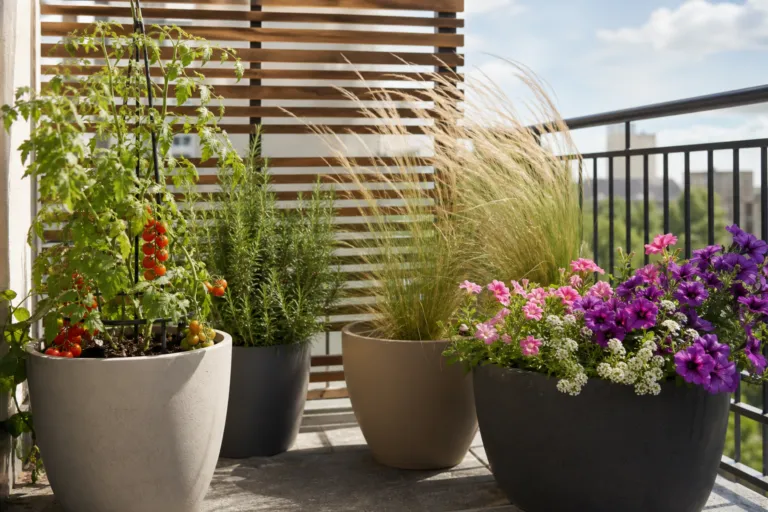
- Containers with fast-draining potting mix
The same spreading habit can become a problem if you plant an unsuitable species in a sensitive location. Before buying a trailing ice plant, check your state or county extension guidance and choose a well-behaved garden selection. Keep stems away from natural areas unless you know the plant is appropriate for your region.

Not all ice plants perform alike
Variety selection matters more than the common name suggests. A plant that thrives in a dry Colorado rock garden may struggle in a humid Gulf Coast bed, while a tender trailing ice plant may perform beautifully in a frost-free California garden but fail after a cold Midwestern winter.
Common types to compare
- Delosperma cooperi: A popular hardy type with vivid purple-pink flowers and fleshy green leaves. It is often used as a low ground cover in sunny, well-drained beds.
- Delosperma nubigenum: Known for yellow flowers and a lower, tighter habit. It is often valued for cooler-climate rock gardens, but local performance still depends on drainage and winter conditions.
- Delosperma hybrids: Modern selections may offer unusual flower colors, longer bloom periods or improved cold tolerance. Read the nursery’s hardiness information instead of assuming all hybrids are equally tough.
- Trailing tender ice plants: Some Lampranthus and related plants produce spectacular flowers but are best treated as annuals or container plants where winters are cold.
- Lithops and other living stones: Fascinating collector plants with very different watering schedules from landscape Delosperma.
Use USDA hardiness information as a starting point, not a promise. A plant may survive the lowest winter temperature in your zone and still fail because of wet soil, poor air movement or repeated freeze-and-thaw cycles.

What a simple home growing trial can teach you
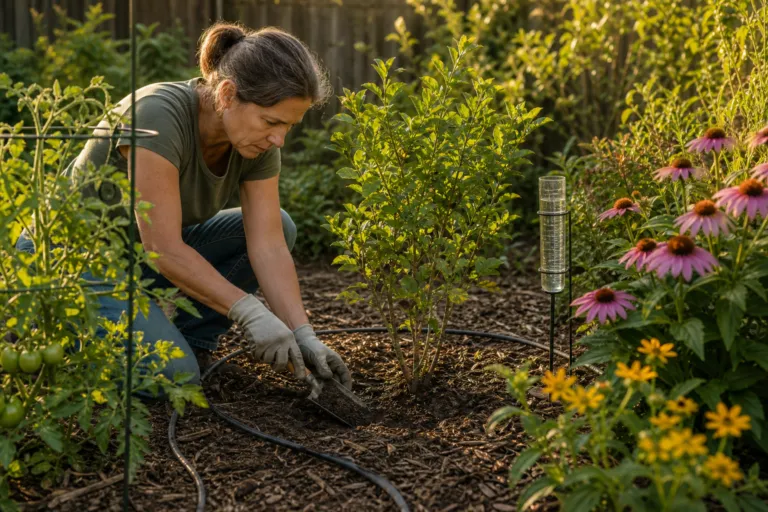
If you want to discover which ice plant suits your yard, try a small comparison rather than planting an entire slope at once. Choose two or three varieties, place them in similar sun, and give each the same soil preparation. Label them clearly and record survival, flowering, spread and signs of stress from spring through fall.
You can also measure irrigation instead of relying on guesswork. For a small test bed, place a straight-sided container near the plants while a sprinkler runs. Measure the water depth, or collect the water in a bucket and calculate the amount applied to the planting area.
Here is a useful conversion for hand watering: one U.S. gallon spread evenly across 4 square feet equals about 0.4 inch of water. Two gallons across the same area equals about 0.8 inch. This does not mean every ice plant needs that amount on a fixed schedule; it simply gives you a reliable way to describe what you applied.
For an established planting, record rainfall and irrigation for four weeks. Water deeply only when the soil has dried several inches down, then compare plants after 48 hours. If leaves remain firm and new growth looks healthy, your interval may be working. If stems become soft, the soil stays wet or the plant declines from the center, improve drainage before adding more water.
How to plant ice plants for success
Start with sunlight
Most flowering ice plants need at least six hours of direct sun for strong growth and abundant blooms. In very hot climates, a little afternoon protection can reduce scorch, especially for newly planted specimens. Avoid deep shade, where stems may stretch and the soil may dry too slowly.
Prioritize drainage over rich soil
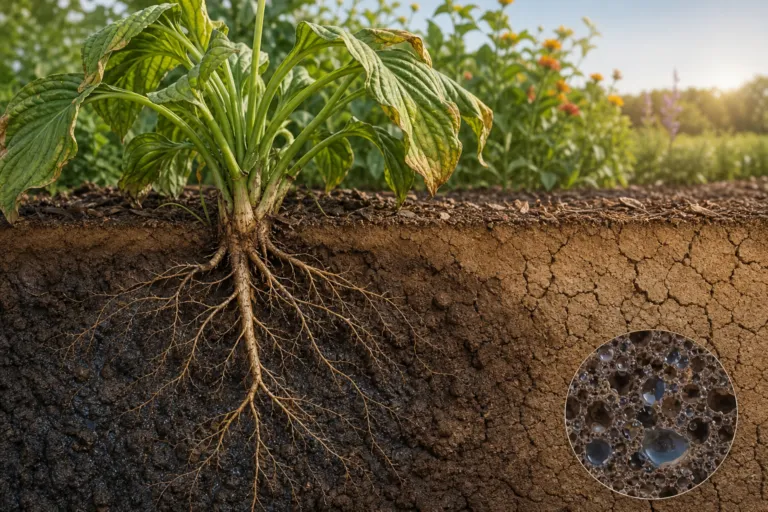
Choose a raised, sloped or gravelly location whenever possible. Heavy clay can work only if you substantially improve the planting site, and simply mixing a small amount of sand into clay may make the structure worse. A better approach is to build a raised mound, use coarse mineral material and avoid creating a basin that collects runoff.
Water deeply, then wait
Newly planted ice plants need more regular attention while roots grow into the surrounding soil. Water when the root zone begins to dry, but do not keep it constantly damp. Once established, many hardy types need supplemental irrigation mainly during prolonged hot, dry periods.
- Check soil moisture below the surface rather than judging by the top inch alone.
- Water at the soil line to reduce unnecessary wetting of foliage.
- Let excess water drain completely from containers.
- Reduce irrigation during cool weather and dormant periods.
- Protect winter plantings from standing water, especially in heavy soil.
Give plants room to spread
Allow enough space for the mature width listed on the plant label. Crowding reduces airflow and makes it harder to see whether the soil is drying properly. A little patience usually pays off: a young ice plant may look sparse at first, then fill a sunny site once its roots become established.
The biggest mistake is loving them too much
Ice plants often fail in gardens where the gardener waters generously but the soil drains poorly. Yellowing, mushy stems, sudden collapse or a dying center can point to excess moisture rather than thirst. Before reaching for fertilizer or more irrigation, dig carefully near the plant and inspect the soil.
Fertilizer is rarely the main answer. Excess fertility can encourage soft, leafy growth that is less suited to drought and may reduce the compact habit you want. If growth is weak, first check light, drainage, planting depth and winter damage.
A tough plant with a precise set of preferences
Ice plants thrive where other plants struggle because they conserve water at several levels: inside succulent leaves, across specialized epidermal surfaces, through carefully timed gas exchange and by hugging the ground. Living stones add camouflage and underground protection, while moisture-responsive seed capsules wait for rain before releasing their next generation.
In your garden, success comes from matching the species to the site. Choose a climate-appropriate variety, provide bright light, build in excellent drainage and measure your watering instead of following a rigid calendar. Once you stop treating an ice plant like a thirsty bedding annual, its toughness becomes much easier to appreciate—and your hottest, driest garden corner may become one of the most colorful.