A heatwave can end with a thunderstorm, a cooler morning, or simply a return to ordinary summer temperatures. You walk outside expecting your garden to look relieved—then notice brown leaf edges, dropped blossoms, limp stems, or fruit with pale, sunken patches. What happened?
Plant damage often appears late because heat stress is not always an instant injury. During several hot, windy days, a plant may quietly lose water faster than its roots can replace it. Some tissues keep functioning for a while, while others are already damaged. The visible symptoms may not arrive until the heat breaks.
The good news is that late damage does not automatically mean a plant is dying. With a careful check, steady watering, temporary shade, and a little patience, many garden plants can recover and produce healthy new growth.
Why the garden can look worse after the heatwave
Plants constantly move water from the soil, through their roots and stems, and out through tiny openings in their leaves. This natural water loss helps cool the plant, but hot air, strong sunlight, and dry wind can make evaporation happen very quickly.
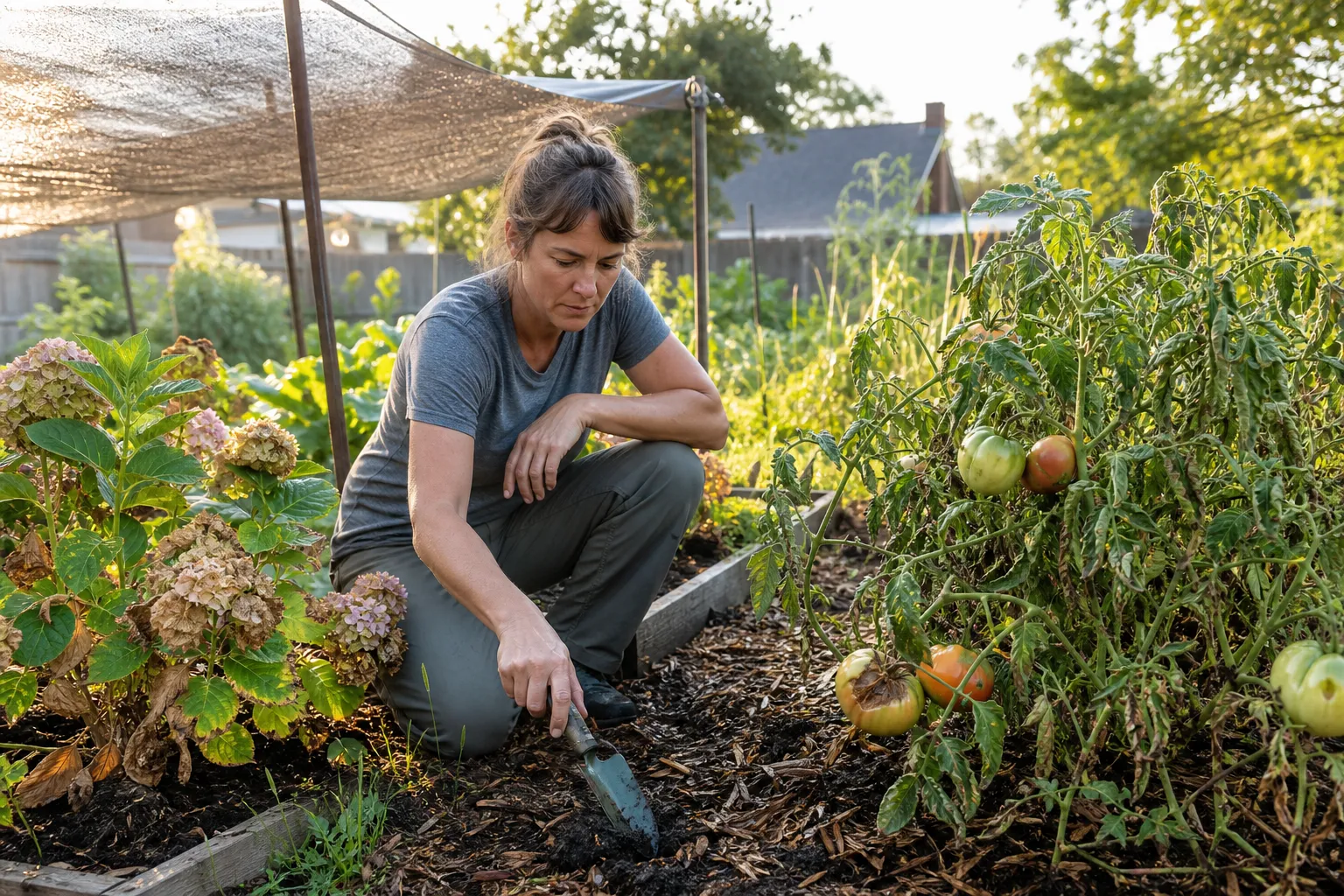
When the roots cannot keep up, leaves may wilt or curl. A tomato may roll its leaves inward, a hydrangea may droop dramatically, and a container herb may look completely defeated by late afternoon. If the soil still contains moisture, these plants may recover overnight—but repeated cycles of stress can eventually injure leaf tissue, flowers, roots, or developing fruit.
Some damage becomes obvious only after the plant resumes normal water movement. Brown areas do not turn brown the instant cells are injured; they may take hours or days to dry out and become visible. A plant may also shed leaves, flowers, or immature fruit after the stressful period rather than during it.
Heat stress is more than a lack of water
Even moist soil cannot eliminate every heat problem. High temperatures can interfere with photosynthesis, pollen function, flowering, and fruit development. Roots may also struggle in overheated containers or compacted soil, while hot pavement, walls, and driveways reflect additional heat onto nearby foliage.
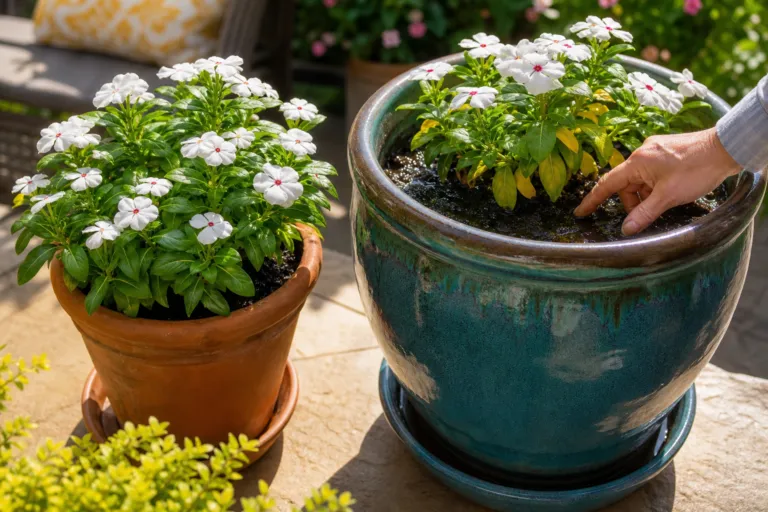
That is why a plant can wilt even when you watered it recently. Before adding more water, check the soil near the root zone. Heat alone can cause temporary afternoon wilting, while genuinely dry soil calls for a deeper soak.
The delayed symptoms worth watching for
Walk through the garden in the morning and again in the late afternoon for several days after extreme heat. Look for patterns rather than reacting to one damaged leaf.
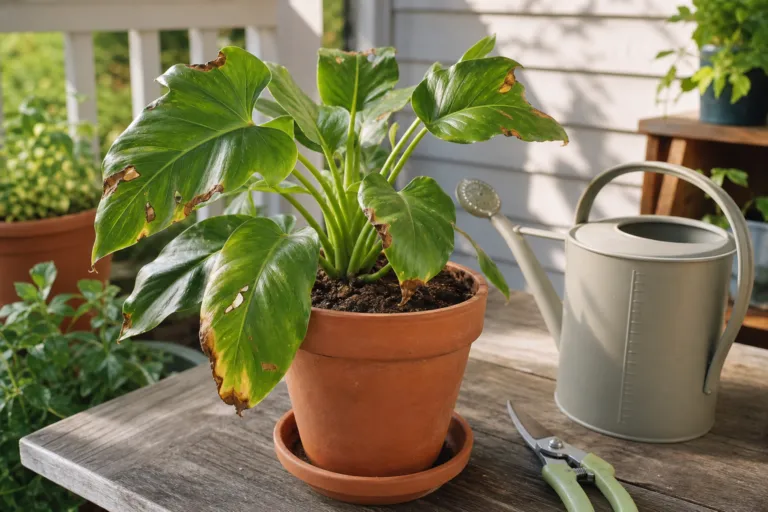
- Brown leaf margins: Scorch often begins at the edges and may move inward toward the veins.
- Bleached or papery patches: Strong sunlight can injure exposed leaves or fruit, especially where foliage has thinned.
- Leaf curl: Tomatoes, peppers, corn, and other plants may curl leaves to reduce water loss. Heat-related curl can ease when conditions moderate.
- Premature leaf drop: A stressed plant may discard older or badly damaged leaves to reduce water demand.
- Flower and fruit drop: Tomatoes, peppers, cucumbers, beans, and squash may shed blossoms when heat disrupts pollination or the plant cannot support new growth.
- Stalled growth: A plant may look alive but stop producing new leaves, flowers, or fruit while it conserves energy.
- Sunscald on fruit: Tomatoes and peppers can develop pale, yellow, tan, or sunken areas on the side facing intense light.
- Soft or collapsing stems: This deserves closer inspection because heat injury, root damage, physical injury, and disease can look similar.
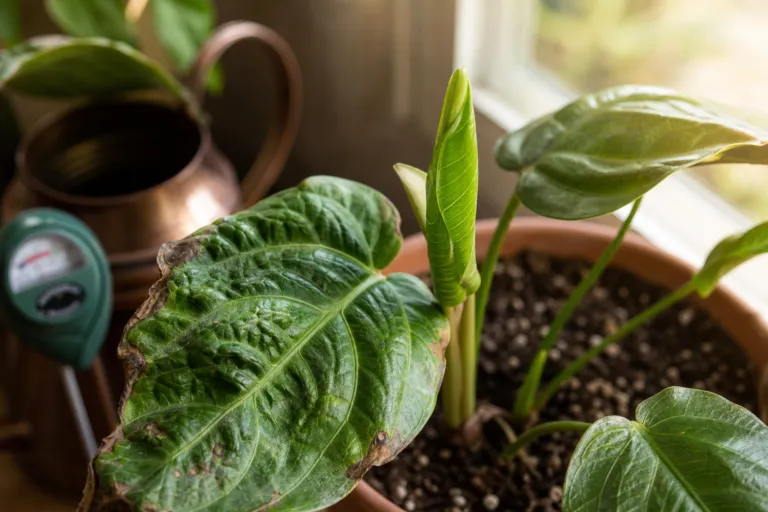
New growth is one of the best clues. If fresh leaves emerge normally after temperatures settle, the plant is likely recovering. If new growth wilts repeatedly, turns discolored, or the entire plant declines despite properly moist soil, investigate roots, stems, pests, or disease.
Heat damage or disease? Use the pattern as a clue
Late symptoms can be confusing because heat, drought, insects, and disease often overlap. Weather injury usually affects several plants exposed to the same conditions, or appears on the sunniest and most wind-exposed side of a plant. A disease is more likely to spread in a pattern connected to a particular host, infected tissue, or wet foliage.
Do not diagnose from one brown spot. Instead, ask a few practical questions:
- Did symptoms appear across different plant types after the same hot, dry period?
- Are the damaged areas concentrated on the side facing afternoon sun, a wall, or pavement?
- Does the soil feel dry several inches below the surface?
- Do you see insects, webbing, sticky residue, unusual spotting, or stem lesions?
- Is new growth healthy, or are symptoms continuing to spread?
Heat-stressed plants can become more vulnerable to insects and disease, so a secondary problem may appear after the weather event. Check the undersides of leaves for spider mites, aphids, or thrips, but avoid reaching immediately for a pesticide. First confirm the pest and read the product label carefully, especially during hot weather when some treatments can injure foliage.
Your first 48 hours after extreme heat
1. Check soil moisture before watering
Push your finger 2 inches into the soil near annuals and vegetables. For larger shrubs and young trees, use a hand trowel or soil probe to check deeper in the root zone. Dry soil at the surface does not always mean the entire root zone is dry, while a wet surface can hide dry soil farther down.
When watering is needed, apply it slowly at the base of the plant. The goal is to moisten the active root zone rather than create a brief wet layer at the surface. Extension guidance commonly recommends reaching roughly 6 inches for many garden plants; established trees and shrubs may require moisture much deeper and farther out toward the dripline.
2. Measure what your irrigation system delivers
Guessing is easy; measuring is better. Place several empty tuna cans, straight-sided food containers, or rain gauges around a sprinkler area. Run the system for 20 minutes, then measure the average depth of water collected.
For example, if four containers collect 0.18, 0.22, 0.20, and 0.16 inches, the average is 0.19 inches in 20 minutes. To apply approximately 1 inch, that system would need about 105 minutes—ideally split into shorter cycles if runoff begins.
This is a useful home experiment, not a universal watering rule. Sandy soil, clay soil, plant size, rainfall, mulch, wind, and local restrictions all change how often you need to irrigate. The measurement simply tells you what your equipment is actually doing.
3. Add shade without trapping heat
Temporary shade can protect recovering plants during the hottest part of the day. Use 30% to 40% shade cloth, an old sheet, or a patio umbrella supported above the foliage. Keep the covering from touching leaves and leave space for airflow.
Morning sun and afternoon shade can help containers, seedlings, lettuce, hydrangeas, and other heat-sensitive plants. Remove or adjust the cover as conditions improve; plants still need light for photosynthesis and healthy new growth.
4. Refresh the mulch layer
A 1- to 2-inch layer of organic mulch can reduce evaporation and moderate soil temperature. Straw, shredded leaves, compost, and fine bark are practical options, depending on the bed and plant.
Keep mulch a few inches away from trunks and stems. Thick, wet mulch pressed against the plant can encourage other problems, while a very thin layer may do little during a prolonged hot spell.
What not to do while plants are recovering
After a heatwave, the urge to “fix” everything at once is understandable. Resist the most stressful interventions until temperatures moderate.
- Do not fertilize a severely wilted plant. Fertilizer salts can add stress when roots are already struggling. Wait until the plant has resumed active growth and follow the product label.
- Do not prune every brown leaf immediately. Damaged leaves may still contribute some energy. Remove leaves that are fully dead, diseased, or physically interfering with recovery, but leave partly green tissue for now.
- Do not transplant during extreme heat. Moving roots and leaves at the same time can compound water stress. If a container plant is suffering, move the container to shelter instead.
- Do not rely on daily shallow sips. Frequent light watering encourages roots to remain near the surface, where they dry quickly. Water deeply when the soil needs it, then allow the appropriate portion of the root zone to drain.
- Do not soak foliage late in the day as a routine rescue. Watering the soil is usually more efficient and avoids keeping leaves wet for long periods.
A simple variety comparison from one backyard trial
If you grow vegetables every year, turn heatwaves into useful information. In one bed, compare two varieties of the same crop—for example, a cherry tomato and a slicing tomato, or two cucumber varieties. Keep the planting date, spacing, mulch, and watering as similar as possible.
During the next hot spell, record the air temperature, whether the soil was watered, the number of flowers retained, and the appearance of new growth three and seven days later. You may find that one variety keeps flowering while another pauses, or that a smaller-fruited type recovers faster.
This does not prove that one variety is universally “heatproof.” Garden results depend on region, soil, disease pressure, rootstock, planting date, and microclimate. Still, repeated observations can help you choose varieties better suited to your USDA hardiness zone and the specific hot spots in your yard.
Give plants time to show you their next move
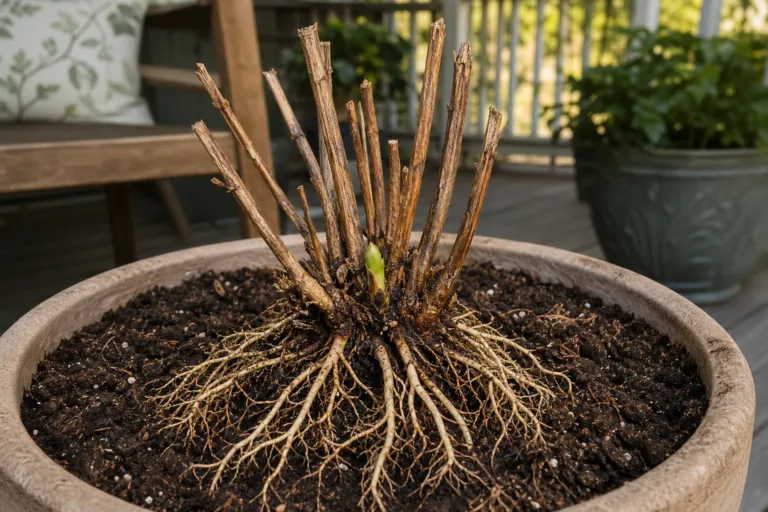
Recovery is not always dramatic. A perennial may lose leaves but push new buds later. A tomato may stop setting fruit for a while and then resume when nighttime temperatures fall. A lawn made from cool-season grass may turn brown and enter dormancy while its crowns remain alive.
For the next week, focus on the basics:
- Check soil moisture at root depth rather than watering by habit.
- Water slowly at the base and watch for runoff.
- Protect vulnerable plants from the strongest afternoon sun.
- Maintain a moderate mulch layer.
- Remove only clearly dead or diseased tissue.
- Inspect for pests and new symptoms as the plant recovers.
- Take photographs so you can compare progress over several days.
Replace a plant only when it is clearly dead, the roots have failed, or recovery is no longer producing healthy new growth. A few scorched leaves do not tell the whole story.
Prepare before the next heatwave
The best response to delayed damage begins before temperatures rise. Group plants with similar water needs, keep containers where you can reach them easily, and install a soaker hose or drip line where practical. Check irrigation coverage with containers at the start of summer rather than discovering dry spots during an emergency.
It also helps to know your garden’s microclimates. The south and west sides of buildings, raised beds, dark containers, balconies, and areas beside asphalt can become much hotter than the rest of the yard. Place heat-sensitive plants where they receive morning sun and some afternoon protection.
Most importantly, do not judge your garden only by its appearance the morning after a heatwave. Plants are living systems that respond in stages. Look closely, measure when you can, and give damaged plants steady care instead of a frantic series of changes. With time and sensible follow-up, many gardens can come back stronger—and your next heatwave plan will be much better informed.