Hydrangeas have earned their place among America’s favorite flowering shrubs. Their big blooms, attractive foliage, and wide range of sizes make them tempting for foundation beds, patios, entryways, and shady corners.
But a hydrangea is not automatically happy just because it is sold as an “easy-care” plant. Put the right variety in the wrong location and you may spend summers watering, winters worrying, and whole seasons wondering why the shrub produces leaves but few flowers.
The good news is that most hydrangea problems begin with site selection, not gardening skill. Before you plant, take a close look at sunlight, drainage, winter exposure, mature size, and the particular hydrangea you want to grow.
1. Avoid a spot with harsh afternoon sun
Many hydrangeas prefer bright, filtered light or morning sun followed by afternoon shade. This is especially important for bigleaf hydrangeas, the familiar mophead and lacecap types often sold under Hydrangea macrophylla.
A location beside a south- or west-facing wall can become much hotter than the surrounding garden. Brick, stone, concrete, and dark siding absorb heat during the day and release it later, increasing stress during the hottest part of summer.
In a too-sunny site, you may notice:
- Leaves wilting repeatedly during the afternoon
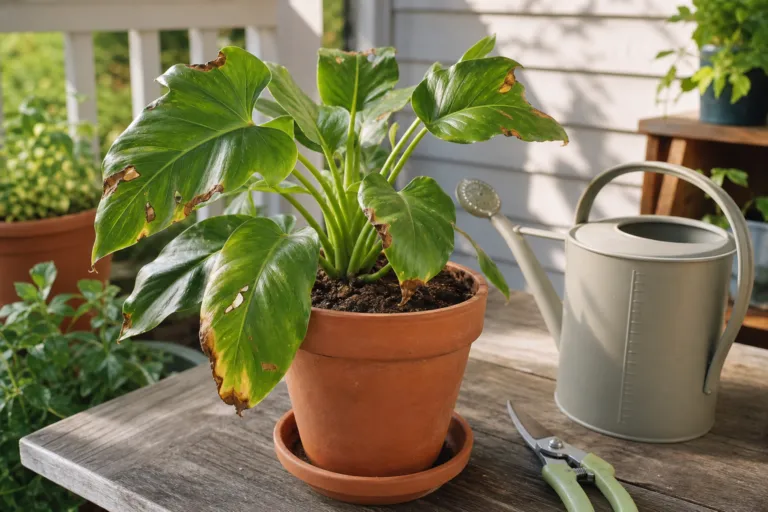
- Brown or crispy edges on leaves
- Flowers fading quickly or turning papery
- Soil drying out soon after watering
- More frequent irrigation than you expected
Some hydrangeas handle more sun than others. Panicle hydrangeas, such as Hydrangea paniculata, generally tolerate and often flower well with more direct sun, provided the soil does not dry out. Even so, “full sun” in a mild northern garden is not the same as full sun in a hot, humid Southern or Southwestern garden.
A simple light test
Before planting, observe the proposed location at 9 a.m., noon, 3 p.m., and 5 p.m. for several days. Record whether the light is direct, filtered through a tree canopy, or shaded by a building. If the site receives strong afternoon sun and reflects heat, choose a more tolerant hydrangea or move the shrub where it gets morning light and afternoon protection.

2. Think twice about a spot that stays wet
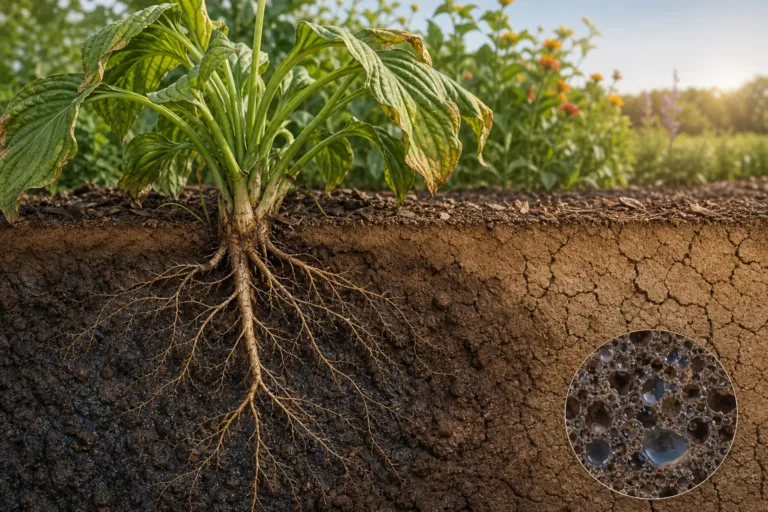
Hydrangeas like consistent moisture, but that does not mean they want permanently soggy soil. A low area where rainwater collects, a poorly drained clay bed, or a planting hole beside a downspout can leave roots short of oxygen.
Wet soil can cause slow growth, yellowing foliage, weak stems, and general decline. It can also create conditions that favor root problems. Adding more water to a struggling plant may make the situation worse.
Before planting, dig a hole about 12 inches deep and wide. Fill it with water, allow it to drain, then fill it again. If the second filling remains for many hours or is still standing the next day, investigate the site before placing a hydrangea there.
Do not solve a drainage problem by digging a small hole in heavy clay and filling it with loose potting soil. That can create a basin where water collects around the root ball. Instead, consider improving drainage across a broader planting area, raising the bed, redirecting runoff, or choosing a different location.
3. Be cautious with extremely dry soil
The opposite problem can be just as frustrating. Hydrangeas are poor choices for locations where the soil dries rapidly and irrigation is difficult, such as:
- Shallow soil over rock
- Exposed slopes
- Areas beneath thirsty mature trees
- Unirrigated beds beside hot pavement
- Sandy soil with very little organic matter
Large trees compete with shrubs for water, especially during dry weather. A hydrangea planted beneath a mature maple, for example, may receive shade but still struggle because the surrounding roots absorb available moisture.
As a practical target, check the soil several inches below the surface rather than judging by appearance alone. During hot weather, a newly planted hydrangea may need roughly 1 to 2 inches of water per week from rainfall and irrigation, with adjustments for soil type, temperature, wind, and plant size. Water slowly and deeply so moisture reaches the root zone instead of running off.
Measure rather than guess
Try this simple watering experiment in a new planting bed. Place a straight-sided container beneath a sprinkler or near the end of a soaker hose and measure how long it takes to collect 1 inch of water. Then check the soil several inches down the following day.
If the surface looks wet but the root zone remains dry, your irrigation may be too fast or uneven. If water remains pooled long after watering, the site may be too wet for a hydrangea. A small rain gauge or inexpensive soil moisture meter can make this assessment much easier.
4. Do not plant without checking mature size
A young hydrangea can look perfectly proportioned in a nursery container. Several years later, the same shrub may be pressing against a walkway, blocking a window, covering a utility connection, or crowding nearby plants.
Mature size varies greatly. Some compact cultivars stay around 3 feet tall and wide, while other hydrangeas can grow 6 feet tall and wide or more. Climbing types need substantial vertical support and can eventually cover a large wall or structure.
Read the plant tag carefully and allow room for the mature width, not just the height. A useful rule is to leave enough space for the shrub to reach its expected size without regular shearing. Hydrangeas usually look better when they can develop their natural form.
Avoid planting directly over or immediately beside:
- Utility access points
- Air-conditioning equipment
- Narrow foundation ledges
- Frequently used paths
- Small windows you want to keep clear
- Other shrubs that will compete for the same space
5. Do not assume every hydrangea blooms in the same way
One of the most common hydrangea disappointments is a healthy-looking shrub with no flowers. The cause may be poor pruning, winter damage, unsuitable light, or simply choosing a type that does not match your climate and expectations.
Bigleaf hydrangeas often form flower buds on older stems. If you cut those stems back in late fall, winter, or early spring, you may remove the buds that would have produced the season’s flowers. Some newer cultivars can flower on both old and new growth, but you still need to confirm the behavior of the specific variety.
Smooth hydrangeas, including many ‘Annabelle’-type cultivars, flower on new growth. Panicle hydrangeas also flower on new growth and are generally more forgiving if winter damages older stems. Oakleaf hydrangeas combine showy flowers with attractive fall foliage, but they too can lose flower buds if pruned at the wrong time.
Compare varieties before you choose a site
- Bigleaf hydrangea: Best in filtered light or partial shade; often more vulnerable to winter bud loss and afternoon heat.
- Smooth hydrangea: Often adaptable and flowers on new growth; can become broad and may need support.
- Panicle hydrangea: Usually more sun-tolerant; useful for brighter locations if moisture is adequate.
- Oakleaf hydrangea: Valued for bold foliage and fall color; needs room to mature and benefits from protection in colder areas.
- Climbing hydrangea: Requires a strong structure and enough vertical space; not suitable for a tiny bed or temporary trellis.
In other words, do not choose the location first and the plant second. Choose a hydrangea whose needs match the location you actually have.

6. Be realistic about winter exposure
The USDA Plant Hardiness Zone Map can help you estimate whether a perennial shrub is likely to survive average winter lows in your area. It is a useful starting point, but it does not account for every microclimate in your yard or every sudden temperature change.
A site exposed to winter wind, reflected cold from open pavement, or repeated freeze-and-thaw cycles can be harder on hydrangeas than a sheltered location only a few yards away. Bigleaf hydrangeas are particularly prone to losing flower buds after severe cold or a late spring freeze.
Try to avoid planting a tender hydrangea:
- On the windward side of an exposed property
- Beside a driveway where snow and ice are piled
- In a low pocket where cold air settles
- Against a warm wall that encourages early spring growth
- In a location with no protection from drying winter winds
A protected east- or north-facing position may help delay premature spring growth in some climates. In colder regions, choose a reliably hardy species or cultivar rather than hoping a marginal plant will survive every winter.
7. Avoid planting where salt and traffic are constant problems
Roadside beds and driveways can expose plants to deicing salt, snowplow damage, compacted soil, and repeated splashing from passing vehicles. Hydrangeas may tolerate some exposure, but a highly salted, heavily trafficked location is rarely ideal for a lush, long-lived shrub.
Likewise, a hydrangea beside a busy walkway may suffer broken stems from people brushing past it. Large flower heads can also flop into paths after rain, creating a maintenance issue even when the plant itself is healthy.
If the location is unavoidable, place the shrub farther back from pavement, improve the soil before planting, and select a compact variety. A low fence or other simple barrier can also reduce accidental damage.
8. Do not plant where deer are regular visitors
Hydrangeas are not reliably deer-proof. In some neighborhoods, deer may browse the leaves, flower buds, or tender stems, especially when other food is scarce.
If deer frequently pass through your yard, avoid making a hydrangea the centerpiece of an unprotected front border. You can instead place it inside a fenced garden, near the house, or in an area where browsing pressure is lower. Ask local gardeners which plants are routinely damaged in your area, because deer preferences vary by region and season.
Can you improve a less-than-perfect location?
Sometimes you can. A thick layer of organic mulch can slow moisture loss and moderate soil temperature, but keep mulch a few inches away from the stems. Drip irrigation or a soaker hose can help in a dry bed, while a shade structure or nearby companion planting may reduce afternoon stress.
However, improvements have limits. Mulch will not correct a permanently flooded planting hole, and irrigation will not make an exposed, heat-reflective site behave like a cool woodland edge. If the basic conditions are wrong, moving the plant is often kinder and easier than trying to force it to cope.
A better way to choose your planting spot
Before you buy, spend one week evaluating the site. Keep a short note on sunlight, soil moisture, wind, and nearby competition. If possible, compare two or three locations rather than committing to the first empty space.
- Check the mature size on the plant tag.
- Measure direct sun in the morning and afternoon.
- Test how quickly water drains.
- Look for tree roots and competing plants.
- Consider winter wind, salt, deer, and foot traffic.
- Match the hydrangea species to the site instead of relying on flower color alone.
That small investigation can prevent years of weak flowering and unnecessary maintenance.
The bottom line
You might not want to plant a hydrangea in a location that is blazing hot, permanently wet, bone-dry, cramped, exposed to winter damage, or frequently visited by deer. You also may want to reconsider any spot where you cannot identify the plant’s mature size or pruning requirements.
Hydrangeas are not difficult when their needs match the setting. Choose the variety first, study your yard honestly, and give the plant room to grow. With the right placement, your hydrangea can become a dependable focal point instead of a season-long rescue project.