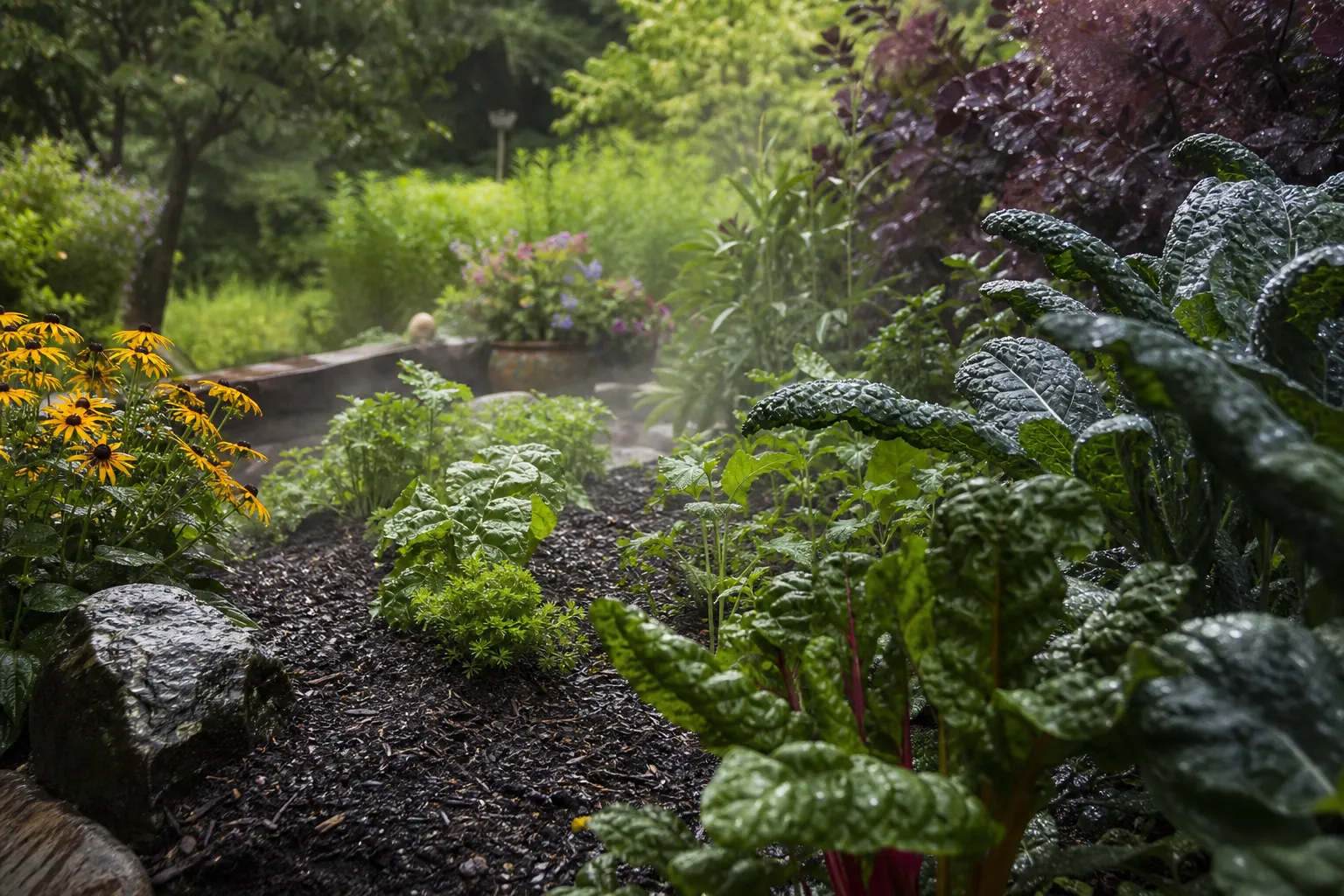
That first earthy breath after a summer shower is one of gardening’s small pleasures. The scent rises from flower beds, vegetable rows, lawns, and woodland paths, making the whole garden seem suddenly more alive. But why does soil smell so different after rain—and can that scent tell you anything useful about your plants?
Often, the answer is encouraging. A fresh, earthy aroma usually reflects moisture, organic matter, and active soil microorganisms. In other cases, though, an unpleasant smell can point to compacted soil, standing water, or decaying material without enough oxygen. Learning to tell the difference helps you respond before stressed roots show obvious symptoms.
The familiar “earthy” smell comes from living soil
The classic after-rain scent is strongly associated with geosmin, a natural compound produced by certain soil microorganisms. The name literally relates to the smell of earth, and people can detect it at extremely low concentrations.
One important group involved is the actinomycetes. These organisms are bacteria, although some grow in threadlike forms that resemble fungi. They help break down dead leaves and other organic material, especially later in the decomposition process. Their activity contributes to the recognizable smell of freshly turned or rain-moistened soil.
Geosmin is only one part of the story. Moisture also releases and carries other volatile compounds from mulch, roots, leaf litter, compost, and the soil surface. Rain can lift these aromas into the air, while humid conditions help them linger close to the ground.
Why the scent becomes stronger after a shower
Dry soil holds many odor-producing compounds close to its particles. When raindrops strike the surface, they disturb that thin layer and create tiny air bubbles. Those bubbles can carry aromatic compounds upward, where your nose detects them.
Rain also changes the physical condition of the soil. Water moves through pores, wets dried organic matter, and reactivates microbial communities that slow down during dry periods. The result is a temporary burst of noticeable scent—not necessarily a sudden explosion in microbial population, but a change in moisture, air movement, and chemical release.
The effect is usually strongest after a dry spell followed by steady rain. A light shower may awaken the smell without saturating the bed, while a heavy storm can produce additional odors from runoff, mulch, and waterlogged pockets.
What a pleasant earthy odor may tell you about your garden
A clean, earthy smell is not a complete soil test, but it can be a useful observation. It often suggests that your soil contains decomposing organic material and a functioning community of microorganisms. These organisms participate in nutrient cycling and help transform plant residues into forms that contribute to soil structure and fertility.
Healthy soil is more than a dark color or pleasant smell. You also want a crumbly structure, visible roots, earthworms or other small soil life, and enough open pore space for both water and air. Roots need moisture, but they also need oxygen. A garden bed that remains saturated for too long can smell different even when it contains plenty of organic matter.
- Fresh and earthy: commonly associated with moist soil and microbial activity.
- Faintly woody or leafy: often linked with mulch, leaf litter, or decomposing plant material.
- Sharp ammonia-like: may indicate immature compost, concentrated organic waste, or poor aeration.
- Rotten-egg or sulfur-like: a warning sign for oxygen-poor, waterlogged conditions.
- Sewage-like or unusually chemical: investigate the source rather than assuming it is normal soil scent.
When the smell is a warning for plant roots
Rain itself does not damage most garden plants. The problem begins when water displaces air from soil pores and cannot drain away. In saturated or compacted soil, oxygen becomes limited. Different microorganisms become more active, and some can produce sulfur-smelling compounds.
A rotten-egg odor deserves attention, particularly if it comes from a low spot, a container, a raised bed with poor drainage, or an area that stays wet for several days. It can accompany yellowing leaves, slow growth, wilting despite wet soil, root decline, and a general lack of vigor.
Not every sulfur smell means a serious plant emergency. Organic fertilizers, manure, wet mulch, drains, and nearby surface water can all contribute odors. Still, the combination of a bad smell and persistently wet soil is a practical reason to inspect drainage.
Use the “dig and look” test
Choose a spot where plants are struggling and dig a small hole about 8 to 12 inches deep. Do this when the bed is moist but not during the heaviest part of a storm. Examine the soil and roots for the following:
- Does water collect in the hole or drain slowly?
- Does the soil smear into a dense, sticky mass rather than breaking into crumbs?
- Are roots white or tan and firm, or brown, black, and soft?
- Does the odor become stronger several inches below the surface?
- Is the problem limited to one low area or spread across the entire bed?
Replace the soil carefully when you finish. If the site stays wet, consider moving plants that prefer dry conditions and choosing moisture-tolerant species for the lowest areas.
Soil texture changes the way rain smells and behaves
Two gardens can receive the same storm and respond very differently. Sandy soils usually drain quickly and regain air space sooner. Clay soils contain much smaller particles and can hold water tightly, especially when compacted. Loam, with a balanced mixture of sand, silt, clay, and organic matter, often provides a useful middle ground—but even loam can become saturated in a low-lying or heavily trafficked site.
Watch the garden after rainfall and note how long the surface remains glossy or muddy. A bed that drains within a day may simply be holding useful moisture. A bed that remains puddled or squishy for several days needs a closer look.
A simple drainage observation
After a soaking rain, mark the time and check the bed at regular intervals. Record whether puddles are present, whether the top inch feels sticky, and whether water remains in any planting hole. Repeating the observation after two or three storms gives you more useful information than judging the soil from one unusual downpour.
For a more controlled home experiment, make two small test areas: one under a thick layer of mulch and one uncovered. Use the same soil type and keep both areas away from downspouts. After a rainfall of roughly 1 inch, compare the smell, surface moisture, and drying time over the next 24 to 48 hours. The mulch-covered area may retain moisture longer and release a richer organic scent, while the uncovered area may dry and warm more quickly.
Do different plants prefer different “rain smells”?
Plants do not choose a garden based on scent, but their roots respond strongly to the conditions that produce different odors. Moisture-loving plants may perform well in soil that stays evenly damp, while Mediterranean herbs, many succulents, and drought-adapted perennials generally need faster drainage and more air around their roots.
Try comparing plant groups rather than assuming every bed should behave the same way. For example, place basil and parsley in separate containers with the same potting mix, but give the parsley container slightly more consistent moisture. In a sunny bed, compare a drought-tolerant plant such as lavender with a moisture-loving ornamental such as cardinal flower only where their light and soil requirements are appropriate. The goal is not to force unlike plants into identical conditions; it is to observe how plant choice and drainage work together.
Keep notes on leaf color, new growth, soil moisture, and the smell after watering or rain. Over several weeks, you may find that one variety stays healthy in a damp corner while another declines, even though both receive the same rainfall.
How much water does your garden really receive?
Rain can make it difficult to judge how much supplemental irrigation plants need. Instead of watering by habit, measure rainfall with a rain gauge or a straight-sided container placed in an open area away from roofs and trees.
As a practical trial, record the rainfall after each storm and compare it with your soil-moisture checks. A 1-inch rain event may provide substantial moisture, but the amount that reaches plant roots depends on soil texture, slope, mulch, plant canopy, and how evenly the rain falls. A short, intense storm may run off compacted soil, while a slower rain may soak in more effectively.
A 7-day watering log
- Write down the date and measured rainfall.
- Check the top 2 to 3 inches of soil before adding irrigation.
- Record whether the soil feels dry, slightly moist, or wet.
- Note plant symptoms such as wilting, yellowing, or fresh growth.
- Record how long any puddles remain after rain.
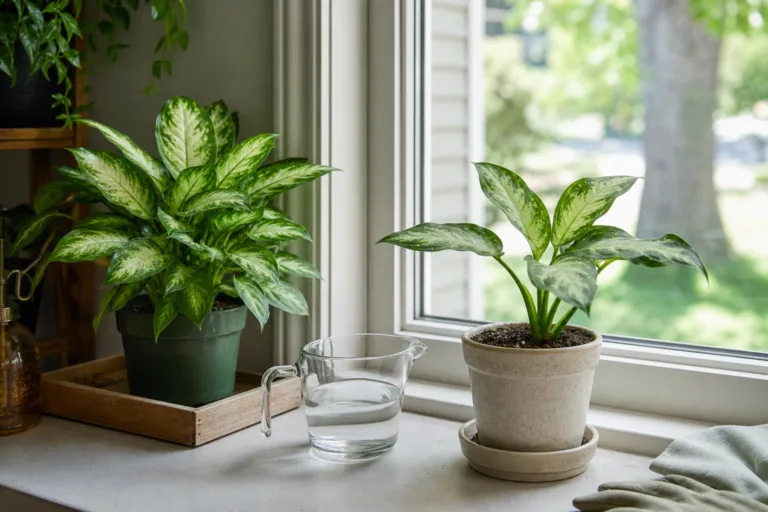
For containers, measure irrigation with a kitchen measuring cup or a marked watering can. A useful starting comparison is 2 cups of water for one container and 4 cups for another, followed by a check of drainage and plant response. This is an experiment, not a universal prescription: pot size, plant type, temperature, and potting mix all change the result.
Ways to improve soil after you identify the problem
If the soil smells healthy but dries too quickly, add organic matter gradually and protect the surface with mulch. Finished compost can improve the structure of many garden soils, but it should not be treated as a cure-all or piled against plant stems. Mix amendments into the root zone when appropriate, and avoid repeatedly digging wet soil, which can create clods and compaction.
If the soil smells sour or sulfurous and remains wet, focus first on water movement:
- Redirect downspouts away from planting beds.
- Keep foot traffic off wet soil.
- Loosen compacted surface areas only when the soil is workable.
- Use raised beds or mounded rows where appropriate.
- Choose plants suited to the site’s moisture level.
- Remove containers from saucers that hold water for long periods.
- Do not bury fresh manure or unfinished compost around living plants.
Be cautious about adding large quantities of sand to clay soil. Without a carefully planned blend, it can make the texture worse. A soil test can help you understand pH and nutrient conditions, while a drainage observation tells you how water behaves—two different pieces of information that work best together.
Let your nose start the investigation
The earthy smell after rain is one of the garden’s most approachable clues. When it smells fresh, it often reflects moisture meeting organic matter and the quiet work of soil life. When it smells rotten, sour, or sharply chemical, pair your nose with a drainage check, a small excavation, and a few notes about plant performance.
You do not need laboratory equipment to become a better soil observer. Measure rainfall, watch drying time, compare plants, and make one change at a time. With practice, you will learn which scents signal a lively garden bed—and which ones are asking you to improve air, drainage, or plant placement.