When a plant looks cramped, the natural response is to reach for the biggest pot you can find. More room sounds like more roots, more growth and fewer watering chores. Sometimes that is exactly right—especially for thirsty vegetables such as tomatoes. But for many houseplants, herbs and young seedlings, a dramatically larger container can create a different problem: a large volume of damp potting mix surrounding a relatively small root ball.
That soggy mix can leave roots short of oxygen, slow growth and make watering much harder to judge. The goal is not to give your plant the largest possible home. It is to give it the right-sized home, filled with an appropriate mix and matched to the plant’s growth rate, variety and growing conditions.
The pot is a root environment, not just a larger address
A container controls nearly everything below the soil surface. It determines how much water the mix can hold, how quickly it dries, how much support the plant receives and how often nutrients leave through the drainage holes.
Roots need both water and air. Water supplies moisture for plant functions, but the air spaces in a well-structured potting mix supply oxygen. When the mix remains saturated for too long, those air spaces fill with water. Roots may then function poorly, and damaged roots cannot take up water efficiently—even when the pot is full of it.
This is why a plant in an oversized pot can sometimes look wilted despite wet soil. The problem may not be a lack of water; it may be that the roots are stressed and unable to use the moisture around them.
Why oversized pots stay wet
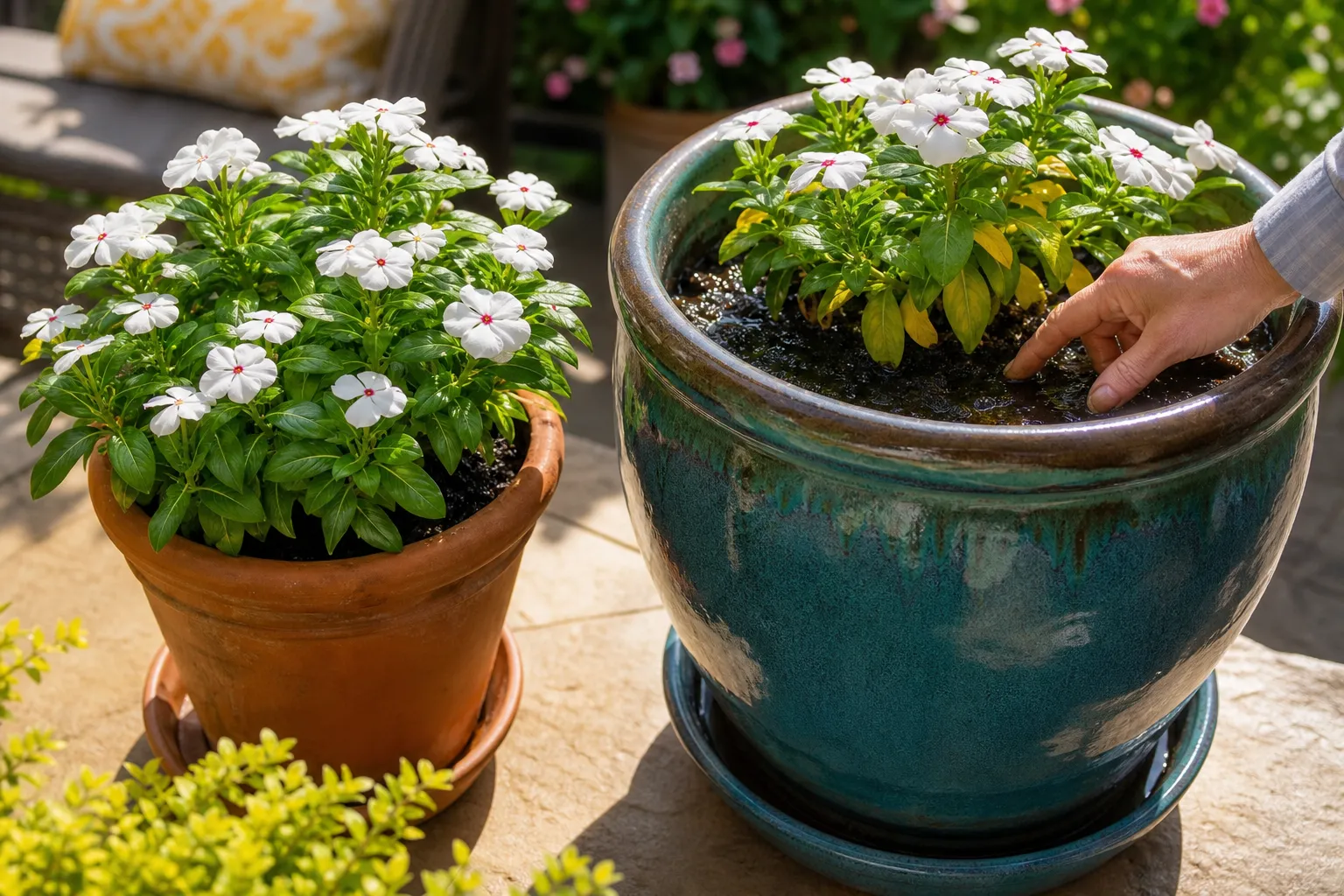
A small plant uses water through its leaves and roots, but a large container may hold far more potting mix than that plant can dry out. In a small pot, the root ball occupies much of the container and actively removes moisture. In a much larger pot, the unused mix can remain damp for days.
Several factors make this worse:
- Cool, low-light conditions: Plants use less water when growth slows in winter or when they receive limited light.
- Dense or unsuitable mix: Garden soil is usually too heavy for containers and may drain poorly.
- Plastic or glazed pots: These lose less moisture through their sides than porous unglazed clay pots.
- Deep containers: A tall column of wet mix can be especially slow to dry near the bottom.
- Water-catching saucers: If water remains in the saucer, the mix can stay saturated after every watering.
Drainage holes matter, but they do not magically make an oversized pot safe. A hole allows excess water to leave; it does not guarantee that the entire container will dry at a healthy rate.
The practical rule: size up gradually
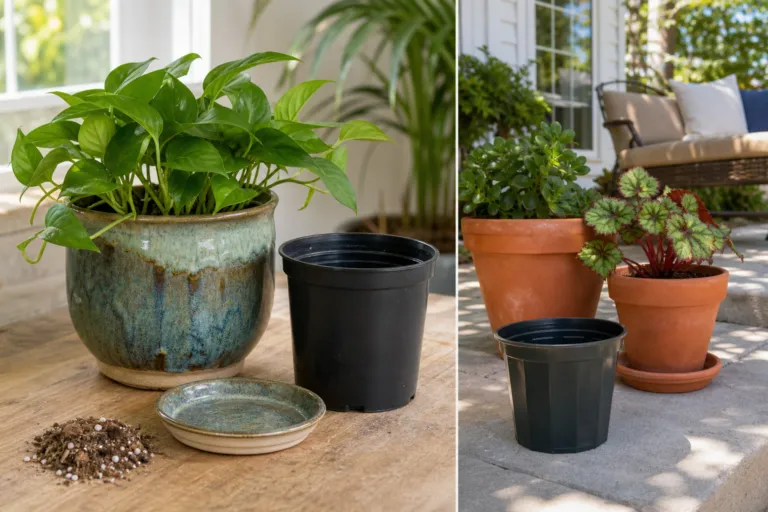
For most houseplants, move up only one pot size at a time. A useful beginner guideline is to choose a new container about 2 to 3 inches wider in diameter than the current one. The new pot should have room for fresh mix around the root ball, but it should not look like a bucket with a plant placed in the middle.
For example, if your plant is in a 6-inch pot, an 8- or 9-inch container is usually a more sensible next step than a 14-inch container. If the root ball is already very dense and dry, a modest increase still gives the roots space to expand while keeping moisture management predictable.
There are exceptions. Large, fast-growing plants, outdoor vegetables and plants that become top-heavy may need a substantially larger container. Even then, choose size based on the plant’s mature dimensions and water demand—not simply on the idea that more soil is always better.
Match the container to the plant
Different plants need different amounts of root space. A compact herb and a vigorous tomato should not be judged by the same pot-size rule.
Houseplants
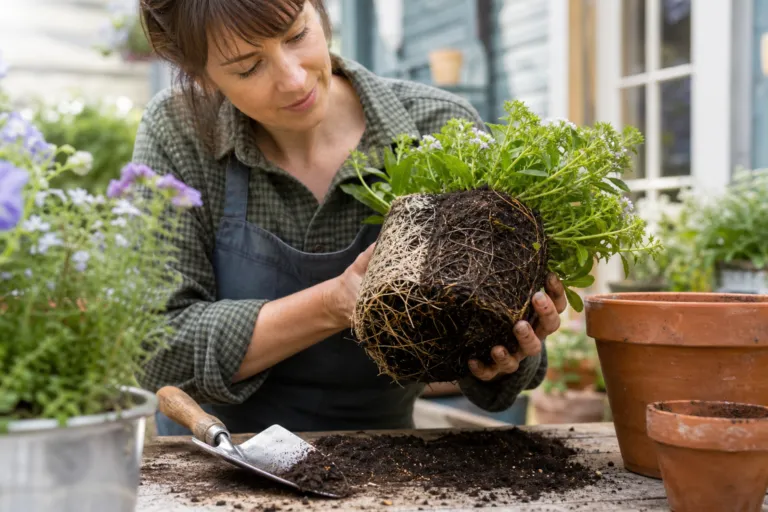
Many common houseplants prefer a fairly snug root zone. Repot when roots circle densely around the root ball, grow from the drainage holes, water runs through unusually quickly or growth slows during the active season. Sometimes the plant needs fresh mix without a larger pot at all.
Slow-growing plants may remain in the same container for years if the mix still drains well and the roots have not become severely crowded. Repotting by habit can create more problems than leaving a healthy plant undisturbed.
Herbs and leafy greens
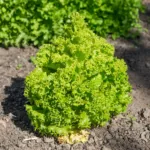
Basil, parsley, cilantro and lettuce generally do well in containers that are wide enough for their root systems and stable enough for regular harvesting. A huge pot may be unnecessary for a small kitchen herb, particularly if the container sits in a cool or partly shaded location.
Mint is vigorous and spreads readily, so a dedicated container is often a better choice than placing it with slower herbs. Thyme and oregano tolerate somewhat drier conditions than basil, which means the same large pot and watering schedule may not suit both.
Vegetables
Outdoor vegetables often benefit from larger containers because more mix provides better moisture stability, root insulation and support. As a general comparison, one tomato plant commonly needs a container around 20 inches wide, while peppers and eggplants can often perform well in containers around 14 inches wide, depending on the variety and growing conditions.
Look for labels such as “bush,” “patio,” “compact” or “determinate” when choosing vegetables for pots. A compact cherry tomato may be easier to manage than a vigorous indeterminate variety, even if both produce delicious fruit.
Variety matters more than many gardeners expect
Two plants from the same species can have very different container needs. A dwarf pepper may remain productive in a relatively modest pot, while a large ornamental pepper with a broad canopy may need more root space and a heavier container to prevent tipping.
Tomatoes provide an especially useful comparison:
- Compact patio or determinate types: Often easier to support and suitable for smaller outdoor containers.
- Indeterminate types: Continue producing stems and fruit over a longer season and usually need more root space, water and structural support.
- Cherry tomatoes: Can be vigorous despite their small fruit, so do not assume “cherry” automatically means “small plant.”
Read the seed packet or plant tag for mature height, spread and support requirements. The plant’s eventual size—not its size at the garden center—is the better guide.
A simple pot-size experiment you can try
If you enjoy testing rather than guessing, compare two similar plants during one growing season. Use the same variety, potting mix, light exposure and fertilizer. Place one plant in a correctly sized container and the other in a pot that is several inches wider.
Keep a small record for three to four weeks:
- Date and amount of water added
- Weather and approximate hours of direct sun
- Whether the mix felt dry, slightly moist or wet about 2 inches below the surface
- New leaf growth and signs of wilting
- Whether water drained freely from the bottom
Do not treat the result as a universal rule. The experiment shows how your specific mix, container material, light and climate interact. In a hot, sunny Arizona patio, the larger pot may reduce watering stress. In a cool, shaded apartment, it may stay wet much longer.
Measure watering instead of following a rigid schedule
There is no reliable watering calendar that works for every pot. A 10-inch plastic pot in full summer sun may need water far more often than a 10-inch glazed pot indoors.
Try a simple measurement test. Weigh an empty container of the same size and material, then weigh it after watering thoroughly and allowing excess water to drain. The difference represents the approximate amount of water held by the potting mix. One pound of water is roughly equal to 16 fluid ounces, or about 2 cups.
For a practical example, if a container weighs 8 pounds after draining and 6.5 pounds when dry enough to water, it holds about 1.5 pounds of usable moisture at that point—roughly 24 fluid ounces, or 3 cups. Record how long the pot takes to reach that dry point in your growing conditions. This gives you a personal reference instead of relying on a generic instruction such as “water twice a week.”
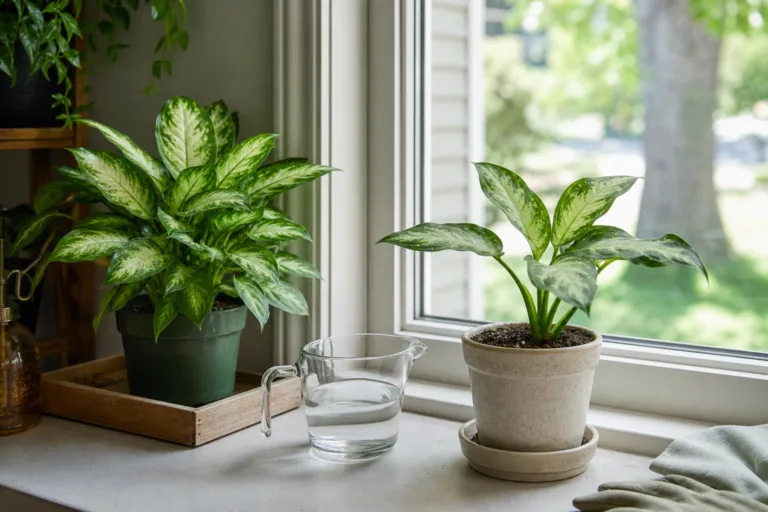
For everyday care, push a finger about one-third of the way into the mix. If it feels dry at that depth, water slowly and thoroughly. Apply enough to moisten the root zone, then allow excess to drain freely. Empty the saucer rather than letting the pot sit in standing water.
Choose the right potting mix
Even a well-sized container can fail if the mix is too dense. Use a commercial potting mix formulated for containers rather than soil dug from the yard. Container mixes commonly combine materials such as peat or coconut coir, composted bark, perlite and vermiculite to balance water retention, air space and drainage.
A mix that dries out instantly may need more moisture-holding capacity. A mix that stays wet for a week may be too dense for the plant or too large for its root system. Avoid trying to fix poor drainage by placing a layer of gravel in the bottom; this does not create a useful drainage zone and can leave the main root area wetter.
When a larger pot really is the right answer
A bigger container can make a dramatic improvement when the plant has genuinely outgrown its current home. Look for several signs together rather than relying on one clue:
- Roots form a dense circle around the outside of the root ball.
- Roots emerge from the drainage holes.
- The plant dries out unusually fast even in moderate weather.
- Growth has slowed during the growing season.
- The plant becomes unstable or top-heavy.
- Water runs down the sides instead of soaking into the root ball.
When you repot, loosen tightly circling roots gently, use fresh container mix and keep the top of the root ball at approximately its original level. Do not bury the stem or crown deeper than it was growing before.
Think beyond diameter
Pot shape matters, too. A broad, shallow container may suit herbs, annual flowers and plants with spreading roots. A deeper pot can help crops such as carrots or plants that need extra anchorage. Tall containers may also hold more moisture near the bottom, so they require careful monitoring.
Material affects care. Unglazed clay tends to dry faster, which can help plants that dislike consistently wet mix but may increase watering in hot weather. Plastic and glazed ceramic hold moisture longer. Dark containers can heat up in strong sun, potentially stressing roots, while heavy materials provide better stability for tall plants.
The happier-plant checklist
Before you repot, pause and ask:
- Does the plant actually show signs of being root-bound?
- Will the new pot have a drainage hole?
- Is the container only modestly larger, unless the plant truly needs a major upgrade?
- Does the potting mix drain while still holding some moisture?
- Does the plant’s variety have compact or vigorous growth?
- Will the container sit in full sun, shade, wind or a heated indoor location?
- Can you lift the pot safely after watering?
That last question is practical as well as personal. A container that is too heavy to move, inspect or water properly can become a maintenance problem.
Give your plant enough—not everything
The best container is not the biggest one. It is the one that gives roots enough room to grow while allowing the mix to cycle between moist and slightly drier conditions. Good drainage, suitable mix, adequate light and careful observation matter just as much as diameter.
So before you upgrade to an enormous pot, check the roots, consider the plant’s variety and measure how quickly the mix dries. A thoughtful, gradual change will usually serve your plant better than a giant leap. Start with the container that fits today’s root ball, then let healthy growth tell you when it is time to go bigger.