
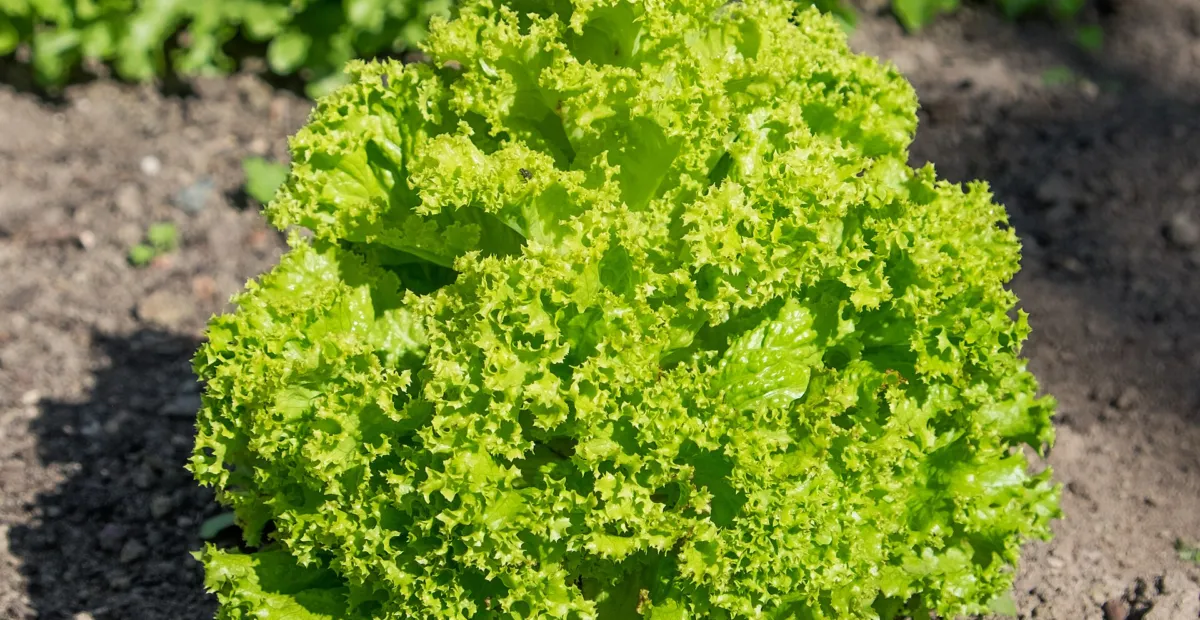
 Source:
 Lettuce (Lactuca sativa) short overview
Lettuce is a versatile cool-season annual grown for its crisp or tender leaves, with forms ranging from loose-leaf and butterhead to romaine and heading types. It grows best in fertile, moisture-retentive but well-drained soil and bright light, especially during spring and fall. Sow small batches every couple of weeks for successive harvests, and provide afternoon shade in hot regions to delay bolting, bitterness, and premature flowering.
Taxonomic classification
Lettuce (Lactuca sativa) care guide
Light and placement
Grow lettuce in full sun during cool weather, ideally with 6 or more hours of light, or use partial shade in hot climates. A site with morning sun and afternoon shade can reduce heat stress. Too little light produces pale, stretched plants and loose growth; excessive heat and intense afternoon exposure can cause wilting, bitterness, tipburn, and bolting.
Watering and humidity
Keep the shallow root zone evenly moist, typically providing about 1 inch of water per week from rain or irrigation, with more frequent watering in sandy soil or hot weather. Water deeply enough to wet the active root zone, preferably in the morning, and use mulch to slow evaporation. Avoid alternating drought with heavy irrigation, which can contribute to tipburn and uneven growth.
Soil and growing medium
Use fertile, loose soil with good organic-matter content and reliable moisture retention. A loam or raised-bed mix works well when it drains freely but does not dry rapidly. Lettuce generally performs best around pH 6.0–6.7; strongly acidic, compacted, or waterlogged soil can restrict roots and increase disease risk.
Feeding
Incorporate finished compost before planting and, if soil fertility is low, apply a balanced vegetable fertilizer according to the product label. Lettuce grows quickly and benefits from adequate nitrogen, but excessive nitrogen can produce soft growth or contribute to poor heading. Do not fertilize drought-stressed, diseased, or heat-bolting plants until conditions improve.
Growth and habit
Lettuce forms a compact basal rosette or head before sending up a flowering stalk. Harvesting outer leaves can extend productivity, while heat, drought, crowding, and plant age accelerate bolting. Succession sowing is more useful than pruning for maintaining a continuous crop.
Planting and repotting
Sow outdoors as soon as the soil is workable in spring, or start transplants indoors about 6–8 weeks before the intended spring planting. For fall harvests, sow about 3 months before the expected first frost, adjusting for local climate. Keep the seedbed fine and evenly moist.
Container-grown lettuce is usually harvested before repotting is needed. If transplanting seedlings, move them gently while young, disturbing the shallow root system as little as possible.
Propagation and pruning
Propagation
Propagate from seed. Sow shallowly because the seeds are small; succession sowing every 10–14 days can extend the harvest. Let mature plants bolt and set seed only when seed saving is intended.
Pruning
No structural pruning is required. Harvest individual outer leaves regularly or cut the whole plant just above the soil line. Remove bolting plants when leaf quality declines, unless they are being retained for seed production.
Overwintering
Lettuce is normally grown as an annual crop rather than overwintered. In mild regions, fall plantings may continue through winter. In colder areas, use row covers or low tunnels to protect plants from hard freezes; growth slows or stops in freezing conditions.
Uses
Grow lettuce for fresh salads, sandwiches, wraps, garnishes, and baby-leaf harvests. It is also useful in succession-planted vegetable beds and containers. The crop is primarily grown for leaves; flowers usually signal that harvest quality is declining rather than providing an ornamental display.
Appearance
Before bolting, lettuce has a short basal rosette or head of smooth, crinkled, lobed, frilled, or upright leaves. Cultivars range from pale green and yellow-green to red and bronze. Mature bolting plants produce an erect, branched stalk with small yellow capitula and wind-dispersed fruits bearing a pappus.
Flowering
Lettuce normally flowers only after the edible phase, when heat, long days, age, or drought cause bolting. The branched flowering stalk bears numerous small yellow heads. Each head contains strap-shaped ray florets and opens briefly, usually in the morning, before fading.
Pollination and visitors
Lettuce is predominantly self-pollinating, but its open yellow flower heads can be visited by bees, hoverflies, and other insects, allowing occasional cross-pollination. Animal visitors are relevant mainly when plants are being grown for seed rather than leaf harvest.
Lactuca sativa photos
Click any photo for a larger view. Source, author and license are shown separately.
Diseases and pests
Diseases
Common problems include damping-off, bottom rot, downy mildew, white mold, and aster yellows. Prevent disease with clean seed-starting equipment, good airflow, raised or well-drained beds, careful irrigation, crop rotation, and prompt removal of symptomatic plants. Aster yellows causes stunting and yellowing and is spread by leafhoppers.
Pests
Slugs, snails, cutworms, flea beetles, aphids, and leafminers may damage lettuce. Use clean cultivation, physical barriers, hand removal, row covers over young plants, and targeted controls only when monitoring shows a need. Avoid keeping foliage constantly wet or beds excessively mulched, as damp shelter favors slugs and disease.
Toxicity and pollen
Lettuce is widely eaten as a food crop. North Carolina Extension lists it as having low-severity poison characteristics, so ordinary garden contact is not generally considered hazardous. Avoid consuming contaminated, spoiled, or pesticide-treated leaves, and wash harvested produce thoroughly.
- Typical season
- Late spring through summer when plants bolt
- Pollination / pollen
- Mostly retained for self-pollination; limited insect-mediated transfer
Lettuce pollen is produced when plants bolt and flower, but the crop is predominantly self-pollinating and is not usually treated as a major airborne pollen source. Sensitive individuals should still avoid assuming zero risk around flowering plants, especially where many plants are allowed to bloom.
Native habitat
The cultivated species is associated with the Mediterranean region and surrounding temperate areas and has been domesticated for agricultural production. In cultivation it prefers cool, moderately moist conditions, fertile soils, and seasons without prolonged heat. It is not normally managed as a persistent wild perennial.
Interesting fact
Lactuca sativa is an annual, diploid, predominantly self-pollinating crop. Lettuce has a shallow absorbing root zone even though a longer taproot may develop. The crop includes distinct leaf, butterhead, romaine, and heading forms. Bolting changes the leaves from mild and tender to tougher and more bitter.
Frequently asked questions (FAQ)
The most relevant questions about this plant, with short and direct answers.
🌱Quick care
What is lettuce?⌄
Lettuce is the cool-season annual vegetable Lactuca sativa in the Asteraceae family. It is grown primarily for its edible leaves, which may form loose rosettes, crisp heads, butterhead heads, or romaine-type heads.
How much sun does lettuce need?⌄
Lettuce grows best in full sun to partial shade, receiving about 4–8 hours of light daily. In hot weather, afternoon shade can help reduce bitterness, wilting, and premature bolting.
How often should you water lettuce?⌄
Water lettuce regularly to keep the soil evenly moist but not waterlogged. Its shallow roots are sensitive to drought, so about 1 inch of water per week is a useful starting point, with more frequent watering in sandy soil or hot weather.
Is lettuce frost tolerant?⌄
Lettuce tolerates light frost and can often be grown in early spring or fall. Protect young plants with row cover or another light covering when a hard freeze or unusually cold weather is expected.
🌤️Environment and placement
What temperature is best for growing lettuce?⌄
Lettuce grows best in cool conditions, generally around 50–68°F during active growth. Sustained heat, especially temperatures above about 75°F, can slow growth, increase bitterness, and trigger flowering.
Can lettuce grow in partial shade?⌄
Yes, lettuce can grow in partial shade, particularly during summer. Shade may produce slower growth than full sun, but it can keep the leaves more tender by lowering heat stress and reducing the risk of bolting.
What type of soil is best for lettuce?⌄
Use fertile, moisture-retentive, well-drained loam enriched with organic matter. The soil should hold consistent moisture while allowing excess water to drain, because both drought and waterlogged roots can reduce plant quality.
Can lettuce grow in containers?⌄
Yes, lettuce grows well in containers filled with fertile, well-drained potting mix. Choose a container at least 12 inches wide, provide drainage holes, and monitor moisture closely because containers dry out faster than garden soil.
Can lettuce be grown indoors?⌄
Yes, lettuce can be grown indoors in a bright window or under a timer-controlled grow light. Indoor plants need consistent moisture, good air circulation, and enough light to prevent weak, stretched growth.
💧Care and problems
Why is my lettuce bitter?⌄
Lettuce commonly becomes bitter because of heat, drought, age, or bolting. Harvest promptly, maintain even soil moisture, and provide afternoon shade or choose heat-tolerant varieties when growing during warm weather.
Why is my lettuce bolting?⌄
Lettuce bolts when it shifts from leaf growth to flowering, commonly because of heat, long days, drought, crowding, or other stress. Harvest before bolting, keep plants evenly watered, provide shade during hot weather, and select bolt-resistant varieties.
What should you do when lettuce starts flowering?⌄
Harvest lettuce promptly when a central flower stalk appears, because the leaves usually become noticeably more bitter after bolting. You may leave the plant to flower for pollinators or seed, but it is unlikely to remain a high-quality salad crop.
Why do lettuce leaves have brown edges?⌄
Brown leaf edges, often called tipburn, usually result from irregular moisture, heat, rapid growth, root stress, or excess nitrogen rather than a simple lack of soil calcium. Keep the soil evenly moist and avoid heavy fertilization or root damage.
Why is my lettuce not forming a head?⌄
Lettuce may fail to form a head because of the variety, excessive spacing, overcrowding, heat, water stress, or inadequate growth before maturity. Loose-leaf types naturally form open rosettes, while head-forming varieties need suitable cool conditions and enough time.
What pests commonly attack lettuce?⌄
Common lettuce pests include slugs, snails, cutworms, flea beetles, aphids, and leafhoppers. Inspect plants regularly, remove debris that shelters pests, protect young seedlings, and use controls appropriate for edible crops.
What diseases affect lettuce?⌄
Lettuce can be affected by damping-off, downy mildew, bottom rot, and aster yellows. Reduce risk with good drainage, adequate spacing, clean growing conditions, careful watering, and prompt removal of severely affected plants.
How do you harvest lettuce so it keeps growing?⌄
For loose-leaf lettuce, harvest the outer leaves first or cut the plant above the crown while leaving a short stem. In favorable cool weather, the remaining crown may produce another flush of leaves, although regrowth is not guaranteed.
When should you harvest lettuce?⌄
Harvest lettuce when the leaves or heads reach a useful size and before the plant bolts. Pick in the cool morning for crispness, and harvest baby leaves earlier if you prefer a tender texture.
🪴Planting and repotting
When should you plant lettuce in the United States?⌄
Plant lettuce in early spring as soon as the soil is workable, then sow additional crops in late summer for fall harvest. Exact timing depends on local frost dates and summer temperatures, because lettuce performs best before or after the hottest part of the season.
How deep should lettuce seeds be planted?⌄
Plant lettuce seeds about ¼–½ inch deep in finely prepared, moist soil. Seeds germinate best in cool conditions, while temperatures above roughly 80°F can reduce or delay germination.
How far apart should lettuce plants be spaced?⌄
Space leaf lettuce about 5 inches apart for baby leaves or 10–12 inches apart for full-size plants. Head and romaine types commonly need about 8–12 inches between plants, depending on the variety and desired harvest size.
Can you transplant lettuce seedlings?⌄
Yes, lettuce can be transplanted when seedlings are sturdy and have several true leaves. Harden seedlings for a few days first, and transplant carefully because root disturbance, chilling, or water stress can increase bolting risk.
How can you grow lettuce continuously through the season?⌄
Use succession planting by sowing a small amount of seed every 1–3 weeks during suitable weather. This provides a steady supply of young leaves and prevents all plants from maturing or bolting at the same time.
✂️Propagation and pruning
How is lettuce propagated?⌄
Lettuce is propagated primarily by seed. Allow a healthy, non-hybrid plant to bolt and mature seed, then collect the dry seed heads; however, offspring may not reliably match hybrid parent varieties.
Can you regrow lettuce from kitchen scraps?⌄
A lettuce base may produce a small amount of new leaf growth in water or moist soil, but it usually does not regrow into a full replacement head. Growing lettuce from seed is more reliable for sustained harvests.
⚠️Toxicity and safety
Is lettuce toxic to people or pets?⌄
Lettuce has a low toxicity concern and is commonly eaten by people. Wash harvested leaves under running water, refrigerate them promptly, and prevent contamination from soil, manure, animals, or unclean tools.
Can dogs and cats eat lettuce?⌄
Small amounts of plain, washed lettuce are generally considered low risk for dogs and cats, but it should not replace a balanced diet. Avoid lettuce served with dressing, onions, garlic, excessive salt, or other potentially harmful ingredients.
🌸Flowering and special interest
Does lettuce produce flowers?⌄
Yes, lettuce produces a tall flowering stalk when it bolts. The stalk bears small, typically yellow flower heads, after which the plant can develop seeds, although the leaves commonly become bitter and less desirable to eat.
Similar plants
 Celtuce (Lactuca sativa Angustana Group) care guideLactuca sativa Angustana Group
  Romaine lettuce (Lactuca sativa Longifolia Group) care guideLactuca sativa Longifolia Group
  Lactuca sativa Capitata Group care guideLactuca sativa Capitata Group
  Leaf lettuce (Lactuca sativa Crispa Group) care guideLactuca sativa Crispa Group