
Lettuce Downy Mildew
Bremia lactucae RegelLettuce Downy Mildew overview
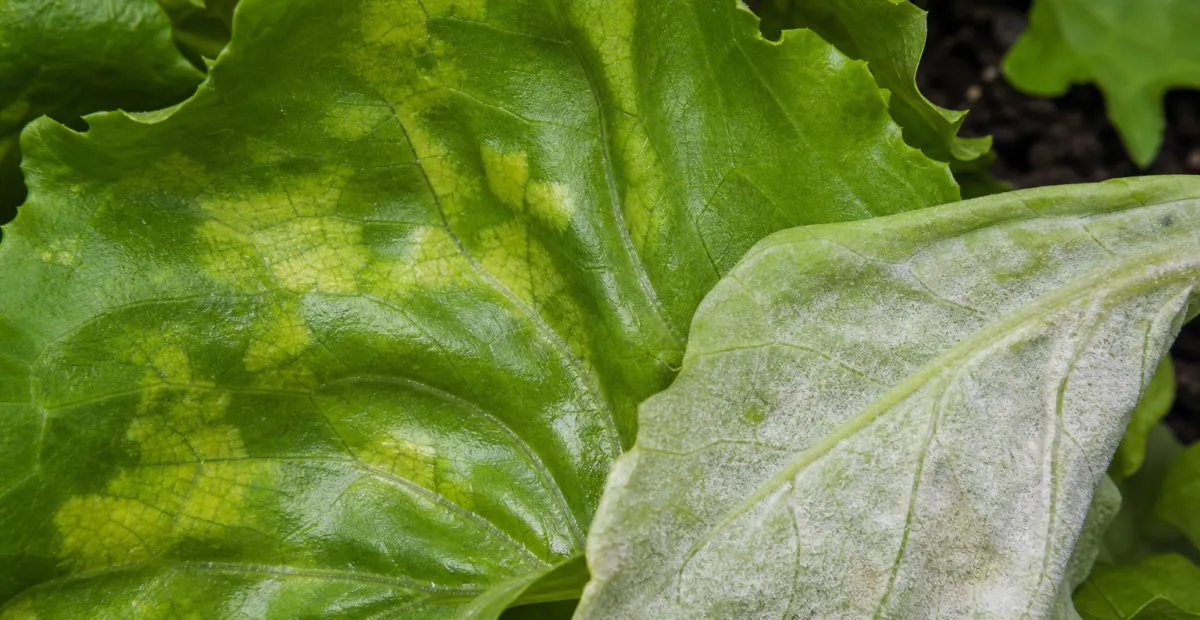
Lettuce downy mildew is a cool-weather foliar disease caused by the obligate oomycete Bremia lactucae. It produces pale green to yellow angular lesions on the upper leaf surface and white, downy sporulation beneath them. Disease spreads rapidly when leaves remain wet, especially in dense plantings, cool humid weather, poorly ventilated greenhouses, and infected transplants.
Typical conditions
Overview
Lettuce downy mildew is caused by Bremia lactucae, an obligate oomycete pathogen that requires living host tissue. It is primarily a disease of lettuce (Lactuca sativa) and is most important where cool temperatures, high humidity and prolonged leaf wetness occur.
The disease usually begins on older outer leaves, but any growth stage can be affected. Severe infections may cause extensive necrosis, premature leaf death and unmarketable heads or bunches. Infected greenhouse transplants can introduce the pathogen into field plantings.
Symptoms and identification
Initial symptoms are light green to yellow angular spots on the upper leaf surface, often bounded by veins. As lesions age, they may become tan, brown or dry and papery.
During humid periods, white to grayish, fuzzy sporulation develops primarily on the lower surface of corresponding lesions. Older outer leaves are commonly affected first. Secondary fungi and bacteria may colonize damaged tissue, causing soft rot. Infected cotyledons may lead to seedling death; rarely, systemic infection causes dark discoloration in stem tissue.
Unlike powdery mildew, the conspicuous growth is generally on the leaf underside and is associated with angular, water-related lesions rather than a uniform surface coating.
Causes and spread
Bremia lactucae produces short-lived airborne sporangia during moist periods. Wind and air movement disperse them between plants and fields, while infected nursery stock or greenhouse transplants can carry the disease into new plantings.
Infection requires susceptible living tissue, cool conditions and free moisture or extended leaf wetness. Dense canopies, overhead irrigation, dew, fog, prolonged high humidity and poor greenhouse ventilation increase risk. The pathogen apparently does not persist in soil as a principal survival source, so contaminated soil is less important than infected plant material and airborne inoculum.
Life cycle and persistence
The pathogen is an obligate parasite and cannot be maintained indefinitely without living host tissue. Spores landing on wet lettuce leaves germinate, enter through stomata or sometimes directly through the cuticle, and grow between plant cells while forming haustoria.
After an incubation period, new sporulation emerges through the lower leaf surface. These spores are windborne and initiate repeated secondary infection cycles whenever cool, humid weather and leaf wetness return. The pathogen population contains genetically diverse races or pathotypes, and new virulent or fungicide-insensitive isolates can develop.
Treatment and control
Confirm the diagnosis by inspecting the underside of fresh lesions for white-gray downy growth and, when the crop is valuable or the diagnosis is uncertain, submit a sample to a plant diagnostic laboratory. Remove badly infected leaves or plants when feasible, avoid handling wet foliage, and improve air movement immediately.
Fungicides are most effective preventively or at the earliest stage of disease development; they cannot restore necrotic tissue. In commercial production, use local weather, leaf-wetness or disease-risk information where validated, and rotate products by mode of action to reduce selection for resistance. Protect greenhouse transplants before they are moved outdoors.
Low-impact and biological control
Use resistant or partially resistant lettuce cultivars, clean transplants, good spacing, rapid removal of infected tissue and irrigation practices that keep leaves dry. Favor morning irrigation and ventilation over repeated overhead watering. In organic production, use only inputs permitted under the applicable organic standard and legally registered for the crop and disease in the United States; efficacy of organically acceptable products varies and should not replace sanitation, resistance and canopy management.
Biological products may have preventive value in some production systems, but performance is product- and environment-dependent. Follow the product label and local extension guidance rather than assuming that any microbial or botanical product will cure established infection.
Prevention
- Choose cultivars with current, locally relevant resistance to lettuce downy mildew, while recognizing that resistance may not cover every pathogen race.
- Use inspected, disease-free seedling transplants and reject batches with suspicious leaf lesions or underside sporulation.
- Provide adequate plant spacing and greenhouse ventilation to shorten leaf-wetness periods.
- Use drip or other low-splash irrigation when practical; irrigate early enough for foliage to dry before night.
- Scout lower and older leaves frequently during cool, humid weather, and remove individual infected leaves or severely affected plants promptly.
- Control volunteer lettuce and manage wild Lactuca weeds near production areas when they may serve as local inoculum sources.
- Do not compost visibly diseased lettuce in a small home-garden pile unless reliable hot composting is maintained; remove affected material from the production area.
Interesting facts
- Bremia lactucae is an oomycete, not a true fungus, although it produces fungus-like downy growth and is managed with disease-focused fungicide programs.
- The pathogen is highly variable: lettuce resistance genes can be effective against some races but defeated by newly virulent pathotypes.
- Most economically important infections are associated with Lactuca hosts. Reports from unrelated plants may represent host-specific forms or distinct, closely related Bremia lineages rather than a broad cross-crop threat.
- Leaf-wetness duration is a practical risk indicator because successful infection depends strongly on moisture remaining on the canopy.
Use only fungicide products legally authorized for lettuce and downy mildew in the state and country where the crop is grown. Follow the current label exactly, including crop, disease, rate, preharvest interval, reentry interval, resistance-management instructions and worker-protection requirements. Product registrations and labels change; consult the current US EPA-approved label and applicable state requirements. Do not use an off-label pesticide program.
Affected plants
The plants below are linked to this problem by structured host-plant data. The list updates automatically as new plant profiles are added.
 Lettuce (Lactuca sativa) care guideLactuca sativa
 Celtuce (Lactuca sativa Angustana Group)Lactuca sativa Angustana Group
 Capitata Group (Lactuca sativa Capitata Group)Lactuca sativa Capitata Group
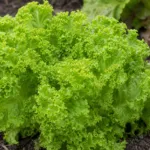 Leaf lettuce (Lactuca sativa Crispa Group)Lactuca sativa Crispa Group
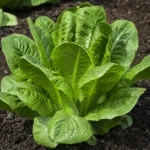 Romaine lettuce (Lactuca sativa Longifolia Group)Lactuca sativa Longifolia Group
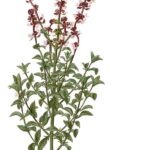 Basil (Ocimum basilicum) care guideOcimum basilicum
 Camphor basil (Ocimum kilimandscharicum) care guideOcimum kilimandscharicum
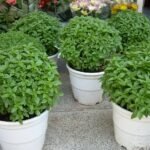 Ocimum basilicum minimum care guideOcimum basilicum minimum
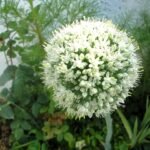 Onion (Allium cepa) care guideAllium cepa
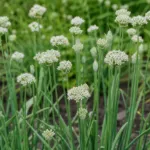 Bunching onion (Allium fistulosum) care guideAllium fistulosum
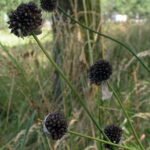 Ornamental onion (Allium) care guideAllium
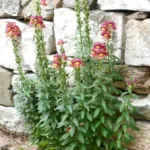 Snapdragons (Antirrhinum majus) care guideAntirrhinum majus