
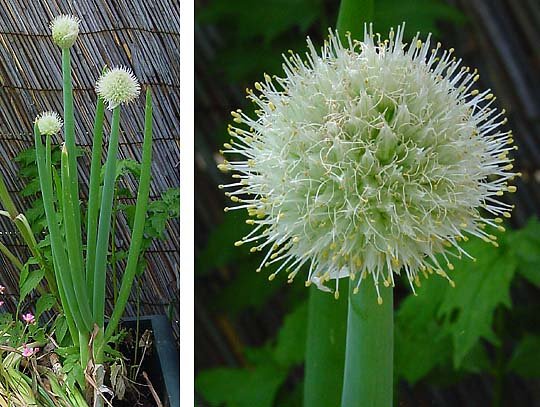
Onion (Allium cepa) short overview
Onion is a cultivated bulb-forming plant grown worldwide as a cool-season vegetable and culinary staple. It develops hollow, tubular green leaves from a short basal stem and forms a swollen bulb whose papery outer layers may be yellow, white, or red, depending on the cultivar. Mature plants can produce a tall hollow flower stalk topped by a rounded cluster of small white to pinkish flowers. Full sun, fertile well-drained soil, steady moisture, and correct day-length adaptation support reliable bulb formation.
Taxonomic classification
Onion (Allium cepa) care guide
Light and placement
Give onions an open site with at least 6–8 hours of direct sun, preferably in a south- or west-facing bed with good air movement. Insufficient light produces weak tops and smaller bulbs, while excessive shade delays or prevents bulbing. Avoid sites shaded by buildings or tall crops during the main spring and summer growth period.
Watering and humidity
Because onion roots are shallow, water slowly and thoroughly whenever the upper soil begins to dry, aiming for about 1 inch per week from rain or irrigation and more often in sandy soil or hot weather. Keep moisture steady during leaf and bulb development, but stop routine watering when bulbs are full-sized and the tops begin to fall so curing can begin. Water the soil rather than wetting foliage late in the day.
Soil and growing medium
Use loose, fertile soil that drains quickly yet holds moderate moisture. Incorporate well-rotted compost before planting, but avoid fresh manure. Compacted clay, standing water, and crusted soil restrict shallow roots and encourage rot. A slightly acidic to neutral pH, approximately 6.0–7.0, supports nutrient availability and bulb development.
Feeding
Base fertilizer decisions on a soil test. Add mature compost before planting, then provide a moderate nitrogen side-dressing once plants are established and again only if growth is weak. Excess nitrogen can produce oversized necks, soft bulbs, delayed maturity, and poor storage. Do not apply fertilizer after bulbs have begun to mature and tops are naturally falling.
Growth and habit
Onion forms a compact basal stem and a rosette of hollow leaves while enlarging an underground bulb. Bulbing depends strongly on cultivar and day length: long-day, intermediate-day, and short-day types suit different US regions. Plants are commonly harvested before flowering, but overwintered or stressed plants may bolt and produce a tall flower stalk.
Planting and repotting
Choose a cultivar suited to local day length and plant early in spring while temperatures are cool. Direct-sow seeds 1/4–1/2 inch deep, or transplant starts with the basal plate covered and the upper bulb barely below the surface. Space plants 3–4 inches apart for full bulbs, closer for green onions. Keep the bed weed-free because onions compete poorly with weeds.
Container-grown onions can be transplanted while young, but crowded plants may form small bulbs. Use a container at least 8–10 inches deep with drainage holes and refresh the growing medium between crops. Avoid disturbing mature bulbs unnecessarily.
Propagation and pruning
Propagation
Propagate by seed, transplants, or onion sets. Direct-sow in early spring, or start seed indoors roughly 10–12 weeks before outdoor planting. Sets are convenient but may bolt more readily if oversized or poorly matched to the region. Save seed only from carefully isolated, open-pollinated plants because onions cross readily with compatible types.
Pruning
No routine pruning is needed. Remove only damaged or diseased leaves. For storage onions, allow tops to mature and fall naturally rather than bending them prematurely; harvest when roughly half the tops have fallen and begun to dry.
Overwintering
Most onions are grown as annuals. In mild regions, selected overwintering cultivars can be planted in late summer or fall, but they need well-drained soil and protection from prolonged hard freezes. In colder areas, use hardy overwintering types, mulch lightly after the ground cools, and avoid waterlogged winter soil.
Uses
The bulbs and green leaves are widely used as food, seasoning, and storage vegetables. Cultivars are selected for fresh eating, cooking, pickling, dehydration, or long storage. Handle cut bulbs carefully because sulfur compounds can irritate the eyes. Do not feed onion tissue or onion-containing foods to dogs or cats.
Appearance
The plant has smooth, hollow, blue-green to green tubular leaves arranged from a short basal plate. The bulb is made from thickened leaf bases covered by papery outer scales that may be white, yellow, tan, copper, or red. A flowering plant produces a single erect, hollow scape ending in a rounded umbel.
Flowering
The flowering stem is erect, hollow, and leafless, ending in a dense spherical umbel that may contain many small bisexual flowers. Tepals are generally white to pinkish and may show greenish or purplish midveins. Flowering is most often seen in the second year, after overwintering, or when plants experience conditions that trigger bolting.
Pollination and visitors
Open onion umbels provide nectar and pollen accessible to small flower visitors, including bees and hoverflies. Pollinator value is most relevant when plants are allowed to flower; ordinary bulb crops harvested before bolting provide little floral resource.
Allium cepa photos
Click any photo for a larger view. Source, author and license are shown separately.
Diseases and pests
Diseases
Common problems include Fusarium basal rot, Botrytis neck rot, bacterial soft rot, and downy mildew. Rotate away from onions and related crops, use clean planting stock, avoid damaging bulbs, improve air circulation, and harvest during dry weather. Cure bulbs thoroughly in a warm, dry, ventilated place before storage; discard soft or decaying bulbs.
Pests
Onion maggot can tunnel into bulbs and stems, causing yellowing, wilting, and plant collapse. Other issues may include thrips and onion fly damage. Use crop rotation, fine mesh covers where practical, weed control, and removal of severely infested plants. Avoid injuring bulbs during cultivation, and follow US extension or label guidance before using insecticides.
Related diseases and pests
Only Plant Doctor profiles whose host data indicate this plant may be affected are shown here.
 DiseasePhytophthora root and crown rotPhytophthora nicotianae
 Environmental stressManganese deficiency
 Environmental stressZinc deficiency
 Environmental stressCopper deficiency
 Environmental stressSalt stress
 PestWheat curl miteAceria tosichella Keifer
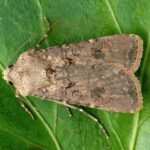 PestTurnip moth (Agrotis segetum)Agrotis segetum
 DiseasePurple BlotchAlternaria porri (Ellis) Ciferri
Toxicity and pollen
Onion is a normal food plant for humans but can cause gastrointestinal and blood-related toxicity in dogs and cats, including anemia and lethargy, after sufficient ingestion. Risk applies to raw, cooked, dried, and concentrated onion products. Keep bulbs, scraps, powders, and foods containing onion away from pets; seek veterinary advice after ingestion.
- Typical season
- Typically early to midsummer when flowering occurs
- Pollination / pollen
- Exposed, insect-transferred pollen from the flower anthers
Onion pollen is mainly presented on flowers and transferred by visiting insects rather than dispersed as a major wind-borne pollen cloud. Reliable US-specific allergy data for Allium cepa pollen are limited, so a precise airborne allergy rating cannot be assigned. Sensitive people should avoid direct contact with flowering plants if symptoms occur.
Native habitat
The species is a human-dependent cultigen associated with temperate agriculture rather than a clearly defined wild habitat. It performs best in open, sunny, seasonally cool conditions with fertile, well-drained soils and reliable moisture during leaf and bulb growth. Modern cultivation has spread it widely beyond its Central Asian origin.
Interesting fact
Onion bulbs are formed from thickened leaf bases rather than from a swollen root.
Frequently asked questions (FAQ)
The most relevant questions about this plant, with short and direct answers.
🌱Quick care
What is the common name of Allium cepa?⌄
Allium cepa is commonly called onion. It is a bulb-forming vegetable in the genus Allium and family Amaryllidaceae.
🌤️Environment and placement
How much sun does onion need?⌄
Onions need full sun, ideally at least 6 hours of direct sunlight daily. Strong light supports healthy leaves and larger bulbs.
What soil is best for growing onions?⌄
Grow onions in fertile, loose, well-drained loam or sandy loam amended with organic matter. Avoid compacted or waterlogged soil because shallow onion roots are vulnerable to poor drainage.
Are onions frost tolerant?⌄
Onion seedlings and transplants tolerate light frost. Prolonged freezing, repeated temperature swings, or planting oversized sets before winter can increase stress and the risk of bolting.
Can I grow onions indoors?⌄
You can grow green onions indoors in a bright, sunny location, but producing full-size bulbs indoors is difficult without strong light, adequate space, and a suitable growing period. A sunny outdoor bed usually gives better bulb results.
💧Care and problems
How often should onions be watered?⌄
Water onions to keep the soil evenly and consistently moist, especially while bulbs are enlarging. Avoid severe drying followed by heavy watering, which can stress plants and contribute to splitting.
Why are my onions not forming bulbs?⌄
Small bulbs usually result from an unsuitable day-length type, late planting, inadequate sunlight, drought, crowding, or poor nutrition. Onions need enough leaf growth before day length triggers bulbing, so early planting and steady moisture are important.
What does it mean when onion tops fall over?⌄
Falling, yellowing, and drying tops usually indicate that mature bulb onions are nearing harvest. Harvest when roughly half the tops have naturally fallen, particularly before prolonged wet weather arrives.
When should onions be harvested?⌄
Harvest mature onions when the tops wither, fall over, and begin turning brown. Green onions and scallions can be harvested earlier whenever the leaves and stems are large enough to use.
How do I cure onions after harvesting?⌄
Cure onions in a warm, dry, well-ventilated place for about 2–4 weeks, until the outer skins are papery and the necks are tight. If outdoor conditions are wet, cure them indoors instead.
How should onions be stored?⌄
Store properly cured onions in a cool, dry, dark, well-ventilated location and protect them from freezing. Discard bulbs that are bruised, cut, soft, diseased, or beginning to rot.
How long do onions keep in storage?⌄
Storage life depends on variety and curing quality; pungent yellow storage onions generally keep longer than sweet onions. Inspect them regularly and use any bulbs that begin to soften or sprout.
Do onions need fertilizer?⌄
Onions benefit from fertile soil and balanced nutrition, especially adequate nitrogen during leaf growth. Avoid excessive nitrogen late in the season because it can delay maturity and reduce storage quality.
What pests commonly attack onions?⌄
Common onion pests include onion maggots, thrips, and various caterpillars. Yellowing and wilting can indicate root or stem injury, so use clean planting material, rotate crops, remove affected plants, and follow local integrated pest-management guidance.
Why are my onion leaves yellowing and wilting?⌄
Yellowing and wilting may result from drought, waterlogged soil, disease, or onion maggot injury. Check soil moisture, inspect roots and the bulb base, and remove severely affected plants rather than keeping them in the bed.
Should I cut onion leaves while the bulb is growing?⌄
Avoid repeatedly cutting the green leaves of bulbing onions because the leaves provide energy for bulb development. Harvest individual leaves only sparingly, or grow separate plants specifically for green onions.
🪴Planting and repotting
When should I plant onions in the United States?⌄
Plant onions in early spring as soon as the soil is workable, adjusting the timing to your USDA growing zone and variety. In suitable climates, some types can also be planted in late summer or fall for overwintering.
Are onion sets or transplants better for beginners?⌄
Onion sets are usually the easiest option for beginners, while transplants often provide more reliable variety selection and bulb development. Choose firm, healthy, dormant sets or plants without soft spots or decay.
How deep should onion seeds be planted?⌄
Sow onion seeds about ¼ to ½ inch deep. Keep the seedbed evenly moist until emergence, then thin seedlings so developing bulbs have adequate room.
How far apart should onions be planted?⌄
Space bulbing onions about 3–6 inches apart, depending on the desired bulb size and variety. Green onions can be planted closer, commonly about 2–3 inches apart, and harvested while young.
How do I choose the right onion variety for my region?⌄
Choose varieties by day length: long-day onions suit much of the northern United States, short-day onions perform better in southern regions, and intermediate or day-neutral types fit many areas between them. Local extension recommendations and seed descriptions are useful guides.
Can onions be grown in containers?⌄
Yes, onions grow well in containers that have drainage holes, fertile potting mix, full sun, and consistent moisture. Use a container wide enough for the spacing required by the selected bulb or green-onion variety.
✂️Propagation and pruning
Can onions be grown from seed?⌄
Yes, onions can be grown from seed, transplants, or sets. Starting seed indoors about 10–12 weeks before outdoor planting gives gardeners the widest choice of varieties and strong plants at transplanting time.
Can onions be replanted from kitchen scraps?⌄
A leftover onion base may regrow leaves and roots, but it usually will not produce a full replacement bulb. For dependable harvests, grow onions from seed, transplants, or commercially produced sets.
⚠️Toxicity and safety
Can I eat an onion that has bolted?⌄
Yes, a bolted onion is generally edible if it is firm and free of rot. Its bulb may be smaller or have a tougher center, so use it fresh rather than relying on long-term storage.
Are onions toxic to dogs and cats?⌄
Yes, onions are toxic to dogs and cats and can damage red blood cells, potentially causing anemia. Keep bulbs, scraps, cooked onions, dried onion, and onion powder away from pets and contact a veterinarian promptly after ingestion.
Are onions safe for humans to eat?⌄
Yes, onion bulbs and green parts are generally edible for humans when fresh and properly prepared. Do not eat bulbs that are moldy, rotten, or contaminated, and do not confuse onion toxicity to pets with human edibility.
🌸Flowering and special interest
Why are my onions bolting?⌄
Onions bolt when they produce a flower stalk, often after cold exposure, temperature fluctuations, stress, or planting oversized sets. Remove the stalk if desired and harvest the bulb soon, because bolting onions generally store poorly.
Do onions produce flowers and seeds?⌄
Yes, onions are biennial plants that can produce a tall flower stalk and a rounded flower head when they bolt. The flowers may produce seed, but bolting usually reduces the quality and storage life of the bulb.
Similar plants
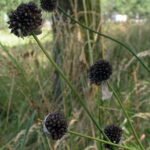 Ornamental onion (Allium) care guideAllium
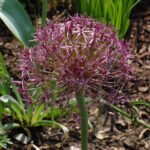 Allium christophii care guideAllium christophii
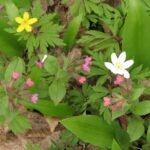 Ransoms (Allium ursinum) care guideAllium ursinum
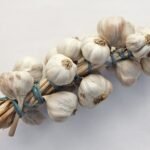 Garlic (Allium sativum) care guideAllium sativum
 Bunching onion (Allium fistulosum) care guideAllium fistulosum
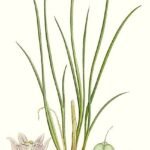 Chives (Allium schoenoprasum) care guideAllium schoenoprasum