
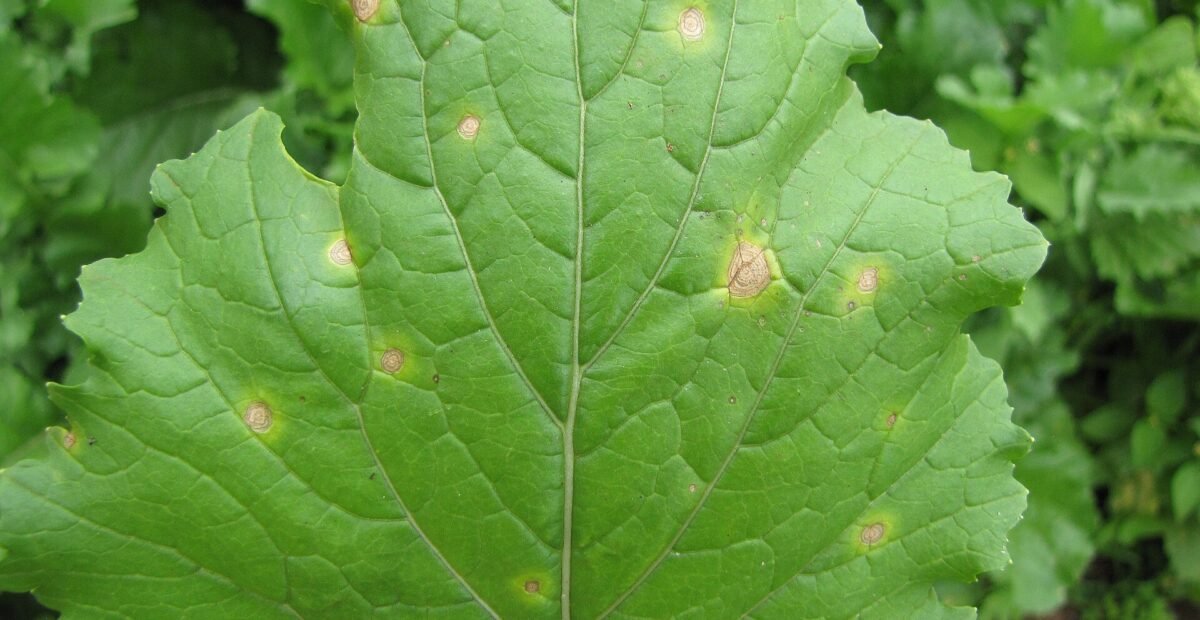
Copper deficiency
Copper deficiency overview
Copper deficiency is an uncommon but potentially serious micronutrient disorder caused by inadequate plant-available copper. It is most likely in high-organic-matter or sandy soils and can affect sensitive crops such as cereals, onions, lettuce, carrots, spinach and some fruit crops. Symptoms often begin in young growth, but visual diagnosis alone is unreliable because they overlap with other nutrient, root and environmental problems.
Typical conditions
Overview
Copper deficiency is a nutritional disorder rather than an infectious disease or pest infestation. Copper is required in very small quantities, but the range between deficiency and toxicity can be narrow. Deficiency is most often reported in sensitive crops grown on high-organic-matter or sandy soils, including some peat or muck soils.
Because copper is relatively immobile in both soil and plants, symptoms commonly develop in young tissues and growing points. However, symptoms vary substantially by crop and may resemble nitrogen, iron, zinc or other micronutrient disorders, root injury, herbicide damage, drought or disease. A laboratory diagnosis is more dependable than visual appearance alone.
Symptoms and identification
- Young growth: bluish-green, pale or yellowing new leaves; narrow, twisted, spiraled or distorted leaves; shortened growth and weak shoots.
- Growing points: wilting or death of the shoot tip, poor tillering, reduced flowering and poor fruit or seed set.
- Leaf damage: necrotic tips and margins, dieback and, in some crops, interveinal yellowing of young leaves.
- Cereals: pale crops, twisted leaf tips, halted tillering, failure to produce grain and, in mature wheat, purplish-brown melanosis patches.
- Vegetables: stunting and failure to flower may occur in sensitive crops such as onion, lettuce, carrot and spinach.
Symptoms are not diagnostic by themselves. Compare affected and healthy plants, inspect roots, review fertilizer and fungicide history, and test soil and tissue where practical.
Causes and spread
Copper deficiency develops when total soil copper is low or when copper is held in forms that roots cannot readily absorb. Higher-risk situations include peat, muck and other soils with high organic matter; coarse sandy soils; some soils with high pH, carbonates or oxides; and new plantings where the crop has a relatively high copper requirement.
This disorder does not spread from plant to plant. Symptoms may appear in patches where soil texture, organic matter, drainage or fertility differs. Excessive phosphorus, imbalanced fertilization, root damage, poor aeration and environmental stress can complicate diagnosis or reduce uptake.
Life cycle and persistence
Copper deficiency has no biological lifecycle. It is a soil–plant nutrient process. Copper is retained strongly by soil minerals and organic matter, while plant copper is relatively immobile. Consequently, a shortage may first become visible in newly developing leaves, shoot tips or reproductive tissues. Severity can progress from subtle color and shape changes to tip death, poor flowering, crop stunting and yield loss.
Symptoms may persist on tissue that formed during deficiency even after nutrition is corrected. Improvement is best judged by the emergence of healthy new growth rather than by expecting damaged leaves to recover.
Treatment and control
First confirm the diagnosis with a reputable soil laboratory and, when available, plant-tissue analysis. Do not treat solely from leaf color or a single soil number. Correct related problems such as poor drainage, root restriction, extreme pH or severe fertility imbalance.
If testing supports deficiency, use a registered copper fertilizer source and the crop-specific rate recommended by a soil-testing laboratory, land-grant university or extension specialist. Copper sulfate and chelated copper products are used in agriculture, but the suitable source, placement and rate depend on soil type, crop, application method and local recommendations. Soil incorporation before planting is commonly used in field production; foliar correction may be appropriate for some crops but carries a risk of leaf injury.
Apply only the minimum confirmed amount. Re-test where repeated applications are planned, because copper can persist and toxicity is difficult to reverse.
Low-impact and biological control
Organic production can address confirmed copper deficiency with an organically compliant copper fertilizer or mineral source only when permitted by the applicable certification standard and product label. Verify the need with soil or tissue testing first.
- Build soil structure and rooting conditions with mature compost and careful irrigation, without assuming compost alone supplies enough available copper.
- Use a balanced organic fertility program and avoid repeated copper fungicide applications when they are not needed.
- Record all copper inputs, including copper-based disease-control products, because organic amendments and fungicides can gradually raise soil copper.
- Use crop rotation and healthy transplants to reduce confounding root and disease problems; these practices do not directly add copper but improve diagnostic reliability and root function.
Prevention
- Test soil before applying copper, especially in peat, muck, sandy or previously uncultivated ground.
- Use crop-specific soil-test interpretations and maintain a balanced fertility program rather than applying micronutrients routinely.
- Where deficiency is suspected, combine soil testing with plant-tissue analysis and compare results with crop-specific sufficiency ranges.
- Maintain good drainage, appropriate irrigation and healthy roots; reduce compaction and avoid unnecessary liming.
- Keep records of copper fertilizers, copper-based fungicides, manure and biosolids because repeated inputs can cause long-lived copper buildup.
- Monitor sensitive crops such as wheat, barley, oats, onion, lettuce, carrot, spinach and selected fruit crops during early growth.
Interesting facts
- Copper is an essential micronutrient, but plants require it in very small amounts.
- The interval between adequate copper and toxic copper can be narrow, so routine application is unsafe.
- High-organic-matter soils can bind copper strongly and make it less available to roots.
- Some copper fungicides leave copper residues that can contribute to excessive soil copper over time.
- In sensitive cereal crops, copper deficiency can reduce tillering, grain formation and yield before symptoms are obvious.
- Healthy new growth, rather than repaired old leaves, is the main visible sign that a confirmed correction is working.
Copper fertilizers are not pesticides, but they can injure foliage, roots and soil biology when misapplied. Use only products legally authorized for the specific crop and problem in the United States, follow the current label exactly, and obtain local extension or laboratory guidance before application. Do not use a copper-based fungicide as a substitute for a confirmed nutrient diagnosis.
Affected plants
The plants below are linked to this problem by structured host-plant data. The list updates automatically as new plant profiles are added.
 Onion (Allium cepa) care guideAllium cepa
 Allium christophii care guideAllium christophii
 Bunching onion (Allium fistulosum) care guideAllium fistulosum
 Giant Allium (Allium giganteum) care guideAllium giganteum
 Ornamental onion (Allium) care guideAllium
 Garlic (Allium sativum) care guideAllium sativum
 Chives (Allium schoenoprasum) care guideAllium schoenoprasum
 Ransoms (Allium ursinum) care guideAllium ursinum
 Wild carro (Daucus carota) care guideDaucus carota
 Lettuce (Lactuca sativa) care guideLactuca sativa
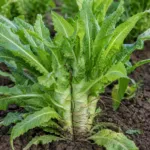 Celtuce (Lactuca sativa Angustana Group)Lactuca sativa Angustana Group
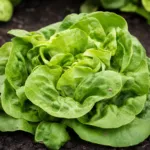 Capitata Group (Lactuca sativa Capitata Group)Lactuca sativa Capitata Group