
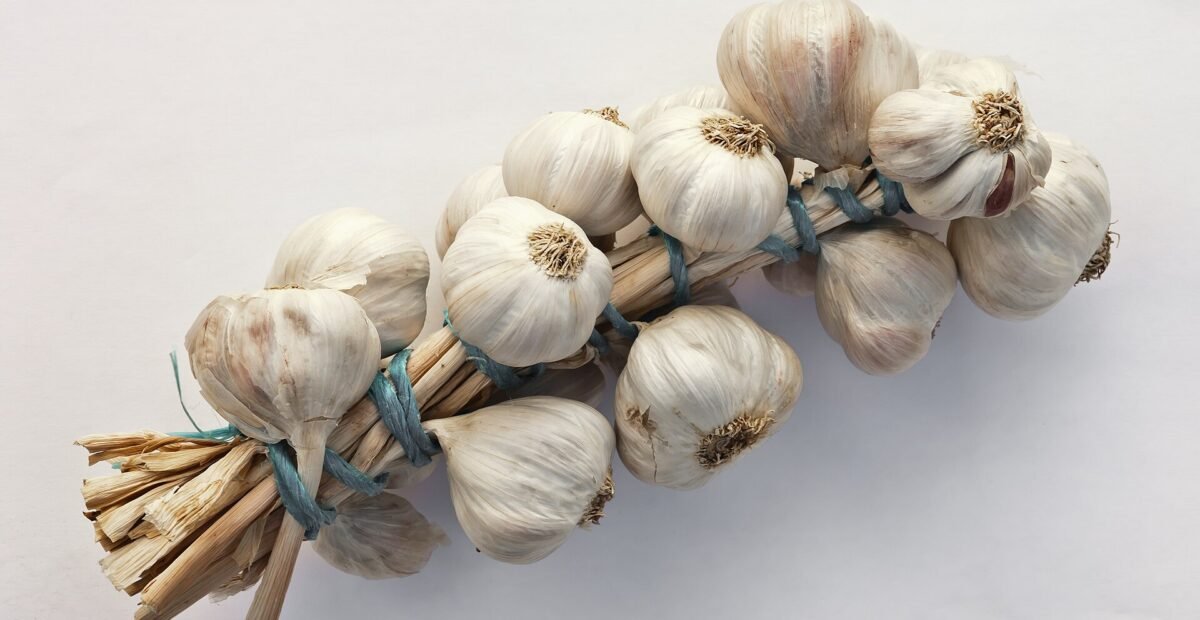
 Source:
 Garlic (Allium sativum) short overview
Garlic is a cool-season bulbous perennial in the amaryllis family, widely grown in the United States as an annual herb and vegetable. Its narrow, blue-green leaves emerge in fall or early spring, while underground cloves enlarge into a segmented bulb. Hardneck forms may produce edible curling scapes and pinkish-white umbels; softneck forms usually mature without a prominent flower stalk and store especially well.
Taxonomic classification
Garlic (Allium sativum) care guide
Light and placement
Give garlic a site with at least 6–8 hours of direct sun, preferably with a south- or southeast-facing exposure and little shade from buildings or taller crops. Strong light supports leaf growth and bulb formation. Excessive shade produces thin foliage and smaller bulbs; intense afternoon heat is usually tolerated when soil moisture remains even.
Watering and humidity
Water deeply enough to moisten the root zone, generally about 1 inch per week during active growth, adjusting for rainfall and soil type. Keep moisture steady while leaves and bulbs develop, but never leave the bed saturated. Reduce or stop irrigation as harvest approaches and the foliage begins to yellow so bulbs cure better and are less prone to rot.
Soil and growing medium
Use loose, fertile soil with excellent drainage and enough organic matter to hold moisture without becoming waterlogged. Loam or amended sandy loam is ideal. Heavy clay can deform bulbs and increase rot, so incorporate compost and improve drainage rather than planting in a persistently wet bed. A slightly acidic to neutral soil is generally suitable.
Feeding
Incorporate finished compost before planting. Garlic has a moderate to high nitrogen demand early in the season, so a balanced fertilizer or restrained nitrogen feeding can be applied after emergence and again in early spring for fall-planted crops. Stop heavy feeding as bulbs mature; excess late nitrogen can delay curing and encourage soft foliage.
Growth and habit
Garlic grows as a tight clump of leaves from a basal bulb. The plant spends a cool season establishing roots and foliage, then enlarges cloves as temperatures rise. Hardneck types commonly send up a curling scape; removing it after the first loop can redirect energy toward the bulb. Harvest when roughly half the leaves have browned.
Planting and repotting
Separate a healthy bulb into individual cloves immediately before planting and place each clove with the pointed end upward. Plant in fall where possible so roots establish before winter; use 2–3 inches of soil over the clove and mulch with straw in cold areas. Space cloves 6–8 inches apart to allow bulb development and airflow. Spring-planted cloves may form smaller bulbs.
Container-grown garlic usually does not need repotting during the crop cycle. If transplanting is necessary, move young plants with minimal root disturbance into a deep container with drainage holes. Use fresh, fertile potting soil and maintain the same planting depth; overcrowded containers should be thinned rather than repeatedly disturbed.
Propagation and pruning
Propagation
Propagate vegetatively by planting individual cloves in fall or early spring. Choose large, healthy cloves from adapted stock and keep the papery wrapper intact. Hardneck plants may also produce bulbils, but bulbil-grown plants usually require more time to reach harvestable bulb size. Seed production is uncommon and inconsistent in cultivated garlic.
Pruning
Remove hardneck scapes after they curl once or twice if larger bulbs are the priority. Otherwise, allow selected scapes to mature for ornamental umbels or bulbils. Do not cut healthy leaves before harvest; wait until they naturally yellow and decline.
Overwintering
Fall-planted garlic benefits from a 2–4 inch layer of clean straw or similar loose mulch after the ground cools. Mulch moderates temperature swings and reduces frost heaving. Remove or thin excess mulch in spring as growth resumes, especially in wet climates. In containers, protect roots from repeated freeze-thaw cycles by insulating the pot or moving it to a sheltered outdoor location.
Uses
Garlic is primarily grown for culinary bulbs, cloves, tender leaves and hardneck scapes. It fits vegetable beds, herb gardens, raised beds and large containers with good drainage. Flowering hardneck plants can also provide small umbels for ornamental interest and insect visits. It is edible for people but should not be fed to dogs or cats.
Appearance
The plant has aromatic, flat, strap-like blue-green leaves arranged in a basal clump. Underground bulbs are enclosed in papery wrappers and divided into cloves. Hardneck plants produce a firm central scape that may curl before ending in an umbel of small pale flowers and bulbils; softneck plants generally lack a strong scape.
Flowering
Hardneck garlic can produce a tall, solid scape ending in a rounded umbel. The flowers are usually pinkish-white and may be accompanied or replaced by aerial bulbils. Many cultivated plants produce little viable seed, so flowering is less important for routine propagation than clove planting. Softneck forms commonly remain non-flowering under ordinary garden conditions.
Pollination and visitors
When garlic flowers, its umbels can be visited by insects, including bees and flies. The species is generally propagated by cloves rather than seed, and many cultivated plants flower weakly or produce bulbils instead of abundant fertile seed. Visitor activity therefore varies substantially with hardneck type, climate and whether scapes are removed.
Allium sativum photos
Click any photo for a larger view. Source, author and license are shown separately.
Diseases and pests
Diseases
The main risk is bulb or root rot in waterlogged soil. Prevent problems with well-drained beds, clean planting stock, crop rotation and careful irrigation. Remove diseased plants and avoid replanting garlic or related Allium crops in contaminated soil. Good airflow and timely harvest help reduce storage losses; cure bulbs thoroughly before storage.
Pests
Potential pests include bulb mites, thrips, onion maggots, nematodes and wireworms. Use sound cloves, rotate away from Allium crops, remove crop debris and avoid consistently wet soil. Inspect plants for distorted growth, silvery feeding damage or weak roots. Management should be proportionate and follow local extension recommendations and product labels where treatment is needed.
Related diseases and pests
Only Plant Doctor profiles whose host data indicate this plant may be affected are shown here.
 PestOnion thripsThrips tabaci Lindeman
 PestStem and Bulb NematodeDitylenchus dipsaci
 PestOnion MaggotDelia antiqua
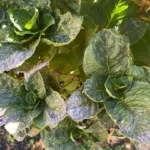 PestChilli thripsScirtothrips dorsalis Hood
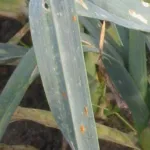 DiseaseAllium rustPuccinia allii
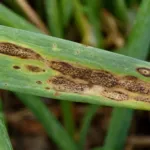 DiseaseStemphylium Leaf BlightStemphylium vesicarium (Wallr.) E.G. Simmons
 DiseaseOnion downy mildewPeronospora destructor
 DiseaseAster yellows‘Candidatus Phytoplasma asteris’
Toxicity and pollen
Garlic contains organosulfur compounds that can damage red blood cells in dogs and cats, with risk influenced by dose, preparation and body size. Keep bulbs, cloves, scraps, scapes and concentrated preparations away from pets. Human culinary use is normal, but raw plant material can cause skin irritation or dermatitis in sensitive people; gloves are sensible during prolonged handling.
- Typical season
- Typically late spring to early summer when hardneck plants flower
- Pollination / pollen
- Insect-carried pollen; not typically a major airborne seasonal pollen
Garlic pollen is released only when the plant flowers, and many cultivated plants flower weakly or not at all. The flowers are insect-pollinated, so pollen is not usually a major airborne seasonal allergen. Nevertheless, occupational or close exposure to garlic plant material, dust or vapors has been associated with rhinitis, asthma and dermatitis in susceptible people; sensitive individuals should avoid direct exposure and use ventilation and gloves.
Native habitat
Garlic is a long-domesticated crop associated with open, sunny sites and seasonally cool conditions. It performs best in fertile, freely drained soils with winter chilling followed by a warmer period for bulb enlargement. Cultivated garlic is rarely encountered as a stable wild population because it has been maintained and selected through clonal propagation.
Interesting fact
Garlic is commonly propagated by individual cloves rather than seed. Hardneck types produce a curled edible scape. Softneck types usually store longer and are commonly braided. The bulb is a cluster of cloves enclosed by papery protective layers. Garlic has been cultivated for thousands of years.
Frequently asked questions (FAQ)
The most relevant questions about this plant, with short and direct answers.
🌤️Environment and placement
How much sun does garlic need?⌄
Garlic grows best in full sun, ideally with at least 6 hours of direct sunlight daily. More sun generally supports stronger growth and larger bulbs.
What type of soil is best for garlic?⌄
Plant garlic in loose, fertile, well-drained soil enriched with compost or other organic matter. Heavy, compacted, or poorly drained soil can produce small bulbs or cause rot.
Can garlic survive winter?⌄
Garlic is cold hardy and commonly overwinters outdoors after fall planting. A mulch layer helps protect the cloves, especially in regions with severe temperature fluctuations or little snow cover.
💧Care and problems
How often should I water garlic?⌄
Water garlic to keep the soil evenly moist but never waterlogged, usually about 1 inch of water per week during active growth. Reduce or stop watering roughly 2 weeks before harvest.
Does garlic need mulch?⌄
Garlic benefits from a layer of weed-free straw or another organic mulch after planting. Mulch helps conserve moisture, suppress weeds, moderate soil temperatures, and reduce frost heaving.
How do I fertilize garlic?⌄
Garlic is a moderately heavy feeder and grows well in fertile soil with added compost. Use a soil test to guide fertilizer applications, and avoid excessive nitrogen late in the season because it can delay bulb maturity.
Why are my garlic bulbs small?⌄
Small garlic bulbs are commonly caused by insufficient sunlight, dry soil, poor fertility, overcrowding, weak planting cloves, or inadequate winter chilling. Weeds and planting too late can also limit bulb development.
Why is my garlic turning yellow?⌄
Yellowing lower leaves near the end of the growing season are usually a normal sign that garlic is approaching harvest. Widespread early yellowing can indicate drought, overwatering, nutrient problems, disease, or pest damage.
When is garlic ready to harvest?⌄
Harvest garlic when the lower leaves turn brown while about 4–6 upper leaves remain green. Dig a test bulb first; mature cloves should be well formed with tight outer skins that have not begun splitting.
How do you harvest garlic without damaging it?⌄
Loosen the soil with a garden fork and lift the bulbs carefully rather than pulling them by the leaves. Avoid bruising or cutting the bulbs, because damage reduces storage life and encourages rot.
How long should garlic cure after harvest?⌄
Cure garlic for about 2–4 weeks in a dry, shaded, well-ventilated location, although some conditions may require longer. Do not wash the bulbs; allow the outer skins and stems to dry naturally before trimming.
How should cured garlic be stored?⌄
Store cured garlic in a cool, dry, dark, well-ventilated place rather than in an airtight container. Softneck types often store for about 6–8 months, while hardneck types commonly store for about 3–4 months.
What pests and diseases affect garlic?⌄
Garlic can be affected by thrips, onion maggots, bulb rots, and other problems shared by onions and related crops. Use well-drained soil, control weeds, rotate away from recent onion-family plantings, and remove diseased bulbs.
🪴Planting and repotting
When should I plant garlic in the United States?⌄
Fall is usually the best time to plant garlic, about 4–8 weeks before the ground freezes in your area. In much of the United States, this means September through November, while spring planting is possible but often produces smaller bulbs.
Can you plant garlic in the spring?⌄
Yes, garlic can be planted in spring, but it generally performs best after a cold period. Refrigerate the cloves for about 8 weeks before planting, then plant as soon as the soil is workable.
How deep should garlic cloves be planted?⌄
Plant individual garlic cloves about 1–2 inches deep, with the pointed growing tip facing upward. In colder areas, a layer of mulch helps protect cloves from temperature swings and frost heaving.
How far apart should garlic cloves be planted?⌄
Space garlic cloves about 4–5 inches apart, with approximately 15–18 inches between rows. Closer spacing can be used when harvesting young green garlic instead of mature bulbs.
Which side of the garlic clove goes up?⌄
Place the narrow, pointed end of the clove facing upward and the flat basal plate facing downward. Incorrect orientation can delay emergence and reduce uniform growth.
Can I plant garlic from the grocery store?⌄
You can try, but certified seed garlic is more reliable because grocery-store bulbs may be treated to prevent sprouting or may not be adapted to your climate. Choose large, firm, disease-free cloves from a reputable garden supplier.
Should I separate garlic cloves before planting?⌄
Separate the bulb into individual cloves immediately before planting, while leaving each clove’s papery skin intact. Separating them too early can reduce performance and bulb size.
Can garlic be grown in containers?⌄
Yes, garlic grows well in a container that is at least 8–12 inches deep and has drainage holes. Use loose potting mix, provide full sun, and water when the upper layer begins to dry.
✂️Propagation and pruning
Can I grow garlic from bulbils or seed?⌄
Garlic is most commonly propagated by planting individual cloves, which produces a harvestable bulb faster and more predictably. Hardneck bulbils can also be grown, but they usually require multiple seasons to develop full-sized bulbs.
Can I save garlic cloves for planting next year?⌄
Yes, save the largest, healthiest bulbs from your harvest and replant their cloves in fall. Keep the bulbs whole until planting time and discard any cloves showing softness, mold, disease, or damage.
Should I prune garlic leaves?⌄
Do not prune healthy garlic leaves because they supply energy for bulb formation. Only remove hardneck scapes when they appear, and allow the foliage to yellow naturally before harvest.
⚠️Toxicity and safety
Is garlic toxic to dogs and cats?⌄
Yes, garlic is toxic to dogs and cats if eaten and can damage red blood cells, potentially causing anemia. Keep fresh, cooked, powdered, and concentrated garlic products away from pets and contact a veterinarian promptly after suspected ingestion.
Can humans eat garlic grown in the garden?⌄
Yes, properly identified and uncontaminated garlic is edible and commonly used as a culinary crop. Do not eat bulbs treated with unapproved chemicals, affected by serious rot, or harvested from soil contaminated with pesticides or other hazards.
🌸Flowering and special interest
What is the difference between hardneck and softneck garlic?⌄
Hardneck garlic produces a flower stalk called a scape and often has larger, easier-to-peel cloves, while softneck garlic usually stores longer and rarely produces a scape. Hardneck types are often favored in colder regions, but suitable varieties depend on local climate.
Should I remove garlic scapes?⌄
Remove hardneck garlic scapes when they emerge and begin to curl if your priority is larger bulbs. Scapes are edible and can be harvested for cooking, while leaving them may reduce bulb size.
Can garlic flower?⌄
Hardneck garlic produces a curled flower stalk called a scape, but it usually forms bulbils rather than conspicuous flowers if allowed to mature. Softneck garlic rarely produces a flower stalk under typical garden conditions.
Similar plants
 Azure Monkshood (Aconitum carmichaelii) care guideAconitum carmichaelii
 Monkshood (Aconitum ‘Stainless Steel’)Aconitum 'Stainless Steel'
 Monkshood (Aconitum ‘Bressingham Spire’)Aconitum 'Bressingham Spire'
 Golden full moon maple (Acer shirasawanum ‘Aureum’)Acer shirasawanum 'Aureum'
 Globosum (Acer platanoides ‘Globosum’)Acer platanoides 'Globosum'
 Striped maple (Acer pensylvanicum) care guideAcer pensylvanicum