Walk into almost any home-improvement store, grocery store or independent garden center in the United States and you will probably find a leafy plant waiting near the entrance. A pothos, snake plant or fiddle-leaf fig has become more than a decoration. For many people, it is a small daily responsibility, a creative project and a living reminder that growth can happen almost anywhere.
Houseplants did not become popular for just one reason. Their appeal grew from several trends arriving at the same time: smaller living spaces, renewed interest in home design, social media communities, improved plant availability and the need for comforting activities during the COVID-19 pandemic. Add the satisfaction of watching a new leaf unfurl, and the modern plant boom starts to make sense.
Houseplants have been fashionable before
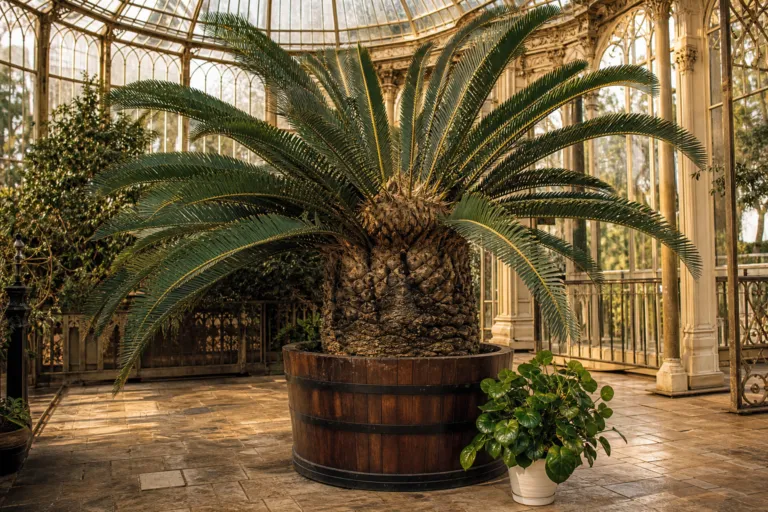
The current enthusiasm may feel new, but indoor gardening has a long history. Wealthy European households once built specialized glass structures, including orangeries and conservatories, to protect citrus trees and other prized plants from cold weather. As glass technology, transportation and commercial plant production improved, indoor plants gradually became more accessible.
In the United States, familiar favorites such as African violets, ferns, spider plants, philodendrons and rubber plants became common household features during the 20th century. Different decades favored different looks. The formal parlor plant gave way to the hanging baskets and lush foliage associated with the 1970s, while the minimalist interiors of later decades often highlighted a single sculptural plant.
Today’s houseplant culture is therefore less a sudden invention than a new chapter in a recurring story: people bring plants indoors when they want nature, beauty and a feeling of care close at hand.
The perfect hobby for modern homes
One of the strongest reasons for houseplants’ popularity is simple practicality. You do not need a backyard, a shed or a full set of gardening tools. A sunny windowsill, a basic container and a few minutes each week can be enough to begin.
Indoor gardening also fits a wide range of living situations. A renter can take a plant to a new apartment. Someone living in a city can grow greenery on a bookshelf. A busy household can choose a drought-tolerant plant that needs attention less often than a vegetable garden or flower bed.
Houseplants are especially appealing because they offer choice without requiring a large commitment. You can start with one small plant for less than the cost of many home-decor purchases, learn its habits and expand only if the experience suits you.
Why beginners often succeed with indoor plants
- Small scale: You can care for one pot at a time instead of managing an entire garden.
- Visible feedback: New leaves, drooping stems and dry soil quickly show you how a plant is responding.
- Flexible placement: Plants can move between rooms as you learn where light is strongest.
- Year-round interest: Indoor plants do not disappear when the outdoor growing season ends.
- Creative freedom: Containers, plant stands and groupings become part of your home’s style.
Plants became part of the home-design conversation
Houseplants are living decor, which gives them an advantage over objects that remain unchanged. A plant can soften a sharp corner, add height to a room or bring color to a neutral space. It can also change with the seasons: fresh growth in spring, fuller foliage in summer and a quieter rhythm during the darker months.
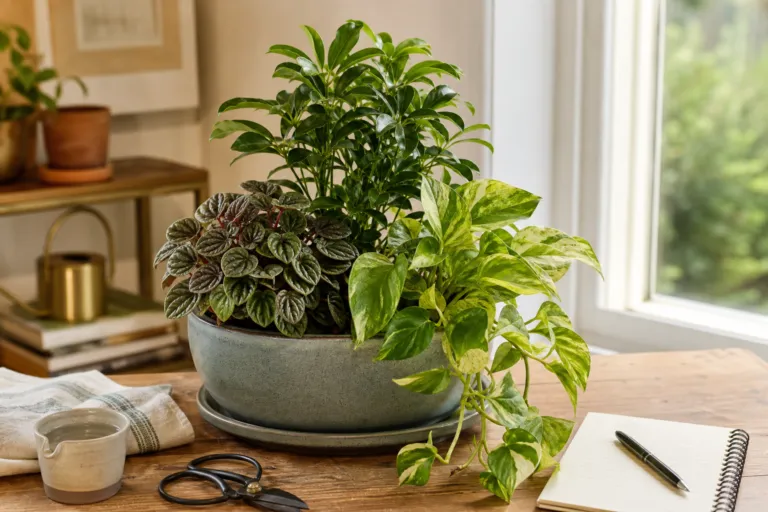
Interior designers and home enthusiasts helped turn plants into visual focal points. Large leaves became popular in modern rooms, while trailing plants worked well on shelves and cabinets. Variegated foliage—leaves marked with patches or streaks of different colors—offered interest even when a plant was not in bloom.
Compare three common choices and you can see how easily plants match different homes:
- Snake plant: Upright leaves suit narrow spaces and contemporary rooms. It generally tolerates lower light better than many tropical foliage plants, although growth may slow.
- Pothos: Flexible stems trail from shelves or hanging containers. It is often forgiving for beginners and comes in green, golden and variegated forms.
- Fiddle-leaf fig: Large leaves create a dramatic display, but this plant usually demands brighter light and more consistent conditions.
The comparison reveals an important lesson: popularity does not mean every plant belongs in every room. The best choice is the plant whose needs match your available light, temperature and watering habits.
The pandemic turned a growing interest into a cultural phenomenon
Houseplants were already gaining attention before 2020, but the COVID-19 pandemic accelerated the trend. As people spent more time at home, they looked for manageable projects, ways to improve their surroundings and reminders of the natural world.
Gardening offered a sense of progress during a period when many normal routines disappeared. A plant did not need a long appointment or a crowded venue. You could water it, wipe its leaves, repot it or watch for new growth in the same room where you worked, studied or relaxed.
Researchers who studied U.S. plant purchasers during the pandemic found that people were motivated by more than decoration. Leisure, emotional comfort, connection with nature and the satisfaction of caring for something all played a role. The same pattern appeared across many kinds of gardening, from vegetable starts to indoor foliage plants.
The pandemic also changed how people used social media. Photos of plant shelves, propagation experiments and dramatic new leaves gave beginners a way to share progress. Online communities made an individual hobby feel social, even when people were physically apart.
Social media made plant care easier to share
Before the internet, a new gardener might rely on a book, a neighbor or the care label that came with a plant. Now, a beginner can quickly find videos showing how to take a cutting, check soil moisture or choose a pot with drainage.
This visibility helped normalize the learning process. Brown leaf tips, fungus gnats and awkward first repottings became common topics rather than private failures. The phrase “plant parent” captured the emotional relationship many people developed with their collections.
Social media also encouraged collecting. A person might begin with one heartleaf philodendron and then become interested in unusual leaf shapes, variegation or plants from a particular botanical family. That collecting instinct is not unique to houseplants; it is part of the wider appeal of hobbies that offer endless varieties and achievable milestones.
There is real satisfaction in visible progress
Houseplants offer a type of feedback that many modern activities lack. You can see the result of steady care. A cutting may form roots. A dormant plant may produce a new shoot. A leaf that was tightly rolled one morning may open over the following days.
That progress creates small goals without the pressure of a formal competition. You might learn to recognize when a plant needs water, move it closer to a window or discover that a less expensive variety grows more reliably in your home than a fashionable one.
Try a simple growing experiment if you are curious. Choose two similar plants, such as two pothos cuttings, and place them in different windows. Record the window direction, distance from the glass, watering date and amount of water for four weeks. You may find that the brighter location produces larger leaves or faster growth, while the darker location requires less frequent watering but gives slower results.
Houseplant care rewards observation, not guesswork
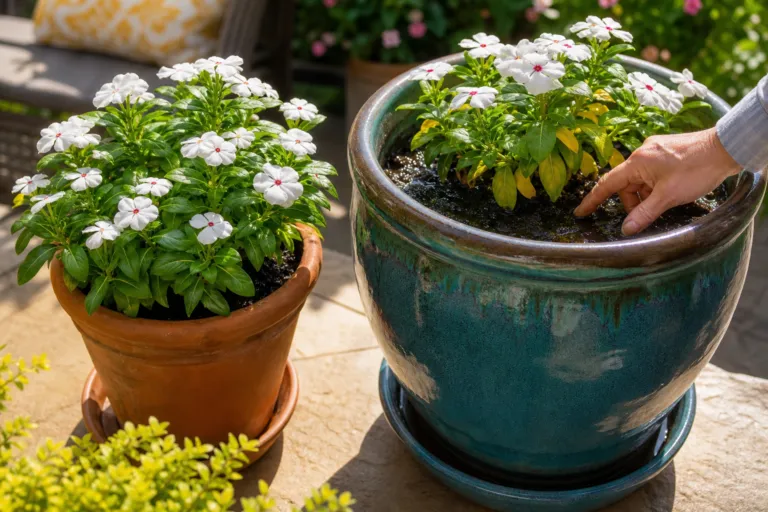
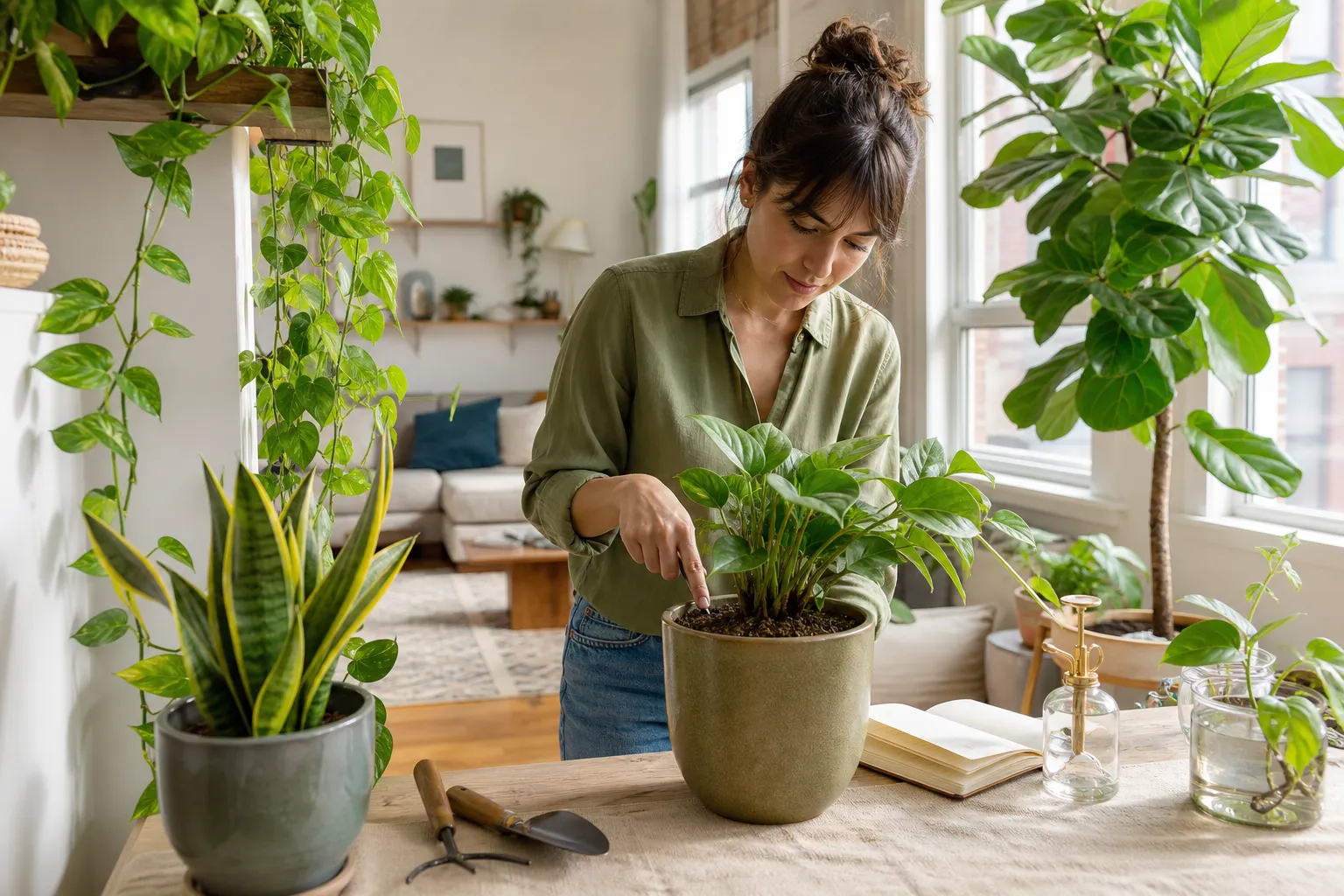
One reason people stay interested is that indoor gardening becomes more enjoyable as observation improves. Instead of watering every plant on the same day, check each container. Press a finger about 1 inch into the potting mix, lift the pot to compare its weight and look for signs of stress.
A practical measurement can make the routine clearer. For a small 6-inch container, record how much water you apply until a modest amount drains from the bottom—often around 8 to 16 fluid ounces, depending on the plant, potting mix and how dry the container is. Let the excess drain fully, then empty the saucer. Do not treat that range as a universal prescription; use it as a starting point and adjust after observing how quickly the soil dries.
Many indoor plants decline because the soil stays wet for too long, not because the gardener forgets a single watering. A drainage hole, a suitable potting mix and a willingness to wait until the upper layer dries can prevent many beginner problems.
A four-week watering record
- Week 1: Check the soil before watering and note the container’s weight.
- Week 2: Water thoroughly only when the plant’s needs indicate it is ready; record the amount used.
- Week 3: Check whether the soil is drying faster or slower than expected.
- Week 4: Compare new growth, leaf firmness and watering intervals before changing the routine.
This kind of simple experiment turns care into a small investigation. It also helps you avoid one of the most common mistakes: following a fixed calendar instead of responding to the plant and its environment.
Houseplants can support well-being—but keep the claims realistic
People often describe plants as calming, and research suggests that indoor greenery may influence aspects of mood, attention and physiological response in some settings. However, results vary by study and situation. A houseplant is not a substitute for medical care, clean ventilation or professional mental-health support.
The most dependable benefit may be behavioral. Caring for a plant encourages you to pause, notice your surroundings and complete a small task. Plants can also make a room feel more welcoming, especially during winter or in homes without outdoor space.
Claims that a few potted plants will dramatically purify household air should be treated cautiously. Normal ventilation and source control matter far more for indoor air quality in most homes. Enjoy plants for their beauty and the care routine they inspire rather than expecting them to solve every indoor-environment problem.
Availability made the hobby easier to enter
Houseplants became more popular as growers and retailers offered a wider range of sizes and prices. A beginner can often choose between a small starter plant, a mature specimen or a cutting. Big-box stores, grocery stores, local nurseries, farmers markets and online sellers have all helped make indoor plants easier to find.
Commercial production has also made formerly unusual plants more available. Tissue culture and improved propagation methods can bring large numbers of selected varieties to market, although availability and prices still vary by region. A plant described as rare in one area may be common in another.
For a healthier buying habit, choose plants based on conditions rather than hype. Before purchasing, ask:
- How much natural light can I provide?
- How large can this plant eventually become?
- Can I keep the soil from staying constantly wet?
- Will the plant be within reach of children or pets that may chew on it?
- Is the plant free of visible pests, mushy stems or widespread leaf damage?
The plant boom is becoming a lasting gardening habit
Trends change, but the reasons people enjoy houseplants are durable. Indoor plants are adaptable, personal and forgiving of imperfect schedules. They connect home design with natural growth and give beginners a gentle introduction to horticulture.
Not every pandemic purchase became a long-term collection, and some highly publicized varieties have become easier to find and less expensive. That does not mean interest in houseplants disappeared. Recent U.S. gardening surveys and horticultural sales data continue to show strong participation in gardening and substantial demand for indoor and container plants.
The lasting lesson is not that you need a jungle of rare specimens. It is that a good plant hobby can be built around one well-chosen pot, a suitable window and a willingness to learn.
Start with the plant that fits your life
If you are new to indoor gardening, begin with a realistic match rather than the most fashionable plant on your feed. Measure the light near your intended location, choose a container with drainage and keep a simple watering note for the first month.
Then give yourself permission to experiment. Compare varieties, move a plant a few feet from the window and watch how the leaves respond. With each observation, you will understand your home a little better—and that is the real reason houseplants remain so popular: they turn ordinary spaces into places where curiosity, care and new growth can take root.