Most basil sold in the United States is treated as an annual: plant it after the last spring frost, harvest generously through summer, and say goodbye when the first freeze arrives. But a few exceptional basils can live for several years in warm climates – or spend winter indoors and return to the patio next spring.
These tender perennial basils reward you with long harvests, attractive flowers and, in some cases, a steady supply of cuttings for new plants. The trick is understanding what “perennial” means here. These are warm-climate plants, not frost-hardy herbs. In much of the country, successful overwintering depends on bringing a plant indoors before cold weather or starting fresh from cuttings.
What makes a basil perennial?
Botanically, basil includes annuals, tender perennials and longer-lived tropical herbs. In the garden, the most useful distinction is temperature. Common sweet basil may survive for more than one season in a frost-free climate, but it usually declines after flowering and cannot tolerate a freeze. Perennial types are generally more vigorous, woody or shrubby, and better able to keep growing when they are allowed to bloom.
The best-known example is African Blue basil, a sterile hybrid related to camphor basil and purple-leaf sweet basil. Because it does not produce viable seed, it must be purchased as a plant or propagated from cuttings. It can behave as a perennial in warm regions, especially USDA Zones 10 and 11, but gardeners in colder zones should treat it as a tender container plant.
Other basils marketed as “perpetual” or long-lasting may keep producing leaves for an unusually long season, yet they are not necessarily hardy outdoors. Read the plant label carefully, and consider “perennial” a promise of potential – not a guarantee that the plant will survive your winter.
The best perennial and long-season basil varieties
African Blue basil
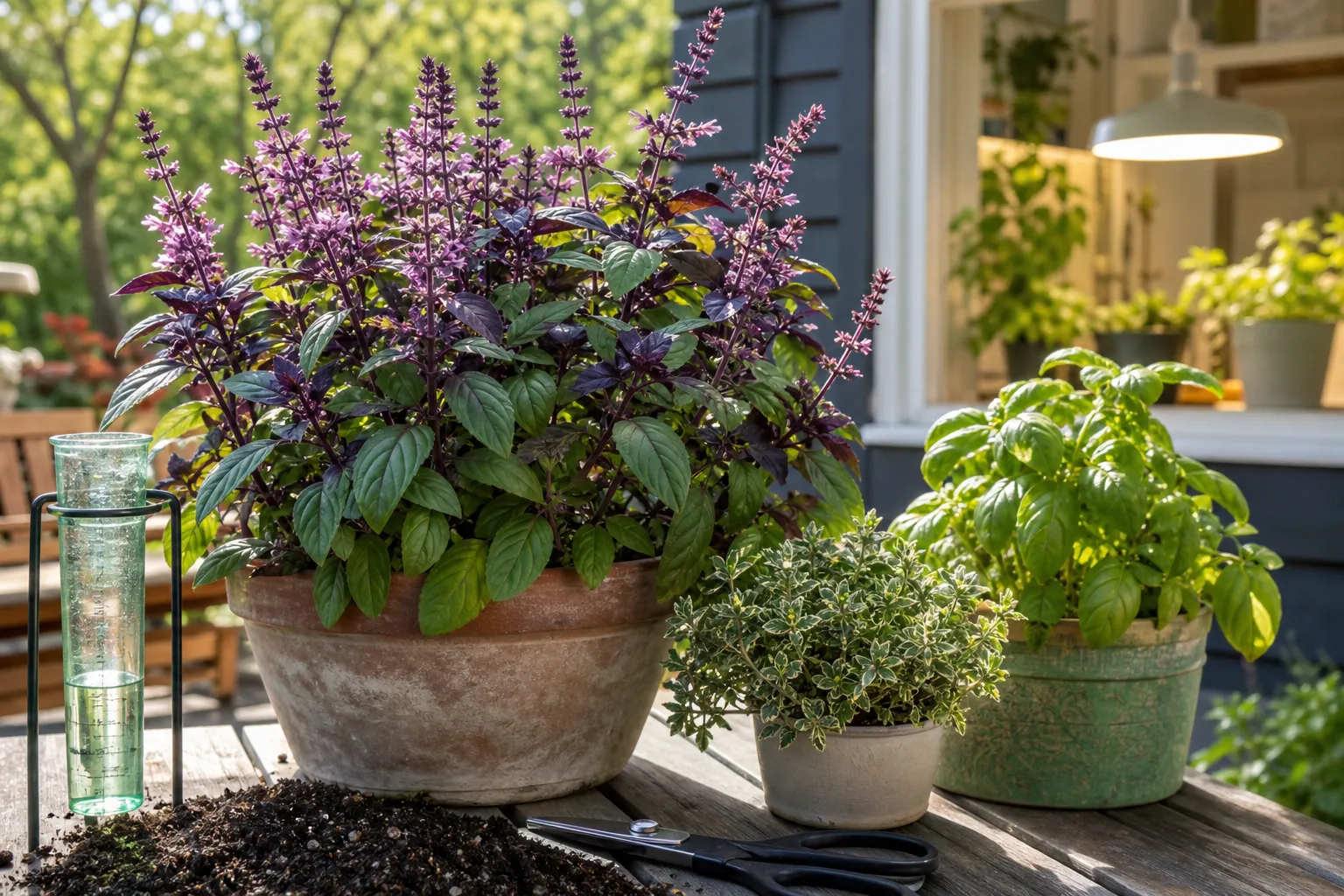
If you want a true perennial-style basil with ornamental appeal, African Blue is the leading choice. It forms a large, branching plant with green leaves flushed purple when young and upright spikes of purple-pink flowers. The blooms are highly attractive to bees and other pollinators, and they continue for much of the warm season.
The flavor is edible but noticeably different from classic Genovese basil. Its camphor-like character can be strong, so many gardeners use the leaves in small amounts, infused vinegar, sauces, salads or as a garnish rather than relying on it for traditional pesto.
- Best for: pollinator gardens, large containers and ornamental herb borders.
- Size: allow roughly 2 to 4 feet of height and width, depending on climate and pruning.
- Flowering: abundant; leave the flowers if you want a pollinator plant.
- Propagation: softwood cuttings, since the plant is generally sterile.
Pesto Perpetuo
Pesto Perpetuo is valued for its narrow, green-and-cream variegated leaves and upright, columnar habit. It is often sold as a long-season basil rather than a reliably hardy perennial. In a warm, frost-free climate it may persist, while elsewhere it is best grown in a pot that can be moved indoors.
Its leaves offer a familiar basil fragrance, although the variegation means the plant may grow a little less vigorously than a solid-green type. Use it as a compact focal point near the kitchen door, where the foliage is easy to harvest and admire.
- Best for: patios, containers and decorative edible plantings.
- Growth habit: upright and relatively narrow.
- Harvest tip: pinch growing tips regularly to encourage branching.
Greek Columnar and Greek basil types
Greek basils are compact, naturally branching plants with small leaves and a neat, rounded or columnar form. They are usually grown as annuals in colder parts of the United States, but in warm climates they may persist longer than standard sweet basil.
They are especially useful for containers and small gardens. Their small leaves are easy to scatter over salads, vegetables and grilled foods, and their tidy shape makes them less likely to flop than large-leaved Italian basils.
Amazel and other seedless sweet basils
Some modern sweet basil cultivars, including Amazel, are selected for extended leaf production and reduced or absent seed formation. That can mean a longer harvest window because the plant spends less energy producing mature seed. However, long-season performance does not automatically make these plants winter-hardy.
In a cold-winter region, grow them as productive annuals or move them indoors in a container. They are excellent choices when your priority is classic Italian flavor rather than perennial survival.
How to grow perennial basil outdoors
Choose the warmest, brightest location
Give perennial basil at least 6 hours of direct sun daily. In cooler climates, a south- or west-facing wall, sheltered courtyard or protected patio can add valuable warmth. In very hot regions, a little afternoon shade may reduce leaf scorch, but too much shade produces weak, stretched growth.
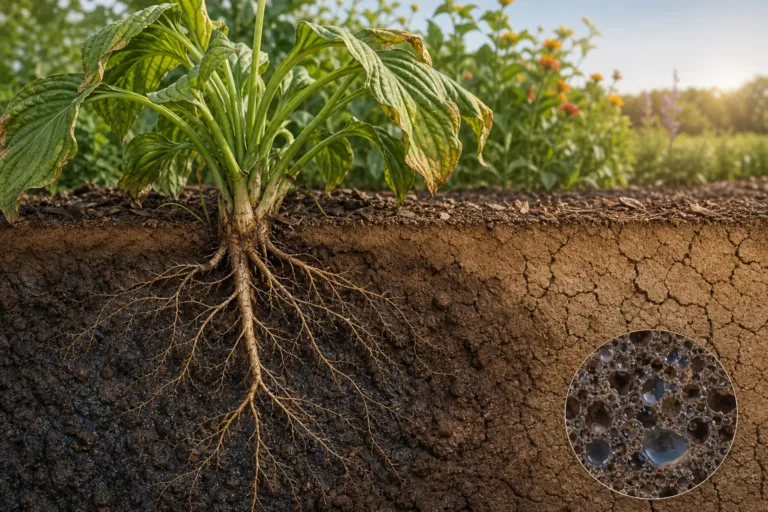
Use fertile, well-drained soil. Basil likes consistent moisture but suffers in waterlogged ground, especially during cool weather. Improve heavy soil with organic matter, or grow the plant in a raised bed or container with drainage holes.
Plant after the frost danger has passed
Wait until spring temperatures are reliably warm and nighttime lows remain above about 50°F. Basil is particularly sensitive to cold; even temperatures in the low 40s can cause leaf damage, while frost can kill exposed growth quickly.
When planting a nursery-grown basil, loosen crowded roots and water it thoroughly. Space large perennial types generously so air can move through the branches. Good airflow helps foliage dry faster after rain or irrigation and lowers the risk of leaf diseases.
Water consistently, but measure rather than guess
There is no single watering schedule that works for every garden. Sandy soil, raised beds, small pots and hot weather can all increase the need for water. A useful starting target for established basil in the ground is about 1 inch of water per week from rain or irrigation, adjusted for heat and soil type.
Try this simple measurement experiment:
- Place a rain gauge or straight-sided container near the plant.
- During dry weather, apply enough water to wet the root zone thoroughly rather than sprinkling the surface.
- Check the soil 2 to 3 inches below the surface. It should feel cool and slightly moist, not muddy.
- Record rainfall and irrigation for two weeks, then adjust. If the plant wilts in the morning or the soil dries rapidly, water more often; if water remains pooled, improve drainage.
For containers, check daily during hot weather. Water slowly until a little drains from the bottom, then empty any saucer so the roots do not sit in water. Water at the soil line in the morning when possible, keeping the leaves dry.
Pruning, harvesting and flowering
Harvesting is the best form of pruning. Use clean scissors or pinch just above a pair of leaves, taking the tender tips rather than stripping isolated leaves from the base. This encourages side shoots and keeps the plant bushy.
For classic sweet basil, remove flower buds if your goal is maximum leaf production. Flowering can make the flavor less desirable for some culinary uses, although the leaves remain edible. With African Blue basil, flowering is part of the plant’s appeal, so let it bloom if you are growing it for pollinators or bouquets.
Avoid removing more than about one-third of the plant at one time. Leave several healthy sets of leaves so the basil can continue photosynthesizing and recover quickly.
Preventing common problems
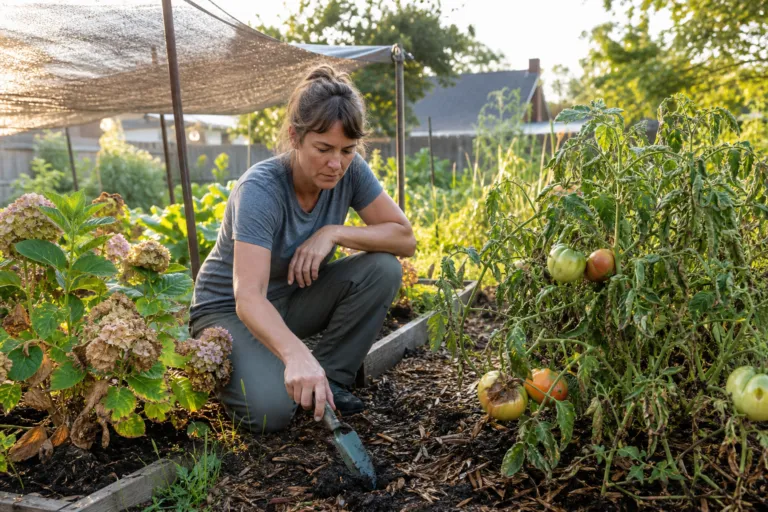
Overcrowding, wet foliage and poor air circulation are more likely to cause trouble than occasional missed watering. Inspect the undersides of leaves regularly for yellowing, gray or purplish growth, distorted leaves or clusters of insects.
- Water in the morning and direct water toward the soil.
- Give plants enough space for air movement.
- Remove badly diseased plants promptly and discard them; do not compost questionable foliage.
- Choose disease-resistant basil cultivars when basil downy mildew has been a recurring problem in your area.
- Rotate basil to a different part of the garden from year to year when practical.
Do not assume that a perennial basil is immune to disease simply because it survives winter. A plant kept for several seasons receives more opportunities to encounter pests and pathogens, so regular inspection matters.
How to overwinter perennial basil indoors
In most of the United States, bringing a plant indoors is the most dependable way to preserve it. Begin before the first frost and preferably before nighttime temperatures fall into the 50s.
Step-by-step indoor transition
- Inspect the plant. Look closely at stems, leaf undersides and the soil surface. Do not bring in a plant carrying obvious pests or disease.
- Prune lightly. Remove damaged growth and take several healthy cuttings as insurance.
- Repot only if necessary. A sudden large pot can stay wet indoors. Use a clean container with drainage and a well-drained potting mix.
- Acclimate gradually. Move the basil to a bright, sheltered spot for several days before placing it in the warmest indoor location.
- Provide strong light. A sunny south-facing window may work, but a grow light often produces sturdier growth during short winter days.
- Water less often than outdoors. Let the surface dry slightly between waterings, but do not allow the plant to wilt repeatedly.
Keep indoor basil away from cold drafts, heating vents and very dark rooms. Warmth and light are more important than heavy feeding during winter. Avoid pushing soft, lush growth with frequent fertilizer; the goal is to maintain a healthy plant until spring.
Overwintering with cuttings
Cuttings are often easier to manage than a large plant. In late summer or early fall, take 4- to 6-inch pieces from healthy, non-flowering shoots. Remove the lower leaves and place the stems in clean water or a moist, sterile rooting medium.
Once roots are well formed, pot the cuttings individually. Keep them in bright light and maintain even moisture while they establish. Starting several cuttings gives you a practical backup if one struggles indoors.
This method works especially well for African Blue basil, which is normally propagated vegetatively. It also lets you carry a compact young plant through winter rather than trying to fit a mature shrub on a windowsill.
When can perennial basil stay outdoors?
In frost-free parts of the southern United States, Hawaii and protected coastal areas, some perennial basils can remain outdoors year-round. Even there, cold snaps, saturated winter soil and occasional freezes can cause dieback.
In USDA Zones 8 and 9, success varies greatly by microclimate. A sheltered container may survive a mild winter, while an exposed plant may not. In Zones 7 and colder, plan to overwinter the plant indoors or expect to replace it in spring.
If a plant suffers cold damage, wait until the weather warms before cutting it back hard. Some stems may look damaged while the lower portions remain alive. Scratch a small section of stem with your fingernail; green tissue suggests life, while brown, dry tissue has died.
A simple variety trial for your garden
If you are unsure which basil deserves space, run a small side-by-side trial. Grow African Blue, Pesto Perpetuo and one classic sweet basil in matching 12-inch containers. Place them in the same light and record three things each week:
- how much water each pot needs before the soil begins to dry;
- how many usable stems you harvest;
- how the flavor, flower production and plant shape suit your needs.
This kind of practical comparison quickly reveals which variety fits your patio, cooking style and winter strategy. You may discover that African Blue is your favorite pollinator plant, while Pesto Perpetuo gives you the most attractive kitchen container and a disease-resistant sweet basil supplies the best pesto.
Enjoy basil beyond one season
Perennial basil is not a magic substitute for every annual basil. It is a warm-climate plant with tender roots and foliage, and winter success depends on your local temperatures, light and indoor space. Still, with a sunny position, measured watering, regular harvesting and a few well-timed cuttings, you can keep your favorite plants going far longer than a single summer.
Start with one container, take a few backup cuttings and treat the first year as an experiment. Once you learn how your basil responds, overwintering becomes a simple seasonal routine – and your next pesto, pollinator border or patio herb display can begin with a plant you already know and love.