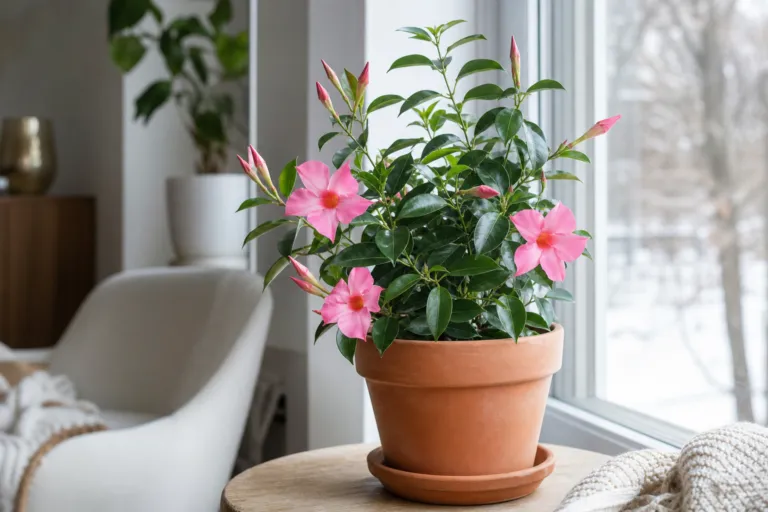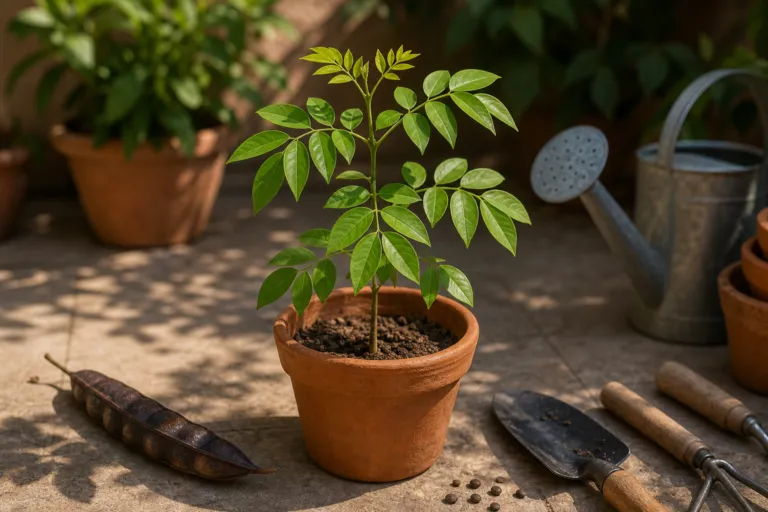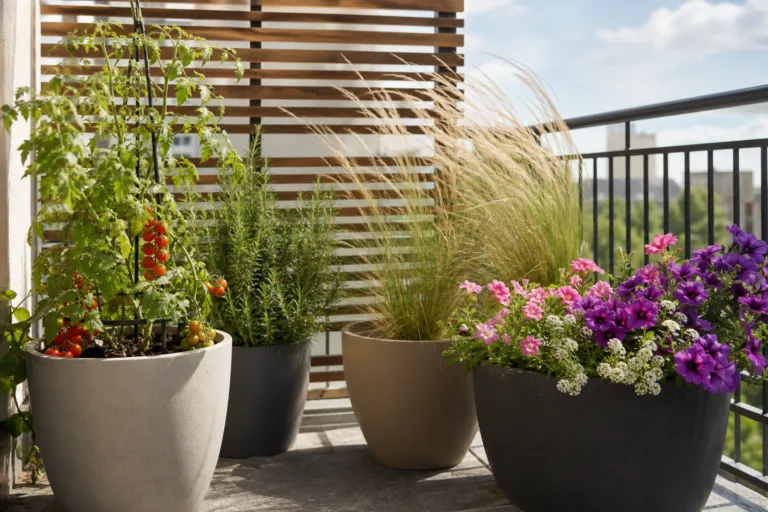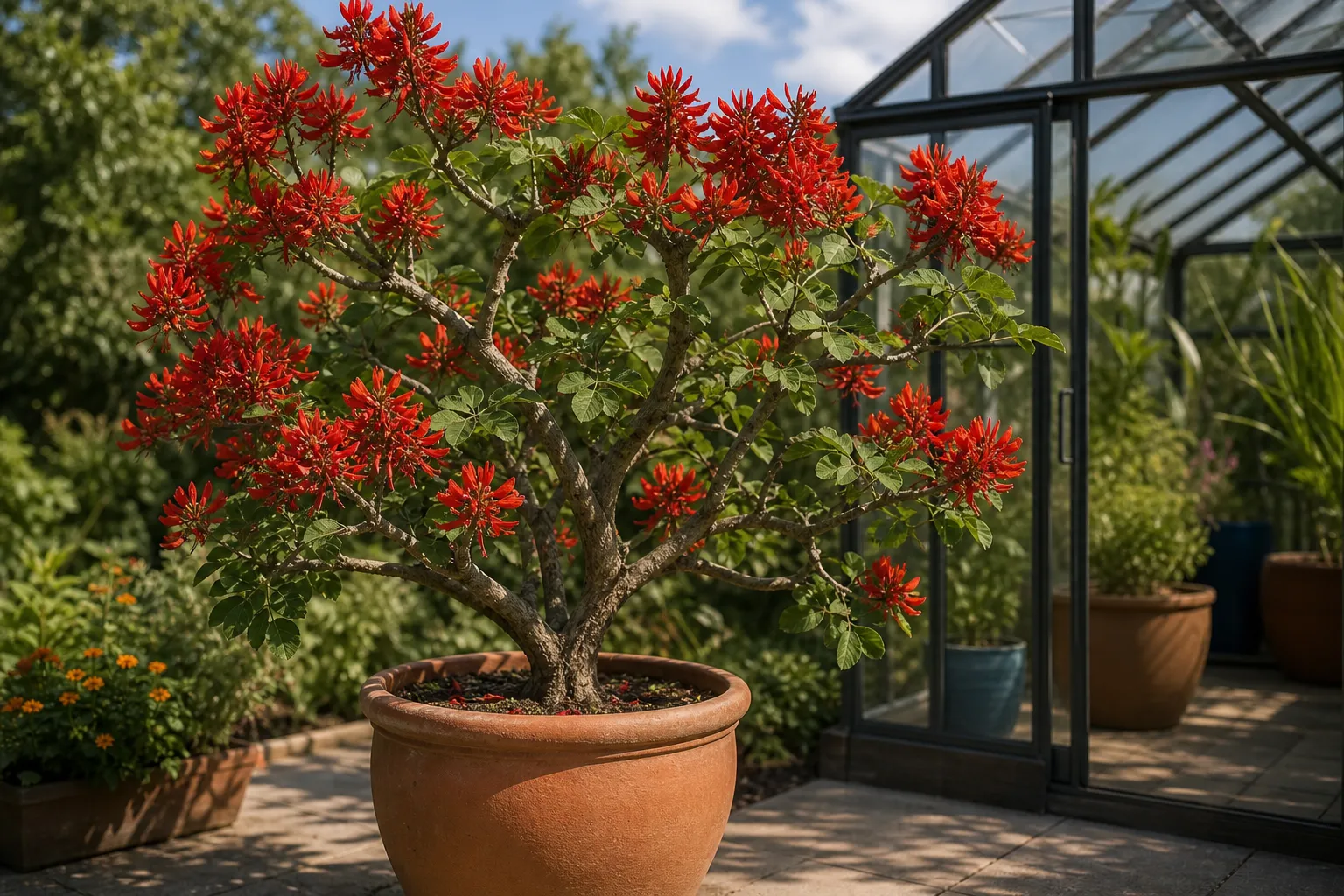
With bright scarlet flowers, sculptural branches and an almost tropical personality, a coral tree can turn a sunny patio or warm garden border into a showpiece. The challenge is that “coral tree” can describe several Erythrina species, and many of them dislike hard freezes. In much of the United States, the most reliable approach is to grow one in a large container and move it into shelter before winter arrives.
This guide focuses mainly on cockspur coral tree, Erythrina crista-galli, a popular ornamental with trifoliate leaves and clusters of pea-shaped red flowers. It also explains where coral bean, Erythrina herbacea, fits into the picture. With the right light, drainage, watering routine and winter plan, even a gardener in a cold climate can enjoy these dramatic plants year after year.
First, identify the coral tree you have
Before choosing a planting site, check the botanical name on the nursery label. Coral trees differ considerably in size, cold tolerance and winter behavior.
- Erythrina crista-galli: often sold as cockspur coral tree or common coral tree. It can develop into a small tree in suitable climates, but it is commonly grown as a container specimen in colder regions.
- Erythrina herbacea: coral bean, a shrubby species native to parts of the southeastern United States. In colder areas it may die back to the roots and resprout in spring.
- Other Erythrina species: many are tropical or subtropical and may need a warm greenhouse or indoor growing area year-round.
Do not assume that a plant labeled simply “coral tree” will tolerate your local winter. Ask the nursery for the species, mature size and recommended minimum temperature. A plant that survives an occasional brief cold snap may still suffer serious branch or root damage after repeated freezing.
Where coral trees grow best
Choose the sunniest, warmest location you have. Coral trees flower best in full sun, meaning roughly six or more hours of direct light daily. A south- or west-facing wall can provide extra warmth, while a sheltered courtyard protects brittle branches from strong wind.
In the ground, select a site with fertile, well-drained soil. The soil may be acidic, neutral or alkaline, but standing water is a more serious problem than a slightly imperfect pH. If your soil stays wet after rain, grow the tree in a raised bed or container instead.
Container growing is often the smartest option
A container lets you move the plant when temperatures drop and makes it easier to control drainage. Choose a sturdy pot with several drainage holes. Start with a container only a few inches wider than the root ball; an oversized pot can stay wet for too long.
Use a high-quality commercial potting mix rather than garden soil. A mix designed for patio trees or large houseplants works well if it drains freely. Set the root ball at the same depth it grew in its nursery pot, leaving the trunk flare visible rather than burying the lower stem.
- Use a heavy pot or add a stable outer container to reduce wind tipping.
- Leave about 1 inch of space below the rim for watering.
- Raise the pot slightly on feet if it sits on a hard surface.
- Do not place gravel in the bottom as a substitute for drainage holes.
Water coral trees deeply, then let the surface dry
Coral trees appreciate consistent moisture while actively growing, but their roots need air. Water when the top 2 inches of potting mix feel dry, then water slowly until a little drains from the bottom. Empty any saucer so the container does not sit in standing water.
Because pot sizes and weather vary, use measurements as a starting point rather than a rigid rule. In a personal container-growing trial, a young tree in a 14-inch pot may need approximately 1 to 2 quarts of water during a hot, sunny spell, while a larger tree in a 20-inch pot may need several quarts. Measure what you apply for the first two weeks, and record how quickly the surface dries. If the mix remains wet after five or six days, reduce the volume or improve drainage; if the leaves wilt repeatedly within a day or two, check the roots, wind exposure and pot size rather than simply watering more often.
A simple watering test
- Push your finger 2 inches into the mix, or use a wooden stick to check for cool, damp soil.
- Water slowly over several passes instead of flooding the pot all at once.
- Wait a few minutes and confirm that water exits the drainage holes.
- Check the container again after 24 hours during hot weather and every few days during mild weather.
Once a coral tree enters winter dormancy or rests in a cool indoor location, it needs much less water. Allow the upper portion of the potting mix to dry farther between waterings, but never let the root ball become bone dry for weeks.
Feeding, pruning and shaping
Feed during active growth with a balanced, slow-release fertilizer used according to the product label. Avoid heavy feeding late in the season, because soft new growth is more vulnerable when temperatures fall.
Young coral trees often benefit from early shaping. Decide whether you want a single-trunk specimen or a multi-stemmed shrub, then remove competing shoots while they are small. Use clean, sharp pruners and make cuts just above a healthy bud or branch junction.
Prune mainly to remove dead, damaged or awkward growth. If your plant blooms on older wood, severe late pruning may reduce flowers the following season. Container plants can be cut back modestly before they move indoors, especially if the canopy is too large for your winter space, but avoid removing most of the healthy framework at once.
Many coral trees have spines on their branches. Wear gloves, long sleeves and eye protection when handling or pruning them, and keep the plant away from paths where people regularly brush past.
How to overwinter a coral tree in cold climates
In USDA Zones 9 and warmer, some coral trees may grow outdoors in a protected location, depending on the species and local exposure. In colder zones, container culture is usually safer. Even in a mild zone, a newly planted or young tree deserves extra protection during its first winters.
Bring containers in before frost
Do not wait for a hard freeze. Move a container-grown coral tree indoors when nighttime temperatures begin approaching the low 40s Fahrenheit, or earlier if a freeze is forecast. A sheltered garage, bright sunroom, heated greenhouse or cool room can work, depending on the species.
Before moving the plant indoors:
- Inspect leaves, stems and the soil surface for insects or disease.
- Remove fallen leaves and weeds from the pot.
- Rinse the foliage gently if dust or pests are present, then allow it to dry.
- Prune only damaged or excessively long growth.
- Move the plant gradually into lower light if possible to reduce stress.
A bright indoor location is best for plants that remain leafy and continue growing. A cool, frost-free space with reduced light may suit a deciduous plant that naturally drops its leaves. Maintain good air circulation and keep the pot away from heating vents, which can dry foliage and soil rapidly.
Protect an in-ground tree
If your species is suitable for outdoor growing, apply a thick layer of organic mulch over the root zone after the soil cools. Keep mulch a few inches away from the trunk to prevent prolonged moisture against the bark. In borderline climates, wrap the lower trunk with a breathable tree wrap and protect the canopy during unusually cold weather, following local extension guidance.
Do not seal a plant in plastic for extended periods. Plastic can trap moisture, encourage condensation and create a warmer-than-expected environment during sunny winter days. Use breathable fabric or frost cloth when temporary protection is needed, and remove it when temperatures moderate.
Spring revival: patience prevents mistakes
Return the plant outdoors gradually after the danger of hard frost has passed. Start with a sheltered spot receiving gentle morning sun, then increase exposure over seven to fourteen days. Sudden movement from indoor light to intense outdoor sun can scorch leaves.
A deciduous coral tree may look lifeless in spring even when the roots are healthy. Wait until temperatures are consistently warm, then check for flexible stems and scratch a tiny area of bark to look for green tissue beneath. Do not keep cutting farther down the branch; make only the smallest test.
Once new buds swell, resume regular watering and begin feeding lightly. If the plant suffered winter dieback, prune damaged wood back to living tissue. Keep the strongest new shoots and remove weak, crossing growth as the season develops.
Comparing coral tree choices
- For a container patio display: choose a young Erythrina crista-galli and plan to move it indoors or into a protected structure each fall.
- For a warm southeastern garden: investigate Erythrina herbacea, especially if you want a shrub that can recover from seasonal dieback.
- For a greenhouse collection: consider specialty species only after confirming their mature size, temperature needs and availability.
- For a small balcony: select the most compact plant available and prune early, but remember that even a small nursery plant may eventually become substantial.
Flowers may not appear immediately on a young plant, particularly after a move, hard pruning or an indoor winter. Give it strong light, steady summer care and room for its roots. A healthy plant that spends its first year building structure may reward you with better flowering later.
Common problems and practical fixes
- Yellow leaves and soggy soil: check drainage and reduce watering frequency.
- Long, weak indoor growth: provide brighter light and rotate the pot regularly.
- Leaf drop in autumn: this may be normal dormancy for a deciduous species, especially after temperatures fall.
- No flowers: increase sunlight, avoid excessive nitrogen and review whether pruning removed flowering wood.
- Sticky leaves or fine webbing: inspect closely for common indoor pests such as scale, mealybugs or spider mites, then isolate the plant and use only treatments labeled for the plant and pest.
- Dead-looking branches after winter: wait for warm weather before declaring the plant lost. Coral trees can sometimes resprout from lower stems or roots, depending on species and damage.
Your year-round coral tree plan
Grow your coral tree in full sun, use fast-draining soil, and water deeply only when the upper mix begins to dry. Keep the plant compact enough to move, inspect it carefully before bringing it indoors, and protect it from frost rather than testing its limits.
The key is to treat overwintering as part of the growing plan, not as an emergency rescue. Choose the right species, measure your watering for the first season, and give the plant a bright, sheltered place to rest. With those simple habits, a coral tree can become a dependable summer centerpiece instead of a one-season experiment.