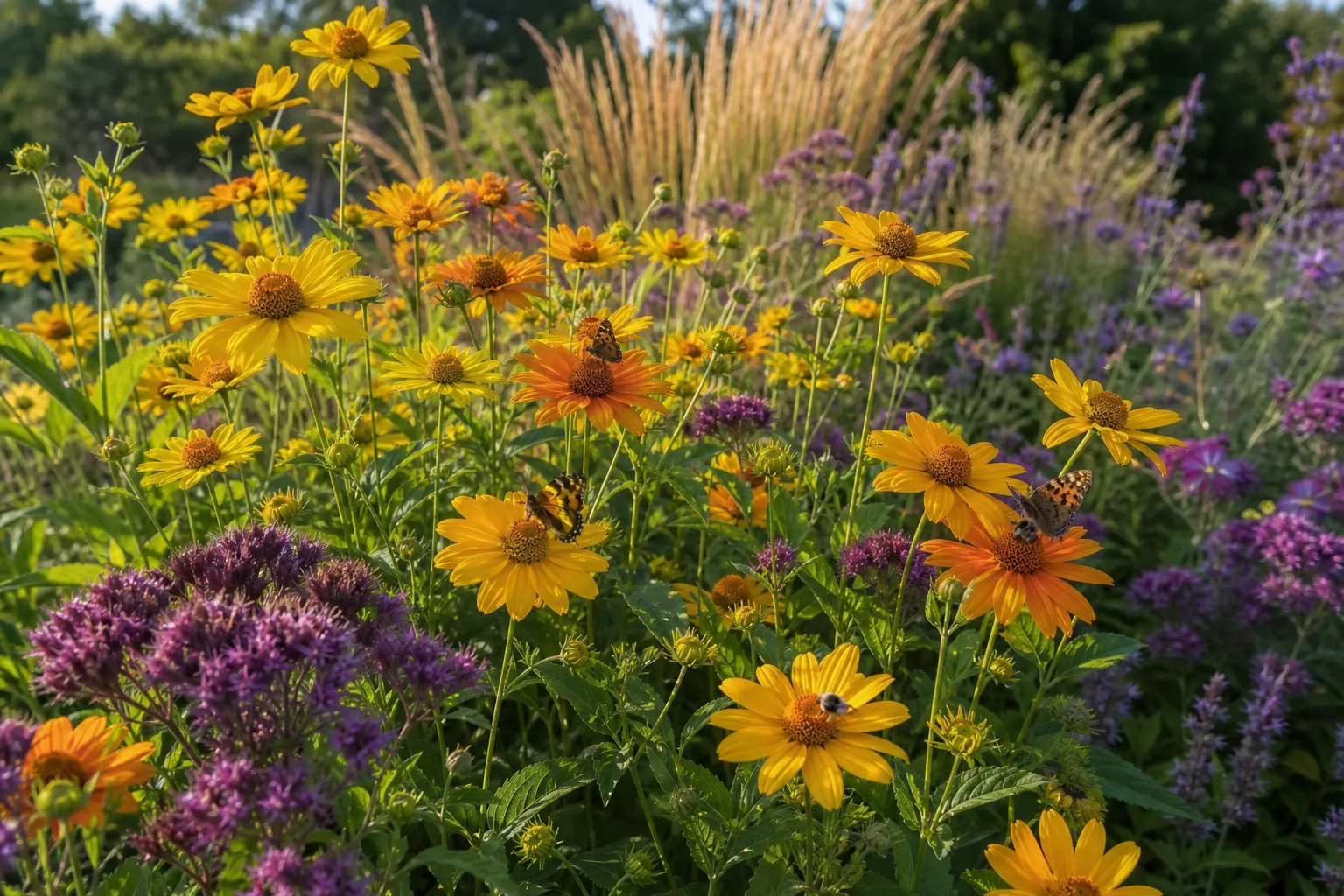
False sunflower (Heliopsis helianthoides) brings the sunny look of a traditional sunflower to a perennial border, prairie-style planting or pollinator garden—without needing to be replanted every year. From midsummer into early fall, its golden, daisy-like flowers rise above sturdy stems and attract a lively mix of bees and butterflies.
Although Heliopsis looks carefree, it performs best when you get a few basics right: plenty of sunlight, soil that drains well, and consistent moisture while young plants establish. Once settled, it handles heat, clay and periods of dry weather remarkably well. Here is how to grow a strong, floriferous clump in an American garden.
What is false sunflower?
Heliopsis is a herbaceous perennial native to parts of eastern and central North America. It belongs to the daisy family and is closely related to true sunflowers, but it has a more compact, branching habit and typically returns from the crown each year.
The upright stems commonly reach about 3 to 6 feet tall, although many named cultivars stay closer to 2 to 4 feet. Flowers are usually 2 to 3 inches across, with yellow, gold or orange rays surrounding a prominent brown, copper or golden center.
Unlike many true sunflowers, Heliopsis flowers tend to remain upright as they age. Its toothed leaves have a noticeably rough, sandpapery texture, which makes the plant easy to identify even before it blooms.
Choose the right spot before planting
For the strongest stems and heaviest flowering, choose a site that receives at least six hours of direct sun each day. Eight hours is even better in cooler or partly cloudy regions. Plants grown in too much shade often become taller and weaker, with fewer flowers and a greater need for support.
False sunflower tolerates a wide range of soil types, including clay and relatively poor soil, provided excess water can drain away. Aim for soil that is moderately fertile, moisture-retentive but not soggy. Extremely rich soil can encourage lush foliage and floppy growth at the expense of a tidy shape.
- Best light: full sun.
- Best soil: average, well-drained soil with some organic matter.
- pH: Heliopsis is adaptable to acidic, neutral or alkaline conditions.
- Spacing: generally 18 to 30 inches apart, depending on the cultivar.
- USDA hardiness: many selections are suited to roughly Zones 3 through 9, but check the plant label because named cultivars vary.
Planting Heliopsis in the United States
When to plant
Plant nursery-grown Heliopsis in spring after the ground can be worked, or in early fall at least several weeks before the soil typically freezes in your area. Spring planting gives roots a full growing season to develop; fall planting can work especially well in regions with mild autumn weather and reliable soil moisture.
If you garden in a hot-summer climate, spring-planted divisions and young nursery plants may need extra attention during their first summer. In colder regions, avoid planting so late in fall that the crown has no time to establish roots.
How to plant
- Loosen the soil across an area about twice as wide as the root ball.
- Mix in a modest amount of compost if the soil is very sandy, compacted or low in organic matter.
- Set the plant so the crown sits at the same level it occupied in its container.
- Backfill, firm the soil gently and water thoroughly.
- Apply a 2-inch layer of mulch, keeping it a few inches away from the stems.
Do not bury the crown under a deep mound of mulch or soil. Persistent wetness around the crown is more troublesome than ordinary summer dryness.
Watering: a simple measurement that works
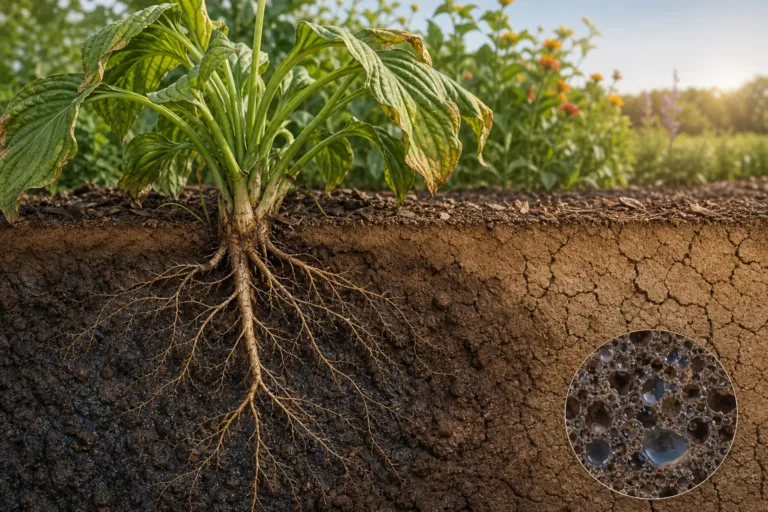
Newly planted Heliopsis needs regular moisture while its roots spread. During the first growing season, check the soil two or three times a week and water when the top 2 inches feel dry. In many gardens, that means one thorough watering per week, with more frequent checks during heat waves or unusually dry weather.
A useful starting measurement is 1 inch of water per week from rainfall and irrigation combined during establishment. One inch spread over 1 square foot equals approximately 0.62 gallons. For example, a 4-square-foot planting area would need about 2.5 gallons to receive 1 inch of water. A simple rain gauge or straight-sided container helps you measure rather than guess.
These figures are a starting point, not a rigid prescription. Sandy soil may need water more often, while heavy clay may hold moisture longer. Once plants are well established, allow the soil to dry somewhat between deep waterings; mature Heliopsis is often tolerant of short dry spells.
- Water at the base instead of repeatedly wetting the foliage.
- Give a slow, deep soak rather than a quick sprinkle.
- Increase checks during temperatures above 90°F, strong wind or prolonged drought.
- Reduce irrigation when rainfall has already supplied the soil with adequate moisture.
Feeding and routine maintenance
In average garden soil, false sunflower usually needs little fertilizer. If growth is weak, a thin layer of compost around the plant in spring is a gentle way to add nutrients. Avoid routinely applying high-nitrogen fertilizer, which can produce tall, leafy stems that are more likely to flop.
Mulch helps moderate soil temperature and slows evaporation, but keep it away from the crown. Refresh the mulch when it becomes thin, always preserving a little open space around the base of the plant.
Should you stake it?
Tall plants may need support, particularly in windy sites, rich soil or partial shade. Install a discreet peony ring or stakes early in the season, before stems become crowded and difficult to guide.
Another option is the “Chelsea chop” approach: cut stems back by about one-third to one-half in late spring or early summer. This can produce a shorter, more branched plant, although flowering may begin slightly later. Try the technique on one clump first so you can compare the result with an uncut plant.
How to encourage a long flowering season
Depending on climate, cultivar and planting location, Heliopsis commonly flowers from early or midsummer into late summer and sometimes early fall. The more sun the plant receives, the better its chances of producing a steady succession of blooms.
Deadheading is the easiest way to keep the display going. Snip each faded flower just above a healthy set of leaves or a branching point. Removing spent blooms redirects the plant’s energy toward new flower buds instead of seed production.
If you want seed for birds or future propagation, leave some flower heads in place at the end of the season. The darkening centers can add useful fall structure, and mature seeds may appeal to seed-eating birds.
Comparing popular Heliopsis types
Named selections make it easier to match false sunflower to your garden’s size and color scheme. Availability varies by region and nursery, so treat the following as a guide and check the mature dimensions on the plant tag.
- ‘Lemon Queen’: a tall selection with clear lemon-yellow flowers and a strong vertical presence. It suits the back of a border or a large prairie-style planting.
- ‘Summer Sun’: known for warm yellow-orange blooms and a statuesque habit. Give it room and consider support in exposed gardens.
- ‘Fire Twister’: a shorter selection with dark foliage and red-orange flowers around deep centers. It offers stronger color contrast than the classic yellow forms.
- ‘Prairie Sunset’: valued for warm flower tones and a more compact garden profile than some species plants.
- ‘Bit of Honey’: a useful choice when you want a tidier plant for a mixed perennial border or smaller garden.
Double and semi-double forms can look especially showy, while single flowers often offer the clearest view of the central disk to visiting insects. If wildlife value is important, include at least some open-centered flowers in the planting.
Propagating false sunflower
Division: the quickest method for named plants
Division is the most dependable way to multiply a named cultivar while preserving its flower color, height and habit. Divide established clumps in early spring as new growth begins, or in early fall when temperatures are cooler.
- Water the clump the day before dividing.
- Lift it with a sharp spade, keeping as much of the root system intact as practical.
- Separate the crown into sections, making sure each division has roots and several healthy shoots or buds.
- Replant immediately at the original depth.
- Water well and keep the soil evenly moist while the divisions recover.
Large, overcrowded clumps can be divided every few years. Division also helps refresh a planting that has developed a thin center or reduced flowering.
Growing Heliopsis from seed
Species plants can be grown from seed, but seedlings may not look exactly like the parent cultivar. Some named forms produce variable offspring, so use division when you want an identical copy.
Sow seeds in fall outdoors, or provide a period of cold, moist conditions before spring sowing. Press the seeds onto the surface of a prepared seed-starting mix and cover them only lightly. Keep the medium evenly moist, provide bright light after germination, and transplant seedlings once they have several true leaves and the weather is suitable.
Allowing a few flowers to mature can also result in volunteer seedlings. Remove extras while small if you want to control the spread, or move promising young plants to a better location.
Common problems and practical solutions
Heliopsis is generally a low-maintenance perennial, but tall stems can flop, especially when plants receive too little light or too much fertilizer. Move the plant toward full sun, avoid excessive nitrogen and consider spring pruning or early support.
Aphids may gather on tender growth, and slugs can occasionally damage young foliage. Start with simple measures: inspect plants regularly, encourage beneficial insects, remove badly affected leaves and keep the planting area free of dense debris. Good air circulation and correct watering also help limit many routine garden problems.
If leaves yellow while the soil remains wet, improve drainage and reduce irrigation. If the plant wilts repeatedly despite watering, check whether nearby trees or shrubs are competing for moisture.
A rewarding perennial for sunny borders
False sunflower earns its place in the garden with a long season of bright flowers, dependable perennial growth and a relaxed, wildlife-friendly character. Give it sun, avoid waterlogged soil and keep young plants watered while they establish; after that, Heliopsis is remarkably forgiving.
Start with one well-placed clump, measure your watering during the first summer and try a second cultivar if you have room. With a little observation—and perhaps a timely trim—you can enjoy a tall, golden display that returns stronger and more generous year after year.