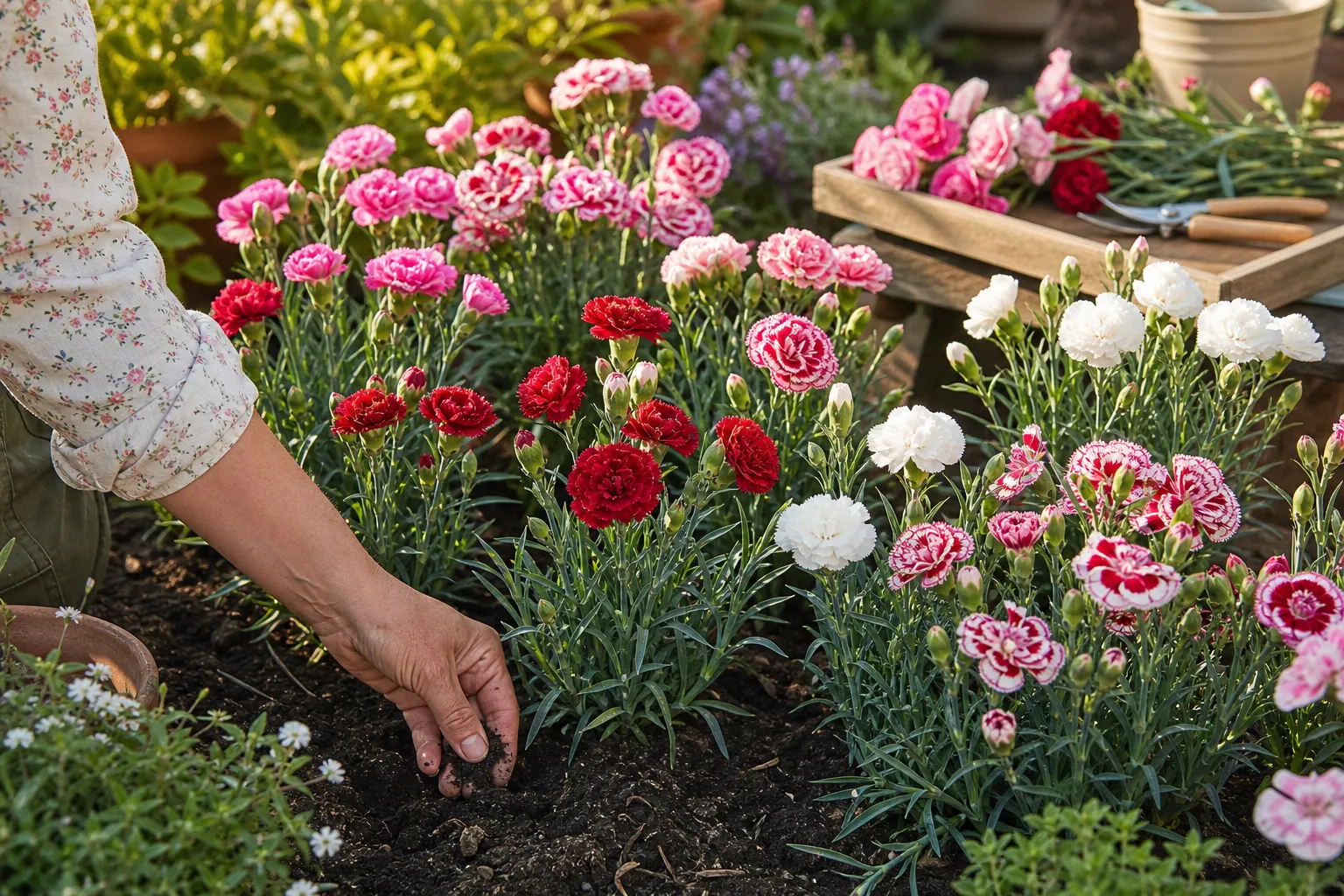
Few flowers combine old-fashioned charm with the staying power of a carnation. With narrow blue-green leaves, sturdy stems and flowers that may smell sweetly of cloves, Dianthus caryophyllus earns a place in cutting gardens, sunny borders and containers. Depending on the cultivar and your climate, carnations may behave as short-lived perennials, tender perennials or annuals.
The good news is that carnations are easier to grow than their florist-shop reputation suggests. Give them plenty of sun, sharp drainage and a little regular grooming, and they can reward you with weeks of flowers. Here is a practical guide for growing them in a U.S. garden, from planting and watering to taking cuttings for new plants.
Get to know the garden carnation
True carnations belong to the large Dianthus genus, but not every plant sold as a “carnation” is the same type. Garden centers may offer border carnations, compact bedding forms, florist-style cultivars and hybrids related to other dianthus species.
Traditional border carnations generally form upright clumps about 12 to 24 inches tall. Florist types can produce taller stems, although they often perform best with more specialized growing conditions. Compact cultivars suit containers and edging, while taller varieties are useful for cutting gardens.
Flowers may be single, semi-double or fully double, in shades of white, pink, red, purple, yellow and bicolors. Some cultivars have a strong clove-like fragrance, while others are only lightly scented. When shopping, check the plant label for mature height, bloom season and hardiness information rather than relying on the common name alone.
Choose the right spot before planting
Sunlight and drainage determine much of a carnation’s success. Choose a location that receives at least six hours of direct sun daily. In areas with very hot summers, plants may appreciate bright morning sun and light afternoon shade, particularly when grown in containers.
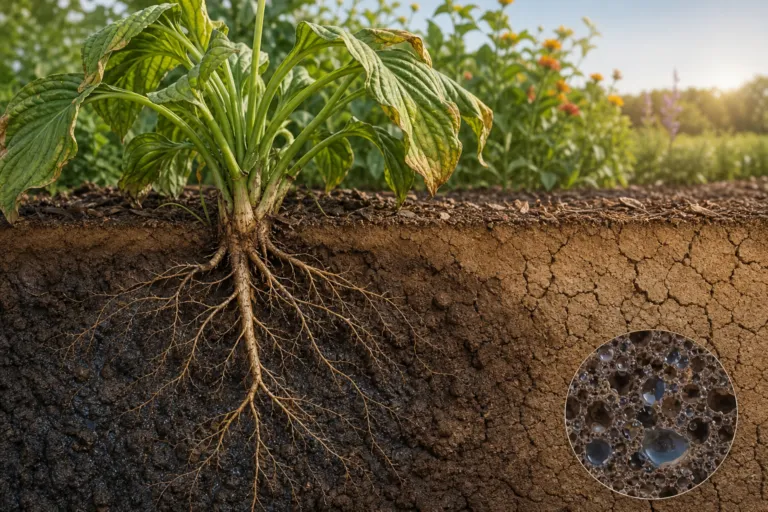
The soil should drain quickly after rain or irrigation. Carnations dislike sitting in wet soil, especially during cool weather. A raised bed, sloped border or container with drainage holes is often safer than a low area where water collects.
Before planting, loosen the soil 8 to 10 inches deep. If the ground is heavy clay, improve the planting area with compost and coarse organic material, but do not create a small pocket of overly rich soil surrounded by dense clay. Water must be able to move through the whole root zone.
Ideal growing conditions
- Light: Full sun, with some protection from intense afternoon heat in hot climates.
- Soil: Moderately fertile, well-drained soil with a neutral to slightly alkaline reaction.
- Moisture: Even moisture during active growth, but never constantly wet soil.
- Airflow: Space plants so leaves dry quickly after watering and rain.
- Containers: Use a quality potting mix and a pot with open drainage holes.
When and how to plant carnations
In much of the United States, spring is the easiest planting season. Set out nursery plants after the danger of hard frost has passed in colder regions. In mild-winter areas, you can often plant in fall so roots establish during cool weather.
Use your local average last frost date as a guide, but also watch soil and nighttime temperatures. Young carnations may tolerate cool conditions, yet tender new growth can suffer from a hard freeze. If a late frost threatens, cover plants with frost fabric or an overturned container for the night, removing the cover the next morning.
Planting steps
- Water the nursery plant a few hours before planting.
- Dig a hole about as deep as the root ball and slightly wider.
- Set the plant so the crown, where the stems meet the roots, sits at soil level.
- Backfill gently and firm the soil without packing it hard.
- Water slowly to settle the roots.
- Add a light mulch layer, keeping it a couple of inches away from the stems.
Spacing depends on the cultivar. As a starting point, allow 10 to 18 inches between compact plants and 12 to 24 inches for larger border types. Good spacing may look generous at first, but it helps reduce crowding and improves air circulation as plants mature.
Watering: steady moisture without soggy roots
Carnations need regular moisture while establishing roots and forming flower buds. Once established, they are moderately drought tolerant, but prolonged dryness can reduce flowering and cause foliage to look dull or limp.
Instead of watering by habit, check the soil. Push your finger about 1 inch into the surface. If it feels dry at that depth, water thoroughly. If it still feels cool and moist, wait and check again the next day.
A simple watering measurement
For a newly planted carnation in a 1-gallon container or a small garden space, begin with about 1 to 2 quarts of water per session, adjusting for weather, soil and drainage. In a 12-inch container, that may mean watering until a small amount drains from the bottom. The exact volume matters less than wetting the full root ball without leaving the pot standing in water.
Try a one-week home watering trial:
- Check the soil each morning for seven days.
- Record whether the top inch is dry, slightly moist or wet.
- Measure the amount of water used with a quart container.
- Note rainfall, temperature and afternoon wilting.
- Adjust the next watering so the soil dries slightly between sessions but never becomes dusty and hard.
During hot, windy weather, containers may need water daily, while garden plants in moisture-retentive soil may need watering only every few days. Water at the soil line in the morning when possible. Frequent splashing over the foliage can encourage leaf diseases.
How to encourage more flowers
Carnations naturally produce more flowers when you remove fading blooms before they form seeds. This practice, called deadheading, redirects the plant’s energy toward new buds and keeps the plant looking tidy.
Use clean scissors or pinch off the spent flower just above a healthy set of leaves. If a stem has finished flowering, you can trim it back by about one-third to one-half, provided you leave plenty of healthy foliage.
For larger blooms, some growers remove side buds so the plant concentrates energy on one central flower. This is especially useful for cut flowers. If you prefer a fuller display in the garden, leave more buds in place and enjoy the greater number of smaller flowers.
Fertilizing without overdoing it
Carnations do not need heavy feeding. Too much nitrogen can produce lush foliage with fewer flowers and softer growth. Before planting, mix a modest amount of finished compost into poor soil. During the growing season, use a balanced, slow-release fertilizer according to the product label if plants show weak growth or pale foliage.
Avoid applying fertilizer to dry soil, and water after feeding if the label recommends it. Container plants may need more regular feeding because nutrients wash out with frequent watering, but always follow the fertilizer directions rather than increasing the dose.
Compare cultivars before you commit
Choosing a cultivar is one of the most enjoyable parts of growing carnations. A small comparison can prevent disappointment and help you match plants to your garden.
- Compact bedding types: Useful for containers and the front of a border; often produce many shorter stems.
- Border carnations: Upright, traditional garden plants with attractive fragrance and good cut-flower potential.
- Tall florist-style types: Valued for long stems and large blooms, but usually more demanding about support, temperature and consistent care.
- Heat-tolerant selections: Often a better choice for the South and Southwest, especially when given afternoon protection.
- Cold-climate selections: Look for plants specifically described as hardy in your USDA zone, and expect some cultivars to need winter protection.
For a useful trial, plant two or three cultivars in the same bed and record their height, flowering time, fragrance, disease resistance and performance during hot or wet spells. A simple garden notebook can reveal which plants truly suit your conditions.
Propagating carnations from cuttings
Softwood cuttings are the best way to reproduce a named carnation while preserving its characteristics. Seed-grown plants may vary, especially when they come from hybrids, but cuttings produce genetic copies of the parent plant.
Take cuttings in summer from healthy, nonflowering shoots. Choose firm but flexible stems that have not become woody.
Step-by-step cutting method
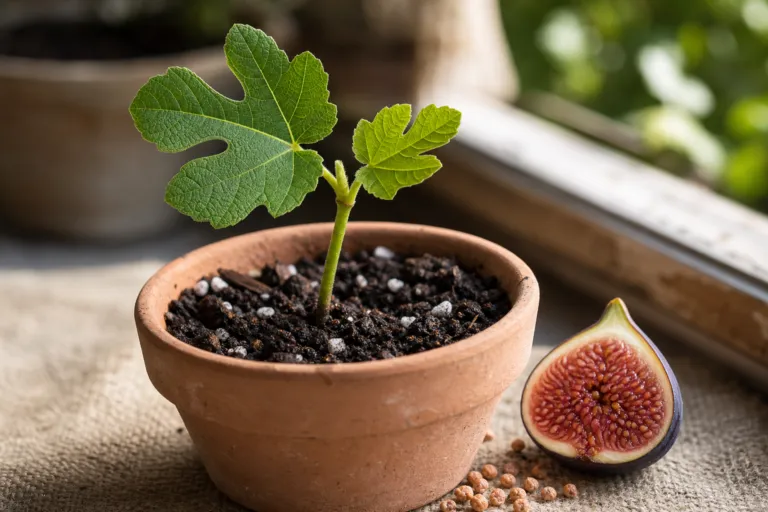
- Fill a small pot or propagation tray with a clean, well-drained rooting mix, such as a blend of potting mix and perlite.
- Water the mix, then let excess moisture drain.
- Cut a 3- to 5-inch shoot just below a leaf joint using a clean, sharp blade.
- Remove the lower leaves, leaving a few leaves at the top.
- Insert the cutting into the mix so at least one leaf joint is below the surface.
- Firm the mix around the stem and place the pot in bright, indirect light.
- Keep the mix lightly moist, never saturated.
A loose plastic cover can help maintain humidity, but keep it from touching the leaves and open it regularly to improve airflow. Rooting time varies with temperature, light and plant condition. Once new growth appears and the cutting resists a gentle tug, move it into its own pot and gradually acclimate it to brighter light.
Growing carnations from seed
Seed is a practical option when you want many plants or a wider range of colors. Start seeds indoors several weeks before your region’s last spring frost, following the timing on the seed packet. Press the seeds lightly into a moist seed-starting mix and cover them only lightly, since seedlings need light and air to emerge successfully.
Give seedlings bright light and good airflow. When they develop several sets of true leaves, transplant them into individual containers. Harden them off over about a week by gradually exposing them to outdoor conditions before planting them in the garden.
Remember that seed-grown plants may not look exactly like the parent, particularly when the seed came from a mixed or hybrid variety. If you want an exact copy of a favorite carnation, use cuttings instead.
Common problems and practical fixes
Yellowing leaves or collapsing stems
These symptoms often point to overly wet soil, poor drainage or root and crown problems. Check the planting site before watering again. If the soil stays wet for days, improve drainage or move container plants into a more open mix.
Long, floppy growth
Insufficient light, excess nitrogen or crowding can lead to weak stems. Move container plants to a sunnier location, avoid high-nitrogen feeding and space plants more generously. Tall cultivars may benefit from discreet stakes.
Few flowers
Too much shade, excessive fertilizer and severe heat can all reduce flowering. Increase light where possible, deadhead regularly and keep plants evenly watered during bud formation.
Spots, mildew or rusty foliage
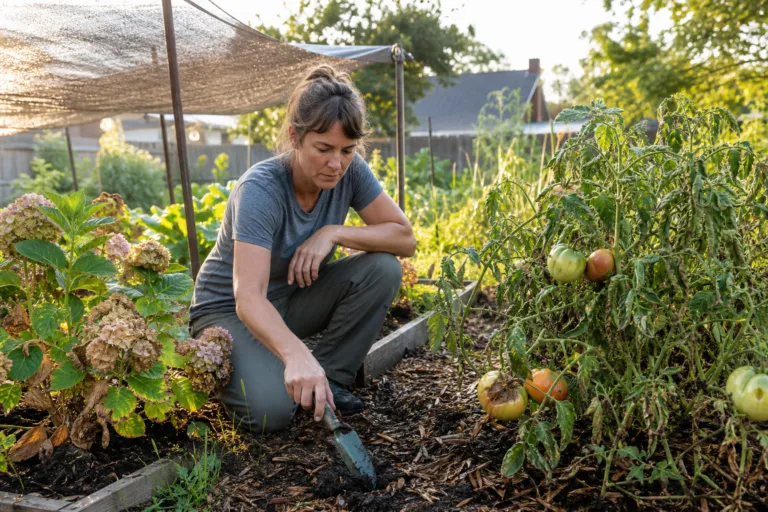
Improve airflow, water at the base and remove badly affected leaves. Avoid working among wet plants, since moisture can spread some diseases. If a problem continues, take a sample or clear photograph to a local county extension office or reputable garden center for identification before choosing a treatment.
Bring the carnation garden into bloom
Carnations reward attention, but they do not require complicated care. Start with sun and drainage, water when the top inch of soil dries, remove faded flowers and choose cultivars suited to your climate. With those basics in place, you can enjoy fragrant blooms in the garden and bring sturdy stems indoors for bouquets.
Begin with one healthy plant this season, take notes and try a few cuttings in summer. By next year, you may have a small collection of dependable carnations that feel completely at home in your own garden.