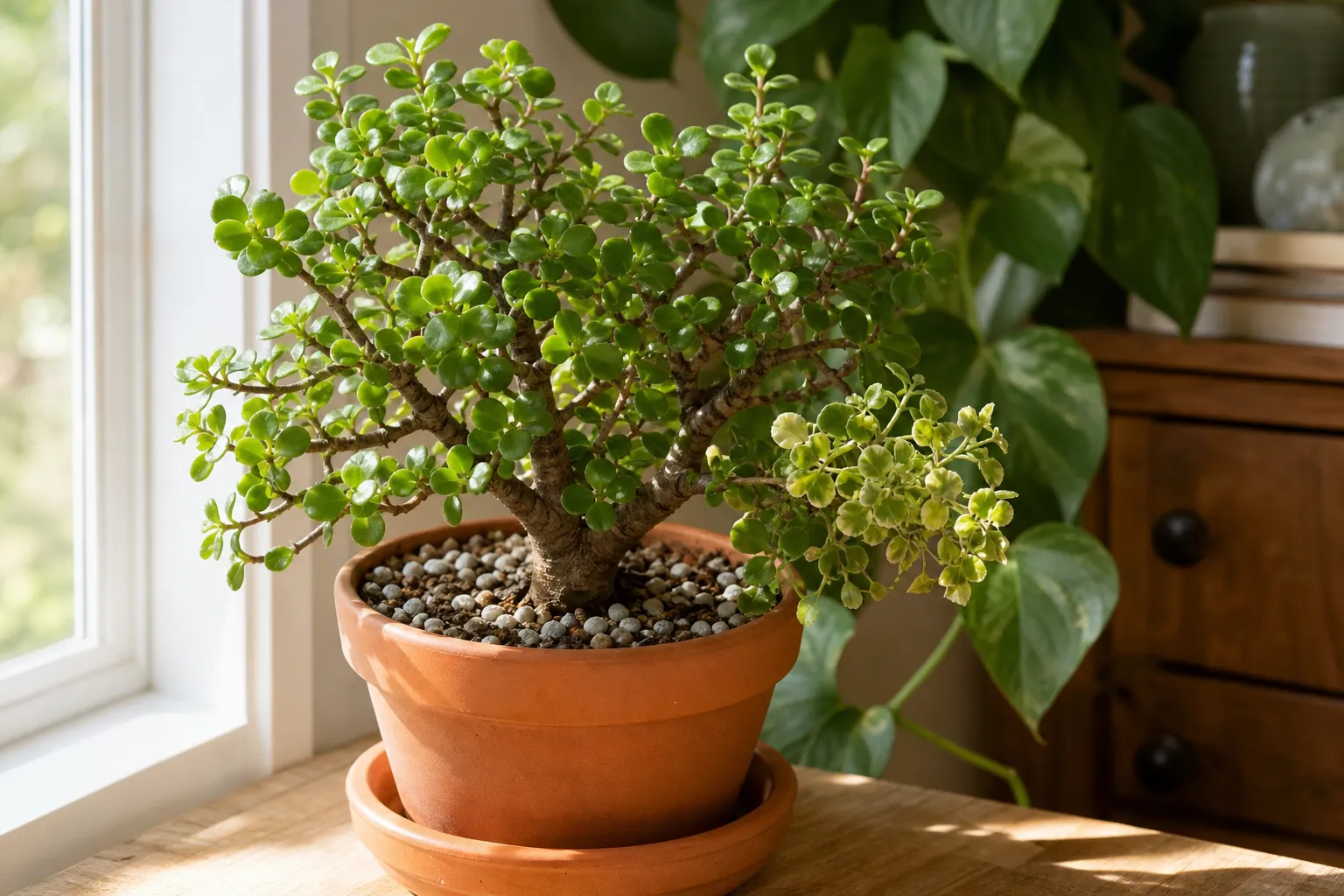
Few things are more alarming than touching your elephant tree and finding that its normally firm, plump leaves have turned soft. The good news is that this symptom does not automatically mean the plant is doomed. In most cases, soft leaves are a clue that the plant’s water balance has been disrupted—and the solution starts with checking the soil, roots, light, and temperature before you reach for the watering can.
In this article, “elephant tree” refers to Portulacaria afra, also called elephant bush, porkbush, spekboom, or dwarf jade. It is a succulent with fleshy leaves and stems that store water. That storage system makes the plant forgiving, but it also means the plant can suffer when its roots stay wet for too long.
What soft leaves are telling you
Healthy elephant bush leaves should feel firm and slightly plump. They may become a little less rigid after a long, dry period, but they should not feel limp, mushy, or waterlogged. Softness can result from too little water, too much water, damaged roots, sudden temperature stress, or a combination of these problems.
Look at the whole plant rather than focusing on one leaf. A single soft leaf may simply be old or damaged. A plant-wide change deserves a closer inspection, especially if you also notice yellowing, leaf drop, blackened stems, a sour smell from the pot, or soil that remains damp for many days.
The most common causes of soft elephant tree leaves
1. The soil is staying wet too long
Overwatering does not only mean adding a large amount of water at once. It can also mean watering too frequently, using a pot without a drainage hole, or growing the plant in a dense mix that dries very slowly. When air-filled spaces in the soil remain saturated, roots can become damaged and lose their ability to take up water.
That creates a confusing situation: the plant may look wilted even though the soil is wet. Adding more water usually makes the problem worse. Check the moisture several inches below the surface before watering again.
Warning signs of excessive moisture include:
- Soft leaves that are yellowing or dropping.
- A trunk or stem base that feels soft, dark, or unstable.
- Soil that is still damp after a week or more.
- A musty or sour smell from the container.
- Water collecting in a saucer or decorative cachepot.
2. The plant is genuinely too dry
Elephant bush is drought-tolerant, but drought-tolerant does not mean drought-proof. If the soil has pulled away from the sides of the pot, feels dry throughout the root ball, and the leaves are thin, wrinkled, or flexible, the plant may need a thorough drink.
Plants grown in small pots, terracotta containers, hot windows, or windy outdoor locations can dry out much faster than expected. A dry surface does not always tell the full story, so push a finger or wooden chopstick several inches into the soil. If the deeper mix is dry as well, watering is probably appropriate.
3. The roots have been damaged
Roots can suffer from prolonged wetness, severe drought, repotting shock, cold soil, or physical damage. Once a large portion of the root system stops functioning, the plant may develop soft leaves because it can no longer regulate water properly.
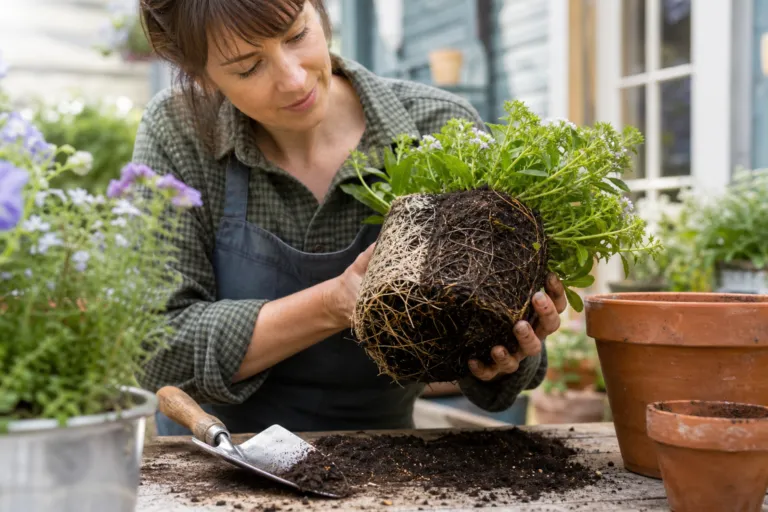
Root trouble is especially likely when the leaves remain soft even after the soil has dried to the proper depth. Gently slide the plant from its pot if the symptoms continue. Healthy roots are generally firm and pale tan to cream. Mushy, very dark, hollow, or foul-smelling roots indicate decay and should be removed with clean, sharp scissors before repotting into fresh, well-drained mix.
4. Light levels are too low
Low light does not always cause soft leaves by itself, but it slows water use. If you continue watering on the same schedule while the plant receives less light, the soil can remain wet and the roots may suffer.
An elephant bush usually performs best in bright light. Indoors, place it near a bright window and introduce stronger direct sun gradually if it has been growing in shade. A sudden move into intense afternoon sun can scorch foliage, so increase exposure over several days rather than making an abrupt change.
5. Cold or sudden temperature changes
Succulents use water more slowly in cool conditions. A plant placed against a cold window, near an exterior door, or beside a heating or cooling vent may respond with soft leaves, leaf drop, or slow growth. Cold, wet soil is particularly stressful because roots remain surrounded by moisture while the plant’s demand for water is low.
Move the plant away from drafts and avoid watering by the calendar during cool, low-light periods. Let the soil dry more deeply between waterings in winter, while still checking the plant rather than following a rigid schedule.
How to diagnose the problem in 10 minutes
Before watering, work through this quick check:
- Feel the leaves. Are they thin and wrinkled, or swollen and mushy?
- Check the soil below the surface. Test at least 2 to 3 inches deep for a small container and deeper for a large one.
- Inspect drainage. Confirm that the pot has an open drainage hole and that excess water can escape.
- Lift the container. A very light pot often indicates dryness; a surprisingly heavy pot may still contain substantial moisture.
- Examine the stem base. Firm bark is reassuring. Soft, dark, or collapsing tissue needs urgent attention.
- Review recent changes. Think about a move, repotting, cloudy weather, a cold snap, a heat wave, or a change in watering frequency.
This simple process prevents the most common mistake: watering a plant that is already wet because its leaves look wilted.
The correct way to water an elephant tree
Water deeply, then allow partial drying
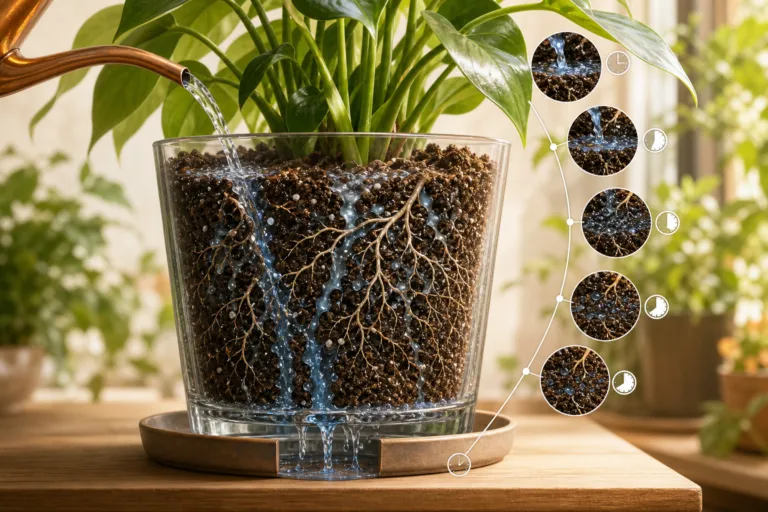
When the soil is dry to the appropriate depth, water slowly over the entire surface until a small amount drains from the bottom of the pot. This wets the full root ball instead of leaving dry pockets around the edges.
After watering, empty the saucer or outer container. Do not let the pot sit in standing water. Then wait until the mix has dried substantially before watering again. For many indoor plants, that may mean every 10 to 21 days during brighter, warmer weather and considerably less often during cool winter conditions. These are starting points, not rules: pot size, soil, light, humidity, and temperature can change the schedule dramatically.
Use a measured watering test
If you tend to overwater, try a simple measurement experiment. Weigh the dry pot, or record its weight immediately after a thorough watering. Check it every few days. You will quickly learn how much lighter the container becomes as the mix dries.
For a more practical test, choose one watering day and record:
- The date and indoor or outdoor location.
- How many fluid ounces of water you apply.
- How long it takes for the first drops to drain.
- Whether the soil is dry 2 to 3 inches down after 7, 10, or 14 days.
For example, a small 6-inch pot may require roughly 12 to 24 fluid ounces to thoroughly moisten the root ball, while a larger container may need more. The number is not a prescription. The useful measurement is whether water reaches the entire root zone and drains freely, followed by enough drying time before the next watering.
What to do if the soil has become bone-dry
Very dry potting mix can become water-repellent. Water may run down the sides and out of the drainage hole without wetting the center of the root ball. If that happens, water slowly in two or three passes, waiting several minutes between applications.
For a small pot, you can also place the container in a shallow basin of water for about 10 to 20 minutes, then allow it to drain completely. Do not leave it soaking for hours. The goal is to rehydrate the soil, not keep the roots submerged.
Choosing the right soil and container
Good drainage begins before the first watering. Use a commercial cactus or succulent mix, or improve a standard indoor potting mix with a coarse, mineral component such as pumice or perlite. The finished mix should hold enough moisture for the roots to absorb water but release excess water quickly.
Always choose a container with a drainage hole. A decorative pot without drainage can still work as an outer cover, but the plant should remain in a separate inner pot that you can remove for watering. Do not rely on a layer of gravel at the bottom of a sealed pot to solve drainage problems; it does not replace an open drainage hole and well-structured soil.
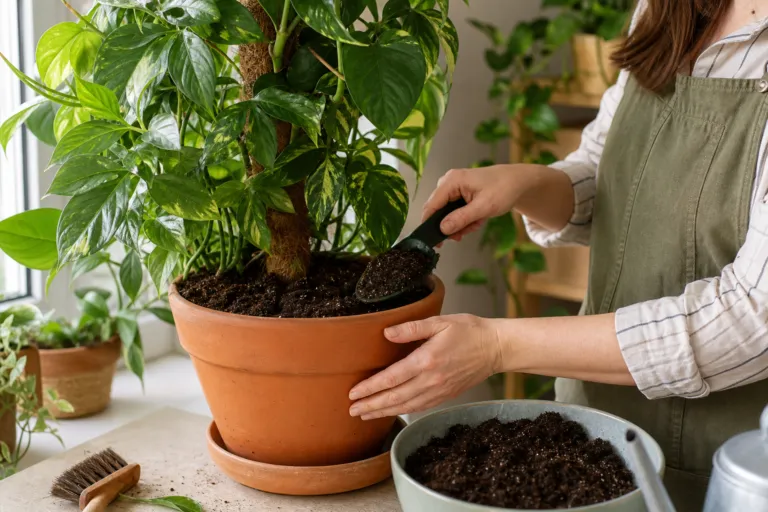
When repotting, avoid jumping into a much larger container. Extra soil stays wet longer, particularly around a small root system. Move up only one pot size when necessary, and wait until the new mix is beginning to dry before establishing your normal watering routine.

Varieties do not all behave identically
Standard green Portulacaria afra is usually vigorous and forgiving. Variegated forms, often sold as rainbow bush, may grow more slowly and can have less chlorophyll in their leaves. They may use water more slowly in the same location, so watering them by the calendar can be risky.
Compact, bonsai-trained plants also need special attention. A shallow bonsai container contains less soil and may dry faster, while dense pruning can reduce the plant’s water demand. Compare the soil and the plant’s growth rate rather than assuming every elephant bush needs the same interval.
A small growing experiment worth trying
If your plant’s watering needs seem unpredictable, run a two-week observation test. Mark the pot with a removable label and record the soil condition every three days at 2 inches deep. Note the number of hours of bright light, room temperature, and whether the pot feels light or heavy.
Try this with two similar plants if you have them: keep one in a brighter window and one in bright indirect light. Give both a thorough watering only when their soil reaches the same dryness. You may find that the brighter plant dries several days sooner, while the lower-light plant stays wet and needs less frequent watering.
This kind of simple comparison is more useful than copying a fixed schedule from a plant tag because it reflects your home, your pot, and your season.
When to prune or repot
Do not prune healthy branches simply because the leaves feel soft. First correct the moisture problem and give the plant time to respond. Remove leaves that are clearly collapsed or rotting, but avoid heavy pruning while the plant is stressed.
Repot promptly if you find rotting roots, a persistently waterlogged mix, or a container with no drainage. Cut away only dead or mushy roots, keep as much healthy root tissue as possible, and place the plant in fresh, dry-to-slightly-moist succulent mix. After repotting, wait several days before watering so damaged roots can settle.
How to prevent soft leaves next time
- Give the plant bright light and increase direct sun gradually.
- Use a pot with a drainage hole and a fast-draining mix.
- Check soil moisture before every watering.
- Water thoroughly rather than giving frequent small sips.
- Empty standing water from saucers and cachepots.
- Water less often during cool, dark winter conditions.
- Move the plant away from cold drafts and forced-air vents.
- Keep a brief watering record until you understand its seasonal rhythm.
The encouraging bottom line
Soft leaves are a signal, not a verdict. If the soil is dry, give the root ball a complete drink and improve your watering technique. If the soil is wet, pause watering, improve light and drainage, and inspect the roots if the plant does not recover.
With bright conditions, a draining container, and a cycle of thorough watering followed by partial drying, an elephant tree can remain healthy for years. Resist the urge to water on autopilot. Once you learn to read the soil as well as the leaves, this remarkably adaptable succulent becomes much easier to grow.