There is no single pest that ruins every houseplant collection, but if you ask experienced indoor gardeners which enemy causes the most frustration, thrips are likely to come up again and again. These tiny insects are fast, difficult to spot, able to hide deep inside new growth, and capable of living through several life stages in different parts of the plant and pot.
That combination makes thrips more difficult to control than many familiar pests, including aphids or fungus gnats. A single treatment may kill the insects you can see while eggs, larvae, or developing stages survive elsewhere. By the time new damage appears, the next generation may already be feeding.
The good news is that a thrips infestation is manageable when you stop treating it as a one-spray problem. With early detection, isolation, careful cleaning, repeated monitoring, and a treatment plan suited to indoor use, you can often save valuable plants.
Why thrips are the houseplant pest to fear
Thrips are slender insects, usually about one-sixteenth of an inch long. They may be pale yellow, tan, brown, or nearly black, depending on the species and life stage. Adults can fly, although they often move in quick runs when disturbed. Immature thrips are smaller, wingless, and especially easy to miss.
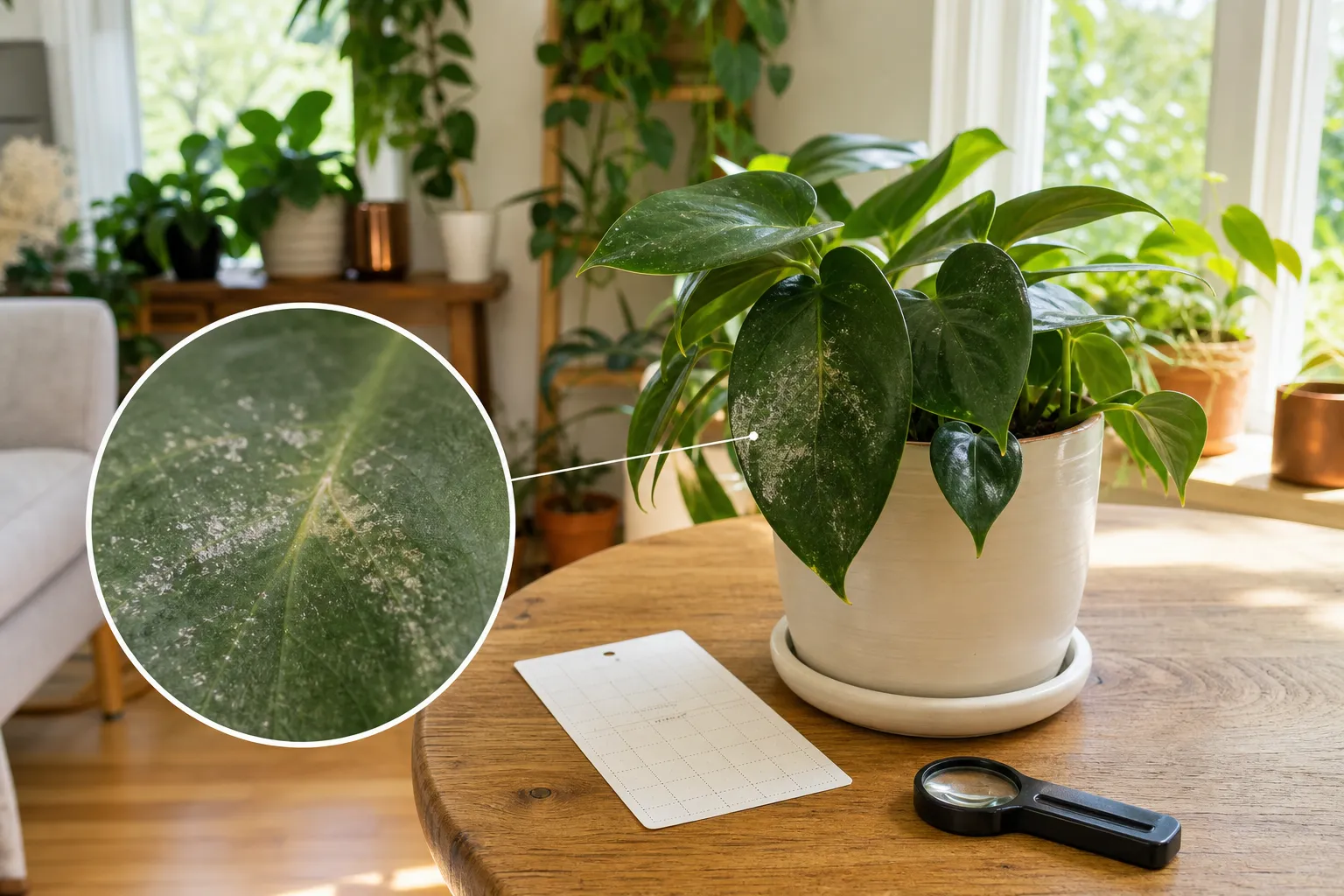
They feed by scraping plant tissue and then sucking up the released fluids. This feeding style leaves characteristic damage:
- Silvery, pale, or bronze streaks on leaves
- Distorted new growth and curled leaves
- Flowers that fail to open or emerge misshapen
- Brown or black scars on tender tissue
- Tiny dark specks of excrement on leaves
- Premature leaf drop when the infestation becomes severe
Damage may look similar to spider-mite injury, mineral spotting, sunscald, or even a watering problem. That is one reason thrips often gain a head start: the plant looks “unhappy” before the gardener realizes insects are responsible.
The life cycle explains the control problem
Thrips are difficult because they do not remain in one exposed location. Adults and young larvae feed on leaves, flowers, buds, and growing tips. Eggs are inserted into plant tissue, where a surface spray may not reach them. Later, the nonfeeding prepupal and pupal stages may drop into the potting mix or hide in plant crevices.
In warm conditions, some thrips can complete a generation in roughly two weeks. Heated homes, grow tents, and bright plant rooms can therefore provide a nearly continuous growing season. You may eliminate the adults on Monday and still see fresh adults emerging a week or two later.
Many common houseplant treatments work mainly by contact. They must touch the pest directly, and they may have little or no effect on eggs protected inside leaves or on developing stages in the soil. This is why one thorough-looking application can produce disappointing results.
They hide where sprays miss
Thrips often shelter inside tightly folded leaves, flower buds, leaf axils, and shoot tips. On a plant with dense foliage, it is hard to cover every feeding site. Spraying only the upper surface of large leaves is rarely enough.
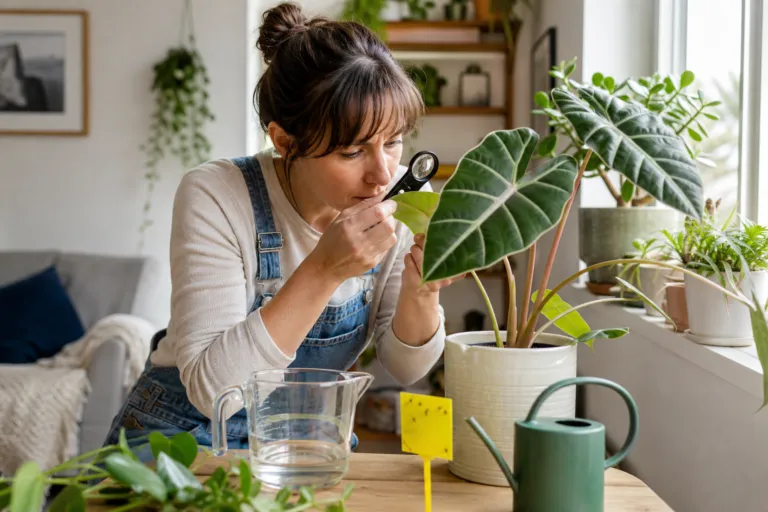
They also move quickly. When you disturb a plant, adults may fly away while larvae remain tucked into protected tissue. A white sheet of paper or a hand lens can help you confirm the diagnosis, but you may still see only a fraction of the population.
They move easily through a collection
A plant does not need to touch its neighbor for thrips to spread. Adults can fly or be carried on clothing, tools, cuttings, and recently purchased plants. Outdoor plants brought indoors at the end of summer can also introduce pests to a previously clean collection.
For that reason, treat a new plant as a possible quarantine subject rather than placing it immediately among your favorites. Keep it separate for at least a couple of weeks, inspect the undersides of leaves and new growth, and use sticky traps to monitor flying adults.
How to tell thrips from spider mites and other pests
Correct identification matters because different pests require different strategies. Thrips often leave silvery streaks and black specks, while spider mites tend to cause fine stippling, yellowing, bronzing, and sometimes delicate webbing. Aphids cluster on tender stems and buds, and mealybugs look like small cottony tufts. Fungus gnats usually fly around the potting mix rather than feeding extensively on foliage.
Try this simple check:
- Place a sheet of white paper beneath a leaf or flower.
- Gently tap or shake the plant.
- Watch for tiny, narrow insects moving across the paper.
- Inspect new leaves, flowers, leaf axils, and the undersides of leaves with a 10x hand lens if possible.
- Look for shiny black specks and silvery scars that do not wipe away.
Blue or yellow sticky cards can help detect adult thrips, but they are monitoring tools rather than a complete solution. They may reduce the number of flying adults, yet they will not remove eggs or larvae hidden on the plant.
A practical control plan for home gardeners
1. Isolate the plant immediately
Move the suspect plant away from the rest of your collection. Ideally, leave several feet between it and other plants, but a separate room is even better. Check plants that were sitting nearby, especially those with tender new growth or open flowers.
Clean pruning shears and wash your hands after handling an infested plant. If you have a grow tent, greenhouse cabinet, or plant shelf with strong air movement, inspect nearby plants carefully rather than assuming the problem is limited to one pot.
2. Remove the worst-damaged growth
Prune heavily scarred leaves, spent flowers, and badly distorted growing tips. Bag the material and place it in the household trash rather than composting it. Pruning does not solve the infestation by itself, but it removes feeding sites and makes the remaining plant easier to inspect and treat.
Do not remove every imperfect leaf automatically. A plant still needs enough foliage to support recovery, especially during the lower-light months. Focus on tissue that is badly damaged, actively harboring insects, or unlikely to recover.
3. Wash the plant thoroughly
A firm stream of lukewarm water can dislodge many larvae and adults. Take the plant to a sink, shower, or outdoor location when temperatures are suitable. Direct the water to both sides of the leaves, the petioles, stems, buds, and growing points.
Use care with delicate plants, fuzzy leaves, fragile stems, and plants that dislike wet foliage. Let the plant drain fully afterward, and avoid leaving water pooled in the crown of rosette-forming plants.
4. Use a labeled indoor treatment if needed
Insecticidal soap and horticultural oil can help control exposed thrips when used correctly. These products work best when they thoroughly contact the pest, so coverage matters more than simply spraying until the leaves look wet. Follow the product label for the plant, pest, dilution, reapplication interval, and indoor-use directions.
Some products containing spinosad are labeled for thrips on certain ornamental plants and may offer better control than contact products because the active ingredient can reach insects feeding within treated tissue. However, product labels vary, and not every formulation is approved for every houseplant or indoor situation. Never assume that a garden product is safe to use indoors.
- Test any spray on a small section first and wait for signs of leaf injury.
- Do not spray drought-stressed, heat-stressed, or newly repotted plants unless the label specifically allows it.
- Avoid treating plants in direct, intense sunlight or high heat.
- Never mix products unless the label specifically permits the combination.
- Keep people and pets away according to the product directions.
- Do not spray flowering plants with products that can harm visiting pollinators if the plant will be placed outdoors.
Because eggs and protected stages can survive, repeat treatments may be necessary. Use the label schedule rather than applying products more often or at a stronger concentration.
5. Address the potting mix
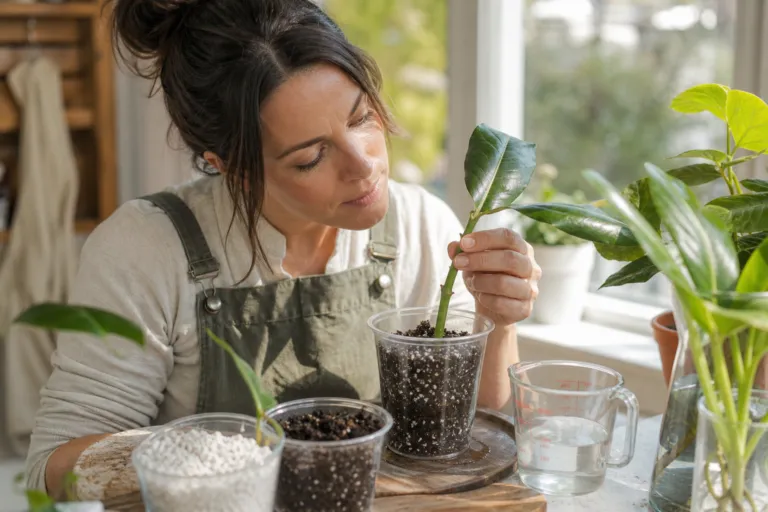
Some thrips pupate in or on the soil surface. You may not need to repot every plant, but a badly infested specimen can benefit from removing the upper layer of potting mix and replacing it with fresh, clean mix. In more severe cases, repotting into a clean pot with fresh medium may reduce the number of developing stages.
Repot carefully. Do not reuse infested potting mix, and wash the old container before using it again. Repotting can stress a plant, so it makes sense to reserve this step for serious infestations or plants that are already due for a change of mix.
Why watering and plant stress matter
Watering does not cause thrips, but plant stress can make recovery harder. Avoid swinging between bone-dry soil and saturated soil. Instead of watering by calendar, check the root zone with your finger or a moisture meter.
For a practical measurement, a 6-inch pot may need around 12 to 20 fluid ounces of water in a typical indoor setting, but the correct amount depends on the plant, potting mix, light, temperature, and drainage. The useful measurement is not a universal number; it is how long the mix takes to dry and whether excess water drains freely from the pot.
Try a simple two-week observation:
- Record the pot’s weight immediately after watering.
- Check it again every two days.
- Note when the top 1 to 2 inches of mix become dry, if that suits the plant.
- Water thoroughly until a small amount drains from the bottom.
- Empty the saucer after about 10 minutes.
This approach helps you avoid both drought stress and persistently wet soil. A healthy plant is not immune to thrips, but it is usually better able to produce new growth after the pest pressure declines.
Can different houseplant varieties resist thrips?
Some plant varieties appear less attractive or less vulnerable than others, but “thrips-resistant” is not a reliable promise for most houseplant collections. Plants with soft new growth, abundant flowers, or dense, sheltered foliage can be especially appealing. A vigorous foliage plant may tolerate a small population better than a prized flowering plant whose buds are easily distorted.
If you are comparing varieties, focus on practical traits rather than expecting immunity. Plants with sturdy leaves, open growth, and fewer tightly packed buds may be easier to inspect and wash. Fast-growing plants may also recover more quickly, although they can provide plenty of new tissue for thrips to feed on.
When buying a new plant, choose a healthy specimen with clean new growth. Avoid plants with unexplained silvering, distorted leaves, black specks, or insects flying from the foliage when the pot is moved.
When should you give up on an infested plant?
Saving a plant is rewarding, but it is not always the best use of your time. Consider discarding a plant when the infestation has spread throughout a large collection, the plant has little healthy growth left, or repeated treatments have failed despite correct identification and careful application.
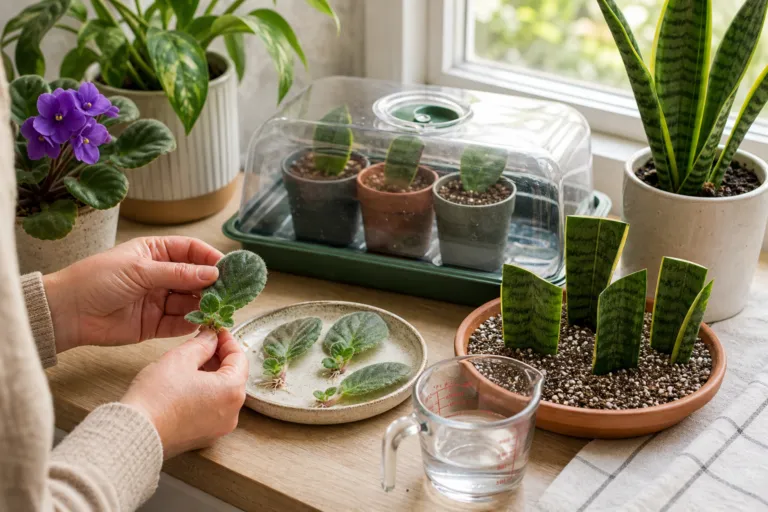
Discarding one heavily infested plant can protect dozens of healthier plants. If the plant is rare or sentimental, take clean cuttings only from tissue that shows no damage or insects, and keep those cuttings isolated while they root. Do not propagate from a plant simply because it is expensive; propagation can also multiply the problem.
The best defense is a routine, not a rescue spray
Thrips are hard to control because they combine stealth, mobility, rapid reproduction, and protected life stages. No single tactic reaches every insect. The most dependable approach combines quarantine, inspection, washing, pruning, sticky-card monitoring, careful treatment, and patience.
Check your plants once a week, especially after bringing home new purchases or moving outdoor plants inside for winter. Look closely at new leaves and flowers, where early damage often appears. If you catch thrips before the population explodes, you have a much better chance of keeping the plant healthy.
Most importantly, do not be discouraged by a setback. Thrips can be persistent, but a calm, repeated plan works far better than spraying harder and hoping for the best. Protect your healthiest plants first, learn the signs, and give new growth time to replace the damage.