
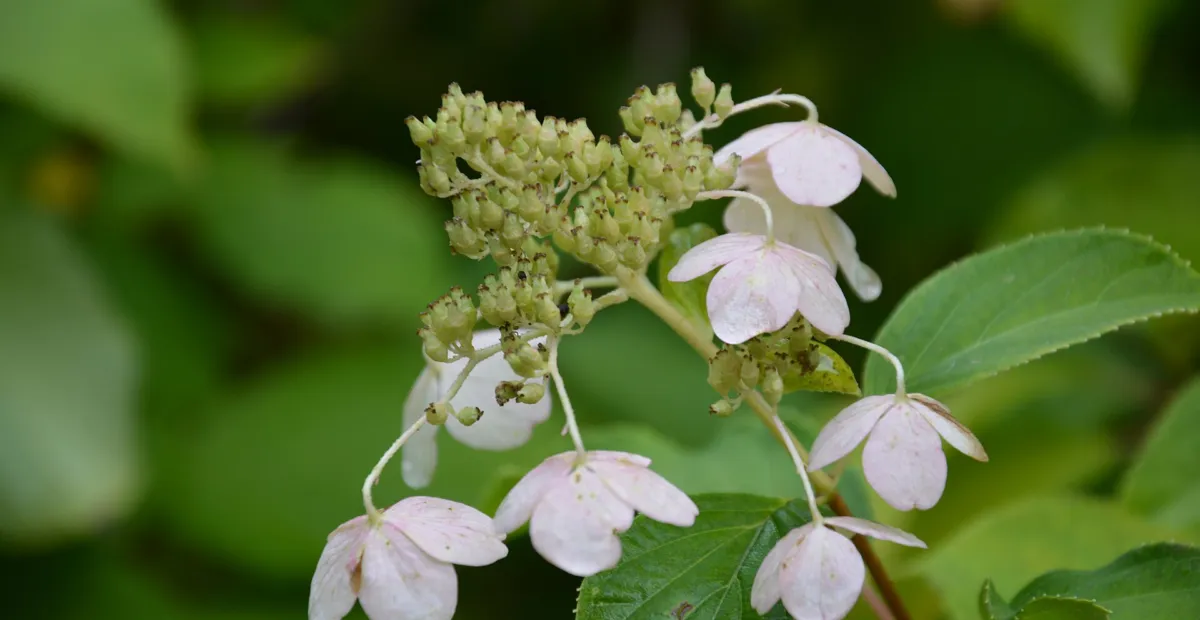
 Source:
 Panicle Hydrangea (Hydrangea paniculata) short overview
Panicle Hydrangea is a hardy, deciduous shrub with large summer panicles that open white and often age pink to bronze. It prefers moist, well-drained soil, sun to partial shade, and blooms on new wood, making it one of the easier hydrangeas to prune and grow in much of the United States. Mature plants may be trained as shrubs or small trees. Hydrangea paniculata is a deciduous, woody flowering shrub with upright growth, large conical summer panicles, and strong cold tolerance. It is adaptable to sun or partial shade, prefers evenly moist well-drained soil, and flowers on new wood. White blooms often mature through pink and tan shades.
Taxonomic classification
Panicle Hydrangea (Hydrangea paniculata) care guide
Light and placement
Grow in full sun to partial shade. In cooler or moist climates, 6 or more hours of sun produces the fullest flowering; in hot areas, morning sun with afternoon shade can reduce wilting. Too little light causes sparse growth and fewer flowers, while intense afternoon heat combined with dry soil can cause midday droop or scorch.
Watering and humidity
Water deeply when the upper few inches of soil begin to dry, rather than giving frequent shallow irrigation. Keep moisture even during bud development, flowering, and hot weather, especially for newly planted shrubs. Reduce irrigation in cool wet periods, but do not allow container plants or young roots to dry completely.
Soil and growing medium
Use fertile, moisture-retentive but well-drained soil with good organic matter. Loam is ideal; clay can work if drainage is improved. The species tolerates slightly acidic through slightly alkaline conditions. Soil pH mainly affects nutrient availability rather than changing flower color as dramatically as it does in some bigleaf hydrangeas.
Feeding
Apply a balanced, slow-release fertilizer in early spring as growth begins, or top-dress with compost. Avoid heavy nitrogen applications, which can produce weak, leafy growth and fewer or floppier flower heads. Stop routine feeding by late summer so new growth can harden before winter.
Growth and habit
This species develops a strong, upright framework and can become a substantial shrub if left unpruned. Stems may arch under heavy flower heads. Regular renewal pruning helps maintain sturdy flowering wood, while excessive pruning or high-nitrogen feeding can encourage weak, lush shoots.
Planting and repotting
Plant in spring or fall, setting the root ball level with the surrounding soil rather than deeply. Space plants according to mature cultivar size; species-sized plants commonly need 8–12 feet. Mulch lightly over the root zone, keeping mulch away from stems, and irrigate consistently during the first growing season.
For container plants, repot in early spring before vigorous growth begins, moving to a pot only moderately larger. Refresh compacted mix and ensure generous drainage holes. Large specimens are best transplanted while dormant, with the root ball kept intact and watered thoroughly after planting.
Propagation and pruning
Propagation
Take softwood cuttings in late spring or early summer, when new shoots are flexible but beginning to firm. Keep cuttings humid in a sterile, well-drained medium. Hardwood cuttings and layering are also possible. Seed propagation is feasible but may not reproduce named cultivars faithfully.
Pruning
Prune in late winter or early spring before new growth begins. Remove weak or crossing stems, thin congested growth, and shorten selected stems to strengthen the framework. Because flowers form on new wood, the species tolerates substantial reduction, but severe annual cutting can create weak shoots and oversized flower heads.
Overwintering
Plants in Zones 4–8 generally overwinter outdoors without special protection. Apply a light mulch layer over the root zone after the ground cools, especially for newly planted shrubs. Avoid heavy nitrogen late in the season and protect containers from repeated freeze-thaw exposure by moving them to a sheltered location.
Uses
Primarily an ornamental shrub for borders, specimen planting, informal screens, woodland edges, and cut or dried flower arrangements. Compact cultivars suit containers. It is not recommended as an edible or medicinal plant, and plant material should be kept away from pets and children.
Appearance
Leaves are opposite, ovate to elliptic, and coarsely toothed, with a fresh green summer appearance and yellowish fall tones. The shrub has woody, often upright stems and large terminal panicles that provide a strong seasonal outline. Older stems become more substantial and can support tree-form training.
Flowering
Large terminal panicles appear on current-season growth from summer into early fall. Fertile flowers are mixed with showy sterile florets, and the panicles commonly open white before aging through pink, rose, or tan shades. Flowering is generally strongest with adequate light and steady moisture.
Pollination and visitors
Open fertile flowers within the panicles can be visited by bees, bumblebees, hoverflies, and some wasps. Many showy outer florets are sterile, so pollinator value depends on the proportion of fertile flowers and the cultivar’s flower structure.
Hydrangea paniculata photos
Click any photo for a larger view. Source, author and license are shown separately.
Diseases and pests
Diseases
Watch for powdery mildew, leaf spot, gray mold, root rot, and occasional bacterial or fungal problems in crowded or persistently wet conditions. Improve air circulation, water at the soil surface, remove heavily affected foliage, and avoid unnecessary overhead irrigation. Good drainage is especially important for preventing root disease.
Pests
Aphids, scale, spider mites, thrips, and occasionally Japanese beetles may occur. Inspect new growth and leaf undersides, encourage natural enemies, and use a strong water spray for light infestations. Treat only when necessary and follow product directions; drought stress and excess nitrogen can worsen pest problems.
Related diseases and pests
Only Plant Doctor profiles whose host data indicate this plant may be affected are shown here.
 DiseaseGray MoldBotrytis cinerea
 PestChilli thripsScirtothrips dorsalis Hood
 PestCyclamen mitePhytonemus pallidus
 DiseaseAster yellows‘Candidatus Phytoplasma asteris’
 PestStrawberry foliar nematodeAphelenchoides fragariae
 PestJapanese beetlePopillia japonica
 DiseaseMaple powdery mildewSawadaea bicornis
 DiseaseCucurbit Powdery MildewPodosphaera xanthii (Castagne) U. Braun & Shishkoff
Toxicity and pollen
Hydrangea is listed as toxic to dogs and cats. Hydrangeas contain cyanogenic compounds, and chewing plant material may cause gastrointestinal upset and, with larger exposures, more serious signs. Keep pets and children from eating leaves, flowers, or stems and contact a veterinarian or poison service after suspected ingestion.
- Typical season
- Typically summer through early fall in the United States
- Pollination / pollen
- Primarily insect-carried pollen
Hydrangea pollen is mainly released from flowers and carried by visiting insects rather than being strongly wind-dispersed. Species-specific clinical allergy data are limited, so a low documented airborne risk is more defensible than a claim of no risk. People with known pollen sensitivity should use ordinary exposure precautions.
Native habitat
Native to parts of China, Japan, Korea, and Russia, where it occurs in woodland margins, open forests, thickets, and disturbed habitats. It generally favors fertile, moist soils but can tolerate a wider range of conditions once established, provided drainage is adequate.
Interesting fact
Panicle Hydrangea flowers on new wood, so late-winter or early-spring pruning usually does not remove the coming season’s flower buds. The species can be trained into a single-trunk small tree. Its common “Pee Gee” name properly refers to the old cultivar ‘Grandiflora’, not to the species as a whole.
Frequently asked questions (FAQ)
The most relevant questions about this plant, with short and direct answers.
🌱Quick care
What is Panicle Hydrangea?⌄
Panicle Hydrangea is Hydrangea paniculata, a cold-hardy deciduous shrub in the Hydrangeaceae family. It produces large, cone-shaped flower clusters, usually from summer into fall.
How much sunlight does Panicle Hydrangea need?⌄
Panicle Hydrangea grows best in full sun to partial shade. In hot climates, some afternoon shade can reduce wilting, while too much shade may reduce flowering.
How often should I water Panicle Hydrangea?⌄
Water Panicle Hydrangea deeply whenever the soil begins to dry, keeping it evenly moist but not waterlogged. Newly planted shrubs usually need more frequent watering than established plants.
Is Panicle Hydrangea cold hardy?⌄
Yes, Panicle Hydrangea is one of the more cold-hardy hydrangeas. Exact hardiness varies by cultivar, but many selections perform well in USDA Zones 3 through 8.
How big does Panicle Hydrangea get?⌄
The mature size depends on the cultivar, ranging from compact shrubs about 2 to 5 feet tall to larger plants 8 feet or more. Check the cultivar label before planting.
🌤️Environment and placement
What soil is best for Panicle Hydrangea?⌄
Use fertile, moist, well-drained loam enriched with organic matter. Panicle Hydrangea tolerates improved clay soil, but poor drainage can cause root problems.
Can Panicle Hydrangea grow in clay soil?⌄
Yes, Panicle Hydrangea can grow in clay soil if it is improved with organic matter and drains reasonably well. Avoid planting it where water remains standing after rain.
Can Panicle Hydrangea grow in full shade?⌄
Panicle Hydrangea may survive in full shade but usually flowers less and develops weaker growth. Bright partial shade or several hours of direct sun is generally better.
Can Panicle Hydrangea tolerate afternoon sun?⌄
Yes, established Panicle Hydrangea generally tolerates afternoon sun when soil moisture is consistent. In hot, dry areas, afternoon shade can help prevent leaf scorch and wilting.
Where should I plant Panicle Hydrangea?⌄
Plant it in a site with morning or full-day sun, fertile soil, good drainage, and enough room for its mature width. Keep it away from pavement or structures that restrict root and branch growth.
💧Care and problems
How do I fertilize Panicle Hydrangea?⌄
Apply a slow-release, balanced shrub fertilizer in spring if the plant shows poor growth or pale foliage. Avoid excessive nitrogen, which can produce leaves and stems at the expense of flowers.
Why is my Panicle Hydrangea wilting?⌄
Wilting is usually caused by dry soil, heat, transplant stress, or root damage from poor drainage. Check soil moisture several inches below the surface and water deeply if it is dry.
Why is my Panicle Hydrangea not blooming?⌄
Common causes include insufficient sunlight, excessive nitrogen, severe drought, immature plants, or pruning at the wrong time. Panicle Hydrangea flowers on new wood, so late-winter or early-spring pruning is usually safest.
Why are the leaves on my Panicle Hydrangea turning brown?⌄
Brown leaves may result from drought, heat, wind, fertilizer injury, or leaf disease. Improve watering consistency, avoid wetting the foliage, and remove badly damaged leaves if necessary.
Does Panicle Hydrangea need mulch?⌄
A 2- to 3-inch layer of organic mulch helps conserve moisture and moderate soil temperature. Keep mulch a few inches away from the stems to reduce rot and pest problems.
What pests affect Panicle Hydrangea?⌄
Panicle Hydrangea may be affected by aphids, scale, spider mites, and occasionally Japanese beetles. Healthy plants usually tolerate light infestations, but severe problems may require targeted treatment.
What diseases affect Panicle Hydrangea?⌄
Common problems include powdery mildew, leaf spot, and root rot. Good air circulation, careful watering, and well-drained soil help reduce disease pressure.
🪴Planting and repotting
When is the best time to plant Panicle Hydrangea?⌄
Plant Panicle Hydrangea in spring or fall when temperatures are moderate and soil moisture is reliable. Fall planting should be completed several weeks before the ground typically freezes.
How do I plant Panicle Hydrangea?⌄
Dig a hole about as deep as the root ball and two to three times as wide, then set the plant with the crown level with the surrounding soil. Backfill with native soil, water thoroughly, and apply mulch.
Can Panicle Hydrangea be grown in a container?⌄
Yes, compact cultivars can grow in large containers with drainage holes and high-quality potting mix. Containers dry out and freeze more quickly than garden soil, so watering and winter protection require extra attention.
How far apart should Panicle Hydrangea be planted?⌄
Space Panicle Hydrangea according to the cultivar’s mature width, usually leaving about 3 to 8 feet between plants. Allow additional room for larger selections or hedge-style planting.
✂️Propagation and pruning
How do I propagate Panicle Hydrangea from cuttings?⌄
Take softwood cuttings in late spring or early summer, remove the lower leaves, and place them in a moist, well-drained rooting medium. Keep them humid and shaded until roots develop.
Can Panicle Hydrangea be grown from seed?⌄
Panicle Hydrangea can be grown from seed, but seedlings may not resemble the parent cultivar and usually take longer to reach flowering size. Cuttings are preferred for reproducing a named variety.
When should I prune Panicle Hydrangea?⌄
Prune Panicle Hydrangea in late winter or early spring before new growth begins. Because it flowers on new wood, this timing usually preserves the coming season’s blooms.
How hard can I prune Panicle Hydrangea?⌄
You can shorten Panicle Hydrangea moderately in late winter or early spring, but avoid removing excessive wood from a large shrub at once. Severe annual pruning can encourage weak, oversized flower heads and floppy stems.
Should I remove old flowers from Panicle Hydrangea?⌄
Removing faded flowers is optional and mainly improves appearance. You can leave the dry flower heads through winter for seasonal interest, then remove them during late-winter pruning.
⚠️Toxicity and safety
Is Panicle Hydrangea toxic to dogs and cats?⌄
Yes, Panicle Hydrangea is toxic if ingested by dogs and cats. Keep pets from chewing the leaves, stems, buds, or flowers, and contact a veterinarian or pet poison service if ingestion occurs.
Is Panicle Hydrangea poisonous to people?⌄
Panicle Hydrangea should not be eaten and may cause illness if ingested. Keep plant material away from children and do not use it as food or tea.
Can I use Panicle Hydrangea flowers in arrangements?⌄
Yes, Panicle Hydrangea flowers are commonly used in fresh and dried arrangements, but keep cut stems and fallen plant material away from children and pets. Do not ingest any part of the plant.
🌸Flowering and special interest
When does Panicle Hydrangea bloom?⌄
Panicle Hydrangea typically blooms from mid to late summer into fall. The exact timing depends on the cultivar, climate, and growing conditions.
Do Panicle Hydrangea flowers change color?⌄
Many Panicle Hydrangea cultivars open white or greenish-white and gradually develop pink, rose, or red tones as they age. This color change is mainly a cultivar and temperature response, not a simple soil-pH effect.
Can I change the color of Panicle Hydrangea flowers with soil pH?⌄
No, Panicle Hydrangea flower color is generally not changed from blue to pink by adjusting soil pH. Flower color changes are primarily determined by the cultivar and natural aging of the blooms.
Why are my Panicle Hydrangea flower heads floppy?⌄
Floppy flower heads commonly result from excessive nitrogen, heavy blooms, too much shade, or young flexible stems. Adequate sunlight, restrained fertilizing, and selective pruning can improve stem strength.
Can Panicle Hydrangea be trained as a tree?⌄
Yes, Panicle Hydrangea can be trained into a single-trunk tree form, although its natural growth habit is a multi-stemmed shrub. Tree forms need staking and regular maintenance to preserve their structure.
Similar plants
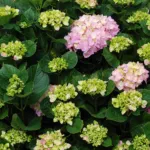 Bigleaf Hydrangea (Hydrangea macrophylla) care guideHydrangea macrophylla
 Generale Vicomtesse de Vibraye (Hydrangea macrophylla ‘Generale Vicomtesse de Vibraye’)Hydrangea macrophylla 'Generale Vicomtesse de Vibraye'
 Hydrangea ‘Aspera Villosa’Hydrangea 'Aspera Villosa'
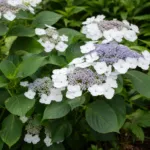 Lanarth White (Hydrangea macrophylla ‘Lanarth White’)Hydrangea macrophylla 'Lanarth White'
 Blue Danube (Hydrangea macrophylla ‘Blue Danube’)Hydrangea macrophylla 'Blue Danube'
 Blaumeise (Hydrangea macrophylla ‘Blaumeise’)Hydrangea macrophylla 'Blaumeise'