
 Source:
 Generale Vicomtesse de Vibraye (Hydrangea macrophylla ‘Generale Vicomtesse de Vibraye’) short overview
Hydrangea macrophylla 'Generale Vicomtesse de Vibraye' is a historic French mophead hydrangea valued for its large, crowded summer flower heads and unusually variable color. Blooms may be soft pink in neutral soil or clear blue in acidic conditions, while the shrub develops flexible stems and medium-green foliage. It performs best with morning sun or bright afternoon shade, consistent moisture, and protection from drying winds and harsh winter weather.
Taxonomic classification
Generale Vicomtesse de Vibraye (Hydrangea macrophylla ‘Generale Vicomtesse de Vibraye’) care guide
Light and placement
Give morning sun and afternoon shade, or bright filtered light beneath open trees. An east-facing site is often ideal; a north-facing position can work in warmer regions. Too much hot afternoon sun may cause leaf scorch, wilting, and faded flowers, while very deep shade can produce weak stems and fewer flower heads.
Watering and humidity
Water deeply whenever the upper 1–2 inches of soil begin to dry, keeping the root zone evenly moist rather than saturated. Increase frequency during hot, windy weather and reduce it after leaf fall, while preventing winter containers from drying completely. Water at the base to limit leaf disease.
Soil and growing medium
Use fertile, moisture-retentive soil that still drains freely. Loam enriched with compost is suitable; clay or sandy soil should be amended to improve structure and water retention. Acidic soil can encourage blue flowers, while neutral conditions generally produce pinker flowers. Do not let the root zone remain waterlogged.
Feeding
Apply compost or a balanced slow-release shrub fertilizer in early spring as growth begins. Use a light application rather than high-nitrogen feeding, which can produce lush foliage and weaker flowering. A second modest feeding may be appropriate in early summer in poor soil, but stop well before fall dormancy.
Growth and habit
A deciduous, bushy shrub with flexible stems and a somewhat loose, open habit. Flowering can occur on terminal and side shoots, which helps extend the display. Because older stems carry important buds, winter injury and untimely pruning can reduce flowering even when the plant survives.
Planting and repotting
Plant in spring or early fall, setting the root ball level with the surrounding soil. Keep the crown uncovered, water deeply after planting, and mulch without touching the stems. Allow roughly 4–6 feet between plants where a broad mature spread is desired; closer spacing creates a mass planting but increases competition for moisture.
Repot container plants in early spring before strong growth begins, moving up only one pot size. Refresh the outer portion of the root ball and use a moisture-retentive but well-drained shrub or container mix. Large specimens may be top-dressed instead of fully repotted.
Propagation and pruning
Propagation
Semi-ripe or softwood cuttings are the practical method for preserving the cultivar. Take healthy nonflowering shoots in late spring or early summer, root them in a sterile, evenly moist medium, and protect young plants from drying out. Seed will not reliably reproduce the named cultivar.
Pruning
Prune lightly after flowering by removing spent heads to the first strong pair of buds and cutting out weak or damaged wood. Avoid hard late-winter pruning because this cultivar commonly flowers on older wood. In cold regions, wait until new growth begins before removing stems that are clearly dead.
Overwintering
Protect plants in exposed or colder sites with a thick organic mulch over the root zone and, where practical, a windbreak or loose covering. Container plants are more vulnerable than in-ground shrubs; move them to a sheltered, unheated space or insulate the container. Flower-bud survival is less reliable after severe winters.
Uses
Use as a specimen, foundation shrub, shaded border plant, large-container subject, or source of cut and dried flower heads. Its flower color and long-lasting heads are especially useful in traditional cottage and woodland-style plantings. Do not use it as an edible or medicinal plant.
Appearance
Leaves are broadly ovate, medium green, and relatively flat, with a substantial hydrangea texture. Stems are slender and flexible, with reddish nodes and a lightly speckled appearance reported for the cultivar. The rounded mophead heads are tightly packed and may show pink, blue, or intermediate tones on the same plant or at different times.
Flowering
This is a mophead or hortensia-type cultivar with dense, rounded flower heads composed largely of enlarged sterile florets. It can flower from terminal buds and, according to horticultural reports, also from side shoots, giving a relatively long display. Flower color varies with soil chemistry, often shifting between pink and blue.
Pollination and visitors
The cultivar is a dense mophead with many enlarged sterile florets, so its documented value to animal pollinators appears limited compared with open, fertile-flowered hydrangeas. Small fertile flowers may still be visited opportunistically by insects, but a cultivar-specific visitor list is not well documented.
Diseases and pests
Diseases
Reduce leaf wetness and improve air circulation to help prevent leaf spot, powdery mildew, and Botrytis. Remove badly affected foliage, water at the soil surface, and avoid chronic drought stress followed by overwatering. Root and crown rots are more likely in poorly drained soil; correct drainage before using fungicides.
Pests
Inspect for aphids, spider mites, scale, and Japanese beetles, especially during heat or drought. Encourage beneficial insects, wash small infestations from foliage, and prune out heavily damaged growth. Avoid routine broad-spectrum insecticides during flowering; use a labeled treatment only when monitoring shows a persistent problem.
Related diseases and pests
Only Plant Doctor profiles whose host data indicate this plant may be affected are shown here.
 DiseaseGray MoldBotrytis cinerea
 PestCyclamen mitePhytonemus pallidus
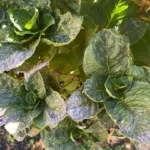 PestChilli thripsScirtothrips dorsalis Hood
 DiseaseAster yellows‘Candidatus Phytoplasma asteris’
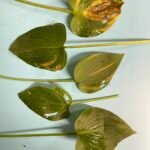 PestStrawberry foliar nematodeAphelenchoides fragariae
 Environmental stressOverwatering
 Environmental stressDrought stress
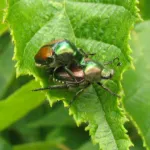 PestJapanese beetlePopillia japonica
Toxicity and pollen
Hydrangeas contain cyanogenic compounds and should not be eaten. Ingestion is more commonly associated with gastrointestinal upset, while serious poisoning is uncommon but possible after substantial exposure. Keep plant material away from children and pets, and seek professional advice after ingestion.
- Typical season
- Summer flowering season, usually June–August in the United States
- Pollination / pollen
- Mostly insect-associated pollen; limited airborne dispersal
Hydrangea flowers are primarily insect-associated rather than wind-dispersed, and the large sterile florets of this mophead are not a major airborne pollen source. Exact allergenicity data for this cultivar are unavailable, so sensitive people should still avoid assuming zero risk when handling flowers or dried material.
Native habitat
The cultivar is horticultural rather than wild, while Hydrangea macrophylla is associated with moist woodland margins, coastal regions, and temperate climates of Japan and nearby East Asian areas. In cultivation it favors cool, moisture-retentive soils with good drainage and protection from intense afternoon heat.
Interesting fact
Introduced in France in the early 20th century and associated with Émile Mouillère.
Frequently asked questions (FAQ)
The most relevant questions about this plant, with short and direct answers.
🌱Quick care
What is Hydrangea macrophylla 'Generale Vicomtesse de Vibraye'?⌄
Hydrangea macrophylla 'Generale Vicomtesse de Vibraye' is an old-fashioned mophead hydrangea that produces large, rounded flower heads in pink, blue, or intermediate shades. It is a deciduous shrub in the Hydrangeaceae family and is also associated with the Hortensia hydrangea group.
How much sun does Hydrangea macrophylla 'Generale Vicomtesse de Vibraye' need?⌄
Give it morning sun and bright partial shade, especially in hot-summer regions. It can tolerate more sun when the soil stays consistently moist, but harsh afternoon sun may scorch leaves and wilt flowers.
How often should I water Hydrangea macrophylla 'Generale Vicomtesse de Vibraye'?⌄
Water whenever the soil surface begins to dry, providing enough moisture to keep the root zone consistently damp but not waterlogged. Newly planted shrubs may need watering several times per week during hot or dry weather.
How large does Hydrangea macrophylla 'Generale Vicomtesse de Vibraye' get?⌄
Expect a mature shrub about 4 to 6 feet tall and wide, although size varies with climate, pruning, and growing conditions. Some plants can become larger in long, mild growing seasons.
🌤️Environment and placement
Where should I plant Hydrangea macrophylla 'Generale Vicomtesse de Vibraye'?⌄
Plant it in a sheltered spot with morning sun, afternoon shade, and protection from drying winds. An east-facing location is often suitable, provided the soil remains reliably moist.
What soil is best for Hydrangea macrophylla 'Generale Vicomtesse de Vibraye'?⌄
Use moisture-retentive, fertile, well-drained loam with acidic to neutral pH. Incorporating compost before planting can improve moisture retention, drainage, and root development.
Can Hydrangea macrophylla 'Generale Vicomtesse de Vibraye' grow in full sun?⌄
It can grow in full sun if the soil remains consistently moist and the plant receives protection from intense afternoon heat. In much of the United States, partial shade is safer and usually reduces wilting.
Is Hydrangea macrophylla 'Generale Vicomtesse de Vibraye' cold hardy?⌄
It can perform well in relatively cold regions, but winter damage to old stems and flower buds is possible because it blooms primarily on older wood. In colder USDA zones, use a sheltered site and protect the crown and stems during severe freezes.
Can I grow Hydrangea macrophylla 'Generale Vicomtesse de Vibraye' in a container?⌄
Yes, it can be grown in a large container with drainage holes and rich, moisture-retentive potting mix. Container plants dry out faster than in-ground shrubs and need regular watering plus winter protection in cold climates.
💧Care and problems
Why is my Hydrangea macrophylla 'Generale Vicomtesse de Vibraye' wilting?⌄
Wilting is usually caused by inadequate moisture, excessive afternoon heat, root damage, or poor drainage. Water deeply, apply a 2- to 3-inch mulch layer without touching the stems, and check that the soil is moist rather than saturated.
Why is Hydrangea macrophylla 'Generale Vicomtesse de Vibraye' not blooming?⌄
The most common causes are winter-killed flower buds, excessive shade, drought stress, or pruning at the wrong time. Because this cultivar flowers mainly on older wood, avoid cutting healthy stems in fall, winter, or early spring.
What pests affect Hydrangea macrophylla 'Generale Vicomtesse de Vibraye'?⌄
Common pests include aphids, scale insects, vine weevils, and capsid bugs. Inspect new growth and leaves regularly, and use the least-toxic treatment appropriate for the identified pest.
What diseases can affect Hydrangea macrophylla 'Generale Vicomtesse de Vibraye'?⌄
Possible problems include leaf spot, powdery mildew, gray mold, and, less commonly, honey fungus. Improve air circulation, water at the soil line, remove heavily affected foliage, and avoid keeping the canopy constantly wet.
🪴Planting and repotting
When is the best time to plant Hydrangea macrophylla 'Generale Vicomtesse de Vibraye'?⌄
Plant in spring after the danger of hard frost has passed or in early fall while the soil is still warm. Avoid planting during heat waves, drought, or periods when the ground is frozen.
How do I plant Hydrangea macrophylla 'Generale Vicomtesse de Vibraye'?⌄
Dig a hole about twice as wide as the root ball and no deeper than the existing root flare, then backfill with native soil improved with compost. Water thoroughly and apply a 2- to 3-inch organic mulch layer, keeping it away from the stems.
✂️Propagation and pruning
How do I prune Hydrangea macrophylla 'Generale Vicomtesse de Vibraye'?⌄
Prune immediately after flowering if shaping or size control is necessary, removing spent flower heads and selected older stems. Avoid heavy spring pruning because it can remove the buds needed for that year's flowers.
Can Hydrangea macrophylla 'Generale Vicomtesse de Vibraye' be propagated from cuttings?⌄
Yes, it can be propagated from softwood cuttings taken during active growth, usually in late spring or early summer. Keep the cuttings humid and evenly moist until roots form.
Should I leave the old flower heads on Hydrangea macrophylla 'Generale Vicomtesse de Vibraye' over winter?⌄
Leaving the faded flower heads in place through winter can help protect the developing buds below them from frost. Remove them in late winter or spring after the risk of severe freezes has passed.
⚠️Toxicity and safety
Is Hydrangea macrophylla 'Generale Vicomtesse de Vibraye' poisonous to people or pets?⌄
Yes, eating the leaves, stems, or flowers can cause gastrointestinal upset, and the plant is considered moderately toxic if consumed. Keep plant material away from children and pets, and contact a medical or veterinary professional if ingestion occurs.
🌸Flowering and special interest
What color are the flowers of Hydrangea macrophylla 'Generale Vicomtesse de Vibraye'?⌄
Flowers may be clear pink in neutral or alkaline conditions and blue to violet-blue in suitably acidic soil. Color also depends on aluminum availability, plant health, and the cultivar's individual response, so a precise color cannot always be guaranteed.
How can I make Hydrangea macrophylla 'Generale Vicomtesse de Vibraye' bloom blue?⌄
Maintain acidic soil and adequate aluminum availability, then use a hydrangea colorant only according to its label. Results vary by soil chemistry and cultivar, and changing an established garden bed from pink to blue may take more than one season.
When does Hydrangea macrophylla 'Generale Vicomtesse de Vibraye' bloom?⌄
It generally blooms from summer into early fall, often from June or July through September depending on climate. Bloom timing can shift with winter damage, spring temperatures, and the length of the growing season.
Is Hydrangea macrophylla 'Generale Vicomtesse de Vibraye' good for cut flowers?⌄
Yes, its large mophead flower heads are useful as fresh or dried cut flowers. For drying, harvest when the flower heads feel slightly leathery rather than soft or fully brittle, then hang them in a warm, dry, dark place.
Similar plants
 Blue Danube (Hydrangea macrophylla ‘Blue Danube’)Hydrangea macrophylla 'Blue Danube'
 Smooth hydrangea or sevenbark (Hydrangea arborescens) care guideHydrangea arborescens
 Altona (Hydrangea macrophylla ‘Altona’)Hydrangea macrophylla 'Altona'
 Annabelle Hydrangea (Hydrangea arborescens ‘Annabelle’)Hydrangea arborescens 'Annabelle'
 Bigleaf Hydrangea (Hydrangea macrophylla) care guideHydrangea macrophylla
 Hydrangea ‘Anomala Petiolaris’Hydrangea 'Anomala Petiolaris'