
 Source:
Spanish lavender (Lavandula pedunculata) short overview
Spanish lavender, Lavandula pedunculata, is an aromatic evergreen subshrub from the Iberian Peninsula and nearby Mediterranean regions. It forms a compact, woody-based mound of gray-green leaves and produces dense purple flower spikes on conspicuously long stalks, each topped with showy violet bracts. In U.S. gardens it performs best in full sun, lean sharply drained soil and relatively dry conditions, while containers allow better winter protection in colder or wet climates.
Taxonomic classification
Spanish lavender (Lavandula pedunculata) care guide
Light and placement
Give this species full sun, ideally at least 6–8 hours daily, with a south- or west-facing exposure and open airflow. A bright raised bed or gravel slope is preferable in humid regions. Weak flowering, elongated stems and greener, less compact growth suggest insufficient light; scorched foliage usually reflects heat, drought or root stress rather than excessive sun alone.
Watering and humidity
Water deeply but allow the soil to dry substantially between waterings. Newly planted specimens need regular irrigation during the first summer; established plants in the ground usually need water only during prolonged drought. Containers dry faster and need checking in summer, but should remain relatively dry in winter to reduce root-rot risk.
Soil and growing medium
Use a gritty, sharply drained soil or potting mix. Sandy, rocky or moderately calcareous substrates are suitable, provided water drains quickly. Avoid heavy clay and persistently wet ground. A slightly acidic to slightly alkaline reaction is tolerated; excellent drainage matters more than a narrow pH target.
Feeding
This lavender generally performs best in lean soil and usually needs no routine feeding. Avoid high-nitrogen fertilizer, which can produce soft, leafy growth and fewer flowers. If growth is weak in a container, apply a dilute, balanced fertilizer once in spring; do not feed during winter or when the mix is waterlogged.
Growth and habit
Forms a compact, branching, woody-based subshrub. It becomes more open and woody with age if not lightly trimmed, and it does not reliably resprout from old bare wood. Good airflow and restrained watering help preserve a dense, productive habit.
Planting and repotting
Plant in spring after the soil has warmed and severe frost has passed. Set the root ball level with the surrounding soil rather than burying the woody crown. Space plants about 18–24 inches apart, or closer for a continuous edging where airflow remains good. Water regularly during the first growing season, then reduce as roots establish.
Repot container plants in spring only when roots have filled the existing pot. Move to a container just one size larger with a gritty, fast-draining mix and a drainage hole. Handle the root ball gently, and avoid keeping the freshly repotted plant wet.
Propagation and pruning
Propagation
Take softwood or semi-ripe cuttings in late spring to midsummer, or hardwood cuttings after flowering from firm current-season growth. Seed propagation is possible but offspring may vary and germination can be less uniform. Root cuttings in a sterile, gritty medium kept lightly moist, never saturated.
Pruning
Deadhead after the main flush and lightly trim the soft leafy growth in late summer to maintain a compact shape. Do not cut deeply into old, leafless wood because lavender often produces little new growth there. In cold or wet regions, avoid late-autumn pruning that leaves fresh wounds before winter.
Overwintering
In USDA Zone 7 or colder, or wherever winters are cold and wet, grow in a container and move it to a bright, cool, sheltered location before hard freezes. Protect outdoor plants from winter rain, use excellent drainage and avoid heavy pruning late in the season. Container roots are more vulnerable to freezing than roots in the ground.
Uses
Useful as an ornamental edging, low informal planting, rock-garden subject, fragrant container plant and pollinator-garden component. Flowering stems can be dried for decorative use. Culinary or medicinal use should not be assumed for this exact species without authoritative preparation and safety guidance.
Appearance
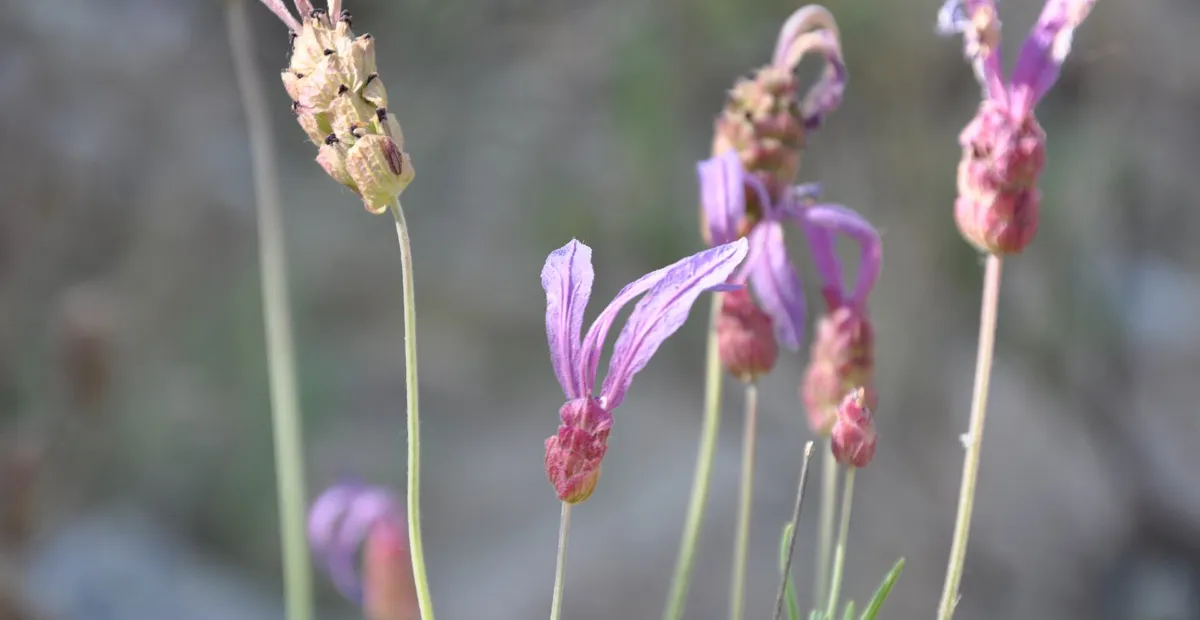
Narrow, linear leaves are gray-green to silvery and aromatic, with a softly textured appearance. Stems become woody near the base. The most diagnostic visual feature is the combination of a dense flower spike, a relatively long flowering stalk and a conspicuous tuft of violet bracts above the spike.
Flowering
Dense, compact flower spikes are held on unusually long stalks and are topped by conspicuous violet to purple sterile bracts. The bracts act as visual attractants for insects. Flowering commonly begins in spring and can continue into summer, with timing varying by elevation, latitude and growing conditions.
Pollination and visitors
Lavender flowers are documented as attractive to bees and other pollinating insects. The showy terminal bracts help make the flower spikes conspicuous, but the exact visitor composition for this species varies by region and is not sufficiently documented here to name a particular insect species.
Lavandula pedunculata photos
Click any photo for a larger view. Source, author and license are shown separately.
Diseases and pests
Diseases
Root and crown rots are the main concern in heavy, wet soil. Gray mold can develop in cool, humid conditions or crowded planting. Prevent problems with sharp drainage, open spacing, careful irrigation and removal of badly affected tissue. Avoid overhead watering and do not mulch tightly against the woody base.
Pests
Froghoppers can leave foamy deposits on stems, while rosemary beetles may chew leaves and flower parts. Inspect plants periodically and remove minor infestations by hand or with a strong water spray. Improve airflow and avoid unnecessary insecticides so flower-visiting insects are protected.
Related diseases and pests
Only Plant Doctor profiles whose host data indicate this plant may be affected are shown here.
 DiseaseCitrus brown rot caused by Phytophthora citrophthoraPhytophthora citrophthora
 DiseaseStolbur Phytoplasma Disease‘Candidatus Phytoplasma solani’
 DiseasePhytophthora cactorum crown, collar, root and fruit rotPhytophthora cactorum
 DiseaseGray MoldBotrytis cinerea
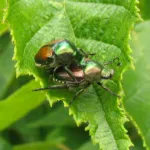 PestJapanese beetlePopillia japonica
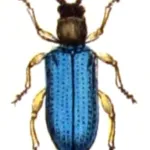 PestCereal leaf beetleOulema melanopus
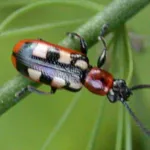 PestAsparagus BeetleCrioceris asparagi
Toxicity and pollen
Lavender essential oils and concentrated plant material can cause gastrointestinal upset if eaten in quantity. Evidence specific to Lavandula pedunculata is limited, so avoid treating it as edible without verified preparation guidance. Keep essential oils and large amounts of plant material away from children and pets; wash hands after handling concentrated oils.
- Typical season
- Spring to summer during flowering
- Pollination / pollen
- Insect-dispersed pollen
As an insect-pollinated flowering plant, its pollen is generally less airborne than pollen from wind-pollinated trees and grasses. It can still be present around flowering plants and may bother highly sensitive individuals. The species-specific airborne allergy evidence is limited, so a low rather than zero rating is more cautious.
Native habitat
Native populations occur from Madeira and the Iberian Peninsula to Morocco, the eastern Aegean and northwestern and western Türkiye. It is associated with temperate Mediterranean environments, open scrub, woodland clearings and generally dry, well-drained soils, often including sandy, rocky or siliceous substrates.
Interesting fact
The species is distinguished by flower spikes carried on relatively long stalks, a feature reflected in the epithet pedunculata. It is native mainly to the Iberian Peninsula and nearby Mediterranean regions. Older literature frequently placed it within the broader Lavandula stoechas complex. Its terminal bracts are showy but are not individual flowers.
Frequently asked questions (FAQ)
The most relevant questions about this plant, with short and direct answers.
🌱Quick care
What is Lavandula pedunculata?⌄
Lavandula pedunculata is Spanish lavender, a fragrant Mediterranean subshrub in the mint family, Lamiaceae. It is grown for its aromatic gray-green foliage and distinctive flower heads topped with colorful bracts.
How much sun does Spanish lavender need?⌄
Spanish lavender needs full sun, ideally at least 6 hours of direct sunlight daily. Strong light helps maintain compact growth and abundant flowering.
How often should I water Lavandula pedunculata?⌄
Water Spanish lavender deeply but infrequently, allowing the soil to dry between waterings. Newly planted specimens need more regular water until established, while mature plants are drought tolerant.
Is Lavandula pedunculata drought tolerant?⌄
Yes, Lavandula pedunculata is drought tolerant once established. It performs poorly in constantly wet soil, so drainage is more important than frequent watering.
🌤️Environment and placement
What type of soil is best for Spanish lavender?⌄
Spanish lavender grows best in sandy, rocky, or gritty soil that drains sharply. Heavy clay should be amended or replaced because waterlogged roots are prone to rot.
Can Spanish lavender grow in clay soil?⌄
Spanish lavender can grow in clay only if drainage is substantially improved. Planting on a slope, in a raised bed, or in a heavily amended planting pocket is safer than placing it in compact, wet clay.
What soil pH does Lavandula pedunculata prefer?⌄
Lavandula pedunculata generally prefers neutral to slightly alkaline, well-drained soil. Exact pH is less important than preventing prolonged moisture around the roots.
Can Spanish lavender grow in containers?⌄
Yes, Spanish lavender grows well in containers with drainage holes and a gritty, fast-draining potting mix. Choose a container only slightly larger than the root ball and never leave it sitting in water.
Where should I plant Spanish lavender in a humid climate?⌄
In humid climates, plant Spanish lavender in the sunniest, most open location available with excellent air circulation and rapid drainage. A raised bed or container can reduce the risk of root and crown problems.
Is Lavandula pedunculata cold hardy?⌄
Lavandula pedunculata is less cold hardy than English lavender and should be protected from severe freezes and winter wet. Its survival depends on the cultivar, local climate, drainage, and exposure.
Can Spanish lavender survive winter outdoors in the United States?⌄
Spanish lavender can overwinter outdoors in some warmer U.S. climates, especially where winters are mild and dry. In colder regions, grow it in a container that can be sheltered or treat it as a seasonal plant.
💧Care and problems
Why is my Spanish lavender turning brown?⌄
Brown Spanish lavender is often caused by overwatering, poor drainage, winter damage, or severe heat stress. Check the roots and soil moisture before adding water, because drought stress and root rot can produce similar symptoms.
Why is my Lavandula pedunculata wilting even though the soil is wet?⌄
Wilting in wet soil commonly indicates root damage from poor drainage or root rot rather than a need for more water. Move the plant to sharper-draining soil and remove badly damaged roots if possible.
Does Spanish lavender need fertilizer?⌄
Spanish lavender usually needs little fertilizer when grown in reasonably fertile soil. Excess nitrogen can produce weak, leafy growth and fewer flowers, so avoid routine heavy feeding.
How do I prevent root rot in Spanish lavender?⌄
Prevent root rot by using sharply drained soil, watering only when the soil has dried, and keeping mulch away from the crown. Avoid saucers that hold standing water beneath container plants.
What pests commonly affect Lavandula pedunculata?⌄
Spanish lavender is generally relatively pest resistant, but aphids, spittlebugs, and mites may occasionally appear. Improve airflow, avoid excessive fertilizer, and use a targeted treatment only when pests are causing meaningful damage.
🪴Planting and repotting
When is the best time to plant Spanish lavender?⌄
Plant Spanish lavender in spring after the risk of hard frost has passed, or in fall where winters are mild and the soil remains workable. Spring planting is safer in colder regions because it allows roots to establish before winter.
How far apart should I plant Lavandula pedunculata?⌄
Space Spanish lavender according to the mature size of the cultivar, usually about 18 to 24 inches apart for average garden forms. Wider spacing improves air circulation in humid areas.
Should I add compost when planting Spanish lavender?⌄
Add only a modest amount of compost if the soil is poor, and avoid turning the planting area into a moisture-retentive bed. Grit, sand, or a raised planting position is usually more valuable than rich organic matter.
How do I repot Spanish lavender?⌄
Repot Spanish lavender when roots fill the container, using a pot with drainage holes and a gritty, fast-draining mix. Replant at the same depth, water once to settle the roots, and then allow the mix to dry before watering again.
✂️Propagation and pruning
How can I propagate Lavandula pedunculata from cuttings?⌄
Propagate Spanish lavender from nonflowering stem cuttings taken below a leaf node. Remove the lower leaves, place the cutting in a sterile, gritty rooting medium, and keep it lightly moist in bright, indirect light until roots develop.
Can Spanish lavender be grown from seed?⌄
Yes, Spanish lavender can be grown from seed, but germination may be slow and seedlings may vary from the parent plant. Named cultivars are usually reproduced more reliably from cuttings.
When should I prune Spanish lavender?⌄
Prune Spanish lavender after its main flowering flush to remove spent stems and lightly shape the plant. Avoid cutting deeply into old, leafless wood because lavender may not regrow from it.
How hard can I cut back Lavandula pedunculata?⌄
Cut back only into leafy green growth, removing roughly one-third of the plant when shaping is needed. Severe cuts into woody stems can leave permanent bare sections or kill older branches.
⚠️Toxicity and safety
Is Spanish lavender poisonous to people?⌄
Spanish lavender has a low toxicity concern when used as an ornamental plant, but eating the foliage or flowers may cause stomach upset or irritation. Concentrated essential oils should not be swallowed and should be kept away from children.
Is Lavandula pedunculata safe for dogs and cats?⌄
Do not assume Spanish lavender is completely safe for pets, because ingestion can cause stomach upset and concentrated lavender oils are more hazardous. Prevent pets from consuming large amounts and contact a veterinarian if symptoms occur.
Can you cook with Spanish lavender?⌄
Spanish lavender is not generally the preferred culinary lavender because its flavor can be stronger and more resinous than culinary selections. Use only correctly identified, pesticide-free flowers in small amounts and avoid consuming essential oil.
🌸Flowering and special interest
When does Spanish lavender bloom?⌄
Spanish lavender commonly blooms from spring into summer, with timing varying by climate, cultivar, and pruning. In favorable conditions it may produce additional flowers after the first flush is removed.
How do I get more flowers on Spanish lavender?⌄
Provide full sun, sharp drainage, restrained fertilizer, and consistent but not excessive water while flower buds are developing. Deadheading after the first flush can encourage additional flowering in suitable climates.
What do the rabbit-ear bracts on Spanish lavender mean?⌄
The rabbit-ear structures are colorful bracts above the smaller true flowers, and they are a characteristic feature of Spanish lavender. Their color and length vary among cultivars.
Does Spanish lavender attract bees and butterflies?⌄
Yes, the fragrant flowers of Spanish lavender can provide nectar for bees, butterflies, and other pollinators. Plants receive the most pollinator activity when grown in full sun without broad-spectrum insecticides.
Similar plants
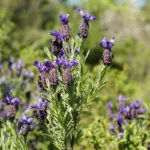 Stickadove (Lavandula stoechas) care guideLavandula stoechas
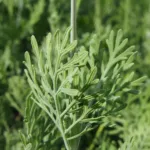 Fernleaf lavender and jagged lavender) is a species of flowering plant in the mint family (Lavandula pinnata) care guideLavandula pinnata
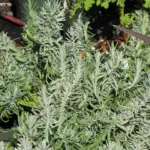 Lavende (Lavandula angustifolia) care guideLavandula angustifolia
 Lavandula dentata care guideLavandula dentata
 Hidcote Blue (Lavandula angustifolia ‘Hidcote Blue’)Lavandula angustifolia 'Hidcote Blue'
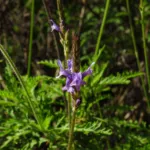 Canary Island Lavender (Lavandula canariensis) care guideLavandula canariensis