
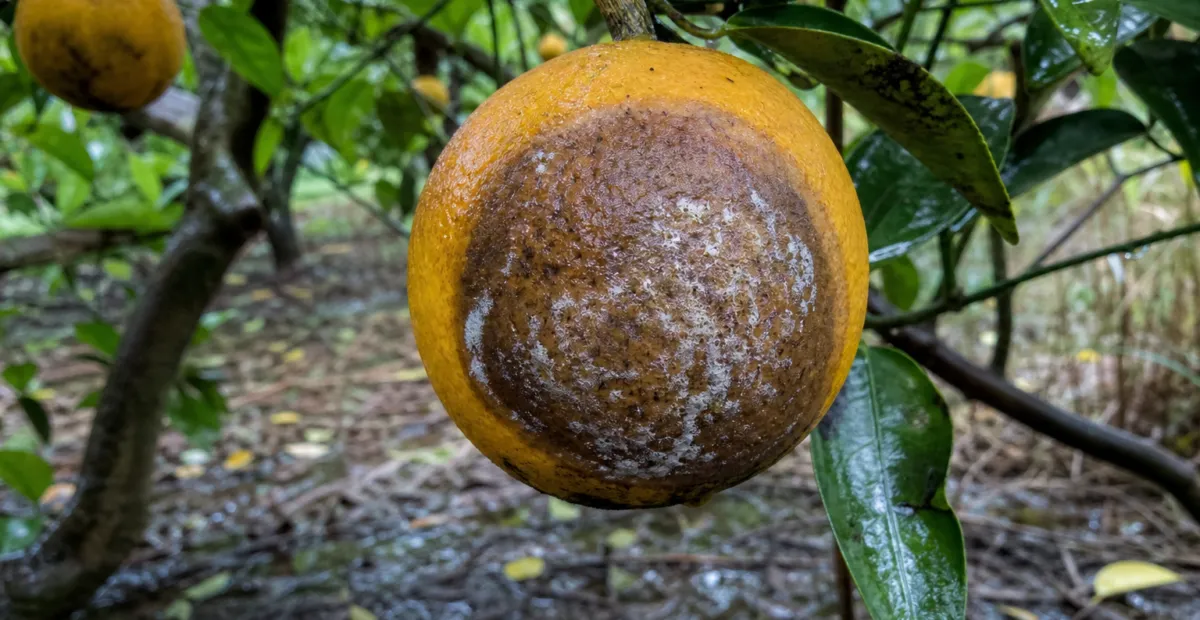
Citrus brown rot caused by Phytophthora citrophthora
Phytophthora citrophthoraCitrus brown rot caused by Phytophthora citrophthora overview
Phytophthora citrophthora is a soil- and water-associated oomycete best known in the United States for citrus brown rot, but it can also contribute to root rot, gummosis, and branch cankers. Firm tan-to-brown lesions commonly begin on mature fruit low in the canopy after cool, wet weather and soil splash. Accurate species identification requires laboratory testing because other Phytophthora species can produce similar symptoms.
Typical conditions
Overview
Phytophthora citrophthora is not a true fungus but a fungus-like oomycete that survives in soil, infected plant material, and water. In citrus, it is documented as a cause of brown rot of fruit and can also be associated with root rot, gummosis, and branch cankers.
Brown rot is most likely on mature or ripening fruit near the ground. The initial rind lesion is usually firm, tan to olive-brown, and water-soaked or leathery. Under prolonged humidity, infected fruit may develop white mycelial growth and a strong unpleasant odor. Because several Phytophthora species cause similar citrus diseases, symptoms alone do not reliably identify P. citrophthora.
Symptoms and identification
Fruit: Mature or nearly mature citrus fruit develop rounded, firm tan, olive-brown, or light-brown rind lesions, often beginning where fruit is close to soil or receives splash. Lesions may remain leathery at first, then soften after secondary organisms invade. A rancid or pungent odor is common, and fruit may drop prematurely.
Humid conditions: White mycelial growth may cover infected fruit, although it can disappear as the surface dries. Blue- or green-colored molds indicate secondary colonization rather than a diagnostic sign of P. citrophthora alone.
Roots and trunk: Infected feeder roots may become dark, water-soaked, and decayed. Root loss can cause weak growth, leaf chlorosis, canopy thinning, twig dieback, smaller fruit, and reduced yield. Trunk or crown infections may produce bark lesions, cracking, gumming, and progressive decline.
Causes and spread
Spread is driven by water. Rain, sprinkler irrigation, runoff, and saturated soil move sporangia and zoospores between roots and fruit. Soil thrown into the canopy during storms or cultivation can initiate fruit infection. Diseased fallen fruit may produce inoculum that splashes into higher fruit. Contaminated nursery stock, potting media, tools, footwear, vehicles, and irrigation systems can introduce the pathogen to clean areas.
Dense canopies, fruit touching soil, poor drainage, overwatering, trunk wounds, and repeated wetness increase risk. Infection is not confirmed solely by a brown lesion because other Phytophthora species and secondary fruit rots can look similar.
Life cycle and persistence
The pathogen persists in infested soil, roots, fallen fruit, and other infected tissues. When free water and suitable temperatures are present, it produces sporangia that release motile zoospores. Zoospores move through saturated soil or water films and are carried by runoff, irrigation, rain splash, and equipment.
For fruit brown rot, soilborne inoculum is splashed onto the lower canopy. Infected fruit can become additional inoculum sources, allowing disease to move upward during wet weather. Root and crown infections are favored by repeated saturation, poor drainage, and wounds. The pathogen is more active under cool-to-moderate conditions than many warm-weather Phytophthora species, but the exact seasonal pattern depends on climate, irrigation, host, and the local species complex.
Species-level confirmation may require isolation, baiting, microscopy, or molecular testing because P. citrophthora, P. nicotianae, P. palmivora, and other species can overlap in host symptoms.
Treatment and control
Remove heavily infected fruit and plant debris, correct drainage and irrigation problems, and reduce soil splash. Fruit already showing brown rot generally cannot be restored. Carefully inspect the trunk base, crown, graft union, and roots; scrape or prune only tissue that can be removed without creating larger wounds, and seek professional diagnosis for trunk or crown infections.
In commercial citrus, preventive fungicide programs may be used before the main infection period, with products and timing selected for the region, cultivar, disease site, and label. Copper products may help protect exposed fruit and reduce inoculum when legally labeled, while phosphonate or other oomycete-targeting products may be used in some US production systems. Resistance management, water protection, and label compliance are essential. Home gardeners should consult a state extension service or licensed arborist before treating a valuable tree.
Low-impact and biological control
Organic and low-input management should focus on exclusion, moisture control, and inoculum reduction rather than attempting to cure advanced infections.
- Buy clean, inspected citrus nursery stock and avoid planting trees with suspicious root, crown, or graft-union lesions.
- Improve drainage and prevent standing water around the root zone. Irrigate deeply but avoid frequent saturation, especially in containers or heavy soils.
- Keep irrigation water, hoses, tools, footwear, and equipment from moving contaminated soil between trees or blocks.
- Prune low branches and maintain a dry, well-ventilated lower canopy; avoid placing mulch or soil against the trunk.
- Remove and dispose of brown-rotted fruit and fallen fruit promptly. Do not compost diseased citrus material unless the composting process is reliably hot and fully managed.
- Use clean pruning tools and disinfect them between visibly diseased trees when cutting into infected tissue.
- Where appropriate for the production system, use resistant or tolerant rootstocks and biological products only when they are legally registered and supported by a current crop label.
Prevention
Prevention is more reliable than trying to eliminate established soilborne inoculum.
- Start with certified disease-free plants, clean containers, and pathogen-free growing media.
- Select a site with good drainage; repair irrigation leaks and avoid prolonged saturation.
- Use raised beds, suitable rootstocks, or drainage improvements where soils remain wet.
- Keep citrus skirts at least about 24 inches above the soil where practical, and limit soil splash into the lower canopy.
- Remove dropped and infected fruit before extended rainy periods.
- Do not move soil, water, or plant debris from affected areas into clean blocks.
- Maintain balanced nutrition and avoid root stress from drought followed by heavy irrigation, salinity, or mechanical injury.
- Scout after prolonged rain and inspect low fruit, feeder roots, trunk bases, and graft unions. Submit representative tissue or soil to a diagnostic laboratory when management depends on identifying the species.
Interesting facts
- Phytophthora citrophthora is an oomycete, not a true fungus.
- The same pathogen can be associated with several disease expressions in citrus, including fruit brown rot, root rot, gummosis, and branch cankers.
- Brown rot may be inconspicuous before harvest and later become more obvious during handling or storage.
- Low-hanging fruit are at especially high risk because soilborne propagules reach them by rain or irrigation splash.
- Host records outside citrus exist, but their importance and susceptibility vary; a host record should not be interpreted as proof that every isolate attacks every listed plant.
Use only fungicides or phosphite products that are currently legally authorized and labeled in the United States for the specific crop, site, disease, and application method. Follow the current product label, including rate, timing, personal protective equipment, reentry interval, preharvest interval, and environmental precautions. Do not use unregistered phosphite products as fungicides, and rotate modes of action where labels permit.
Affected plants
The plants below are linked to this problem by structured host-plant data. The list updates automatically as new plant profiles are added.
 Lavende (Lavandula angustifolia) care guideLavandula angustifolia
 Hidcote Blue (Lavandula angustifolia ‘Hidcote Blue’)Lavandula angustifolia 'Hidcote Blue'
 Canary Island Lavender (Lavandula canariensis) care guideLavandula canariensis
 Lavandula dentata care guideLavandula dentata
 Spanish lavender (Lavandula pedunculata) care guideLavandula pedunculata
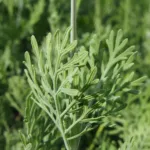 Fernleaf lavender and jagged lavender) is a species of flowering plant in the mint family (Lavandula pinnata) care guideLavandula pinnata
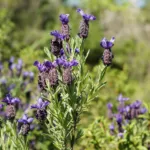 Stickadove (Lavandula stoechas) care guideLavandula stoechas
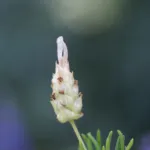 Green lavender or white lavende (Lavandula viridis) care guideLavandula viridis
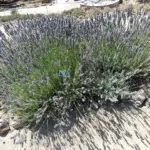 Lavandula intermedia care guideLavandula intermedia
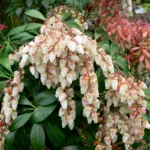 Pieris japonica care guidePieris japonica
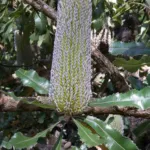 He saw banksia (Banksia serrata) care guideBanksia serrata
 He showy banksia (Banksia speciosa) care guideBanksia speciosa