
 Source:
 He showy banksia (Banksia speciosa) short overview
He showy banksia is a distinctive Western Australian shrub or small tree grown for its long, deeply toothed leaves and rounded cream to pale-yellow flower spikes. It belongs in a sunny, sharply drained position and is best suited to mild, dry-summer climates or protected containers in colder parts of the United States. Once established it is drought tolerant, but it is sensitive to phosphorus-rich fertilizers, waterlogged soil, severe frost, and Phytophthora root disease.
Taxonomic classification
He showy banksia (Banksia speciosa) care guide
Light and placement
Give full sun, ideally in an open position with unobstructed southern or western exposure in the Northern Hemisphere. Strong light supports compact branching and flowering. Pale, weak growth or long gaps between leaves can indicate insufficient light; scorched leaf edges usually point to root stress, reflected heat, or drought rather than excessive sun alone.
Watering and humidity
Water deeply but allow the root zone to dry somewhat between applications. During the first growing season, irrigate regularly enough to prevent prolonged wilting; after establishment, reduce watering and follow a dry-summer rhythm. Avoid frequent shallow watering and never leave the plant in saturated soil. Container plants need closer monitoring than in-ground specimens.
Soil and growing medium
Use a very free-draining, low-nutrient mix based on coarse sand, mineral grit, and a modest amount of organic material. Deep sand is characteristic in the wild. Heavy clay and persistently wet ground increase root-rot risk; plant on a mound or in a raised bed if drainage is marginal. Banksias are sensitive to excess phosphorus.
Feeding
Feed lightly in spring with a slow-release fertilizer formulated for Australian natives and low in phosphorus, following the product label. A thin compost top-dressing may be used only if it is low in phosphorus and well matured. Do not fertilize drought-stressed, newly transplanted, or actively diseased plants, and avoid high-phosphorus products.
Growth and habit
This species is usually a many-branched, rounded shrub but can develop into a small tree. It can grow vigorously in warm, sunny conditions with excellent drainage. Its non-lignotuberous habit means fire may kill established plants; regeneration is primarily from seed, so avoid severe cutting into old wood.
Planting and repotting
Plant into warm, well-drained soil after the danger of hard frost has passed. Keep the root ball intact, backfill with free-draining native soil, and water thoroughly once. Maintain even moisture during establishment without saturating the site. Keep mulch away from the trunk and avoid planting where irrigation runoff collects.
Use a deep container with generous drainage holes and a coarse, low-phosphorus native-plant mix. Repot only when the root system has filled the container, preferably in spring or early autumn in frost-free climates. Handle the roots gently, move up only one pot size, and water carefully while the plant re-establishes.
Propagation and pruning
Propagation
Propagate from seed, which generally needs no heat or smoke pretreatment according to horticultural guidance. Sow in a sterile, sharply drained seed-raising mix at approximately seed depth and keep evenly moist, not wet. Use individual containers where possible to reduce root disturbance during transplanting. Germination may take several weeks.
Pruning
Prune lightly just after flowering to maintain a denser outline and remove spent stems. Harvesting flower stems can also provide useful shaping. Avoid hard cutting into thick, old wood because recovery may be poor. Remove dead or diseased branches with clean tools and dispose of infected material away from healthy plants.
Overwintering
In colder US regions, grow in a container and overwinter in a bright, cool, frost-free space. Reduce watering during winter but do not allow the root ball to remain bone-dry for long periods. Outdoor plants need protection from hard frost, cold wet soil, and freezing winds; move containers before temperatures approach the plant's tolerance limit.
Uses
Useful as a specimen shrub, informal screen, hedge, coastal or waterwise planting, and cut-flower crop in climates where it can thrive. The long-lasting flower stems are commercially valued. It is not recommended as an edible or medicinal plant because reliable species-specific food and medicinal guidance is lacking.
Appearance
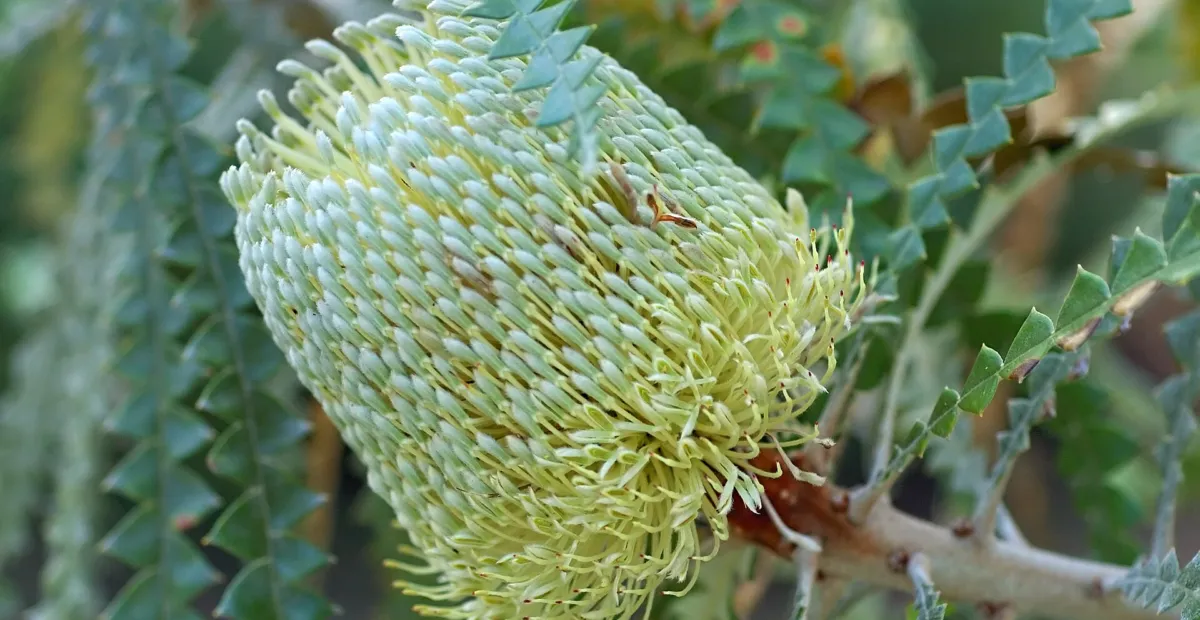
Leaves are unusually long and narrow, green above and white to grayish beneath, with repeated triangular lobes that create a striking zigzag or ric-rac outline. The flower spikes are broad and ovoid rather than slender, while older inflorescences become woody seed-bearing structures. The overall foliage gives the plant a silvery, architectural texture.
Flowering
The inflorescences are dense, broad spikes up to roughly 5 inches long and 3.5 inches wide. They may be produced at different times of year, with summer-autumn flowering commonly reported and additional flowering periods recorded in Western Australia. As the spike ages, it becomes woody and may retain follicles containing seed.
Pollination and visitors
Banksia flower spikes are characteristic nectar resources for nectar-feeding birds, and this species is described as bird-friendly in horticultural and botanical contexts. Animal visitor records specific to Banksia speciosa are less detailed than for some other banksias, so a particular bird species is not assigned here.
Banksia speciosa photos
Click any photo for a larger view. Source, author and license are shown separately.
Diseases and pests
Diseases
The major concern is Phytophthora dieback or related root-rot disease, especially in infested, poorly drained, or warm wet soils. Symptoms can include rapid wilt, yellowing, branch death, and whole-plant collapse. Use clean soil and tools, avoid moving contaminated soil or water, provide excellent drainage, and remove severely affected plants according to local biosecurity guidance.
Pests
No consistently severe, species-specific pest problem was established in the reviewed sources. Inspect new growth and flower spikes for scale, aphids, caterpillars, or chewing damage. Improve plant vigor with correct light and drainage, remove small infestations by hand or water spray, and use a labeled treatment only when monitoring shows it is needed.
Toxicity and pollen
Reliable species-specific human or pet toxicity evidence was not located in the reviewed botanical and horticultural sources. Do not assume that absence of reports proves safety. Prevent children and pets from chewing leaves, flowers, or woody follicles, and contact a poison center or veterinarian if ingestion causes symptoms.
- Typical season
- Most relevant during flowering, often summer through autumn in the native range; US timing varies by climate.
- Pollination / pollen
- Pollen is presented within insect- and bird-visited flower spikes; airborne exposure data are limited.
Banksia speciosa produces pollen as a flowering plant, but dependable species-specific data on airborne pollen counts and clinical allergy risk are limited. Flower structure and animal visitation may reduce widespread airborne release compared with strongly wind-pollinated plants, but this is not proof of zero risk. People with severe pollen sensitivity should avoid handling flowers during peak bloom.
Native habitat
Native populations occur in coastal dunes, sandplains, lateritic areas, and shrubland on white, gray, or yellow sand along the south coast of Western Australia. The species is adapted to nutrient-poor, well-drained soils and a Mediterranean-type climate with dry summers. It is highly susceptible to Phytophthora dieback in affected landscapes.
Interesting fact
The specific epithet speciosa means showy, referring to the conspicuous inflorescences. Its leaves can reach about 18 inches long and are divided into repeated triangular lobes. Woody follicles commonly retain seed until fire opens the old inflorescences. Unlike lignotuber-forming banksias, this species is generally killed by fire and regenerates from seed.
Frequently asked questions (FAQ)
The most relevant questions about this plant, with short and direct answers.
🌱Quick care
Is Banksia speciosa difficult to grow in the United States?⌄
Banksia speciosa can be challenging outside climates that provide bright sun, sharply drained soil, mild winters, and low summer humidity. It is most suitable for warm, dry regions or protected specialty collections rather than cold or waterlogged landscapes.
🌤️Environment and placement
How much sun does he showy banksia need?⌄
Banksia speciosa needs full sun for strong growth and flowering. Choose a site with unobstructed light for most of the day, especially in climates with cool or wet winters.
Is Banksia speciosa drought tolerant?⌄
Yes, established Banksia speciosa is adapted to low water conditions and is generally drought tolerant. Extended drought, extreme heat, or container growing can still require occasional deep watering.
What USDA zones are suitable for Banksia speciosa?⌄
Banksia speciosa is best suited to mild, frost-free or lightly frosty climates comparable to warm USDA zones. Because hard-frost tolerance is not reliable, gardeners in colder areas should grow it in a protected location or container.
Does Banksia speciosa tolerate frost?⌄
Banksia speciosa should be protected from hard frost. Light frost may be tolerated by some established plants, but prolonged freezing can damage foliage, stems, and roots.
How large does Banksia speciosa become?⌄
Banksia speciosa is a large shrub or small tree that can become a substantial landscape plant. Allow generous horizontal and vertical space, and check the mature size of the local form before planting near buildings or paths.
Can Banksia speciosa tolerate coastal conditions?⌄
Banksia speciosa originates from sandy coastal and near-coastal regions of southwestern Western Australia, so it may suit some sunny, well-drained coastal gardens. Salt exposure, humidity, and winter wetness can still vary greatly by site.
💧Care and problems
How often should I water Banksia speciosa?⌄
Water Banksia speciosa regularly while it establishes, then reduce watering once the root system is well developed. Established plants generally prefer a dry-to-moderate watering routine rather than constantly moist soil.
Why is my Banksia speciosa turning yellow or declining?⌄
Yellowing or decline is commonly associated with poor drainage, root stress, excessive irrigation, or unsuitable fertilizer. Check that water drains quickly and avoid high-phosphorus products, which can harm many Proteaceae.
How do I prevent root rot in Banksia speciosa?⌄
Prevent root rot by planting Banksia speciosa in sharply drained soil and watering only when the upper soil has begun to dry. Do not place it in a low spot, waterlogged bed, or heavy potting mix.
Does Banksia speciosa need fertilizer?⌄
Banksia speciosa usually needs little fertilizer when planted in suitable soil. If feeding is necessary, use a light, low-phosphorus fertilizer formulated for Australian natives and follow the label rate.
Can I use regular fertilizer on Banksia speciosa?⌄
Regular high-phosphorus fertilizer is not recommended for Banksia speciosa. Use only a low-phosphorus product suitable for Proteaceae or Australian native plants, and avoid overfeeding.
🪴Planting and repotting
What type of soil is best for Banksia speciosa?⌄
Banksia speciosa grows best in sandy, sharply drained soil. Avoid heavy clay, compacted ground, and sites where water remains around the roots after rain.
Can Banksia speciosa grow in a container?⌄
Banksia speciosa can be grown in a large container when young, provided the pot has excellent drainage and a low-phosphorus growing medium. Its eventual size and sensitivity to root disturbance make long-term container culture challenging.
When should Banksia speciosa be planted?⌄
Plant Banksia speciosa during mild weather, preferably after the threat of hard frost has passed and before the hottest, driest part of the growing season. Water the new planting consistently until established.
How should I plant Banksia speciosa in heavy soil?⌄
Improve drainage before planting Banksia speciosa rather than relying on frequent amendments in the planting hole. A raised bed or elevated planting position with coarse, sandy soil is safer than a poorly drained ground-level site.
✂️Propagation and pruning
Does Banksia speciosa need pruning?⌄
Banksia speciosa generally needs only light pruning to remove dead, damaged, or awkward growth. Avoid severe cuts into old, leafless wood because recovery from hard pruning may be limited.
Can Banksia speciosa be pruned to stay small?⌄
Banksia speciosa is not an ideal candidate for repeated severe size reduction. Select a suitable planting location or young plant from the outset, and use modest pruning after flowering to maintain shape.
How do you propagate Banksia speciosa from seed?⌄
Banksia speciosa is primarily propagated from seed, using fresh, viable seed in a very free-draining medium. Keep the medium lightly moist rather than wet, and protect emerging seedlings from damping-off and root disturbance.
Can Banksia speciosa be grown from cuttings?⌄
Cuttings may be possible but are generally less dependable than seed for Banksia speciosa. Success depends on using suitable semi-mature material, sterile media, careful moisture control, and appropriate propagation conditions.
How long does Banksia speciosa take to germinate?⌄
Germination time for Banksia speciosa can vary with seed freshness, temperature, and moisture. Avoid discarding the tray too quickly if conditions remain suitable, but remove seedlings promptly once they emerge.
Are Banksia speciosa seed cones useful for propagation?⌄
Yes, mature woody cones may contain viable seed, but cone appearance alone does not guarantee germination. Collect only legally obtained material, keep it dry until preparation, and sow clean seed in a sharply drained medium.
⚠️Toxicity and safety
Can Banksia speciosa survive wildfire?⌄
Banksia speciosa is reported as fire-sensitive, meaning fire can kill the mature plant and regeneration depends on seed. Do not deliberately burn a garden specimen; fire management should follow local regulations and ecological guidance.
Is Banksia speciosa toxic to people or pets?⌄
The toxicity of Banksia speciosa is not established. Keep plant material and seed cones away from children and pets, and contact a poison-control or veterinary service if ingestion occurs.
Is Banksia speciosa safe to plant near a house?⌄
Banksia speciosa can be planted near a house only when its mature size, root-zone drainage, falling cones, and local fire conditions are considered. Keep it away from foundations, utility lines, and defensible-space zones where required.
🌸Flowering and special interest
When does Banksia speciosa flower?⌄
Banksia speciosa commonly flowers in summer and autumn, although timing can vary with climate and growing conditions. Mature plants exposed to full sun are more likely to flower reliably.
What do Banksia speciosa flowers look like?⌄
Banksia speciosa produces distinctive cylindrical flower spikes that are often greenish to pale-colored and highly ornamental. The flower heads are followed by woody cones that can persist on the branches.
Why is my Banksia speciosa not flowering?⌄
Insufficient sunlight, a young plant, excessive nitrogen, root stress, or overly wet soil can reduce flowering. Give the plant full sun, excellent drainage, and restrained fertilization while allowing it time to mature.
Does Banksia speciosa attract pollinators?⌄
Yes, the flower spikes of Banksia speciosa provide nectar and can attract insects, birds, and other nectar-feeding wildlife where the plant is successfully cultivated. Flowering activity depends on climate, season, and local wildlife.
Similar plants
 He saw banksia (Banksia serrata) care guideBanksia serrata
 Banksia ericifolia care guideBanksia ericifolia
 Hairpin Banksia (Banksia spinulosa) care guideBanksia spinulosa
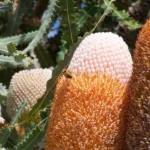 Acorn banksia or orange banksia (Banksia prionotes) care guideBanksia prionotes
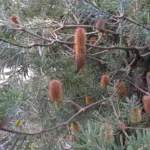 He silver banksia (Banksia marginata) care guideBanksia marginata
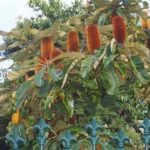 Swamp Banksia (Banksia robur) care guideBanksia robur