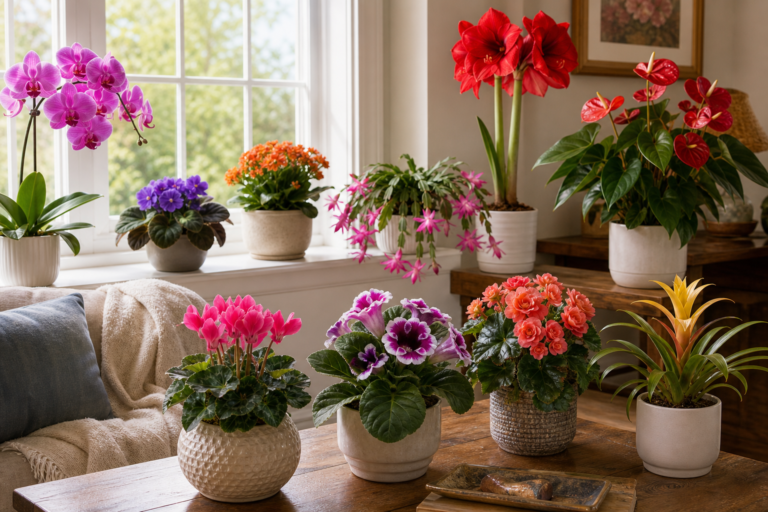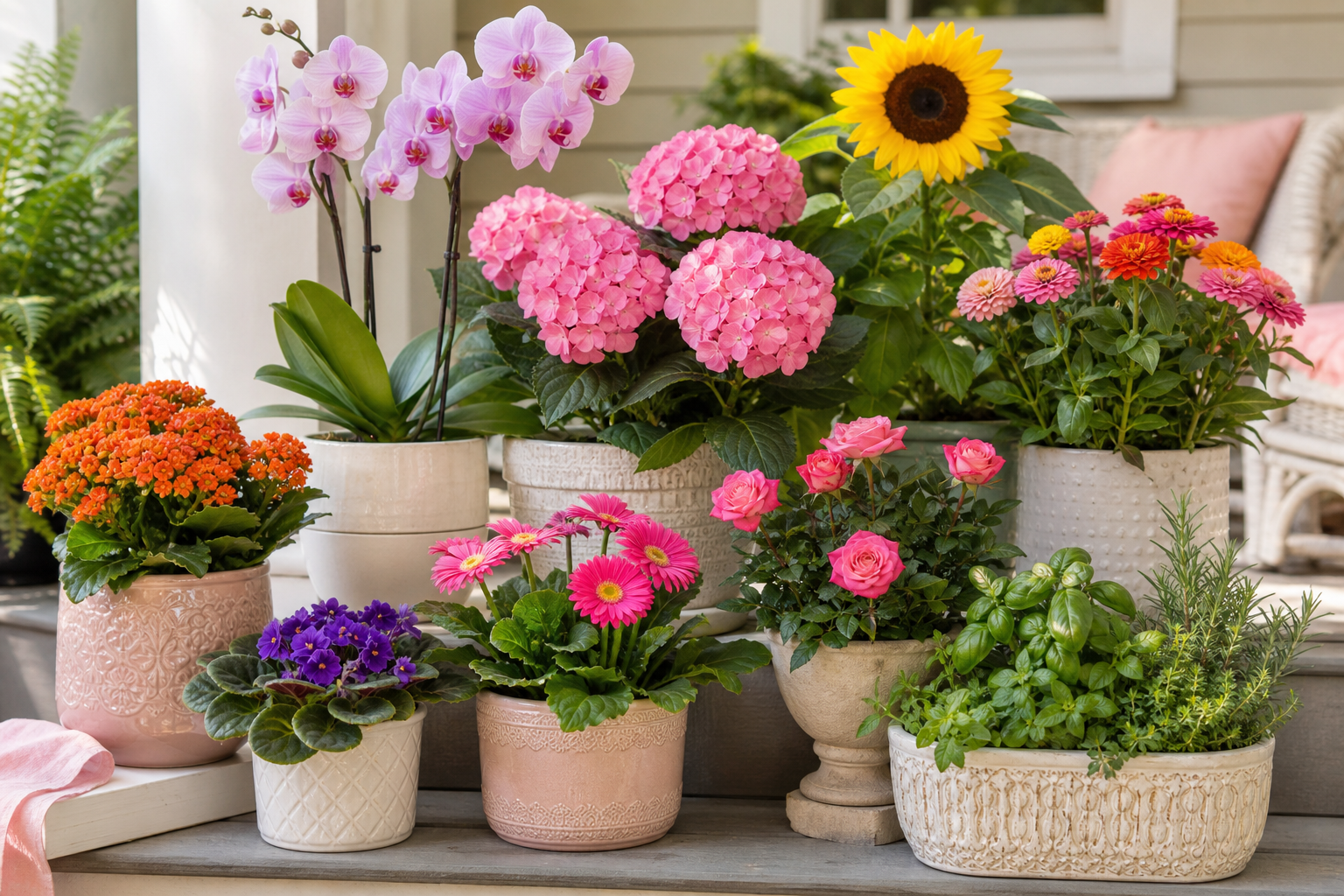
A bouquet is lovely, but a living plant can keep Mother’s Day glowing long after the last cut flower fades. The best gift is not necessarily the rarest or most expensive one. It is the plant that suits her light, schedule, climate and gardening style.
Before you shop, take a quick look at her growing conditions. Does she have a bright south-facing window, a shaded porch or a sunny garden bed? Would she enjoy pruning and repotting, or would a forgiving plant be more welcome? In the United States, Mother’s Day falls in May, when many regions are still experiencing cool nights, so treat tender plants carefully until the danger of frost has passed.
How to choose a Mother’s Day plant she will enjoy
- Match the light. Bright indirect light works well for many indoor flowering plants, while sunflowers and zinnias need several hours of direct sun outdoors.
- Look for healthy growth. Choose a plant with firm leaves, plenty of unopened buds and no obvious insects, mushy stems or severe leaf spotting.
- Check the container. A drainage hole is important. Decorative cachepots are attractive, but the plant should never sit in collected water.
- Think beyond the bloom. A long-lived houseplant, a patio container or a perennial suited to her USDA hardiness zone may offer more lasting pleasure than a short-lived display.
- Consider pets. If cats or dogs share the home, verify the exact plant name before bringing it inside. Plant safety can vary by species and plant part.
1. Orchid: an elegant gift for a bright room
A moth orchid, or Phalaenopsis, makes an impressive gift without requiring a large space. Its arching stems can carry flowers for weeks, and the sculptural leaves remain attractive between blooming periods.
Best for
Someone who enjoys a polished windowsill display and is willing to follow a simple routine. Give it bright, indirect light rather than harsh afternoon sun. A comfortable indoor temperature and protection from cold drafts will help the flowers last.
Easy care
- Water only when the potting medium is beginning to dry, then let excess water drain completely.
- Use a transparent nursery pot inside a decorative container if possible; visible roots can help you judge moisture and root health.
- Keep water out of the crown, where the leaves meet, because trapped moisture can encourage rot.
For a practical watering check, lift the pot before and after watering. Over time, the difference in weight becomes a more useful guide than a fixed calendar schedule.
2. African violet: small, colorful and surprisingly rewarding
African violets offer cheerful flowers in shades of purple, pink, blue, red and white, often above soft, rounded leaves. They are especially suitable for apartments, offices and homes without outdoor garden space.
Place one near a bright, cool window with filtered light. If natural light is limited, a grow light can help; flowering plants generally need a consistent day-and-night rhythm rather than light around the clock.
Watering tip
Touch the surface of the potting mix. When it feels slightly dry, water thoroughly from the bottom or around the edge of the pot, avoiding wetting the fuzzy leaves. A 4- to 6-inch pot may need only a few ounces at a time, but always judge by the soil and drainage rather than the container size alone.
African violets are a thoughtful choice when you want a compact gift that can bloom repeatedly with steady care.
3. Hydrangea: a generous-looking spring centerpiece
Few Mother’s Day plants look as abundant as a potted hydrangea. Large flower heads create an instant centerpiece, and the plant can later become a garden shrub in regions where the selected variety is hardy.
Many gift hydrangeas are bigleaf hydrangeas, which may not bloom reliably outdoors in colder areas if winter damages their flower buds. If your recipient hopes to plant it in the yard, check the plant tag and compare its hardiness range with her location.
Keep the display fresh
- Give the plant bright light, but shield it from hot, direct afternoon sun indoors.
- Check the soil daily while it is flowering. Hydrangeas can wilt quickly when a small nursery pot dries out.
- Water slowly until a little drains from the bottom, then empty the saucer or cachepot.
- Remove faded flower heads to keep the plant tidy, but wait to prune heavily until you know whether the variety flowers on old or new wood.
Do not promise a particular flower color after planting. Hydrangea color can depend on variety, soil chemistry and growing conditions, and white flowers generally do not change color in the same way as some blue or pink bigleaf types.
4. Azalea: a classic choice for a cool, bright room
Florist azaleas arrive covered in masses of flowers, making them feel wonderfully celebratory. They prefer bright light, cool conditions and evenly moist soil while in bloom.
Keep the pot away from heating vents, fireplaces and sunny glass that becomes hot in the afternoon. Check the soil every day or two during flowering. If the surface feels dry, water thoroughly and allow the container to drain.
Azaleas can be challenging as permanent houseplants because they dislike drying out and often need more humidity and cooler conditions than a typical living room provides. They may be a better gift for someone who enjoys attentive plant care or has a suitable outdoor planting location.
Because azaleas are included on pet-safety warning lists, place them where curious animals cannot reach them.
5. Kalanchoe: a colorful, low-water houseplant
Kalanchoe is a succulent with thick leaves and clusters of small flowers. It makes an excellent choice for a sunny windowsill and for anyone who occasionally forgets to water.
Simple routine
- Give it bright light; a few hours of gentle direct sun can support compact growth and flowering.
- Let the potting mix dry noticeably between waterings.
- Water deeply enough to moisten the root ball, then discard the runoff.
- Avoid frequent small sips, which can leave the roots inconsistently wet without hydrating the entire pot.
As a useful measurement exercise, pour 1 cup of water into the pot and see whether it drains promptly. The exact amount will vary with pot size, but the test helps you learn whether the container drains freely or holds water too long.
Kalanchoe is generally sold in compact pots, so it works beautifully with a handmade ceramic cover or a small decorative basket.
6. Gerbera daisy: a bold burst of color
Gerbera daisies bring oversized, cheerful flowers in vivid shades of orange, coral, pink, yellow, red and white. They are ideal for a sunny porch, patio container or temporary indoor display.
Indoors, place the plant near the brightest window available and avoid overwatering. Outdoors, wait until nighttime temperatures are reliably mild in your area. In colder USDA zones, treat gerberas as seasonal container plants unless you plan to bring them indoors.
Water at the base when the top inch of potting mix feels dry. Good air circulation and prompt removal of faded flowers help maintain a neat appearance. If you are giving one as a cut-flower-style gift, select a plant with several open blooms and many tight buds for a longer display.
7. Rose: a timeless gift with garden potential
A potted miniature rose feels personal and traditional, especially for someone who dreams of a garden filled with fragrance. Miniature roses can flower repeatedly, but they usually need more sun than people expect.
Give the plant the brightest location available, then move it outdoors gradually after the weather settles. A sunny patio or garden spot with good air circulation is often more suitable long term than a dim indoor room.
What to look for
- Healthy green leaves and sturdy stems.
- Several unopened buds rather than a plant past its peak.
- No webbing, clusters of insects or widespread black spotting.
- A container with a drainage hole and room for the root ball.
If planting it outside, choose a rose suited to the recipient’s region and follow the tag’s spacing and sun guidance. A note explaining that the plant needs gradual acclimation to outdoor conditions can make the gift much more successful.
8. Sunflower: a sunny gesture for an outdoor gardener
Sunflowers make a memorable gift because they combine strong visual impact with an approachable growing project. Choose a small container variety for a patio or balcony, or give a seed-starting kit for someone who enjoys watching plants develop.
Sunflowers need full sun, which generally means at least 6 hours of direct sunlight daily. Larger varieties may require staking and can become top-heavy, while dwarf types work better in containers.
Planting advice
- Wait until the local frost risk has passed before planting tender seedlings outdoors.
- Use a container with drainage and enough depth for the chosen variety.
- Water when the top inch of soil is dry, soaking the root zone rather than sprinkling the leaves.
- Protect young plants from strong wind and hungry birds until they become established.
Sunflowers are also listed among pet-friendly flowers by animal-safety resources, although any plant material can still cause stomach upset if eaten.
9. Zinnia: an easy flower for summer color
Zinnias are a practical choice for a mother who loves cut flowers and wants a garden that keeps producing. They come in many forms, from small button blooms to large, dahlia-like flowers, with colors ranging from white and yellow to pink, orange and red.
They grow best in full sun and warm soil. In many parts of the United States, direct-sown seeds perform well once spring temperatures have settled, while nursery transplants provide an earlier start.
Why gardeners enjoy them
- They offer a long season of color when regularly harvested.
- They suit beds, raised gardens and containers.
- They are beginner-friendly when given sun and reasonable drainage.
- Removing spent flowers encourages a tidy, productive display.
For a more complete gift, pair a packet of zinnia seeds with a small hand trowel, plant markers and a simple watering can.
10. Herbs in bloom: a useful gift with fragrance
A flowering herb planter offers beauty and usefulness in one package. Thyme, oregano, sage, chives and rosemary can bring fragrance to a sunny patio, while chives may produce attractive purple flowers that pollinators visit.
Choose herbs that match the recipient’s cooking habits and growing space. Rosemary generally prefers strong sun and excellent drainage, while mint is best kept in its own container because it can spread aggressively in garden beds.
Make the planter last
- Place the container where it receives at least 6 hours of sun when possible.
- Water when the top inch of mix feels dry, adjusting for heat and wind.
- Confirm that the container drains freely after every watering.
- Harvest lightly at first, taking no more than about one-third of a plant at a time.
A mixed herb container is especially appealing for a new gardener because it provides an immediate sensory reward: fresh leaves to touch, flowers to admire and ingredients to use.
A final gift that matters: the care card
Even an easy plant benefits from clear instructions. Add a small card with the plant’s common and botanical name, preferred light, watering cue and outdoor temperature advice. Mention whether the plant should stay in its nursery pot for now and include the receipt if the recipient may want to exchange it for a better match.
If pets live in the home, include a reminder to check the exact plant in a trusted pet-safety database. Lilies are especially dangerous for cats, while several popular spring plants—including tulips, azaleas, hydrangeas and peace lilies—may also pose risks to animals. When in doubt, choose a pet-friendly option such as an orchid, African violet, rose, sunflower, zinnia or gerbera daisy, and still discourage pets from chewing any plant.
Give a plant that fits her life
The most beautiful Mother’s Day plant is the one she can enjoy easily. Choose an orchid for elegance, kalanchoe for low-maintenance color, hydrangea for a dramatic spring display, or zinnias and sunflowers for a season of outdoor fun. Add a thoughtful container and a few practical care notes, and your gift can become a lasting part of her home or garden.