
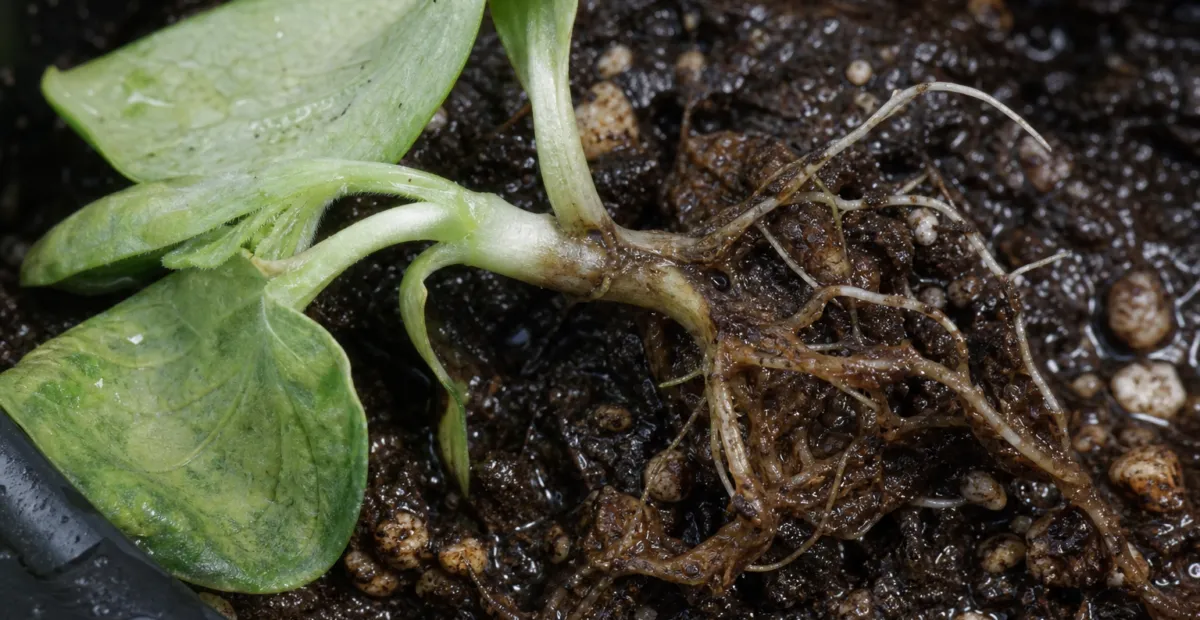
Pythium ultimum Damping-Off and Root Rot
Pythium ultimum TrowPythium ultimum Damping-Off and Root Rot overview
Pythium ultimum is a soilborne oomycete that commonly causes seed decay, pre-emergence and post-emergence damping-off, and root rot, especially in seedlings grown in saturated or poorly drained media. It has a broad host range and may affect vegetables, field crops, ornamentals, nursery plants, and turfgrass. Accurate species diagnosis usually requires laboratory examination.
Typical conditions
Overview
Pythium ultimum is a water mold, not a true fungus, that lives mainly in soil, potting media, crop residues, and contaminated nursery materials. It commonly attacks seeds before emergence, causing seed decay and pre-emergence damping-off, or infects newly emerged seedlings and causes post-emergence damping-off.
On older plants, disease is often concentrated in fine feeder roots. Severe root loss can produce stunting, chlorosis, wilting, and reduced establishment. The visible symptoms are not diagnostic by themselves because Rhizoctonia, Fusarium, Phytophthora, and other Pythium species may look similar.
Symptoms and identification
- Seeds fail to germinate or decay shortly after planting.
- Seedling stems become water-soaked, brown, soft, and constricted at the soil line.
- Young seedlings collapse rapidly, often in irregular patches.
- Roots are sparse, brown, sunken, and may lose the outer cortex, leaving a thin central strand.
- Older plants may show stunting, yellowing, wilting during warm periods, and poor recovery after irrigation.
- In humid conditions, fine white growth may occasionally be visible on recently killed tissue, but it is not sufficient for reliable identification.
Diagnosis should include examination of roots and the lower stem, and species-level confirmation may require culture, microscopy, or molecular testing.
Causes and spread
The pathogen survives in infested soil, plant debris, potting media, containers, tools, irrigation systems, and other wet surfaces. Spread occurs through contaminated soil and media, splashing or flowing water, dirty trays and tools, plant handling, and movement of infected roots or residues.
Waterlogged conditions are particularly important because they support spore germination, movement of motile zoospores where produced, and rapid colonization of nearby roots. Dense stands, slow germination, cool wet soil, overwatering, poor drainage, and transplant stress increase disease risk. Pythium may also spread locally by mycelial growth through potting media from infected roots to adjacent plants.
Life cycle and persistence
Pythium ultimum persists primarily as thick-walled oospores and other resistant structures in soil or plant residue. When moisture and temperature are favorable, inoculum can germinate directly by producing a germ tube or indirectly through sporangia. Depending on the isolate and conditions, sporangia may produce motile zoospores or germinate directly.
Germinating propagules are attracted to nutrient-rich exudates around germinating seeds and root tips. Infection is fastest in young, stressed, or oxygen-limited roots. The pathogen grows through infected tissue and can extend through wet media to nearby roots. New survival structures form in colonized or dying tissue, allowing the cycle to continue between crops.
Treatment and control
- Remove and discard diseased seedlings and heavily infected plants; do not compost material from an active outbreak unless the composting process is reliably managed.
- Reduce irrigation frequency and correct drainage, compaction, leaks, and low areas that retain water.
- Transplant surviving plants into clean containers or beds with fresh, well-drained media when root damage is limited.
- Disinfect reusable trays, tools, work surfaces, and irrigation components before reuse.
- For valuable crops, submit symptomatic roots and media to a plant diagnostic laboratory because visual symptoms cannot reliably distinguish P. ultimum from other damping-off pathogens.
- In established beds, management is usually aimed at preventing additional infection; severely rotted roots cannot be restored.
Low-impact and biological control
Organic and biological management is most effective when combined with moisture control and sanitation. Use clean propagation media, careful irrigation, adequate drainage, and prompt removal of diseased seedlings. Commercial biological products containing beneficial organisms such as selected Trichoderma or beneficial bacteria may suppress Pythium in some production systems, but performance depends on the specific strain, crop, substrate, temperature, and application timing.
Use only products approved for organic production under the applicable U.S. certification program, and follow the product label. Biological controls should not be treated as substitutes for clean media, sanitation, and water management.
Prevention
- Use new or properly sanitized trays, pots, tools, benches, and irrigation equipment.
- Start seeds in a clean, commercially produced, well-drained soilless medium rather than garden soil.
- Provide drainage holes and avoid standing water beneath containers or trays.
- Water only when needed; allow the medium surface to dry appropriately between irrigations.
- Improve greenhouse airflow, avoid overcrowding, and remove collapsed seedlings promptly.
- Use high-quality seed and follow crop-specific recommendations for seed treatment where available.
- Do not move contaminated media, soil, roots, or irrigation water into clean beds or propagation areas.
- Rotate crops where practical, while recognizing that the broad host range of Pythium limits the value of rotation alone.
Interesting facts
- Pythium ultimum is an oomycete, often called a water mold, rather than a true fungus.
- Many Pythium species are weakly host-specific, so crop rotation alone may not eliminate inoculum.
- Young roots and germinating seeds are generally more vulnerable than mature plant tissues.
- Moisture management is often the most important practical control because free water supports pathogen movement and disease development.
- Several Pythium species can occur together, and species identification based only on field symptoms is unreliable.
Chemical control is crop-, site-, pathogen-, and state-specific. Use only products legally authorized in the United States for the specific crop and diagnosed disease, and follow the current label exactly, including permitted sites, rates, reentry intervals, preharvest intervals, resistance-management requirements, and personal protective equipment. Do not apply a product solely on the basis of symptoms, and do not use turf or greenhouse labels on food crops unless the label expressly allows that use.
Affected plants
The plants below are linked to this problem by structured host-plant data. The list updates automatically as new plant profiles are added.
 Beet (Beta vulgaris) care guideBeta vulgaris
 Maroon cucumbe (Cucumis anguria) care guideCucumis anguria
 Horned Melon (Cucumis metuliferus) care guideCucumis metuliferus
 Cucumber (Cucumis sativus) care guideCucumis sativus
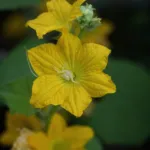 Melon or true melo (Cucumis melo) care guideCucumis melo
 Cantalupensis Group (Cucumis melo Cantalupensis Group)Cucumis melo Cantalupensis Group
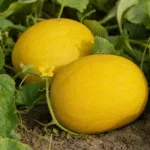 Mango melon (Cucumis melo Chito Group)Cucumis melo Chito Group
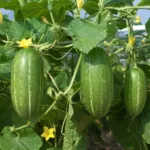 Oriental pickling melon (Cucumis melo Conomon Group)Cucumis melo Conomon Group
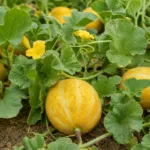 Dudaim melon (Cucumis melo Dudaim Group)Cucumis melo Dudaim Group
 Flexuosus Group (Cucumis melo Flexuosus Group)Cucumis melo Flexuosus Group
 Inodorus Group (Cucumis melo Inodorus Group)Cucumis melo Inodorus Group
 Makuwa Group (Cucumis melo Makuwa Group)Cucumis melo Makuwa Group