
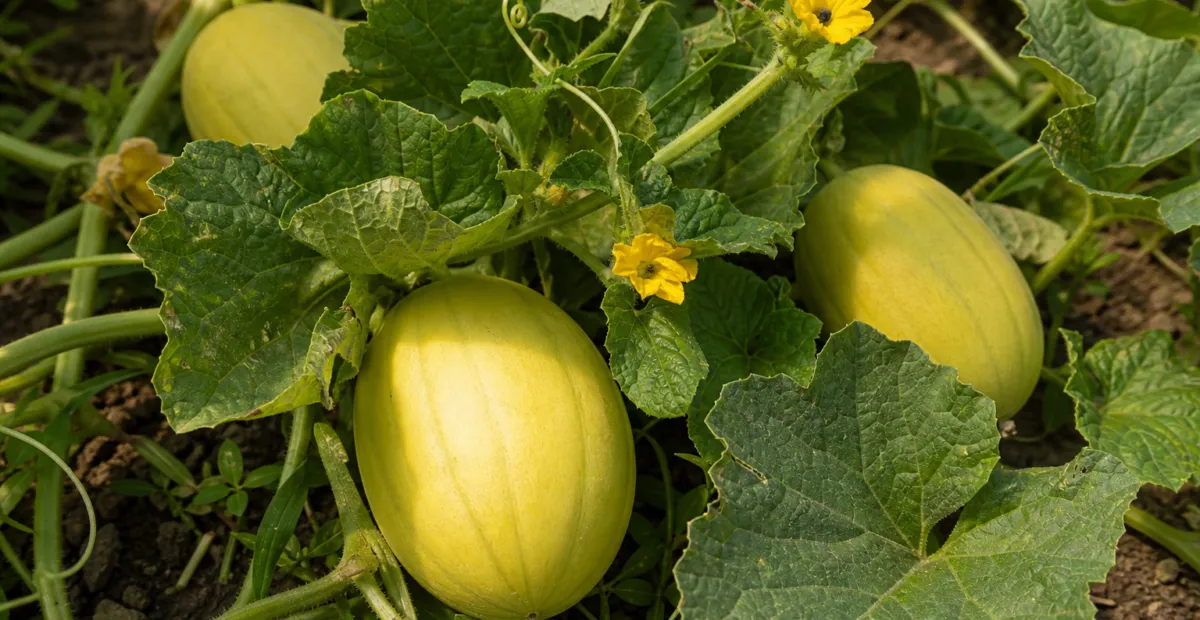
 AI-generated illustration
Makuwa Group (Cucumis melo Makuwa Group) short overview
Cucumis melo Makuwa Group is a warm-season annual melon grown for its edible fruits and vigorous trailing vines. Plants produce rough, shallowly lobed leaves, curling tendrils, and small yellow flowers followed by fruits that vary widely in shape, skin color, flesh color, sweetness, and aroma across the group. In the United States, it needs full sun, fertile well-drained soil, regular moisture, and a long frost-free growing season.
Taxonomic classification
Makuwa Group (Cucumis melo Makuwa Group) care guide
Light and placement
Give full sun, ideally at least 8 hours of direct light, in a south- or west-facing bed with reflected warmth. A trellis can improve exposure and airflow, but protect fruit from overheating on very hot reflective surfaces. Pale, stretched vines and poor flowering suggest insufficient light; scorched leaves or rapidly wilting foliage suggest excessive heat combined with water stress.
Watering and humidity
Keep soil consistently and evenly moist, especially during flowering and fruit enlargement, but never saturated. Water deeply at the soil line when the upper inch begins to dry, preferably in the morning. Reduce splashing on leaves and maintain mulch to slow evaporation. Do not allow severe drought followed by heavy irrigation, which can impair fruit quality and cause splitting.
Soil and growing medium
Use fertile, loose soil that drains freely but holds even moisture. A loam or sandy loam enriched with compost is suitable. Avoid compacted, waterlogged ground, which encourages root and crown problems. Melons generally perform well in slightly acidic to neutral soil, approximately pH 6.0–7.0.
Feeding
Before planting, incorporate finished compost or a modest amount of balanced vegetable fertilizer according to the product label. Feed again only if growth is weak or foliage is pale. Avoid excessive nitrogen, which produces luxuriant vines with delayed or reduced fruiting. Stop routine feeding as fruits begin to mature unless soil tests indicate a deficiency.
Growth and habit
This is a vigorous, fast-growing annual vine that spreads across the ground or climbs when given support. Tendrils help attach stems to trellises, while heavy fruit may require slings. Consistent warmth and moisture support continuous flowering and fruit development; crowding increases disease pressure.
Planting and repotting
Plant after the danger of frost has passed and soil has warmed to at least about 65°F. Sow seeds about 1 inch deep. Space plants roughly 18–24 inches apart in rows 5–6 feet apart, or allow comparable room in a large container. Harden transplants gradually and protect young plants from cool nights.
Usually grown directly in the ground or in a large final container because the vine dislikes root disturbance. If starting in pots, transplant while young and handle the root ball carefully.
Propagation and pruning
Propagation
Propagate by seed. Sow indoors 3–4 weeks before the expected last frost only if transplanting can be done while plants are young; direct sowing into warm soil is often simpler. Use fresh, labeled seed because open-pollinated melons can cross with compatible C. melo types.
Pruning
Pruning is optional. Remove damaged or diseased leaves promptly and guide leaders onto support. Excessive cutting can reduce the leaf area needed to fill fruit, so limit training cuts to crowded, unhealthy, or strategically misplaced growth.
Overwintering
There is no practical outdoor wintering method in freezing climates. Finish harvest before frost, remove diseased vines, and rotate the planting area. Containers may be moved indoors temporarily, but ordinary household conditions rarely provide enough light and space for productive overwintering.
Uses
Primarily grown as an edible specialty melon for fresh eating. Depending on cultivar and maturity, fruits may be served chilled, sliced, or used in salads and desserts; some East Asian types are also eaten at less mature stages. Culinary quality varies substantially within the group, so use cultivar-specific harvest guidance when available.
Appearance
The plant has angular, ridged, hairy stems, unbranched tendrils, alternate rounded to shallowly lobed leaves, and axillary yellow flowers. Fruits are smooth or lightly furrowed and vary considerably among Makuwa cultivars, commonly ranging from oval to round with white, green, or yellow rind and pale flesh.
Flowering
Plants are monoecious, producing separate male and female yellow flowers on the same vine. Male flowers commonly appear first, while female flowers develop a small swollen ovary behind the bloom. Flowering is concentrated during the warm growing season and depends on active vine growth and pollinator activity.
Pollination and visitors
The yellow flowers are visited by bees and bumblebees, which transfer pollen between male and female flowers. Poor fruit set can occur during cool, rainy, windy, or very hot weather when pollinator activity is reduced.
Cucumis melo Makuwa Group photos
Click any photo for a larger view. Source, author and license are shown separately.
Diseases and pests
Diseases
Use resistant seed where available, rotate cucurbits, provide good air circulation, and water at the soil surface. Watch for powdery mildew, downy mildew, gummy stem blight, Fusarium wilt, and bacterial wilt. Remove badly affected foliage, avoid working among wet plants, and manage cucumber beetles because they can spread bacterial wilt.
Pests
Common pests include cucumber beetles, squash bugs, aphids, spider mites, and melon flies in affected regions. Inspect leaf undersides and new growth, use row cover until flowering, hand-remove larger insects, and encourage beneficial insects. Remove row cover at flowering so pollinators can reach the blossoms.
Related diseases and pests
Only Plant Doctor profiles whose host data indicate this plant may be affected are shown here.
 DiseaseFusarium wiltFusarium oxysporum species complex
 DiseaseCucurbit Downy MildewPseudoperonospora cubensis (Berk. & M.A. Curtis) Rostovzev
 DiseaseCucurbit Powdery MildewPodosphaera xanthii (Castagne) U. Braun & Shishkoff
 PestMelon aphid (cotton aphid)Aphis gossypii Glover
 DiseaseCucurbit AnthracnoseColletotrichum orbiculare
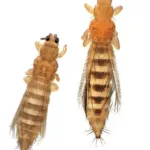 PestOnion thripsThrips tabaci Lindeman
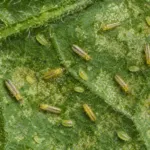 PestMelon thripsThrips palmi Karny
 PestTwo-spotted spider miteTetranychus urticae
Toxicity and pollen
The mature fruits are cultivated as food. No specific toxic principle is established for the Makuwa Group, but ordinary food-allergy reactions are possible, and spoiled or bitter cucurbit fruit should not be eaten. Sap and foliage may irritate sensitive skin. Evidence for pet-specific toxicity is limited rather than definitive.
- Typical season
- During flowering, typically June–August in much of the United States
- Pollination / pollen
- Insect-dispersed flower pollen
Makuwa flowers release pollen during insect-mediated pollination rather than relying primarily on wind. Airborne exposure is usually limited, but sensitive individuals may still react to melon pollen or experience contact irritation from plant tissues. Avoid handling flowering vines when symptomatic and consult a clinician for persistent reactions.
Native habitat
The group represents cultivated East Asian melon types adapted to warm, frost-free agricultural conditions. In cultivation, plants favor sunny open sites with fertile, well-drained soils and a long summer. They are not naturally persistent perennials and are killed by freezing temperatures.
Interesting fact
Makuwa is a horticultural group within the species Cucumis melo, not a separate species. Group members are important East Asian melons and may have white, green, or yellow rinds with pale flesh. Fruits are often harvested at a less aromatic stage than strongly scented cantaloupes. Melon flowers are structurally adapted for insect pollination.
Frequently asked questions (FAQ)
The most relevant questions about this plant, with short and direct answers.
🌱Quick care
What is Cucumis melo Makuwa Group?⌄
Cucumis melo Makuwa Group is a group of thin-skinned Asian melons, often called Oriental melons or Korean melons. The fruits are commonly crisp, fragrant, and eaten fresh with the skin and seeds removed or retained depending on the cultivar.
Is Cucumis melo Makuwa Group a melon or a cucumber?⌄
Cucumis melo Makuwa Group is a melon, not a true cucumber. It belongs to the same species as cantaloupes, honeydews, and other cultivated melons, although its fruits can have a cucumber-like crispness.
How much sun does Cucumis melo Makuwa Group need?⌄
Provide full sun, ideally at least 8 hours of direct sunlight daily. Strong light and warm conditions support vigorous vines, flowering, fruit set, and sweeter fruit.
How often should I water Makuwa melons?⌄
Water regularly to keep the soil evenly moist but not waterlogged. Maintain consistent moisture while vines and fruit are developing, then avoid extreme fluctuations and reduce watering slightly as ripe fruit approaches to help limit splitting and diluted flavor.
Are Makuwa melons annual or perennial plants?⌄
Makuwa melons are frost-tender annual vines in U.S. gardens. They grow, flower, fruit, and die within one warm growing season.
🌤️Environment and placement
What temperature is best for growing Cucumis melo Makuwa Group?⌄
Warm conditions are best, with active growth generally favored around 68–86°F. Protect plants from frost and prolonged cool weather because cold slows growth and can prevent reliable fruit production.
Can I grow Makuwa melons in a container?⌄
Yes, Makuwa melons can grow in a large container if they receive full sun, regular water, and strong support. Use a container of roughly 15–20 gallons per plant, fertile well-drained mix, and a trellis or allow the vines to trail.
How much space do Makuwa melon vines need?⌄
Allow substantial room for trailing vines, commonly about 6–10 feet of horizontal growing space per plant unless trained vertically. Follow the seed packet’s spacing because cultivars differ in vine vigor and fruit size.
Can Makuwa melons grow in USDA Zone 6?⌄
They can grow in USDA Zone 6 when started early and protected from cool spring weather, but they need a sufficiently long frost-free season to mature fruit. Black plastic, row cover, or a warm microclimate can improve early growth.
What soil is best for Cucumis melo Makuwa Group?⌄
Use fertile, well-drained loam or sandy loam enriched with organic matter. Avoid heavy, poorly drained soil, and maintain a slightly acidic to neutral soil reaction.
💧Care and problems
Why are my Makuwa melon leaves turning yellow?⌄
Yellow leaves may result from overwatering, poor drainage, nutrient deficiency, aging foliage, or disease. Check soil moisture and roots first, then inspect the leaves and vines for powdery mildew, insect damage, or spreading spots.
Why is my Makuwa melon plant flowering but not producing fruit?⌄
The plant may lack pollination, especially during cool, rainy, or inactive-pollinator weather. Makuwa melons produce separate male and female flowers, so hand-pollinate by transferring pollen from a fresh male flower to the center of a newly opened female flower.
How do I hand-pollinate Makuwa melon flowers?⌄
Use a small brush or a freshly opened male flower to transfer pollen onto the stigma inside a female flower, preferably in the morning. Female flowers have a small swollen fruit-like base behind the bloom, while male flowers do not.
What pests commonly attack Makuwa melons?⌄
Common pests include cucumber beetles, aphids, squash bugs, spider mites, and melon or pickleworm-related caterpillars depending on location. Monitor new growth and flowers frequently, use row covers before flowering where practical, and choose controls labeled for edible crops.
How can I prevent powdery mildew on Makuwa melons?⌄
Reduce leaf wetness, provide good air circulation, avoid overcrowding, and water at the soil surface. Remove badly affected leaves and use a properly labeled fungicide if the disease is spreading; resistant cultivars may offer additional protection.
Should I mulch around Makuwa melon plants?⌄
Yes, mulch helps conserve soil moisture, suppress weeds, and keeps developing fruit cleaner. Apply organic mulch after the soil has warmed, leaving a small gap around the stem to reduce rot risk.
🪴Planting and repotting
When should I plant Makuwa melon seeds in the United States?⌄
Sow or transplant Makuwa melons after the danger of frost has passed and soil temperatures are at least about 70°F. In short-season areas, start seeds indoors roughly 3–4 weeks before transplanting, while warm regions can direct-sow them.
How deep should I plant Makuwa melon seeds?⌄
Plant seeds about ½–1 inch deep in warm, prepared soil. Germination is usually strongest when soil temperatures remain near 77–86°F and the seedbed is kept evenly moist.
How far apart should Makuwa melon plants be planted?⌄
Space plants about 24–36 inches apart in rows, with 6–10 feet between rows when vines trail on the ground. Use closer spacing only when the plants will be trellised and airflow remains adequate.
Can I transplant Makuwa melon seedlings?⌄
Yes, but transplant them carefully because melon roots dislike disturbance. Use biodegradable pots or handle the root ball gently, and transplant only after temperatures are reliably warm.
✂️Propagation and pruning
How do I grow Cucumis melo Makuwa Group from seed?⌄
Sow fresh seed in warm soil or start it indoors in individual containers, then transplant after frost when seedlings have a few true leaves. Keep seedlings warm and evenly moist, and provide full sun immediately after emergence.
Do Makuwa melons need pruning?⌄
Pruning is optional rather than essential. If space is limited, guide the main vine onto a trellis and remove weak or crowded side shoots, but avoid excessive pruning because the leaves power fruit development.
Can Makuwa melons be grown on a trellis?⌄
Yes, sturdy trellising works well for smaller-fruited Makuwa cultivars. Support each developing melon with a sling or other cradle so the fruit’s weight does not tear the vine.
Can Makuwa melons cross-pollinate with cantaloupes or honeydew melons?⌄
Yes, different Cucumis melo cultivars and groups can cross-pollinate. Cross-pollination does not change the current season’s fruit, but it can affect the traits of seeds saved for planting next year.
⚠️Toxicity and safety
Are Makuwa melons safe to eat?⌄
Makuwa melon fruit is generally eaten as food and has no specific toxicity established for ordinary consumption. Do not eat fruit that is unusually bitter, spoiled, or damaged, and use normal precautions for melon allergies and food hygiene.
Can you eat Makuwa melon skin and seeds?⌄
Some Makuwa cultivars have tender edible skin, but wash the fruit thoroughly and follow the cultivar’s eating instructions. Seeds are generally removed for fresh eating because texture and flavor vary, and they should not be consumed if the fruit tastes unusually bitter.
Can pets eat Makuwa melon?⌄
Small amounts of plain ripe melon flesh are generally treated as a food item rather than a known plant toxin, but pet-specific tolerance varies. Remove rind and seeds, avoid sweetened or seasoned preparations, and ask a veterinarian if your pet has digestive problems or shows any reaction.
🌸Flowering and special interest
How long does it take Makuwa melons to mature?⌄
Many Makuwa cultivars mature in roughly 70–90 days from transplanting, although timing varies by cultivar and growing conditions. Use the seed packet’s days-to-maturity estimate and judge final ripeness by the fruit’s color, aroma, and texture.
How can I tell when a Makuwa melon is ripe?⌄
Ripe fruit often develops the cultivar’s mature yellow or golden color, a stronger aroma, and slight softening at the blossom end. Because ripeness markers vary among Makuwa cultivars, compare the fruit with the seed supplier’s description rather than relying on one sign alone.
Why are my Makuwa melons splitting?⌄
Fruit splitting is commonly associated with uneven watering, rapid growth, high humidity, or overripe fruit. Keep soil moisture steady, improve drainage, avoid severe dry-to-wet cycles, and harvest promptly when the fruit reaches its mature color.
Similar plants
 Azure Monkshood (Aconitum carmichaelii) care guideAconitum carmichaelii
 Monkshood (Aconitum ‘Stainless Steel’)Aconitum 'Stainless Steel'
 Monkshood (Aconitum ‘Bressingham Spire’)Aconitum 'Bressingham Spire'
 Golden full moon maple (Acer shirasawanum ‘Aureum’)Acer shirasawanum 'Aureum'
 Globosum (Acer platanoides ‘Globosum’)Acer platanoides 'Globosum'
 Striped maple (Acer pensylvanicum) care guideAcer pensylvanicum