
 Source:
 Striped maple (Acer pensylvanicum) short overview
Striped maple (Acer pensylvanicum) is a small deciduous tree or large shrub native to cool, wooded regions of eastern North America. It thrives in partial to deep shade, moist well-drained soil, and protected woodland conditions. Its white-striped green bark, three-lobed leaves, hanging spring flowers, winged fruits, and yellow fall color give it year-round ornamental interest, while its foliage and twigs support wildlife.
Taxonomic classification
Striped maple (Acer pensylvanicum) care guide
Light and placement
Place in partial shade to deep shade, ideally beneath a high canopy or on a north- or east-facing woodland edge. Morning or filtered light is usually tolerated, but hot afternoon sun can scorch leaves and dry the shallow root zone. Excessive shade may produce slower, more open growth, while exposed conditions often cause leaf scorch and stress.
Watering and humidity
Water deeply and slowly when the upper soil begins to dry, keeping the root zone consistently moist during establishment and summer drought. Reduce frequency in cool, wet weather but do not allow prolonged drying. Maintain a broad organic mulch layer, kept away from the trunk, to moderate soil temperature and moisture.
Soil and growing medium
Use a cool, humus-enriched, well-drained soil that stays evenly moist without becoming waterlogged. Slightly acidic woodland soil is preferred. Sandy loam and loam are suitable; compacted soil, heavy clay, droughty ground, and alkaline urban fill can reduce performance.
Feeding
Usually needs little fertilizer once established in fertile woodland soil. Apply a thin layer of compost or leaf mold in spring, or use a balanced slow-release fertilizer at label rates if growth is weak. Do not overfeed, fertilize drought-stressed plants, or stimulate soft growth late in the season.
Growth and habit
This slow-growing understory maple develops a rounded, often multi-stemmed habit. Its shallow, wide-spreading roots compete effectively for moisture and nutrients, so avoid deep cultivation beneath the canopy. Plants exposed to a sudden canopy opening can respond with increased growth, but young trees can scorch in strong sun.
Planting and repotting
Plant in spring or early fall in partial to deep shade. Set the root flare level with the surrounding soil, mulch broadly without touching the trunk, and water consistently during establishment. Allow ample lateral room for its shallow, spreading roots and protect the site from reflected heat and drying winds.
Best planted in the ground rather than maintained long-term in a container because it develops a broad, shallow root system. If container-grown, transplant while dormant or in early spring, moving it before roots circle densely and keeping the root ball intact.
Propagation and pruning
Propagation
Propagate primarily from seed. Fresh seed commonly requires a period of warm and/or cold stratification before germination, and seedlings are best grown on with consistent moisture and shade. Semi-ripe cuttings may be possible but are less dependable than seed.
Pruning
Prune sparingly during dormancy or just after leaf-out to remove dead, damaged, crossing, or poorly placed stems. Preserve the naturally multi-stemmed structure where appropriate. Avoid heavy cutting and unnecessary wounds, especially on young striped bark.
Overwintering
Generally hardy outdoors in USDA zones 3b–7. Young plants benefit from a winter mulch layer over the root zone and protection from drying winds. Avoid late-season fertilizing and maintain adequate autumn moisture before the ground freezes.
Uses
Useful as a native understory specimen, woodland-garden tree, shaded border plant, or wildlife-supporting landscape plant. Its striped bark adds winter interest and its foliage provides habitat and food value. It is not a practical edible or medicinal crop, and it performs poorly in hot, paved, drought-prone locations.
Appearance
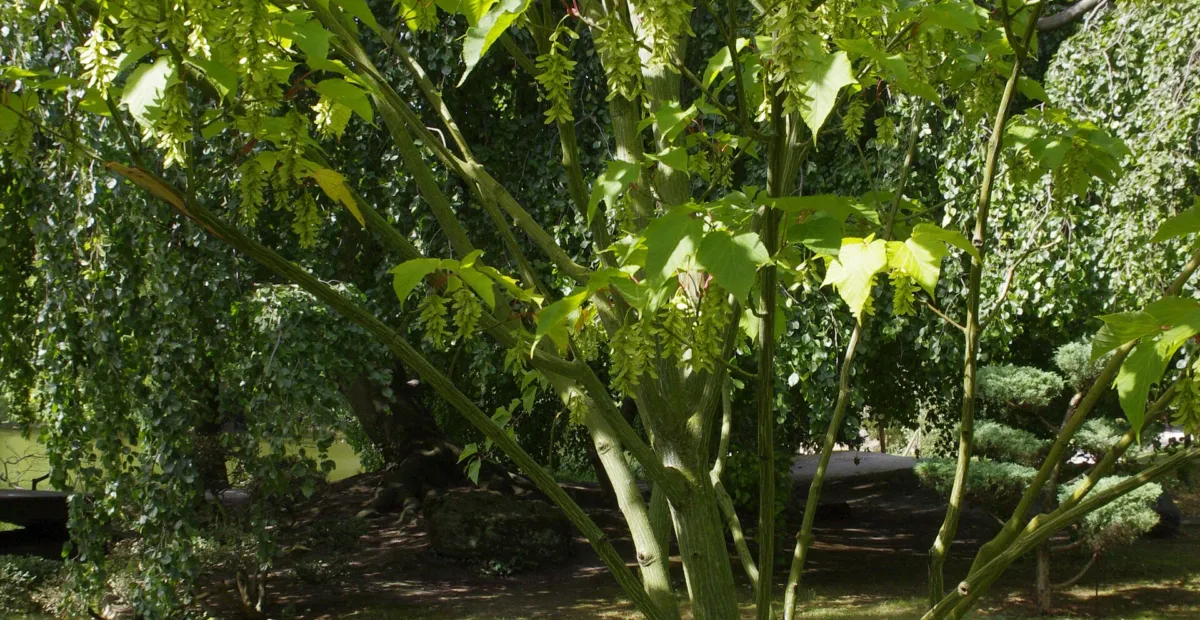
The species is recognized by green to greenish-brown young trunks and branches marked with narrow, vertical white stripes. Leaves are palmately three-lobed, often resembling a goosefoot, and turn yellow in fall. The rounded crown may be single-stemmed or multi-stemmed, with subtle hanging flower clusters and paired winged fruits.
Flowering
Small, greenish-yellow flowers hang in slender clusters in spring, usually from May into June in much of the United States. Flowering is subtle but distinctive beneath the emerging foliage and is followed by paired winged fruits.
Pollination and visitors
The small spring flowers provide nectar and pollen resources visited by bees and butterflies. The plant also supports broader woodland food webs through its foliage, twigs, fruits, and browse value, although animal use is not limited to pollinators.
Acer pensylvanicum photos
Click any photo for a larger view. Source, author and license are shown separately.
Diseases and pests
Diseases
Potential problems include leaf spot, tar spot, cankers, Verticillium wilt, and root rots. Reduce stress with good drainage, adequate moisture, clean mulch practices, and improved air circulation; remove badly affected material when appropriate and avoid wounding the trunk.
Pests
Aphids, scale, borers, mites, and caterpillars may occur. Inspect new growth and young stems, especially on stressed plants. Encourage natural predators, improve watering and site conditions, and use targeted controls only when damage is substantial.
Toxicity and pollen
No strong, authoritative evidence was found establishing Acer pensylvanicum as a significant human or companion-animal poison. Normal plant-handling precautions are appropriate: do not deliberately eat ornamental plant material, and contact a medical or veterinary professional if a substantial amount is ingested or symptoms occur.
- Typical season
- May–June
- Pollination / pollen
- Insect-borne pollen
Striped maple is insect-pollinated rather than a classic wind-pollinated allergy tree, so large airborne pollen exposure is not expected. Specific clinical allergy data for this species are limited; sensitive individuals should still avoid assuming zero risk during flowering.
Native habitat
Native to cool, moist forests, woodland openings, ravines, and northern hardwood communities of the northeastern United States and adjacent southeastern Canada. It favors shaded slopes, acidic to slightly acidic soils, and good drainage, and is particularly associated with cooler upland and mountain environments.
Interesting fact
Its young bark has conspicuous pale vertical striping that gives the species its common name. The species can survive for decades under heavy shade and respond rapidly when an opening forms in the forest canopy. In nature, browsing by deer and moose can keep it in a multi-stemmed shrub form.
Frequently asked questions (FAQ)
The most relevant questions about this plant, with short and direct answers.
🌱Quick care
What is the best light for striped maple?⌄
Striped maple grows best in partial shade to deep shade, especially beneath taller trees. Protect it from strong afternoon sun, which can scorch the leaves and overheat the roots.
How often should I water Acer pensylvanicum?⌄
Water striped maple whenever the soil surface begins to dry, keeping the root zone evenly moist but not waterlogged. It is particularly sensitive to drought, heat, and prolonged dry periods.
Is striped maple easy to grow?⌄
Striped maple is relatively low-maintenance when planted in a cool, shaded woodland setting with moist, well-drained soil. It becomes difficult in hot, exposed, compacted, salty, or drought-prone locations.
🌤️Environment and placement
Where should I plant striped maple?⌄
Plant striped maple in a cool woodland garden, under deciduous trees, or in a sheltered north- or east-facing location. Choose a site with partial to deep shade and reliable soil moisture.
Can Acer pensylvanicum grow in full shade?⌄
Yes, striped maple tolerates deep shade very well and is one of the more shade-tolerant maples. Growth may be slower, but excessive sunlight is generally a greater problem than too little light.
Can striped maple grow in full sun?⌄
Striped maple can sometimes tolerate limited morning sun, but full sun is generally unsuitable, especially in warm climates. Sun-exposed trees may develop leaf scorch, drought stress, and poor overall vigor.
What type of soil does striped maple need?⌄
Striped maple prefers cool, moist, well-drained soil that is rich in organic matter and slightly acidic. Sandy loam or other woodland soil is suitable, while compacted or poorly drained soil can cause problems.
What USDA hardiness zones are suitable for Acer pensylvanicum?⌄
Striped maple is generally suited to USDA Hardiness Zones 3 through 7, with some references extending it into Zone 8 in favorable conditions. Cool summers and consistent moisture are more important than zone alone.
Will striped maple tolerate heat and urban conditions?⌄
Striped maple usually performs poorly in heat islands, near pavement, or in exposed urban sites. It is sensitive to drought, soil compaction, deicing salts, and reflected heat.
💧Care and problems
How do I keep striped maple roots cool?⌄
Apply a 2- to 4-inch layer of organic mulch over the root zone, keeping mulch away from the trunk. Water during summer drought and avoid disturbing or compacting the soil beneath the canopy.
Why are my striped maple leaves turning brown?⌄
Brown leaf edges or patches are most often caused by excessive sun, drought, hot wind, or root stress. Move young trees toward more shade if possible and maintain even soil moisture without creating standing water.
What pests affect Acer pensylvanicum?⌄
Striped maple may be affected by aphids, scale, borers, caterpillars, or mites. Inspect the leaves and stems regularly, but treat only when damage is significant because many infestations are minor or temporary.
What diseases affect striped maple?⌄
Potential diseases include Verticillium wilt, leaf spots, tar spot, cankers, and root rots. Good drainage, careful watering, clean pruning tools, and avoiding trunk or root injury help reduce disease risk.
Why is my striped maple growing slowly?⌄
Slow growth is normal for striped maple, particularly in deep shade or after transplanting. Growth may be further reduced by drought, root disturbance, compacted soil, excessive sun, or insufficiently cool conditions.
🪴Planting and repotting
When is the best time to plant striped maple?⌄
Plant striped maple in spring or early fall, with spring preferred where summers are hot or the tree is difficult to establish. Water thoroughly after planting and keep the soil consistently moist during establishment.
How far apart should striped maples be planted?⌄
Allow roughly 15 to 25 feet between striped maples or between a tree and major structures, depending on the intended form. The species commonly develops as a small tree or large, multi-stemmed shrub.
Can striped maple be grown in a container?⌄
Striped maple is not usually a good long-term container plant because it develops into a woody tree or large shrub and dislikes root disturbance. A large container may work temporarily for a young plant if moisture and summer shade are carefully maintained.
Is Acer pensylvanicum difficult to transplant?⌄
Yes, striped maple can be difficult to transplant because it is sensitive to root disturbance and drying. Move small plants during dormancy or early spring, preserve as much of the root ball as possible, and water consistently afterward.
✂️Propagation and pruning
How do you propagate striped maple from seed?⌄
Propagate striped maple from fresh samaras by giving the seeds moist cold stratification at about 41°F for up to 120 days. Sow them in a well-drained medium after stratification and keep the seedlings evenly moist and shaded.
When are striped maple seeds ready to collect?⌄
Striped maple samaras typically mature from summer into early fall, often hanging in drooping chains. Collect them when they are fully developed and beginning to change from green before they dry excessively.
Can striped maple be propagated from cuttings?⌄
Striped maple is primarily propagated from seed, and reliable rooting from ordinary stem cuttings is not well established for home gardeners. Fresh seed and careful cold stratification are generally the more dependable approach.
Does striped maple need pruning?⌄
Striped maple usually needs little pruning beyond removing dead, damaged, crossing, or poorly attached branches. Prune during dormancy or after the seasonal flush of growth, and avoid heavy cuts that damage its naturally graceful form.
⚠️Toxicity and safety
Is striped maple toxic to dogs, cats, or people?⌄
No specific toxicity is firmly established for striped maple, but evidence is limited and the plant should not be intentionally eaten. Prevent children and pets from consuming leaves, bark, seeds, or other plant material, and contact a medical or veterinary professional after ingestion.
Is striped maple safe to plant around pets?⌄
Striped maple is not widely documented as a specifically toxic landscape plant, but it is still best to discourage pets from chewing it. Individual animals can react differently to plant material, especially after consuming large amounts.
Do deer eat striped maple?⌄
Yes, deer commonly browse striped maple, particularly young shoots and stems, and heavy browsing can keep it shrub-like. Use fencing or a suitable deer-deterrent strategy if the tree is planted in an area with high deer pressure.
🌸Flowering and special interest
When does striped maple bloom?⌄
Striped maple usually blooms in spring, commonly from April through May depending on local conditions. Its small greenish-yellow flowers hang in slender clusters and are more subtle than its striped bark and fall color.
Are striped maple flowers attractive to pollinators?⌄
Yes, the spring flowers provide nectar and pollen for some insects, although they are relatively small and understated. The species also contributes habitat and food value within native woodland plantings.
Does striped maple have attractive fall color?⌄
Yes, striped maple commonly develops yellow to yellow-orange fall foliage. Its bright bark remains an important ornamental feature after leaf drop, giving the tree winter interest as well.
What does striped maple bark look like?⌄
Young striped maple trunks and branches have smooth greenish-brown bark marked with conspicuous vertical white stripes. The distinctive bark is one of the species’ main ornamental qualities and explains the common name.
Similar plants
 Tatar Maple (Acer tataricum) care guideAcer tataricum
 He Norway maple (Acer platanoides) care guideAcer platanoides
 Aconitifolium (Acer japonicum ‘Aconitifolium’)Acer japonicum 'Aconitifolium'
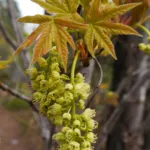 Bigleaf maple (Acer macrophyllum) care guideAcer macrophyllum
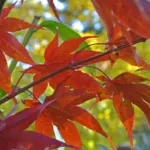 Osakazuki (Acer palmatum ‘Osakazuki’)Acer palmatum 'Osakazuki'
 Red maple (Acer rubrum) care guideAcer rubrum