
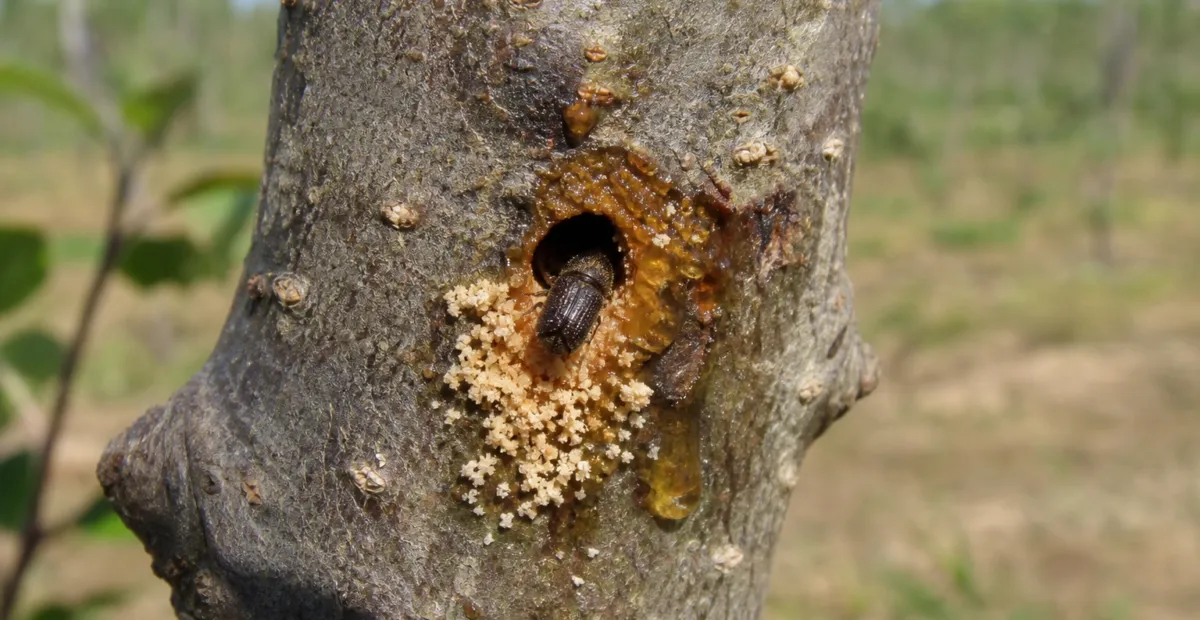
European shot-hole borer
Xyleborus dispar (Fabricius)European shot-hole borer overview
The European shot-hole borer, Xyleborus dispar, is a small ambrosia beetle that tunnels into the sapwood and heartwood of stressed or recently injured trees. It is especially important on apple, pear, cherry, plum and nursery trees. Infestations produce tiny round holes, sap or gum exudation, sawdust, dark galleries, wilting branches and dieback; severe attacks can kill young or weakened trees.
Typical conditions
Overview
Xyleborus dispar is also called the European shot-hole borer, pear blight beetle or pear blight borer. It is distinct from the European shothole borer, Scolytus rugulosus, which is a bark beetle rather than an ambrosia beetle.
In the United States, this introduced beetle occurs mainly in association with fruit, ornamental, shade and nursery trees. Apple, pear, cherry and plum are important fruit-tree hosts, but the documented host range is broad and includes many hardwood genera. Damage is most consequential when trees are drought-stressed, waterlogged, freeze-injured, sunscalded, mechanically damaged or otherwise declining.
Symptoms and identification
- Very small, round entrance or exit holes, typically about 1/12 inch in diameter, in trunks and branches.
- Fresh sawdust or boring dust at the hole, sometimes mixed with sap.
- On plum, cherry and other stone fruits, clear or amber gum may ooze from and hang below attacked sites.
- Wilting, flagging and death of individual branches, especially on apple and pear.
- Dark, relatively uniform galleries extending into the sapwood or heartwood; galleries may be visible when bark or wood is removed.
- Multiple attacks can riddle trunks and large limbs, weaken structural wood and contribute to dieback or tree death.
Branch wilt can resemble fire blight, canker or drought injury. Confirm the diagnosis by matching the small holes and fresh boring evidence with beetles or galleries; old holes without fresh sawdust may be inactive.
Causes and spread
Adult females are attracted to volatile ethanol released by stressed or damaged trees. A pioneering female may produce an aggregation signal that attracts additional beetles, resulting in clusters of attacks. Beetles can build up in infested firewood, prunings, brush piles, removed orchard trees and nearby declining hardwoods.
Spread occurs when adult females fly to suitable hosts and when infested woody material is moved. The pest is not a disease organism, although its galleries and associated ambrosia fungus disrupt water movement and may create opportunities for secondary pathogens.
Life cycle and persistence
Adults overwinter inside host galleries. Females become active during warm late-winter or spring weather; flight commonly begins when temperatures reach roughly 50–65°F, depending on region and weather. A female bores through the bark into the sapwood or heartwood, constructs side galleries, introduces ambrosia fungus and lays approximately 40–50 eggs.
Larvae and adults feed on the cultivated fungus rather than primarily consuming the wood itself. The female tends the gallery and maintains the fungal garden. New adults develop during spring and early summer, and mature beetles may remain together in galleries before emerging during later warm periods. Flight timing and number of peaks vary by climate; two periods of activity have been reported in parts of the Pacific Northwest.
Treatment and control
First determine whether attacks are active. Fresh sawdust, sap or gum and recently wilted branches indicate current activity; clean, weathered holes may be old. Cut out and destroy heavily infested branches when removal will not compromise the tree. Severely attacked young trees or trees with extensive galleries may be better removed and replaced than repeatedly treated.
Correct the underlying stress promptly: irrigate during drought, improve drainage, mulch without touching the trunk, reduce root-zone compaction and protect from further injury. Inspect nearby trees and stored woody material because aggregation can produce additional attacks.
Preventive trunk or branch protection may reduce successful entry when applied before beetle flight, but it cannot reliably rescue wood already penetrated. Because ambrosia beetles are protected inside galleries, post-entry sprays generally have limited value. Consult a certified arborist or local university Extension specialist for diagnosis, especially when branch wilt could instead be fire blight, canker or vascular disease.
Low-impact and biological control
- Use sanitation as the primary nonchemical measure: remove and properly dispose of infested branches, dead trees and nearby breeding material.
- Maintain tree vigor with appropriate irrigation, drainage, mulching, pruning and site management.
- Deploy ethanol-baited funnel traps for monitoring and flight-timing decisions; place them away from valuable trees and interpret captures with local Extension guidance.
- Conserve insectivorous birds and natural enemies, including woodpeckers and parasitoids, by minimizing unnecessary broad-spectrum insecticide use.
- Do not rely on homemade trunk coatings, essential oils or untested biological products as substitutes for sanitation and stress reduction.
Prevention
- Maintain consistent irrigation during drought, while correcting drainage and avoiding prolonged waterlogging.
- Protect trunks and roots from mower, string-trimmer, pruning and construction injuries.
- Use proper planting depth, suitable rootstocks and site-appropriate tree selection.
- Inspect trees regularly from late winter through early summer and again during later warm flight periods.
- Remove dead, severely declining or actively infested branches and trees during dormant conditions where practical.
- Chip, remove or otherwise properly dispose of infested prunings; do not leave them in orchard margins or stack them beside living trees.
- Manage freeze injury, sunscald, compacted soil, weeds and competing vegetation that reduce tree vigor.
- In sites with a history of attacks, use ethanol-baited traps to detect adult flight and identify periods of greatest risk. Traps are monitoring tools and should not be assumed to protect individual trees.
Interesting facts
- The species is an ambrosia beetle: larvae and adults depend on a cultivated symbiotic fungus rather than feeding mainly on solid wood.
- Females are the principal dispersing and attacking sex; males are much smaller and flightless, and usually remain in the natal gallery.
- Stress-related ethanol emissions help females locate suitable hosts, which is why ethanol lures are useful for monitoring.
- Attacked apple and pear branches may wilt and die in a pattern easily confused with fire blight.
- The species has a broad hardwood host range, so nearby ornamental, forest and nursery trees may contribute to local pressure even when fruit trees are the main concern.
Chemical control is mainly preventive and directed at adult beetles before or during flight; it has limited value after beetles enter the wood. Use only products legally authorized and currently labeled for Xyleborus dispar or ambrosia beetles on the specific crop or tree in your U.S. state. Follow the current label exactly, including crop/site restrictions, personal protective equipment, timing, reentry and pollinator precautions. Pesticide labels and registrations can change; confirm with your state Extension service or pesticide regulatory authority before treatment.
Affected plants
The plants below are linked to this problem by structured host-plant data. The list updates automatically as new plant profiles are added.
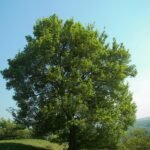 Field maple (Acer campestre) care guideAcer campestre
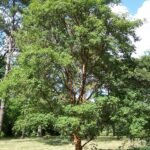 Paperbark Maple (Acer griseum) care guideAcer griseum
 Downy Japanese Maple (Acer japonicum) care guideAcer japonicum
 Boxelder (Acer negundo) care guideAcer negundo
 Acer palmatum care guideAcer palmatum
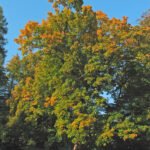 He Norway maple (Acer platanoides) care guideAcer platanoides
 Sycamore maple (Acer pseudoplatanus) care guideAcer pseudoplatanus
 Red maple (Acer rubrum) care guideAcer rubrum
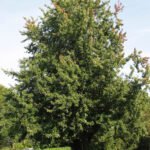 Silver maple (Acer saccharinum) care guideAcer saccharinum
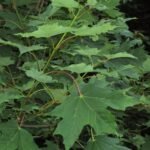 Sugar maple (Acer saccharum) care guideAcer saccharum
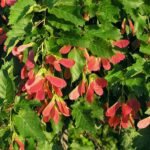 Tatar Maple (Acer tataricum) care guideAcer tataricum
 Amur Maple (Acer tataricum ginnala) care guideAcer tataricum ginnala