
 Source:
 Paperbark Maple (Acer griseum) short overview
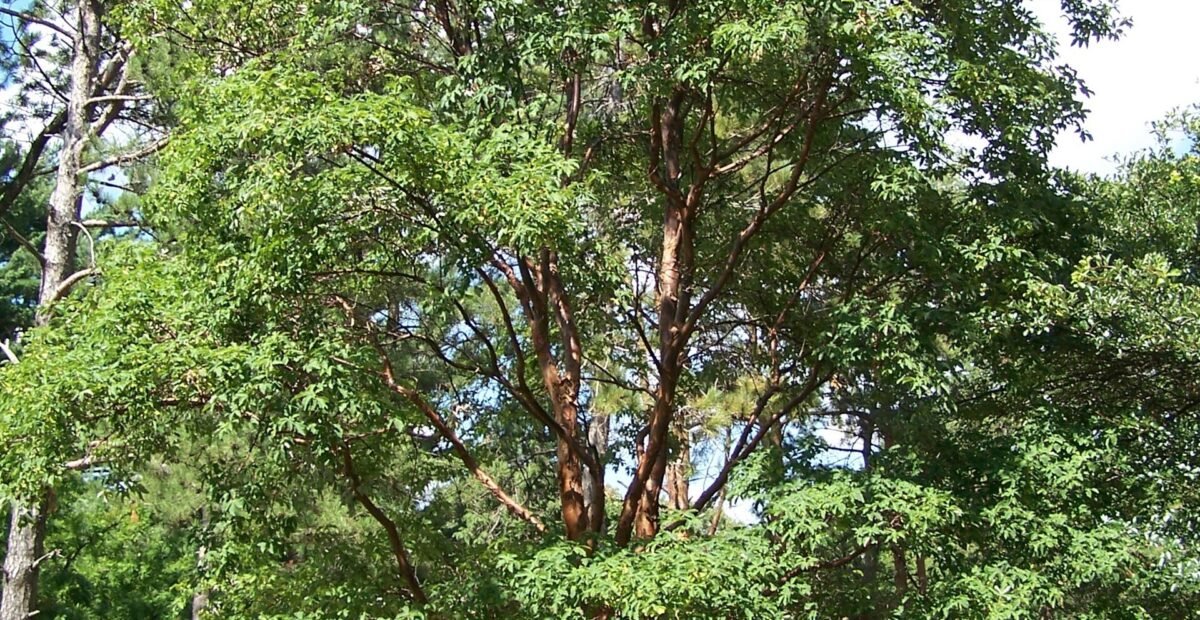
Paperbark Maple is a slow-growing deciduous tree prized for its cinnamon- to copper-brown bark, which peels in thin curling sheets and provides strong winter interest. Its three-part leaves emerge with warm tones, mature blue-green above with paler undersides, and often turn vivid red in autumn. A good specimen or woodland-garden tree, it prefers evenly moist, well-drained soil and sun to partial shade, but propagation from seed is notably difficult.
Taxonomic classification
Paperbark Maple (Acer griseum) care guide
Light and placement
Plant in full sun for the strongest growth and autumn color, or in bright partial shade where afternoon heat is intense. An east- or west-facing position is often a good compromise. Sparse, weak shoots and reduced fall color can indicate insufficient light; scorched leaf margins or premature leaf drop may indicate excessive heat, drought or reflected sun.
Watering and humidity
Water deeply and slowly during establishment, then maintain even soil moisture without keeping the root zone saturated. Check the soil several inches down and irrigate when it begins to dry. Water more often during hot, windy weather and less during cool, wet periods. Mulch the root zone, but keep mulch away from the trunk.
Soil and growing medium
Use a moderately fertile soil that drains reliably yet retains some moisture. Loam, clay loam and amended sandy soils can work if compaction is avoided. The species tolerates a broad pH range, from somewhat acidic to alkaline, so routine acidification is unnecessary unless a soil test shows a specific problem.
Feeding
A mature tree usually needs little fertilizer in reasonably fertile ground. If growth is weak, apply a slow-release, balanced tree fertilizer in early spring according to the label, or top-dress with a thin layer of compost. Avoid high-nitrogen feeding, late-season fertilizer and fertilizing drought-stressed or newly transplanted trees.
Growth and habit
This maple develops a slow-growing, spreading to oval habit and can remain relatively compact for a tree. Its slow pace rewards careful placement rather than frequent correction. It is especially useful where long-term winter structure, bark interest and moderate shade are desired.
Planting and repotting
Choose a permanent location with good drainage and protection from severe drying winds. Dig a broad, shallow planting hole rather than a deep one, and backfill mainly with native soil. Water thoroughly after planting, apply a 2–3 inch mulch layer over the root zone, and keep grass and mulch away from the trunk. Stake only if wind or a loose root ball requires it.
Young container plants can be shifted into a slightly larger, deep container when roots fill the existing pot, preferably in early spring or fall. Handle the root ball carefully, maintain the original planting depth and provide excellent drainage. Move the tree into the ground before it becomes root-bound or difficult to protect from winter temperature swings.
Propagation and pruning
Propagation
Seed propagation is difficult because a high proportion of samaras may be empty or nonviable and dormancy can be complex. Grafting is used commercially, while juvenile stem cuttings may root more readily than mature wood but remain challenging. Propagation is best left to experienced growers or specialist nurseries.
Pruning
Prune sparingly in late winter or during dormancy to remove dead, damaged, crossing or weakly attached branches. Preserve the natural spreading structure and avoid stripping bark from the trunk or branches. Make clean cuts just outside the branch collar; extensive pruning is rarely needed on a well-sited tree.
Overwintering
Established trees are generally hardy in USDA Zones 4–8. Protect newly planted specimens with consistent soil moisture before freeze-up and a breathable mulch layer over the root zone. In containers, insulate the pot or move it to a sheltered, unheated location because container roots experience colder temperatures than roots in the ground.
Uses
Use as a specimen tree, small shade tree, woodland-garden accent or winter-interest planting. Its exfoliating bark and autumn color make it valuable in visible locations near patios, paths and collection gardens. It is also suitable for some large containers while young, but long-term container culture requires protection from root-zone temperature extremes.
Appearance
The trunk and older branches carry distinctive cinnamon, reddish-brown bark that exfoliates in papery curls or sheets. Leaves are opposite and trifoliate, with three coarsely toothed leaflets; the undersides and petioles may be softly hairy and paler than the upper surfaces. Winged samaras can persist after the leaves fall.
Flowering
Flowers are small and inconspicuous, borne in loose, pendulous clusters on downy stalks as the foliage emerges in spring. They are followed by paired winged samaras, often pale brown and sometimes poorly filled. In the United States, flowering is typically centered in April and may extend into May depending on climate.
Pollination and visitors
The small spring flowers are reported to attract pollinators, but reliable species-level visitor records for Acer griseum are limited. The tree also contributes to wildlife value through its maple host relationship; North American extension material notes that Acer species support Imperial Moth caterpillars, although this is not evidence that adult moths pollinate the flowers.
Acer griseum photos
Click any photo for a larger view. Source, author and license are shown separately.
Diseases and pests
Diseases
Potential problems include Verticillium wilt, leaf scorch and honey fungus. Reduce risk by avoiding root damage, improving drainage and watering during drought. Remove dead or severely affected material with clean tools, but do not diagnose wilt from leaf symptoms alone because heat, drought and root stress can look similar.
Pests
Reported pests include aphids, caterpillars, gall mites and horse chestnut scale. Inspect new growth and the undersides of leaves, encourage natural enemies and use a strong water spray for light aphid infestations. Reserve targeted treatments for confirmed, damaging infestations and follow the product label.
Related diseases and pests
Only Plant Doctor profiles whose host data indicate this plant may be affected are shown here.
 PestHorse Chestnut Leaf MinerCameraria ohridella Deschka & Dimić
 Environmental stressSalt stress
 PestLeopard mothZeuzera pyrina
 DiseaseXylella fastidiosa bacterial diseasesXylella fastidiosa
 PestEuropean shot-hole borerXyleborus dispar (Fabricius)
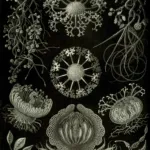 DiseaseMaple powdery mildewSawadaea bicornis
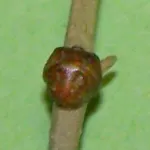 PestBlack scaleSaissetia oleae
 DiseaseMaple Tar Spot (Giant Tar Spot)Rhytisma acerinum
Toxicity and pollen
Authoritative horticultural references commonly describe Paperbark Maple as an ornamental tree but do not provide a clear, species-specific human or pet toxicity assessment. Do not intentionally consume leaves, bark, seeds or sap. Prevent children and pets from chewing plant material, and seek professional advice if a substantial amount is swallowed or an unusual reaction occurs.
- Typical season
- Typically April–May in much of the United States
- Pollination / pollen
- Pollen is released from small spring flowers and is not commonly characterized as a major airborne allergen.
Paperbark Maple produces pollen from small spring flowers, but species-specific airborne pollen and clinical allergy evidence is limited. Its insect-associated flowering habit may reduce broad dispersal compared with strongly wind-pollinated trees, but it should not be assumed allergen-free. People with serious pollen sensitivity should use normal exposure precautions during bloom.
Native habitat
In its native central Chinese range, Paperbark Maple occurs in temperate mixed forests, commonly at middle to high elevations. It grows in sites with seasonal moisture, woodland shelter and soils that may vary from loamy to rocky or clay-influenced. Wild populations are fragmented and declining, while the species is widely cultivated in temperate gardens.
Interesting fact
The species was first described in the nineteenth century as a variety of another maple before receiving its current name. Its epithet griseum refers to the grayish or pale underside of the leaves. Seed production is frequently unreliable because many samaras contain nonviable embryos, helping explain the species’ reputation for difficult propagation.
Frequently asked questions (FAQ)
The most relevant questions about this plant, with short and direct answers.
🌱Quick care
What is the common name for Acer griseum?⌄
Acer griseum is commonly called Paperbark Maple. It is a small, slow-growing deciduous tree valued for its cinnamon-brown peeling bark and red fall color.
How big does Paperbark Maple get?⌄
Paperbark Maple typically grows about 20–30 feet tall and 15–25 feet wide. Its slow growth and relatively compact mature size suit small yards, patios, and specimen plantings.
How fast does Acer griseum grow?⌄
Acer griseum is slow-growing, often adding about 12 inches or less per year. Young trees may take many years to develop their full ornamental form and mature bark character.
Is Paperbark Maple evergreen or deciduous?⌄
Paperbark Maple is deciduous, so it loses its leaves in fall. Its exfoliating bark provides strong winter interest after the foliage drops.
🌤️Environment and placement
What light does Paperbark Maple need?⌄
Paperbark Maple grows best in full sun to partial shade. More sun generally supports stronger fall color, while some afternoon shade can help reduce heat and drought stress.
What USDA hardiness zone is Acer griseum?⌄
Acer griseum is generally hardy in USDA Zones 4 through 8. Local performance can still vary with winter exposure, summer heat, drought, and site conditions.
What soil is best for Paperbark Maple?⌄
Paperbark Maple prefers moist, well-drained loam but can tolerate clay, sand, and a broad range of soil pH. Avoid sites that stay waterlogged or become compacted.
Can Paperbark Maple grow in clay soil?⌄
Paperbark Maple can grow in clay soil if drainage is adequate. Improve compacted ground before planting and do not place the tree where heavy clay remains saturated after rain.
Can Acer griseum tolerate drought?⌄
Acer griseum has limited drought tolerance and should not experience prolonged dry soil. Water deeply during drought, especially while the tree is becoming established.
Can Paperbark Maple grow in a lawn?⌄
Paperbark Maple can grow in a lawn, but a mulched planting area is usually better. Turf competes for water and can lead to trunk damage from mowers and string trimmers.
Is Paperbark Maple suitable for a small yard?⌄
Paperbark Maple is often suitable for a small yard because it matures at a relatively modest size and grows slowly. Allow enough room for its eventual 15–25-foot spread.
💧Care and problems
How often should I water Paperbark Maple?⌄
Water Paperbark Maple whenever the upper soil begins to dry, providing a deep soaking rather than frequent light sprinkling. Maintain consistent moisture during establishment and extended summer drought.
Does Paperbark Maple need fertilizer?⌄
Paperbark Maple usually needs little fertilizer when planted in reasonably fertile soil. Test the soil first and fertilize only to correct a documented nutrient deficiency or support weak growth.
Why are the leaves on my Paperbark Maple turning brown?⌄
Brown leaves on Paperbark Maple commonly indicate drought stress, heat stress, root damage, or poor drainage. Check soil moisture and root-zone conditions before assuming the problem is a disease.
What pests and diseases affect Acer griseum?⌄
Acer griseum generally has few serious pest or disease problems. Drought, soil compaction, root stress, and common maple disorders can still cause decline or leaf injury.
Why is my Paperbark Maple not peeling?⌄
Young Paperbark Maples may not show dramatic peeling bark until their stems and trunk mature. Bark color and exfoliation also vary among individual trees, so some specimens develop the feature more slowly or less intensely.
🪴Planting and repotting
When is the best time to plant Paperbark Maple?⌄
Spring is a reliable time to plant Paperbark Maple, particularly for container-grown or balled-and-burlapped trees. Plant before hot, dry weather and keep the root zone evenly moist afterward.
How should I plant an Acer griseum tree?⌄
Plant Acer griseum with the root flare at or slightly above soil level in a wide, well-drained hole. Backfill with native soil, water thoroughly, and apply a 2–3-inch mulch layer without touching the trunk.
Can Paperbark Maple be grown in a container?⌄
Paperbark Maple can be grown in a large container when young or trained as bonsai. Container plants require reliable watering, excellent drainage, periodic root management, and winter protection in colder regions.
How far apart should Paperbark Maples be planted?⌄
Space Paperbark Maples according to their expected mature spread, generally allowing about 15–25 feet between trees for full individual development. Tighter spacing is possible for a designed grove but will increase competition and shade.
✂️Propagation and pruning
How do you propagate Paperbark Maple from seed?⌄
Paperbark Maple can be propagated from seed, but seed viability is often very low and germination may be difficult. Fresh, properly handled samaras and extended dormancy treatment are usually required.
Can Acer griseum be propagated from cuttings?⌄
Acer griseum can be propagated from stem cuttings, but mature wood is difficult to root. Juvenile cuttings from young or hedged plants generally have the best chance of success.
Can Paperbark Maple be grafted?⌄
Paperbark Maple can be grafted, and grafting has been used in horticultural production. Success depends on compatible rootstock, precise timing, and specialized propagation skills.
When should Paperbark Maple be pruned?⌄
Prune Paperbark Maple during late winter or early spring while the tree is dormant, or remove small problem branches promptly. Avoid unnecessary heavy pruning because the species is slow-growing.
How do I prune a Paperbark Maple?⌄
Prune Paperbark Maple to remove dead, damaged, crossing, or poorly positioned branches and to establish a strong structure. Preserve its natural multi-stem or open oval form rather than forcing a rigid central leader.
⚠️Toxicity and safety
Is Paperbark Maple toxic to people or pets?⌄
No well-established toxicity classification is available for Paperbark Maple. Do not assume that plant material is edible, and contact a poison-control service or veterinarian if ingestion causes concern.
Is Paperbark Maple safe to plant around children?⌄
Paperbark Maple is commonly used as an ornamental landscape tree, and no well-established toxicity classification is reported. Supervise children around all woody plants and prevent them from chewing leaves, bark, seeds, or other plant parts.
🌸Flowering and special interest
When does Paperbark Maple bloom?⌄
Paperbark Maple usually blooms in spring as the leaves expand, often around April in typical temperate climates. The small greenish flowers are attractive on close inspection but are not the tree’s main ornamental feature.
Does Acer griseum have attractive fall color?⌄
Acer griseum can develop red to red-brown fall color, although intensity varies by tree and growing conditions. It is often one of the later maples to color and may retain foliage into late fall.
What makes Paperbark Maple special in winter?⌄
Its cinnamon-brown, papery exfoliating bark is the main winter feature of Paperbark Maple. The bark remains attached in curling layers, creating year-round texture even after the leaves have fallen.
Similar plants
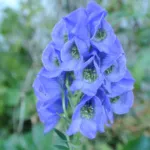 Azure Monkshood (Aconitum carmichaelii) care guideAconitum carmichaelii
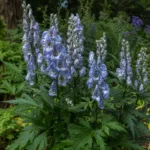 Monkshood (Aconitum ‘Stainless Steel’)Aconitum 'Stainless Steel'
 Monkshood (Aconitum ‘Bressingham Spire’)Aconitum 'Bressingham Spire'
 Golden full moon maple (Acer shirasawanum ‘Aureum’)Acer shirasawanum 'Aureum'
 Globosum (Acer platanoides ‘Globosum’)Acer platanoides 'Globosum'
 Striped maple (Acer pensylvanicum) care guideAcer pensylvanicum