
 Source:
Syagrus romanzoffiana short overview
Syagrus romanzoffiana is a tall, evergreen feather palm native to southern South America and grown in warm parts of the United States. Its smooth gray trunk supports a graceful crown of arching, pinnate fronds, while cream-colored flower clusters give way to conspicuous orange fruits. Plant it in full sun and well-drained soil, provide regular feeding, and protect it from hard freezes and severe winter damage.
Taxonomic classification
Syagrus romanzoffiana care guide
Light and placement
Give full sun, ideally in an open south- or west-facing position with room for the crown. Young plants tolerate some light afternoon shade, but insufficient light produces a thinner, less vigorous crown. Scorched fronds, bleached leaflets, or browned tips can indicate intense reflected heat, drought, salt, or cold rather than simple excess light.
Watering and humidity
Water deeply and allow the upper soil to dry slightly between irrigations once established. Keep newly planted palms evenly moist during the first growing season, then reduce frequency during cool or rainy periods. Mature plants have moderate drought tolerance but look better with consistent moisture during active growth. Avoid constantly saturated soil.
Soil and growing medium
Use a well-drained sandy, loamy, or amended landscape soil. The species tolerates clay and occasional wetness when drainage is adequate, but alkaline conditions can restrict micronutrient uptake and produce chlorosis. Slightly acidic to neutral soil is preferable; avoid persistent waterlogging and compacted planting sites.
Feeding
Feed in spring and summer with a controlled-release palm fertilizer containing nitrogen, potassium, magnesium, and micronutrients. Apply according to the product label and water it in thoroughly. In alkaline soils, monitor for iron and manganese deficiency rather than repeatedly increasing fertilizer. Do not fertilize during cold, inactive weather or immediately after severe freeze injury.
Growth and habit
This is a solitary, upright palm with a fast growth rate in warm climates. The crown remains open and arching rather than forming a clump. Young plants adapt well to large containers, but mature specimens become substantial landscape trees and are difficult to relocate. Heavy fruiting and retained dead fronds increase cleanup requirements.
Planting and repotting
Plant in spring or early summer after the danger of hard freezes has passed. Set the root ball at the same depth it occupied in its nursery container, never burying the trunk base. Allow at least 15–25 feet of clearance for a mature landscape specimen, and water deeply during establishment.
Container plants should be shifted only when roots have filled the pot, preferably in spring. Use a heavy, fast-draining palm mix and a sturdy container because the crown becomes top-heavy. Avoid repeatedly disturbing established roots, and move large specimens only when necessary.
Propagation and pruning
Propagation
Propagate from fresh seed. Remove the fleshy fruit, clean the seed, and sow it promptly in a warm, sterile, well-drained medium. Maintain even moisture and warmth; germination can be uneven and may take several weeks to months. Seed-grown palms show natural variation in form and cold tolerance.
Pruning
Remove only dead, damaged, or clearly declining fronds, using clean tools. Do not strip green fronds or cut into the trunk. Retained lower fronds may persist and can be removed for clearance, but excessive pruning weakens the palm and can increase stress. Remove fallen fruit clusters where litter or volunteer seedlings are unacceptable.
Overwintering
In USDA zone 9b, protect young palms during freezes with frost cloth and root-zone mulch, keeping coverings from resting heavily on the crown. Container specimens can be moved to a bright, cool, frost-free location. Avoid pruning freeze-damaged fronds until the danger of further cold has passed.
Uses
Used as an ornamental specimen, avenue, patio, poolside, median, and large-container palm in warm U.S. regions. It provides a strong tropical architectural effect and can tolerate moderate drought after establishment. Fruit drop, seedling recruitment, wind sensitivity, and cold damage make placement and maintenance important. Do not treat its fruits as a food crop without verified preparation guidance.
Appearance
A solitary palm with a smooth gray trunk marked by rings from old leaf bases. The crown consists of long, glossy, pinnate fronds that arch and droop gracefully, creating a fine-textured tropical silhouette. Cream flower clusters emerge beneath the leaves, followed by orange, round to slightly elongated fruits. The trunk is unarmed and may develop subtle basal swelling.
Flowering
Cream to yellowish-white flowers are borne on large, branched inflorescences that emerge from among the leaves. Flowering is typically concentrated from spring into summer in warm U.S. climates, followed by conspicuous orange, date-like fruits. Heavy fruit clusters can create considerable maintenance litter.
Pollination and visitors
The branched flower clusters provide resources for small insects and are visited by generalist insect visitors. The reviewed sources did not establish a reliably documented single pollinator species, so no Latin species name is assigned. Animal visitation should not be confused with airborne allergy risk.
Syagrus romanzoffiana photos
Click any photo for a larger view. Source, author and license are shown separately.
Diseases and pests
Diseases
Watch for Fusarium wilt, butt rot, and other root or trunk rots, especially where drainage is poor or pruning tools spread pathogens. Improve drainage, avoid unnecessary trunk wounds, remove badly affected material, and sanitize tools between palms. Nutrient disorders can resemble disease, particularly in alkaline soil.
Pests
Scale insects, spider mites, palm borers, and other trunk or foliage pests may occur. Inspect fronds, leaf bases, and the trunk regularly. Correct drought stress and nutrient imbalance first, remove heavily infested debris, and use targeted horticultural oil or an extension-recommended treatment when necessary. Avoid indiscriminate insecticides during flowering.
Related diseases and pests
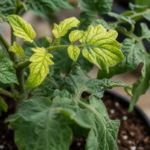
Only Plant Doctor profiles whose host data indicate this plant may be affected are shown here.

Toxicity and pollen
No authoritative evidence located in the reviewed sources establishes Syagrus romanzoffiana as poisonous to humans, dogs, or cats. The fleshy fruits and seeds can still cause gastrointestinal upset, choking, or blockage if eaten in quantity, and fallen fruit can create a slipping or sanitation problem. Prevent children and pets from consuming large amounts.
- Typical season
- Spring through summer
- Pollination / pollen
- Pollen released from insect-associated flower clusters
This is a flowering palm that produces pollen, but the reviewed sources did not establish a specific U.S. airborne-allergy profile or reliable pollen-count category. Its large insect-associated inflorescences suggest lower routine airborne dispersal than strongly wind-pollinated plants, but sensitive people should still avoid handling abundant flowers during bloom if symptoms occur.
Native habitat
Native from Brazil to northeastern Argentina, where it occurs in seasonally dry tropical and subtropical environments. It grows in open habitats and varied soils, including sandy and loamy ground, with warmth, sunlight, and seasonal moisture. In cultivation it performs best where winter freezes are brief and infrequent.
Interesting fact
The species can produce very heavy fruit clusters containing many seeds. Its smooth trunk becomes increasingly gray and cement-like with age. Mature crowns may carry fronds up to about 15 feet long. It is considered one of the more cold-tolerant palms with a tropical appearance, but cold damage remains likely near the edge of its range.
Frequently asked questions (FAQ)
The most relevant questions about this plant, with short and direct answers.
🌱Quick care
How do you care for Syagrus romanzoffiana?⌄
Grow Syagrus romanzoffiana in full sun, well-drained soil, and provide moderate, consistent water. Protect it from hard freezes and avoid planting it where water remains around the roots.
How much sun does Syagrus romanzoffiana need?⌄
Syagrus romanzoffiana grows best in full sun. Young palms may tolerate some light shade, but insufficient light can reduce vigor and produce a less attractive crown.
How often should you water Syagrus romanzoffiana?⌄
Water Syagrus romanzoffiana moderately, allowing the soil surface to dry slightly between deep waterings. Increase watering during hot, dry weather and reduce it during cool or rainy periods.
🌤️Environment and placement
What USDA hardiness zone is Syagrus romanzoffiana suited to?⌄
Syagrus romanzoffiana is generally suited to USDA Zones 9B through 11. It may need extra protection in marginal Zone 9 locations, especially during prolonged freezes.
Can Syagrus romanzoffiana survive freezing temperatures?⌄
Syagrus romanzoffiana can tolerate brief light freezes but is vulnerable to hard freezes. Fronds may be damaged below about 25°F, and severe or prolonged cold can kill the palm.
Where should Syagrus romanzoffiana be planted?⌄
Plant Syagrus romanzoffiana in a sunny, open location with enough room for a tall trunk and broad crown. Keep it away from structures, overhead lines, narrow walkways, and areas where falling fruit would be a problem.
How large does Syagrus romanzoffiana get?⌄
Syagrus romanzoffiana commonly reaches about 25 to 50 feet tall with a 15- to 25-foot spread. Its mature size makes it better suited to spacious landscapes than small yards.
Can Syagrus romanzoffiana grow in clay soil?⌄
Syagrus romanzoffiana can grow in clay soil if drainage is good. Heavy, poorly drained clay should be amended through site preparation or avoided because saturated roots are prone to decline.
What is the best soil for Syagrus romanzoffiana?⌄
The best soil for Syagrus romanzoffiana is well-drained sandy, loamy, or clay soil with adequate fertility. Acidic to neutral soil is generally preferable because alkaline conditions can increase nutrient deficiencies.
💧Care and problems
Why are the leaves of my Syagrus romanzoffiana turning yellow?⌄
Yellow leaves on Syagrus romanzoffiana commonly result from nutrient deficiencies, especially in alkaline soil, or from poor watering and root conditions. Check drainage, soil pH, and palm nutrition before applying supplements.
How do you fertilize Syagrus romanzoffiana?⌄
Fertilize Syagrus romanzoffiana with a palm fertilizer that supplies nitrogen, potassium, magnesium, manganese, and iron according to the product label. Regular feeding is especially useful in sandy or alkaline soils, but overfertilizing can damage roots.
Why does Syagrus romanzoffiana have brown leaf tips?⌄
Brown leaf tips on Syagrus romanzoffiana may indicate drought stress, salt exposure, cold damage, or nutrient imbalance. Correct the underlying condition rather than removing healthy green fronds.
What pests affect Syagrus romanzoffiana?⌄
Syagrus romanzoffiana can be affected by scale insects, spider mites, and other palm pests, although serious pest damage is not always common. Inspect fronds and the crown regularly and address infestations early.
What diseases affect Syagrus romanzoffiana?⌄
Syagrus romanzoffiana can suffer from trunk rots, Fusarium wilt, and other palm diseases. Prevent injuries to the trunk, sanitize pruning tools, and remove severely diseased palms when recommended by a local extension professional.
Why is my Syagrus romanzoffiana declining after pruning?⌄
Decline after pruning can result from excessive pruning, trunk wounds, contaminated tools, or removal of fronds that were still contributing nutrients. Remove only completely dead fronds and avoid cutting or pulling attached leaf bases from the trunk.
🪴Planting and repotting
How do you plant Syagrus romanzoffiana in the ground?⌄
Plant Syagrus romanzoffiana at the same depth it was growing in its container, in full sun and well-drained soil. Water thoroughly after planting and maintain moderate moisture while the roots establish.
Can Syagrus romanzoffiana be grown in a container?⌄
Syagrus romanzoffiana can be grown temporarily in a large container, but it eventually becomes too large for most long-term container culture. Use a fast-draining mix and move it into the landscape before the roots become severely crowded.
When is the best time to transplant Syagrus romanzoffiana?⌄
Transplant Syagrus romanzoffiana during warm weather when active root growth can resume quickly. Handle the trunk and root ball carefully, avoid damaging the trunk, and provide consistent moisture after transplanting.
✂️Propagation and pruning
How do you propagate Syagrus romanzoffiana?⌄
Propagate Syagrus romanzoffiana from fresh, mature seed with the fruit pulp removed. Cleaned seed may be soaked for about two days and sown in well-drained, uniformly moist medium.
How long does Syagrus romanzoffiana seed take to germinate?⌄
Syagrus romanzoffiana seed may germinate irregularly in about six weeks to six months. Warm conditions around 90–95°F can improve germination, but patience is necessary.
Can you grow Syagrus romanzoffiana from cuttings?⌄
No, Syagrus romanzoffiana is not normally propagated from stem cuttings or leaf cuttings. Seed propagation is the standard method because the palm does not produce suitable vegetative offsets.
How do you prune Syagrus romanzoffiana?⌄
Prune Syagrus romanzoffiana by removing only fully dead fronds and unwanted flower or fruit stalks with clean tools. Do not climb the trunk with spikes, cut green fronds unnecessarily, or pull off firmly attached leaf bases.
⚠️Toxicity and safety
Is Syagrus romanzoffiana toxic to people or pets?⌄
Evidence is insufficient to assign a definitive toxicity classification to Syagrus romanzoffiana. Keep fallen fruit and seeds away from children and pets because ingestion risks are not well established and the fruit can cause digestive problems or choking.
Are Syagrus romanzoffiana seeds poisonous to dogs?⌄
The toxicity of Syagrus romanzoffiana seeds to dogs is not definitively established, but reported animal concerns make prevention appropriate. Do not allow dogs to eat fallen fruit or seeds, and contact a veterinarian if ingestion occurs.
Is Syagrus romanzoffiana invasive in the United States?⌄
Syagrus romanzoffiana can produce many seedlings and has been assessed as potentially invasive in parts of Florida. Remove fallen fruit and seedlings where necessary, and check local guidance before planting near natural areas.
🌸Flowering and special interest
When does Syagrus romanzoffiana flower?⌄
Syagrus romanzoffiana typically produces cream-colored flower clusters in spring and summer. Flowering can vary with climate, age, health, and growing conditions.
Does Syagrus romanzoffiana produce fruit?⌄
Yes, Syagrus romanzoffiana produces hanging clusters of orange fruits after flowering, often ripening from late summer into winter. The fruit can create substantial litter and may produce unwanted seedlings.
How do you stop Syagrus romanzoffiana from dropping fruit?⌄
Remove flower or fruit stalks before the fruit matures if reducing litter is important. Pruning should be performed carefully and only with proper equipment because mature palms are tall and trunk wounds can encourage disease.
Similar plants
 Walking palm (Socratea exorrhiza) care guideSocratea exorrhiza
 He Chusan palm (Trachycarpus fortunei) care guideTrachycarpus fortunei
 Saw palmetto (Serenoa repens) care guideSerenoa repens
 He Mexican fan palm (Washingtonia robusta) care guideWashingtonia robusta
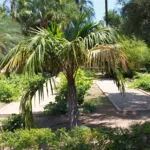 Arikury Palm (Syagrus schizophylla) care guideSyagrus schizophylla
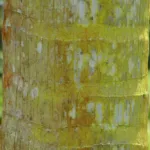 Veitchia arecina care guideVeitchia arecina