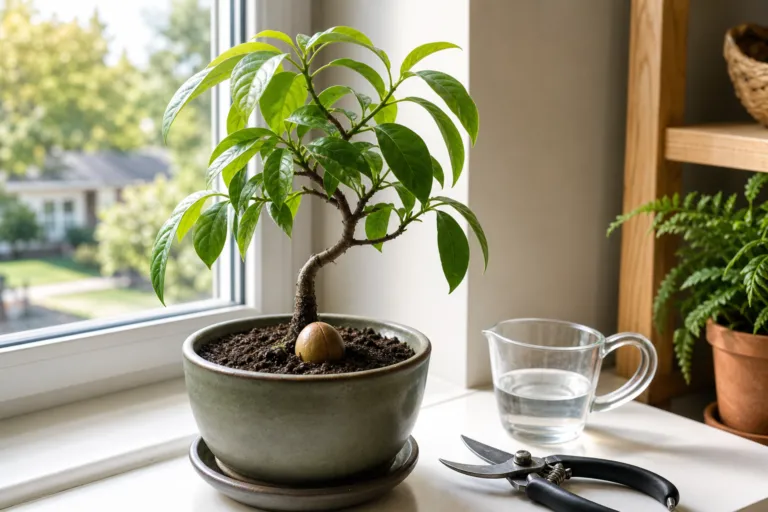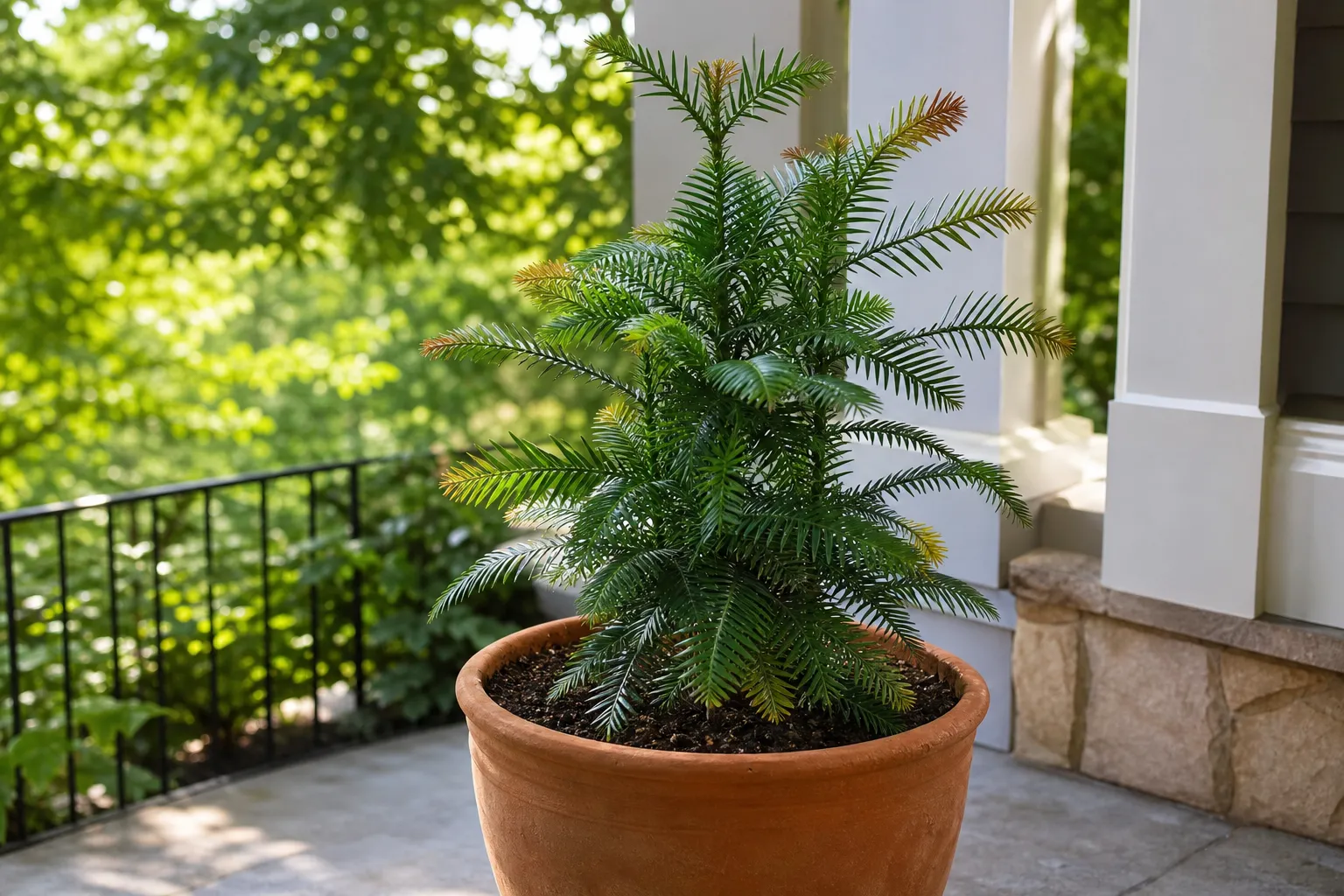
The Wollemi pine is one of the most fascinating living plants you can grow. Discovered in an Australian rainforest gorge in 1994, Wollemia nobilis belongs to a very small botanical family and has earned the nickname “dinosaur tree.” Despite its ancient lineage, it is not impossibly delicate. Give it filtered light, evenly managed moisture and protection from harsh weather, and it can become a handsome, architectural container plant or garden specimen.
For gardeners in the United States, the main challenge is not persuading a Wollemi pine to grow. It is finding the right balance: bright enough to stay healthy, shaded enough to avoid scorching, and moist enough to prevent stress without leaving the roots waterlogged. The following routine keeps care practical and predictable.
Start with the right expectations
Wollemi pine is an evergreen conifer, but it does not behave exactly like a typical sun-loving landscape pine. In its native habitat, it grows in deep, sheltered sandstone gorges with rainforest influences. That background explains several of its preferences: protection from drying winds, a cool root zone, acidic to neutral growing media and reliable moisture with excellent drainage.
It is also worth remembering that nursery plants can look very different from one another. Some are compact and bushy, while others develop a more pronounced central leader. Young plants often show bronze or reddish new growth before the foliage matures to green. These differences are usually age, growing conditions or natural habit rather than separate named varieties.
Is there more than one variety?
For home gardeners, you will usually be buying the species Wollemia nobilis, not choosing among a broad catalog of established cultivars. Plants may differ in height, branching and shape, but care remains broadly the same. When comparing specimens, choose a plant with firm foliage, a healthy central stem and no persistent drooping or darkened branches.
Container size also changes the plant’s appearance. A small Wollemi pine in a 1- to 2-gallon nursery pot may remain compact for some time, while a well-established specimen in a larger container can make a dramatic patio accent. Do not judge its eventual form solely by the shape of a young retail plant.

Light: bright shade is the safest starting point
Bright, filtered light suits most Wollemi pines, especially young plants and specimens grown in containers. Try a position beneath an open tree canopy, beside a bright north- or east-facing wall, or on a covered porch with several hours of reflected or dappled light.
Some established plants can adapt to more sun, particularly in cooler climates or where summer sunlight is less intense. However, a sudden move from a greenhouse, garden center or indoor location into hot afternoon sun can cause yellowing, bronzed foliage or scorched tips. Treat sunlight like a gradual introduction rather than an all-or-nothing decision.
A simple light test
Watch the plant for two to four weeks after changing its position. The site is probably working well if:
- New growth remains firm and develops normally.
- The foliage stays green, apart from normal bronze-colored new shoots.
- The plant does not wilt repeatedly during the afternoon.
- The potting mix dries gradually rather than becoming bone-dry or staying saturated.
If foliage fades or the plant looks stressed after a move into brighter light, add temporary shade cloth or return it to morning sun and afternoon shade. On the other hand, very dim indoor conditions can lead to weak growth and a greater risk of overwatering because the plant uses water more slowly.
Watering: measure the soil, not the calendar
Watering is the care step most likely to determine success. Wollemi pine appreciates dependable moisture during active growth, but it does not tolerate roots sitting in stagnant water. The goal is a thorough drink followed by partial drying near the surface.
Push a finger about 2 inches into the potting mix. When that upper layer feels dry, water slowly and thoroughly until a little water drains from the bottom of the container. Empty any saucer after about 10 minutes. This approach is more dependable than watering every Saturday because light, temperature, pot size and wind can change the plant’s needs considerably.
Useful watering measurements
There is no single correct volume for every Wollemi pine, but measured watering can help you learn your plant’s pattern. As a starting point:
- A plant in a 1-gallon container may need roughly 1 to 2 quarts per thorough watering.
- A plant in a 3- to 5-gallon container may need approximately 2 to 4 quarts.
- A larger container may require more, but the drainage test matters more than the exact number.
These figures are starting estimates, not a prescription. If water immediately rushes through the pot, the mix may be too dry to absorb evenly or may have pulled away from the sides. Water in two or three smaller passes, allowing a few minutes between passes, so the root ball can rehydrate.
Try a two-week watering trial
For a new plant, make your own simple cultivation trial. Check the mix at the same time every morning for two weeks and record the date, weather, light exposure and amount of water used. You may discover that a shaded 3-gallon container needs a deep watering every 7 to 10 days, while a brighter, windier location needs attention every 3 to 5 days in summer.
The result will not transfer perfectly to another garden, but it gives you a useful baseline. In hot, dry weather, check daily. In cool weather or low light, the plant may need much less frequent watering.
Seasonal watering adjustments
Spring and summer
As temperatures rise and new shoots extend, inspect the soil more often. A plant in active growth may use substantially more water than it did in winter. Water deeply when the upper 2 inches are dry, then allow excess moisture to drain freely.
Do not respond to every soft-looking branch with another watering. First check the soil. Drooping can result from dryness, but it can also appear when roots remain too wet and cannot function properly. If the mix is saturated, improve drainage and move the plant away from rain until the container begins to dry.
Fall and winter
Reduce watering as growth slows, daylight shortens and temperatures fall. The plant may still need occasional water, especially under cover where natural rain cannot reach it, but the interval between waterings will usually lengthen.
In a cool winter location, check the mix every 10 to 14 days rather than watering automatically. Water when the upper layer has dried and the root ball is beginning to lose moisture, but avoid soaking a cold, barely growing plant repeatedly.
Potting and drainage: moisture without “wet feet”
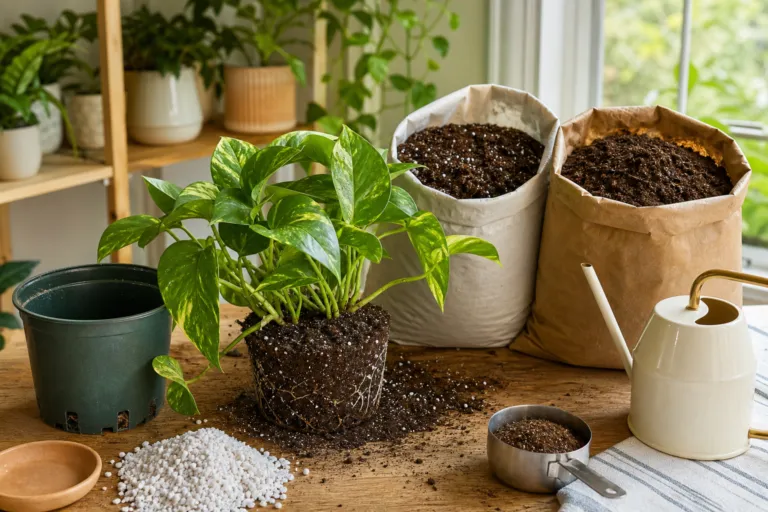
Use a high-quality, well-drained potting mix with some organic matter and an acidic to neutral reaction. A mix formulated for acid-loving plants can be useful, provided it still drains freely. Avoid heavy garden soil in containers; it can compact around the roots and remain wet for too long.
Choose a container with generous drainage holes. Repot only when the root system has filled much of the existing pot or water begins to pass through unusually quickly. Move up by one or two pot sizes rather than placing a small plant in an oversized container, where unused mix can stay wet for extended periods.
- Keep the trunk or main stem at the same depth as before.
- Do not bury the base of the stem under extra mix.
- Raise outdoor containers slightly on pot feet or bricks so drainage holes remain open.
- Use a saucer only to protect the surface beneath the pot, and empty it promptly.
Winter protection for U.S. gardeners
Wollemi pine has shown impressive cold tolerance in trials, but cold tolerance is not the same as guaranteed winter survival in every American garden. A plant in the ground has more root insulation than one in a container, while a potted plant is exposed to rapid temperature swings and freezing around the entire root ball.
For much of the United States, container growing is the safer choice. In USDA Zones 7 and colder, plan to protect the plant from hard freezes, prolonged frozen soil and drying winter winds. In milder Zones 8 and 9, it may remain outdoors in a sheltered location, but local exposure matters more than the zone label alone.
Before the first hard freeze
- Move a container to a protected porch, unheated garage, cold greenhouse or bright sheltered area.
- Keep it away from furnace vents and strong indoor heat, which can dry foliage and soil quickly.
- Protect the pot from wind, especially on exposed decks and rooftops.
- Water thoroughly before a freeze if the mix is dry, but do not leave the plant standing in water.
- Wrap the container – not the foliage tightly – with insulating material if severe cold is expected.
A cool, bright location is generally preferable to a warm, dim room. If you bring the plant indoors temporarily, place it near a bright window with filtered light and monitor the soil carefully. Indoor air can be dry, but low light means the plant may use less water than expected.
Protecting plants in the ground
Choose a sheltered site near a building, wall or group of evergreen shrubs. Apply a 2- to 3-inch layer of mulch over the root zone, keeping it a few inches away from the trunk. During a cold snap, use breathable frost fabric supported by stakes so it does not press against the foliage. Remove the cover when temperatures moderate and ventilation is needed.
Do not use plastic sheeting directly against the plant. It can trap moisture, heat up quickly in sunlight and damage foliage when temperatures fluctuate. Winter protection should reduce wind and extreme temperature swings while still allowing air circulation.
Common warning signs and what they suggest
- Brown leaf tips: Check for inconsistent watering, dry wind, salt buildup or a recently changed light level.
- Yellowing after moving outdoors: The plant may be adjusting to stronger light. Provide gradual acclimation and afternoon shade.
- Soft, drooping branches with wet soil: Stop watering temporarily and inspect drainage rather than adding more water.
- Dry, curled foliage: Check the root ball, wind exposure and container size. A small pot can dry surprisingly fast.
- Weak, stretched growth indoors: Move the plant to brighter filtered light, but avoid an abrupt transition to intense sun.
Remove only clearly dead or damaged material with clean, sharp pruners. Major shaping is rarely necessary for a young plant. If one leader becomes dominant, allow the tree to develop naturally unless you have a specific design goal.
A reliable care routine
Place your Wollemi pine in bright filtered light, protect it from hot afternoon sun and drying wind, and use a free-draining acidic-to-neutral mix. Check the top 2 inches of soil instead of following a fixed watering schedule, and always allow excess water to drain away.
As winter approaches, reduce watering and move container plants to a sheltered, cool location before severe weather arrives. With those few habits, this remarkable “living fossil” becomes much less mysterious – and far more manageable for a beginning gardener. You do not need a perfect climate; you need a thoughtful microclimate and a willingness to observe what the plant is telling you.