A bouquet may brighten the kitchen for a week, but a well-chosen plant can become a long-lasting reminder of Mother’s Day. The best living gifts offer more than beautiful flowers: they suit the recipient’s light, space, climate, and gardening confidence.
Before you buy, check the plant tag carefully. For outdoor perennials and shrubs, the 2023 USDA Plant Hardiness Zone Map can help you compare a plant’s cold tolerance with your recipient’s ZIP code. Remember that a “Mother’s Day hydrangea” or azalea may have been grown for indoor display and may not be hardy outdoors where your mother lives.
How to choose a Mother’s Day plant that will last
Think about the growing conditions before choosing the prettiest plant on the shelf. A sunny patio, a shaded porch, and a bright windowsill each call for different plants.
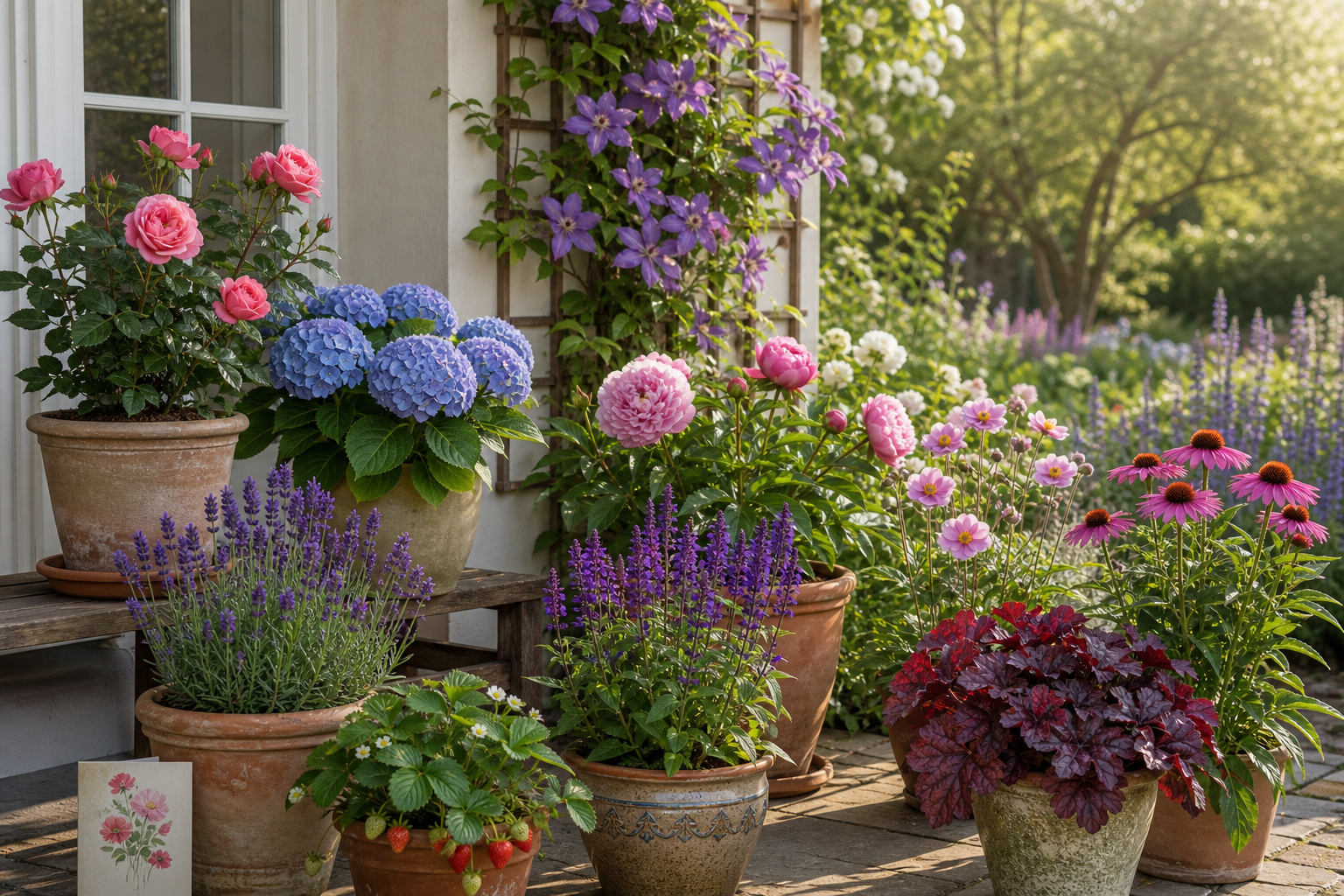
- For a sunny garden: consider lavender, roses, peonies, or a suitable hydrangea.
- For a fragrant patio or warm-climate garden: gardenia can be spectacular, provided it receives the right care.
- For an apartment or low-maintenance home: try an orchid, kalanchoe, or African violet.
- For a practical gardener: a rosemary plant offers attractive foliage and culinary value.
Choose a healthy specimen with firm leaves, evenly colored foliage, and plenty of unopened flower buds. Avoid plants sitting in standing water, showing mushy stems, or carrying insects beneath the leaves. A decorative cachepot is a lovely finishing touch, but make sure the nursery pot has drainage holes.
1. Garden rose
A rose remains one of the most timeless Mother’s Day gifts, especially when you choose a rose that can move from the gift container into the garden. Look for a compact shrub rose, a disease-resistant landscape rose, or a fragrant variety selected for your mother’s local climate.
Why it makes a lasting gift
Unlike cut roses, a living rose can bloom repeatedly for years. Many modern landscape roses are available in compact sizes and a wide range of colors, making them suitable for a sunny border, patio container, or small yard.
- Give it at least 6 hours of direct sun for the strongest flowering.
- Water deeply when the top 1 to 2 inches of soil feel dry, rather than sprinkling lightly every day.
- Plant it in well-drained soil and allow good air circulation around the foliage.
- Read the label before planting: cold tolerance and mature size vary widely.
If the rose is blooming indoors, transition it gradually to outdoor conditions. Place it outside in a sheltered, partly shaded spot for a few hours at first, then increase its exposure over about a week.
2. Hydrangea
Few plants create a more generous floral display than a hydrangea. Big mophead blooms in blue, pink, purple, or white make a dramatic gift, while newer compact cultivars work well in containers and smaller gardens.
Hydrangeas need a little more label-reading than their effortless appearance suggests. Many florist hydrangeas sold for Mother’s Day are bigleaf hydrangeas that may not reliably survive winter or rebloom in colder parts of the country. If the goal is a permanent garden plant, select a cultivar recommended for the recipient’s USDA hardiness zone.
- Give most hydrangeas morning sun and afternoon protection, especially in hot climates.
- Keep the soil consistently moist but not waterlogged during the first growing season.
- Do not prune until you know whether the variety flowers on old wood or new wood.
- Choose panicle or smooth hydrangeas when you want dependable flowering on new growth.
For a simple watering check, push a finger 2 inches into the soil. If it feels dry at that depth, water slowly until excess begins to drain from the container.
3. Gardenia
Gardenia combines glossy evergreen leaves with intensely fragrant white flowers. It makes an especially memorable gift for someone who enjoys scent in the garden or on a warm, bright patio.
This is a beauty that rewards careful placement. Gardenias prefer bright light, well-drained acidic soil, and consistent moisture. They are generally best suited to warmer regions, although gardeners in colder areas can grow them as seasonal patio plants or bring them indoors before freezing weather.
- Choose a bright location with morning sun or filtered light.
- Keep the soil evenly moist, but never leave the pot standing in water.
- Use a potting mix intended for acid-loving plants if the plant will remain container-grown.
- Protect it from sudden temperature changes, cold drafts, and very dry indoor air.
Gardenia is a thoughtful choice for an experienced plant lover, but it may frustrate a beginner if the home lacks bright light or stable humidity. Match the plant to the gardener, not just the flower.
4. Orchid
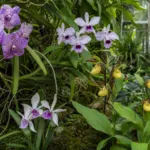
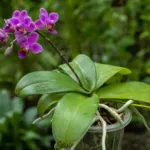
A flowering phalaenopsis orchid looks luxurious, lasts for months in bloom, and can rebloom with ordinary household care. Its arching stems and sculptural flowers make it ideal for a desk, kitchen island, or bright bathroom.
Give the orchid bright, indirect light. A little direct morning sun may be acceptable, but harsh afternoon sun through glass can scorch the leaves. Water thoroughly, then let excess drain away; do not allow the roots to sit in a decorative pot filled with water.
- Water when the potting medium is nearly dry, often about once every 7 to 14 days indoors, depending on temperature and humidity.
- Use the roots and pot weight as clues rather than following a rigid calendar.
- Keep the crown—the central growing point—dry to reduce the chance of rot.
- After flowering, follow the plant tag’s pruning instructions; some orchids rebloom from an existing flower stem.
A clear nursery pot inside a decorative cover makes watering easier because you can inspect the roots and confirm that water drains freely.
5. African violet
For a small-space gardener, an African violet offers an impressive amount of color in a compact package. Flowers may appear in shades of violet, lavender, pink, white, and deep purple, with single, double, or ruffled forms.
Place it in bright, cool light, such as an east- or north-facing window. African violets can flower repeatedly when they receive sufficient light, but overwatering is one of the most common causes of trouble.
- Keep the potting mix lightly and evenly moist, never soggy.
- Water from the bottom or use a narrow-spout container to keep water off the fuzzy leaves.
- Choose a pot with drainage and a light, well-drained African violet mix.
- Remove faded flowers and yellowing leaves with clean, gentle snips.
Try a 1-inch watering check: set the pot in room-temperature water about 1 inch deep for a short period, then remove it and let it drain completely. This approach can be easier for beginners than pouring water over the foliage.
6. Kalanchoe
Kalanchoe is a cheerful flowering succulent with thick leaves and clusters of long-lasting blooms. It tolerates occasional forgetfulness better than many traditional flowering houseplants, making it a strong choice for a busy parent.
Give kalanchoe a bright window and allow the potting mix to dry somewhat between waterings. The plant stores moisture in its leaves, so consistently wet soil can cause root problems.
- Water thoroughly only when the top 1 to 2 inches of mix feel dry.
- Empty the saucer after watering.
- Pinch or trim spent flower clusters to keep the plant neat.
- Move it into a slightly larger pot only when the roots have filled the current container.
After flowering, kalanchoe can remain an attractive foliage plant. With strong light and a suitable rest period, it may flower again, although reblooming can require more careful control of light and darkness.
7. Lavender
Lavender brings silvery foliage, purple flower spikes, and a clean herbal fragrance to a sunny garden. It is also one of the most useful gifts for gardeners who enjoy pollinator-friendly planting, dried bouquets, or fragrant container displays.
Good drainage matters more than rich soil. Lavender generally performs best in full sun and soil that does not remain wet after rain. In humid regions, choose a site with excellent air circulation and avoid crowding the plant.
- Provide at least 6 hours of sun each day.
- Water deeply after planting, then allow the soil to dry somewhat between waterings.
- Do not improve a poorly drained site simply by adding a thin layer of compost; raise the planting area or choose a better-drained location.
- Trim lightly after flowering, but avoid cutting deep into old, leafless wood.
For colder climates, select a variety proven in the local region and consider planting it in a raised bed or container that can be protected from winter wet.
8. Peony
A peony is a gift with a future. Once established, it can flower for decades, producing large, romantic blooms in late spring and early summer. It is especially suitable for someone who has room for a permanent garden plant.
Choose a sunny location with fertile, well-drained soil. Plant herbaceous peony roots with the eyes—the small reddish buds—only about 1 to 2 inches below the soil surface. Planting too deeply is a common reason peonies fail to bloom.
- Give the plant full sun for the best flowering.
- Water regularly during the first growing season, especially during dry spells.
- Support heavy flower heads with a ring or discreet stakes.
- Remove diseased foliage at the end of the season and discard it rather than leaving it in the bed.
Peonies may look modest the first year after planting. Set realistic expectations: the reward is a more impressive display as the plant settles in.
9. Rosemary
Rosemary is a practical, fragrant gift that can serve as both an ornamental plant and a kitchen herb. Upright forms look elegant in containers, while trailing types spill attractively over a pot edge or retaining wall.
Place rosemary in full sun and use a sharply draining potting mix. Let the soil dry between waterings, but do not allow a small container to remain bone-dry for extended periods during hot weather.
- Choose a container with a drainage hole.
- Water when the top 2 inches of soil are dry, then drain thoroughly.
- Harvest sprigs regularly by cutting just above a leafy branch.
- In cold climates, bring the plant indoors before frost and place it in the brightest available window.
Rosemary’s woody shape and evergreen foliage can remain attractive even when it is not flowering. Add a simple plant marker or recipe card to make the gift feel personal.
10. Azalea
A potted azalea arrives covered in flowers and can become a long-lived shrub when the variety and climate match. Its compact size makes it a flexible gift for a porch, woodland-style garden, or partly shaded border.
Like hydrangeas, gift azaleas require careful selection. Some are greenhouse-grown for seasonal display and may not be hardy outdoors in the recipient’s region. Check the label for the plant’s expected mature size, preferred light, and hardiness range.
- Provide bright light indoors, then transition gradually to outdoor conditions after frost danger has passed.
- Plant in well-drained, acidic soil with organic matter.
- Keep the root ball evenly moist while the plant establishes.
- Remove faded flowers, but wait to prune until you understand when that variety sets next year’s buds.
Make the gift last even longer
The plant is only half the present. Include a small card with the botanical name, light preference, approximate watering test, and a reminder to check the plant tag before moving it outdoors.
A useful care note might say: “Check the soil with your finger before watering. If the top 1 to 2 inches feel dry, water slowly until the excess drains, then empty the saucer.” That simple measurement is more reliable than a vague instruction such as “water often.”
- Wrap the container in a breathable fabric sleeve rather than sealing the drainage holes.
- Add a decorative saucer that is large enough to catch runoff.
- Include a pair of hand pruners, a plant label, or a small watering can.
- Offer to help with planting if the gift is a shrub, rose, peony, or hydrangea.
A living gift with room to grow
The most successful Mother’s Day plant is not necessarily the rarest or most expensive one. It is the plant that fits the recipient’s light, space, climate, and gardening style.
Choose a durable houseplant for a sunny windowsill, a fragrant perennial for a patio, or a carefully labeled shrub for the garden. With the right match and a few practical care instructions, your gift can keep producing flowers, fragrance, foliage, and memories long after Mother’s Day has passed.