You add a bowl of kitchen scraps to the compost bin, turn it a few times, and expect everything to melt into rich, dark compost. Instead, the tomato peel is gone, the lettuce has vanished, and the avocado pit is still sitting there looking almost brand-new.
That difference is normal. Compost microbes do not break down every plant material at the same speed. Soft, wet scraps offer easy access to food and moisture, while thick skins, woody fibers, waxy coatings, and hard shells physically slow the process. Your compost pile’s temperature, airflow, moisture, and particle size also make a huge difference.
The good news is that a stubborn scrap usually does not mean your compost is failing. It may simply need more time, a smaller cut, or another round in the active pile.
Compost microbes are selective eaters
Composting is powered mainly by microorganisms such as bacteria and fungi. They feed on organic matter, using carbon for energy and nitrogen for growth. As they work, they generate heat, carbon dioxide, water vapor, and the dark, crumbly material we call finished compost.
For that process to move efficiently, microbes need four basics:
- Food: a mixture of carbon-rich “browns” and nitrogen-rich “greens.”
- Moisture: enough water for microbial activity, but not so much that air gets pushed out.
- Oxygen: composting works best as an aerobic, oxygen-rich process.
- Surface area: smaller pieces give microbes more places to begin feeding.
A pile can contain plenty of scraps and still decompose slowly if it is dry, airless, too cold, too small, or dominated by tough materials.
The scraps that usually disappear first
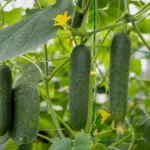
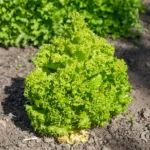
Soft scraps with a high water content tend to break down quickly, especially when you bury them inside a balanced pile. A chopped cucumber end, melon rind, lettuce leaf, or overripe berry may disappear in days or weeks during warm, active composting.
These foods have tender tissues that microbes can penetrate easily. Their moisture also helps nearby dry materials become more hospitable to decomposition. A food scrap may seem to “melt,” but it is really being consumed, transformed, and mixed into the surrounding compost.
Fast-decomposing examples
- Leafy greens and salad trimmings
- Soft fruit and vegetable pieces
- Overripe berries and melon scraps
- Cooked or raw vegetable scraps, when accepted by your composting system
- Coffee grounds and paper filters
- Fresh grass clippings mixed with dry material
Even fast scraps can linger if they sit on top of the pile, dry out, or become sealed under a dense mat of food waste. Covering each addition with several inches of dry leaves, shredded cardboard, or another brown material helps keep the pile balanced and discourages flies and other visitors.
Why tough scraps seem immortal
Long-lasting scraps usually contain more resistant plant structure or have a shape that protects their inner material. Microbes can digest many plant compounds, but they cannot instantly penetrate a thick rind, hard shell, or dense woody fiber.
Avocado pits, fruit pits, and corn cobs
Large pits and cobs have two problems: they are physically big, and their dense tissues expose relatively little surface area to microbes. A whole avocado pit may remain recognizable for many months. It can eventually soften and decompose, but it is rarely a good candidate for quick composting.
Cut or crack these materials before adding them. A corn cob sliced into rounds, for example, will usually break down more readily than a whole cob. If you screen finished compost and find pits or cob pieces, return them to the active center of the pile.
Onion skins and garlic skins
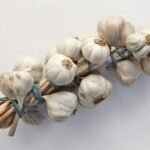
Dry onion and garlic skins are thin, but they are also papery and relatively dry. They often survive longer than the moist layers inside an onion. This does not mean they are unsuitable for compost; they simply benefit from contact with wetter materials.
Collecting a large quantity of dry skins at once can create a slow, papery pocket. Mix them with food scraps, fresh grass clippings, or a small amount of water rather than leaving them in a dry layer.
Citrus peels
Citrus peels can be slower than soft fruit because they are thick, fibrous, and often coated with natural oils. A few orange or lemon peels are generally manageable in a well-maintained backyard pile, but a thick layer of whole peels may persist.
Chop peels into smaller pieces and mix them through the pile. If you use a worm bin, add citrus cautiously and follow the guidance for your particular system, since worm composting has different space, moisture, and feeding limits than a backyard heap.
Eggshells
Eggshells are a special case: they are organic, but they do not decompose in the same way as vegetable scraps. Their mineral structure can remain visible long after the softer material around them has disappeared.
Rinse and crush shells before adding them. Fine pieces distribute more evenly through finished compost. If you find larger fragments later, you can crush them further and return them to the pile.
Stems, stalks, and woody trimmings
Broccoli stems, kale ribs, cabbage cores, herb stalks, and plant stems contain more fibrous tissue than tender leaves. Woody stems and dried plant material contain even more carbon and less readily available nitrogen, so microbes generally process them more slowly.
Do not chop everything into powder, though. Very fine material can compact, reducing the air spaces microbes need. Aim for pieces roughly one-half to one-and-a-half inches for many plant materials, while cutting especially tough stems and woody pieces smaller.

It may be the pile – not the scrap
When food waste remains recognizable, first inspect the compost environment. A slow scrap in a healthy pile is normal. A slow scrap in a dry, compacted, cold pile is a clue that the whole system needs adjustment.
Moisture: damp like a wrung-out sponge
Microbes need water, but a soggy pile can lose oxygen and develop unpleasant odors. A dry pile may remain almost unchanged for weeks, especially during hot summers or cold, dry winters.
Try this simple watering check:
- Pull material from the center of the pile.
- Squeeze a handful firmly.
- If it feels dry and produces no moisture, add water gradually.
- If water streams out or the material feels muddy, mix in dry leaves or shredded cardboard.
- Turn the pile after adjusting moisture so the water spreads rather than forming a wet pocket.
For a practical measurement, start with about one-half gallon of water for every 3-cubic-foot section of very dry compost, then mix thoroughly and check again. The exact amount will vary with rainfall, material type, bin design, and season, so treat this as a starting point rather than a fixed recipe. Your goal is an evenly damp texture, not a saturated pile.
Oxygen: the invisible ingredient
Compost microbes need oxygen to work efficiently. Dense layers of wet grass, compacted food scraps, or fine paper can block air movement. When that happens, decomposition slows and odors may develop.
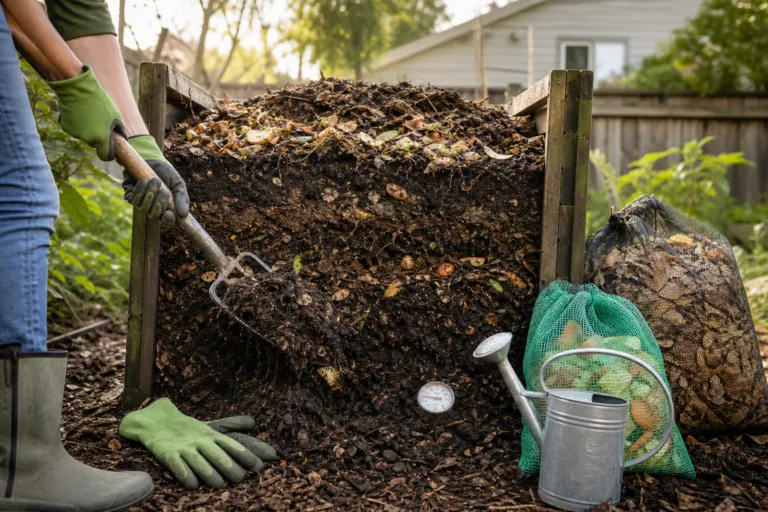
Turn the pile with a garden fork whenever it becomes compressed or develops a sour smell. Add coarse browns such as dry leaves, small twigs, or shredded cardboard to create air spaces. A tumbler can also help, provided you turn it regularly and do not fill it with a dense mass of wet scraps.
Balance: pair food scraps with browns
Kitchen scraps are typically nitrogen-rich and wet. Dry leaves, shredded paper, plain cardboard, and untreated wood chips supply carbon and structure. A useful backyard starting point is roughly two to three parts browns by volume for every one part food scraps.
There is no need to weigh every peel. Instead, add a generous layer of browns whenever you add food waste, and cover exposed scraps completely. If the pile smells strongly, looks slimy, or stays wet, add more dry material. If it is dry and inactive, mix in a modest amount of fresh greens and water.
A simple home experiment: compare the scraps yourself
You can learn more from one small controlled test than from guessing what “should” happen. This experiment works well in a backyard bin or tumbler.
- Choose five similar-sized samples: a lettuce leaf, an apple peel, a citrus peel, a broccoli stem, and a piece of corn cob.
- Prepare half of each sample by chopping it into pieces about one-half inch wide. Leave the matching samples whole.
- Place each sample in a labeled mesh bag or a loose section of the pile. Avoid plastic bags, which can prevent contact with compost organisms.
- Bury all samples at the same depth, ideally in the warm, moist center of the pile.
- Record the date, outdoor temperature, recent rainfall, and whether you turned or watered the pile.
- Check after two weeks, one month, and two months. Note softness, weight, smell, and how much of each sample remains.
For a fair comparison, keep the pile conditions consistent. The chopped samples should usually disappear first because cutting increases surface area, but the result may vary with season and the condition of your compost.
Variety matters: not every apple peel behaves alike
Even within the same type of food, different varieties and growing conditions can change decomposition speed. A thin-skinned apple may break down sooner than a thick-skinned storage apple. A tender summer squash may disappear faster than a mature winter squash with a hard rind.
Try comparing:
- A thin-skinned apple with a thick-skinned apple
- A young zucchini end with a mature winter-squash peel
- A tender broccoli floret with the woody lower stem
- A fresh corn cob with a dried corn cob
- A small lemon peel with a thick orange peel
This comparison is useful because it demonstrates a central composting principle: texture and structure often matter more than the food’s name.
How long should composting take?
There is no universal countdown. In a well-managed backyard pile, compost may become usable in roughly three to five months, while an untended or cool pile may take a year or longer. Cold weather slows microbial activity, and a small bin loses heat more quickly than a large pile.
Finished compost should look dark and crumbly, smell earthy, and no longer heat up after mixing. A few resistant items – such as twigs, pits, eggshell fragments, or thick stalks – may remain. Sift them out and return them to the active pile instead of treating them as evidence of failure.
What not to “fix” by adding questionable materials
When compost is slow, resist the temptation to add meat, dairy, fats, oils, pet waste, treated wood, or diseased plants simply to increase activity. Backyard systems may not reach or maintain the conditions needed to process some of these materials safely and cleanly, and they can attract animals or create other problems.
Compost starters are usually unnecessary. Kitchen scraps, leaves, and garden debris already carry microorganisms. Good moisture, oxygen, particle size, and a balanced mix matter more than buying an inoculant.
The satisfying truth about stubborn scraps
Compost is not a race in which every ingredient must disappear at once. Fast scraps feed the microbial community quickly; slow scraps provide longer-lasting structure and carbon. Together, they help create a living process rather than a simple pile of rotting food.
Chop large pieces, mix wet scraps with dry browns, keep the pile as damp as a wrung-out sponge, and turn it when it becomes compacted. If a pit, peel, or stalk survives, return it to the pile and give it another season. With a few small adjustments, even a stubborn kitchen scrap can eventually become part of the dark, useful compost your garden needs.