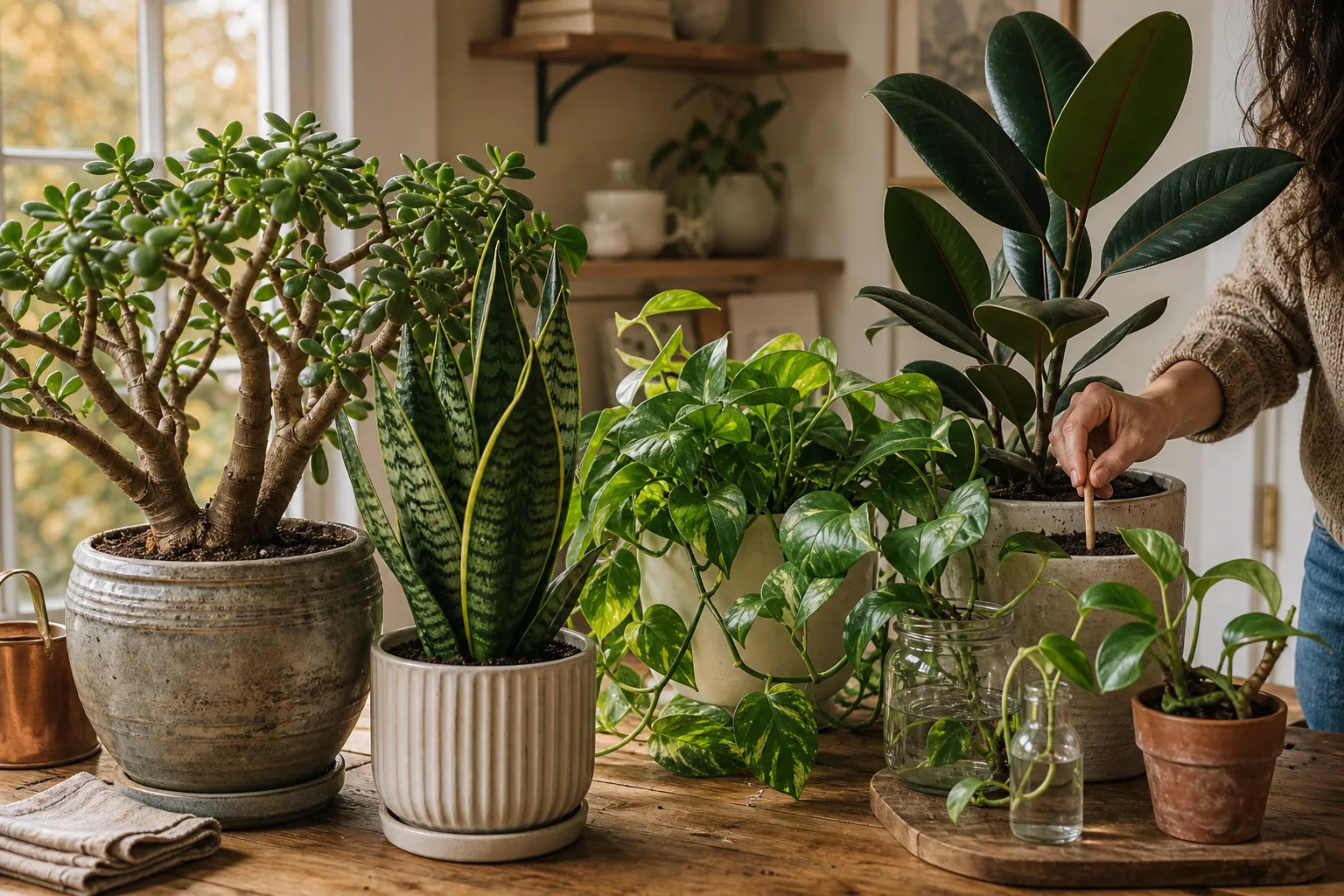
Some houseplants seem almost immortal. A jade plant becomes a living family heirloom, a snake plant survives several moves, or a pothos keeps producing vines year after year. Meanwhile, another plant bought with equal optimism fades after two or three seasons.
The difference is not always your gardening skill. Houseplants vary naturally in their growth rate, structure, tolerance, and expected lifespan. Your indoor conditions matter too: a plant that receives enough light, has healthy roots, and grows in a suitable potting mix can remain vigorous for many years. A mismatched plant may slowly run out of energy even when you are trying hard to help.
The good news is that long-term houseplant care is less about perfection than observation. Learn what your plant is built to do, notice small changes early, and adjust its environment before stress becomes permanent.
Lifespan starts with the kind of plant you choose
Houseplants are not one single category. They include long-lived woody plants, fast-growing vines, compact rosette plants, seasonal bloomers, and plants that naturally replace themselves through offsets or cuttings. These different growth strategies strongly influence how long one individual plant remains attractive.
Slow growers often have staying power
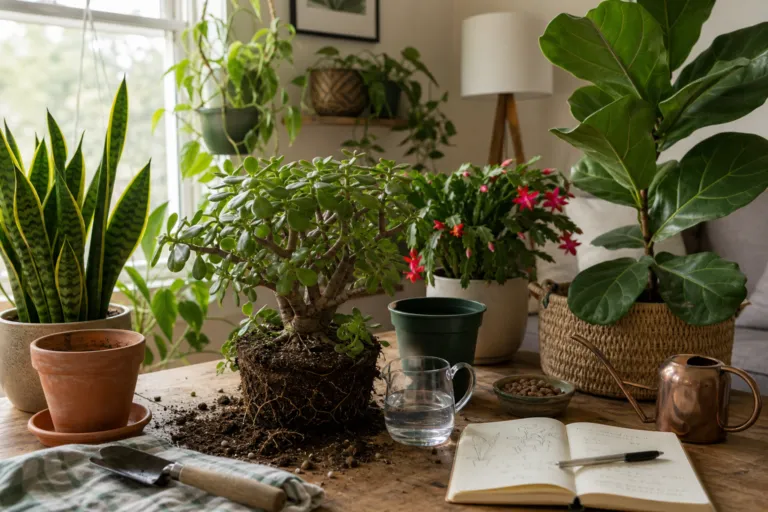
Jade plants, snake plants, cast-iron plants, rubber trees, many dracaenas, and some ficus can remain productive for decades under stable conditions. Their slow growth often helps them conserve resources. They may not produce a new leaf every week, but they can steadily maintain a sturdy root system and durable stems.
Many succulents also tolerate occasional missed waterings because their leaves or stems store moisture. That does not make them indestructible, but it gives them more room for error than a fine-rooted fern or a thirsty tropical plant.
Fast growers can age faster—or simply need more renewal
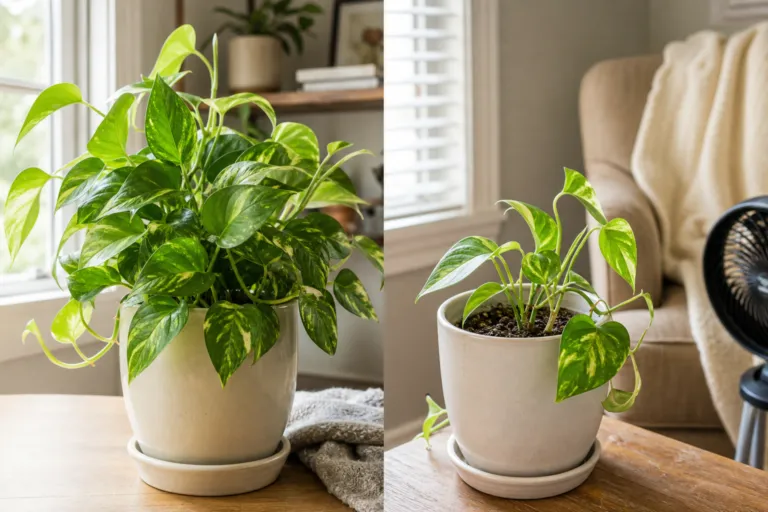
Plants such as pothos, heartleaf philodendron, tradescantia, and some begonias can grow quickly when light, water, and warmth line up. Rapid growth is rewarding, but it also creates more stems, leaves, and roots to support. If the plant becomes leggy, crowded, or chronically underlit, its original form may decline even though the species itself is perfectly healthy.
In these cases, “old age” is often really a maintenance problem. Pruning and rooting healthy cuttings can restore a full, attractive plant without waiting for the original stems to recover.
Why plant varieties behave differently
Even within the same species, cultivars can have noticeably different levels of vigor. A green pothos may grow more quickly in a dim room than a highly variegated selection because green leaves generally contain more chlorophyll, the pigment plants use to capture light. A compact dwarf variety may stay manageable for years, while a vigorous standard form quickly outgrows its windowsill.
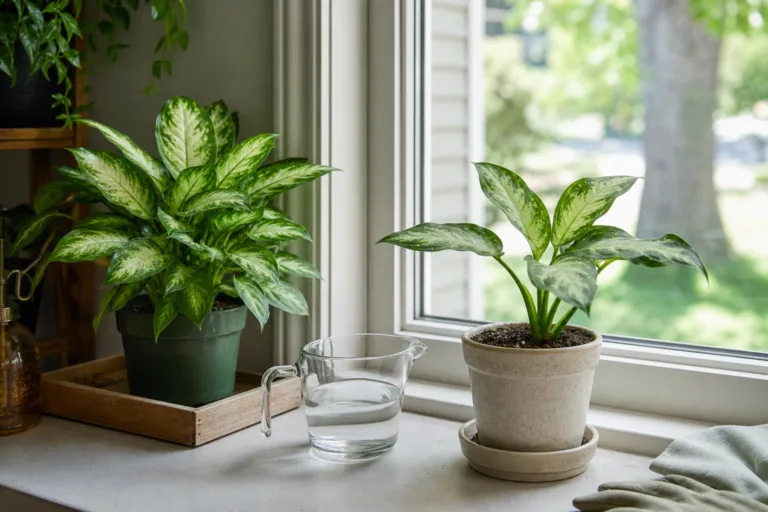
Variegated plants are not automatically weak, but they can need brighter indirect light to maintain strong growth. Cultivars with unusual leaf shapes, compact habits, or heavy markings may also grow more slowly than their plain-leaved relatives.
When comparing varieties, look beyond appearance. Consider:
- How much natural light your home actually provides.
- Whether the plant prefers drying between waterings or steady moisture.
- How large the mature plant can become indoors.
- Whether it responds well to pruning or propagation.
- How easily replacement plants or cuttings are available in the United States.
Light is the fuel behind long-term health
Water keeps a plant hydrated, but light supplies the energy it uses to build new leaves and roots. A plant can survive in low light for a surprisingly long time, yet survival is not the same as sustained health. In insufficient light, growth may become thin, leaves may become smaller, and the plant may use stored resources faster than it replaces them.
Winter is especially challenging in many American homes. A window that feels bright to you may provide much less usable light than an outdoor location, and short days can slow growth dramatically. In northern states, a plant may need to move closer to a bright window during winter. In the South and Southwest, intense direct sun through glass can scorch leaves, so sheer curtains or a slightly offset position may be helpful.
Watch the plant rather than relying only on compass direction:
- Long gaps between leaves and stems that lean toward a window usually indicate insufficient light.
- Pale, bleached, or crispy patches can signal too much sudden sun.
- Small new leaves may indicate that the plant is not receiving enough energy for normal growth.
- Dusty leaves can intercept light, so gently wipe large leaves with a damp cloth.
If you move a plant into brighter light, do it gradually over one to two weeks. Sudden exposure to strong sun can damage foliage even when the final location is appropriate.
Watering mistakes quietly shorten a plant’s life
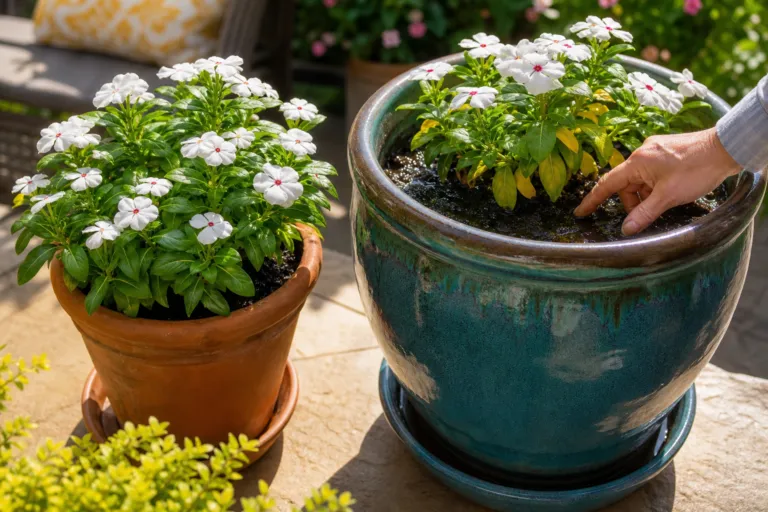
Most houseplant losses do not come from a single missed watering. They more often result from a repeated pattern: soil stays wet for too long, roots receive too little oxygen, and the plant gradually loses the ability to absorb water. The leaves may wilt, which tempts you to water again, even though the root zone is already saturated.
There is no universal weekly watering schedule. A plant in a bright south-facing window may dry much faster than the same plant in a cool, dim room. Pot size, potting mix, season, humidity, and root density all change the timing.
A simple watering measurement experiment
Try tracking one plant for a month instead of guessing. Choose a pot with a drainage hole and record the date, the weight or feel of the pot, and how much water you apply.
- Water slowly until a small amount drains from the bottom.
- Measure the water with a kitchen measuring cup. For example, you might apply 2 cups to a 6-inch pot or 4 cups to a larger 8-inch pot—but use the amount needed to thoroughly moisten that particular root ball.
- Let the pot drain for about 10 to 15 minutes, then empty the saucer or decorative outer pot.
- Check the top 1 inch of potting mix every few days. Record how many days pass before it feels dry at that depth.
- Repeat the observation through at least one brighter and one cooler period.
The numbers are not a prescription. They help you learn your plant’s pattern. If the pot remains heavy and wet for many days, improve drainage or reduce the amount and frequency of watering. If water races through the pot and the plant wilts again quickly, inspect the roots and consider whether the plant has become root-bound.
Healthy roots are the foundation of a long life
A mature houseplant can tolerate being slightly root-bound, especially if it grows slowly. But a pot filled almost entirely with circling roots has less room to hold water and air. You may notice that the mix dries unusually fast, roots emerge from drainage holes, or growth slows even during the brighter growing season.
When repotting becomes necessary, choose a container only one size larger—often about 2 to 3 inches wider than the current pot. A dramatically oversized container can hold more wet mix than the roots can use, increasing the risk of prolonged saturation.
Use a commercial potting mix suited to the plant. Garden soil is usually too dense for indoor containers. Make sure the container has a drainage hole, and never leave the pot standing in water after watering.
Repotting does not always mean moving to a larger container. Sometimes the plant needs fresh mix while remaining in the same pot. This can help when the mix has broken down, repels water, or no longer drains evenly.
Some plants decline because their indoor environment changes
Houseplants live in a changing environment, even when they never leave the room. Heating systems can create dry winter air, air conditioners can produce cool drafts, and a plant may receive very different light in January than in July.
Temperature swings near exterior doors, drafty windows, fireplaces, and heating vents can stress tropical plants. Try to give sensitive plants a stable location away from direct blasts of hot or cold air. Many plants also respond poorly when their light changes abruptly, such as after a move to a new apartment or a shift in furniture.
Humidity matters, but it is not a cure-all. A humidifier can help in very dry homes, particularly for plants with thin leaves, yet soggy soil and poor light remain more serious problems than ordinary indoor dryness for many durable houseplants.
Pests and disease become harder to manage when plants are stressed
A healthy plant is not immune to pests, but it is often better able to continue growing while you address a small problem. Plants weakened by low light, chronically wet soil, drought stress, or temperature extremes may be less resilient.
Inspect leaves, stems, and the soil surface regularly. Look for sticky residue, fine webbing, cottony clusters, distorted new growth, or insects hiding beneath leaves. Isolate a troubled plant from nearby plants when practical, and begin with physical removal and improved growing conditions. Always follow the label when using any product indoors.
Propagation can make a plant effectively long-lived
One reason houseplants seem to live for generations is that gardeners often renew them. A pothos cutting, a divided spider plant, or a rooted stem from a mature rubber tree is genetically connected to the original plant, even though it is technically a new individual.
Propagation is especially useful when the parent plant has become bare at the base, too large for its space, or damaged by a root problem. Take cuttings only from healthy growth. Keep new cuttings warm and bright, but protect them from harsh direct sun while roots develop.
Some plants produce offsets or plantlets that can be separated once they have their own roots. Clumping plants can often be divided, with each section receiving a leafy top and a healthy portion of roots. These methods allow you to preserve a favorite plant before decline becomes severe.
How to give your houseplants the best chance at decades of growth
- Choose a plant whose natural needs match the light and temperature of your home.
- Learn the variety, not just the common name, because cultivars can differ in vigor and light needs.
- Water based on soil moisture and pot weight rather than a fixed calendar.
- Use containers with drainage holes and empty saucers after watering.
- Repot when roots are crowded or the potting mix has deteriorated, not automatically every year.
- Increase light gradually when seasons or locations change.
- Prune leggy growth and propagate healthy cuttings before the plant becomes severely bare.
- Inspect regularly for pests, damaged roots, and sudden changes in growth.
The secret is matching expectations to the plant
Some houseplants are naturally built for longevity, while others look their best when renewed from cuttings or replaced after a productive cycle. Neither strategy is a failure. The most successful indoor gardeners learn to distinguish normal seasonal slowdown from genuine decline, and they adjust care before a small imbalance becomes a crisis.
Start with one plant and keep simple notes: where it sits, how quickly the pot dries, how much water you use, and when it produces new growth. Over time, those observations become more useful than any universal schedule. With the right match, thoughtful watering, adequate light, and occasional renewal, a houseplant can become more than décor—it can become a long-term companion.