A houseplant can cost $15 at a garden center—or several hundred dollars from a specialty grower. In extreme cases, collectors have paid thousands for a single plant with unusual markings, a scarce lineage, or a reputation for being difficult to produce.
That price gap can seem mysterious. After all, a rare Philodendron still needs a pot, growing mix, water, light, and time, just like an ordinary green houseplant. The difference is that some plants combine limited supply, intense demand, slow growth, propagation challenges, and collector appeal. In other words, you are not paying only for leaves. You are paying for the time and uncertainty required to produce a particular plant.
“Rare” can mean several different things
The word rare does not always mean that a plant exists in only a handful of specimens worldwide. In the houseplant trade, it may describe a plant that is difficult to find in local stores, newly introduced, produced in small numbers, or available only through specialist growers.
A plant can also be temporarily rare. If thousands of people suddenly want a particular cultivar but growers have only a few mother plants, prices can rise quickly. Once nurseries learn how to propagate it reliably, availability may increase and the price may fall.
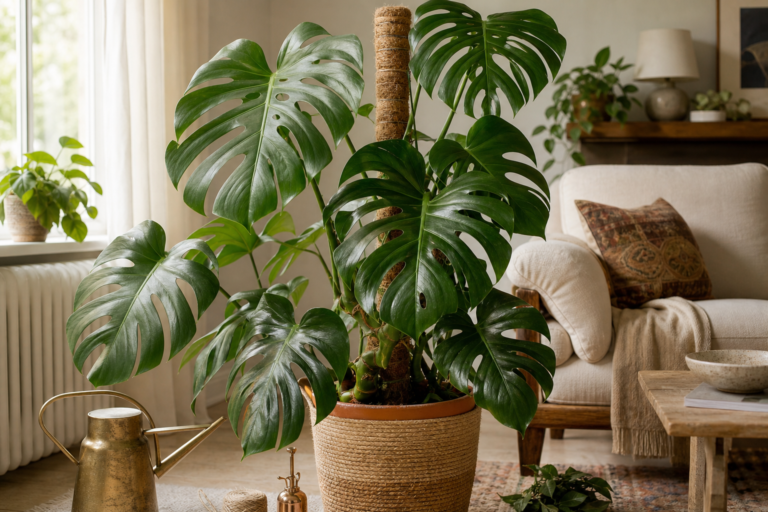
That is why a plant advertised as “rare” today may become a regular offering in a few years. Tissue-cultured Monstera and Philodendron varieties provide good examples: once production expands, small starter plants can become much more affordable than the original cuttings.
Variegation is beautiful—and often complicated
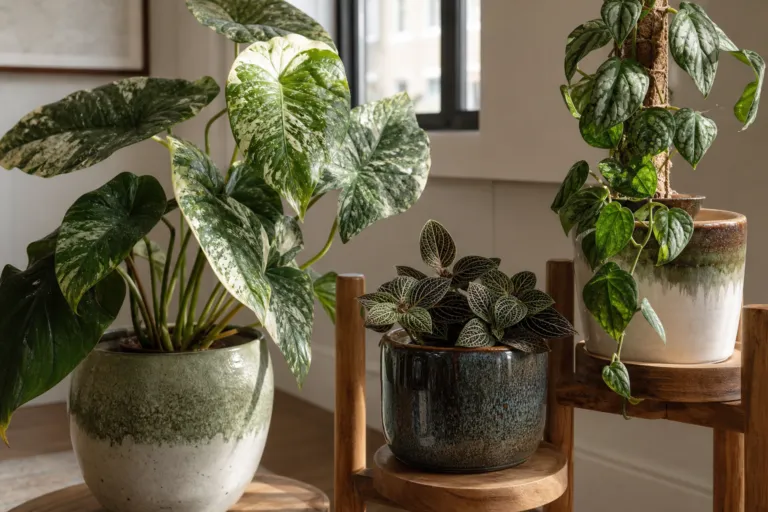
One of the biggest price drivers is variegation: areas of a leaf that contain less chlorophyll, the green pigment plants use to capture light. These sections may appear white, cream, yellow, silver, pink, or pale green.
Variegated plants attract attention because every leaf can look different. A Monstera with broad cream sectors, a Philodendron with pink splashes, or an Alocasia with pale marbling can feel more like a living one-of-a-kind artwork than a mass-produced houseplant.
But not all variegation behaves the same way. Some patterns are relatively stable and can be maintained through cuttings or commercial propagation. Other patterns are unstable: a new leaf may show much less color, become completely green, or occasionally produce too much white tissue to grow strongly.
Why white leaves can raise the risk
White tissue contains little or no chlorophyll. A plant with heavily white leaves may grow more slowly because it has less green surface available for photosynthesis. That does not make every white-variegated plant fragile, but it does make the balance of green and pale tissue important.
For growers, a desirable plant must often meet several conditions at once:
- The variegation must be attractive and recognizable.
- The plant must retain enough green tissue to grow.
- The pattern must appear on future leaves, not just one unusual leaf.
- The cutting must root successfully and develop into a healthy plant.
Each failed cutting represents lost time and material. Those failures are part of the reason a stable, well-marked plant can cost much more than a similar green variety.
Slow growth limits supply
Plants that grow slowly cannot be multiplied as quickly as vigorous, common houseplants. Some collector plants produce only a few usable cuttings each year, especially when the mother plant is still small.
Even after a cutting roots, the new plant may need months or years to become a full specimen. A small rooted node and a mature, climbing plant may share the same name, but they do not carry the same production cost or visual impact.
Size matters in another way, too. A large plant has already survived the risky early stages of propagation, acclimation, and growth. When you buy it, you are paying for years of greenhouse space, labor, potting materials, pest monitoring, and care.
Cutting, node, or established plant?
Before comparing prices, check exactly what the seller is offering. A listing may describe a plant as a “cutting,” “node,” “starter,” “rooted cutting,” “plug,” or “established specimen.” These terms can represent very different levels of risk.
- Unrooted cutting: Usually the least expensive option, but you take on the risk of rooting failure.
- Node or wet stick: A section containing a growth point; it may not yet have roots or leaves.
- Rooted starter: More established, but still vulnerable to transplant shock and environmental changes.
- Small plant: Easier to evaluate, although the long-term pattern may still change.
- Mature specimen: More expensive because it has already consumed years of growing time and space.
Propagation is the hidden cost
Common houseplants are often easy to reproduce from stem cuttings, division, offsets, or seeds. A grower can produce many new plants with relatively little specialized equipment.
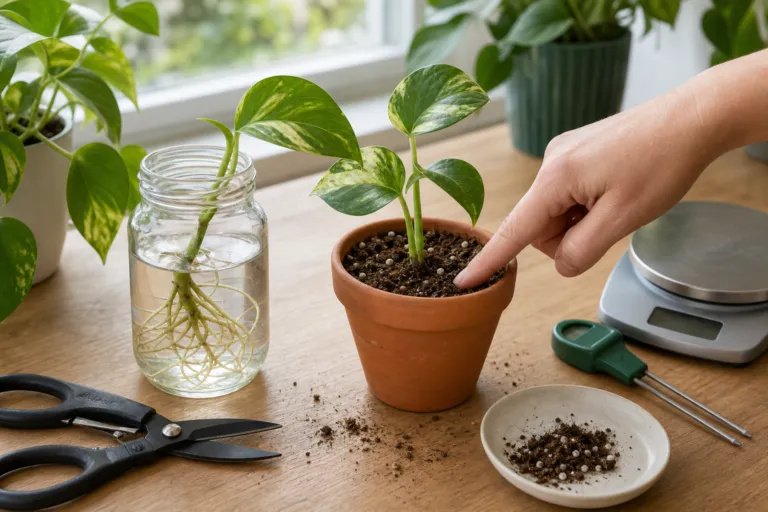
Rare plants may be much less cooperative. A cutting may need a particular node position, warm temperatures, high humidity, bright indirect light, and careful moisture management. Some species root slowly or rot when the growing medium stays too wet. Others require a mature plant before they produce useful propagation material.
Propagation also involves selection. A grower may produce several plants but keep only the strongest or best-marked specimens for sale. Plants with weak growth, disappointing coloration, or unstable patterns may never reach the retail bench.
How tissue culture changes the price
Tissue culture, also called micropropagation, grows plants from very small pieces of plant tissue in a sterile laboratory environment. Under the right conditions, one source plant can generate many plantlets more quickly than traditional cuttings allow.
When tissue culture works well for a particular plant, it can dramatically increase supply. That often brings prices down, especially for small plants sold by garden centers and online retailers.
However, tissue culture is not a magic button. It requires specialized laboratories, clean conditions, trained staff, carefully adjusted growth media, and an acclimation period when plantlets leave the laboratory and adapt to ordinary growing conditions.
Some variegated plants are also difficult to reproduce consistently through tissue culture. A laboratory may produce mostly green plants, plants with different patterns, or plants that lose the desired coloration as they grow. That uncertainty keeps certain cultivars expensive even when tissue culture is being attempted.
Why prices can fall suddenly
Houseplant prices often drop when a grower solves one of the major production bottlenecks. A successful tissue-culture program, a reliable propagation method, or a new commercial source can turn a hard-to-find plant into a regular inventory item.
This does not necessarily mean that earlier buyers were cheated. They paid during a period when supply was limited and production risk was high. It does mean you should avoid assuming that a high price guarantees long-term value.
Demand can be stronger than supply
Price is shaped by demand as much as by biology. A plant may become fashionable because of social media, a striking photograph, a celebrity collection, a new cultivar release, or a wave of interest in a particular plant family.
Online auctions can intensify that effect. Buyers compete for a plant that may be available only once or twice in a region, and auction results can make an exceptional sale look like a normal market price. A single eye-catching transaction is not always a reliable guide to what you should pay.
Collector demand also tends to focus on specific details:
- Strong, balanced variegation
- Large leaves or mature growth form
- Documented lineage or a known source
- Stable coloration over several leaves
- Unusual species or newly introduced cultivars
- Healthy roots and a pest-free appearance
Two plants with the same cultivar name can therefore sell for very different amounts. One may have sparse color, damaged leaves, or uncertain origin, while the other has an attractive pattern and several healthy growth points.
Plant patents and breeder rights may limit propagation
Some new plant varieties receive legal protection in the United States. A plant patent can protect an asexually reproduced plant—one reproduced through methods such as cuttings or division—for a defined period. Plant variety protection can apply to certain seed-produced varieties.
These protections may restrict commercial propagation and sale for propagation purposes. A plant’s legal status does not explain every high price, but it can affect how freely growers can multiply and distribute a cultivar.
If you plan to sell cuttings, research the plant’s label, patent status, licensing information, and seller terms. Buying a plant for personal enjoyment is not automatically the same as receiving permission to reproduce it commercially.
A simple home experiment: measure before you water
Expensive plants deserve careful care, but careful does not mean constantly wet. One useful way to understand your plant’s needs is to run a small watering experiment rather than relying on a fixed calendar.
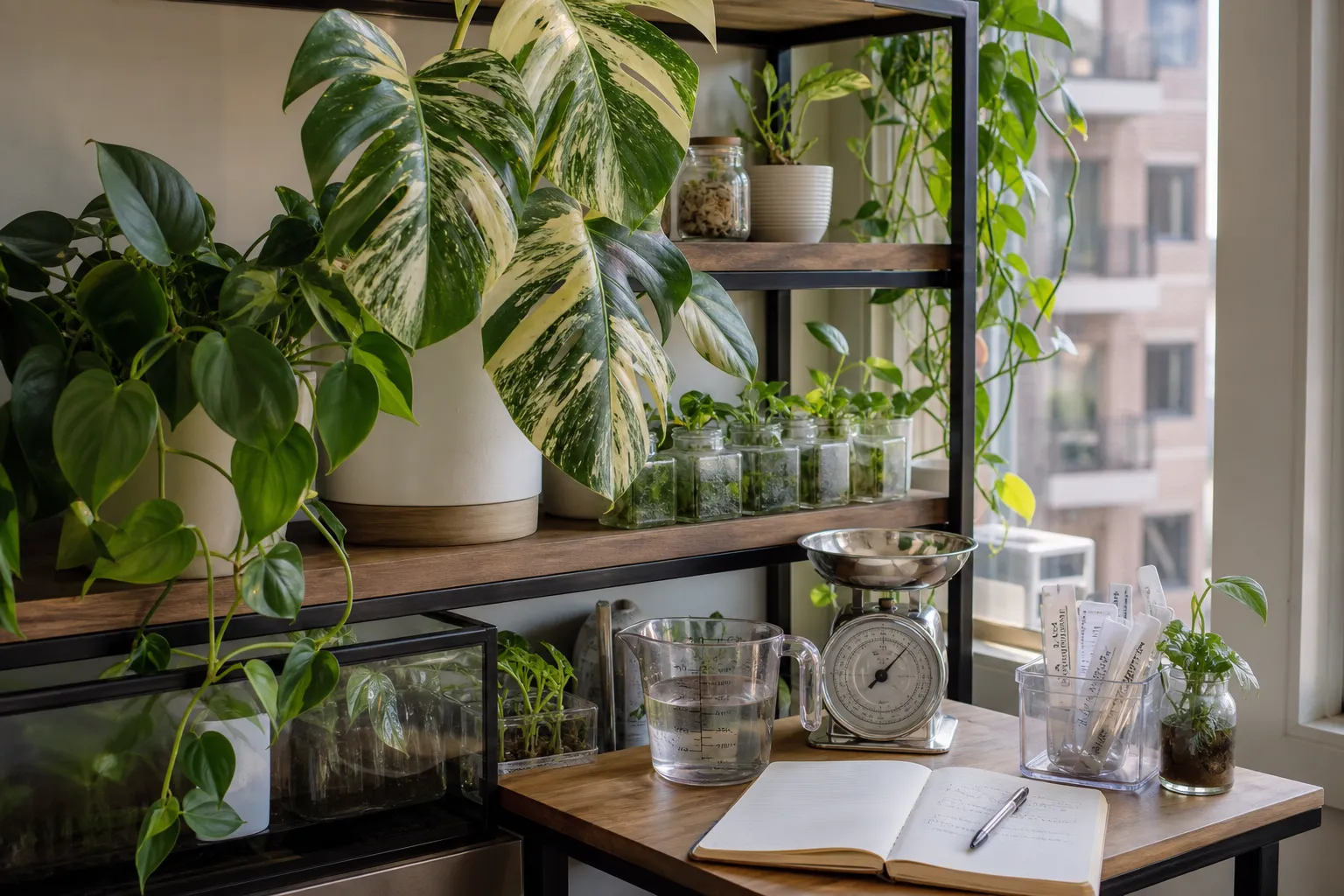
Choose one plant and record its pot weight immediately after a thorough watering, once excess water has drained. Then weigh it again each morning with a kitchen or luggage scale. Keep the plant in the same location and note the room temperature, light, and appearance of the leaves.
For example, a 6-inch pot might weigh 4.8 pounds after watering and fall to 4.1 pounds after several days. The exact numbers will vary with the pot, growing mix, and plant, so do not copy a target weight from someone else. Your goal is to identify the point at which the mix has dried enough for that particular plant.
Try recording:
- Date and time of watering
- Pot weight immediately after drainage
- Pot weight before the next watering
- Amount of water added, measured in fluid ounces
- Leaf position, color, and signs of stress
This method can help prevent the most common expensive-plant mistake: watering again simply because the surface looks dry. Check deeper in the pot with your finger or a moisture meter, and make sure the container has a drainage hole. Adjust your routine for season, indoor temperature, humidity, and light rather than following a rigid weekly schedule.
How to decide whether an expensive plant is worth it
There is no universal “correct” price for a collector plant. A plant may be worth $25 to one person and $250 to another if the buyer values the challenge, appearance, or rarity.
Before purchasing, ask yourself:
- Do I want the plant itself, or am I mainly attracted to its resale potential?
- Can I provide the light, warmth, and space it needs?
- Am I comfortable with the possibility that variegation may change?
- Does the seller show current photos of the exact plant?
- Are the roots, growth point, and leaves clearly visible?
- Is the price based on recent comparable sales rather than an old viral listing?
- Would I still enjoy the plant if its next leaf were less colorful?
For beginners, a smaller tissue-cultured plant or a moderately priced rooted cutting can be a sensible entry point. You get the pleasure of growing something unusual without putting hundreds of dollars at risk.
Will rare houseplants become cheaper?
Some will. As propagation improves and more growers enter the market, supply usually increases. Plants that once appeared only in private collections may eventually show up at specialty nurseries, regional plant sales, and mainstream garden centers.
Other plants may remain expensive because they grow slowly, reproduce unreliably, have unstable traits, or exist in very limited lineages. Prices can also rise again if demand returns after a period of oversupply.
The smartest approach is patience. Watch several sellers, compare plants of similar size, ask how the plant was propagated, and avoid impulse purchases based on a dramatic price claim.
The real lesson behind the price tag
An expensive houseplant is usually the result of several pressures working together: limited supply, slow growth, difficult propagation, attractive or unstable variegation, specialized production, collector demand, and sometimes legal restrictions.
That does not mean every costly plant is a good purchase—or that every affordable plant is ordinary. Many beautiful, healthy houseplants offer outstanding value at modest prices. If you choose carefully, measure your watering, and give a young plant time to mature, you can enjoy the fascinating world of rare foliage without turning your living room into a high-stakes auction.
Start with a plant you genuinely like, buy from a reputable seller, and remember that the most rewarding part of collecting is often watching a small, affordable plant become something uniquely yours.