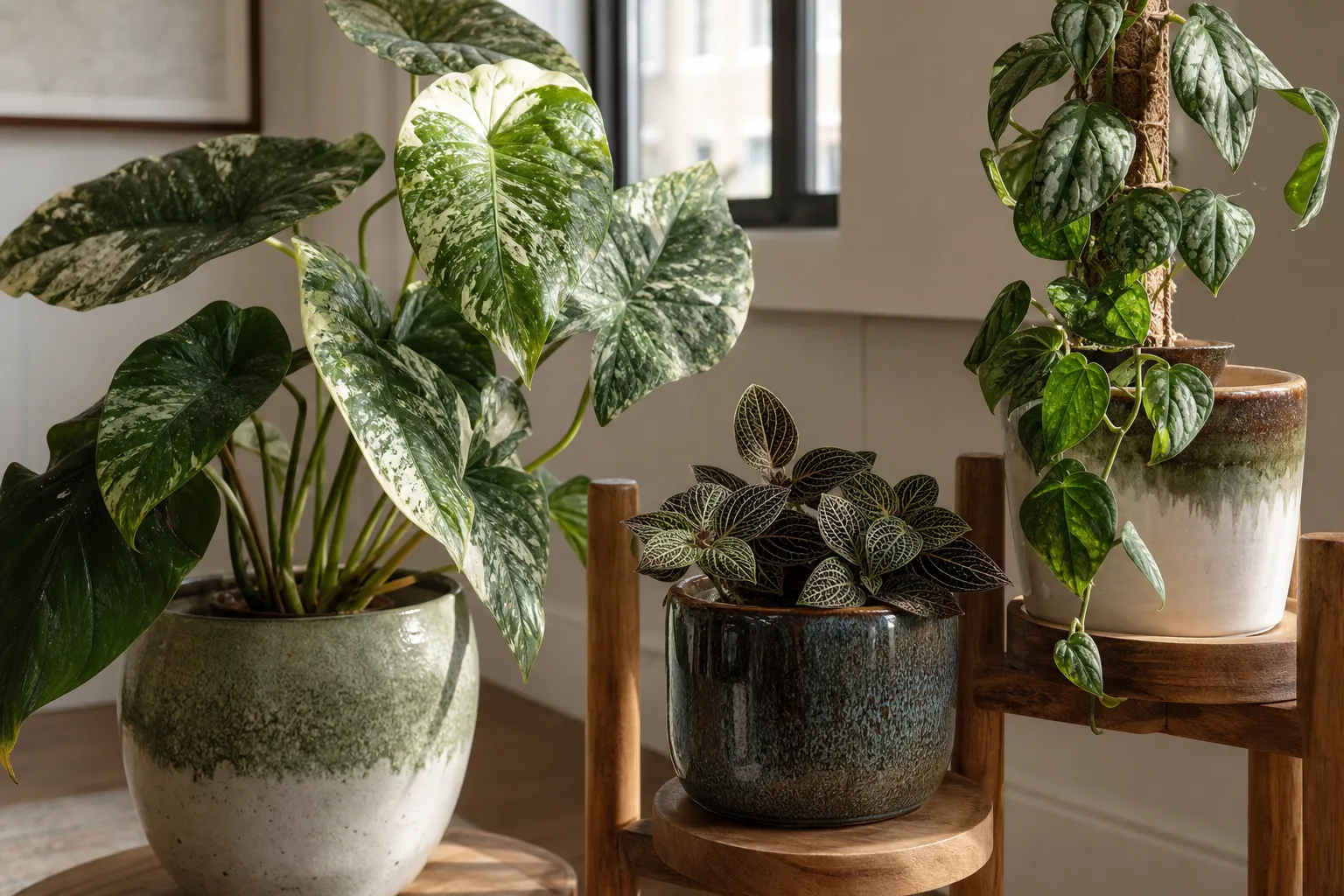
A rare houseplant is not always a plant that grows in only one remote rainforest. Sometimes it is a naturally uncommon species. Sometimes it is a new cultivar produced in tiny numbers. And sometimes it is a perfectly healthy plant that became difficult to find after a brief burst of online popularity.
That is what makes the word rare both useful and confusing. In the houseplant world, rarity can describe biology, propagation, availability, legality, or simply demand. Before you spend hundreds of dollars on a cutting, it helps to understand which kind of rarity you are actually buying.
The good news is that you do not need a collector’s greenhouse to appreciate unusual plants. With a little research, you can learn to distinguish genuinely scarce plants from ordinary plants with clever marketing—and choose specimens that suit your home, budget, and experience level.
Rare does not always mean endangered
In everyday gardening language, “rare” usually means hard to find. In conservation work, however, rarity has a more specific meaning. A plant may have a very small natural range, exist in only a few known populations, or face threats in its native habitat. Another plant may be common in the wild but rare in cultivation because nurseries have not yet learned how to produce it efficiently.
Those are very different situations. A species can be botanically vulnerable but relatively easy to purchase if it has been propagated responsibly. Conversely, a highly fashionable variegated houseplant may command a high price even though the underlying species is widely grown.
Try to separate these questions:
- Is the species uncommon in nature?
- Is the cultivated form uncommon?
- Is it difficult to propagate?
- Is it legally restricted or slow to enter the market?
- Is demand temporarily greater than supply?
Only the first question directly concerns natural rarity. The others explain why a plant may be scarce—or expensive—in the retail trade.
Six reasons a houseplant can be rare
1. It has a small or specialized natural habitat
Some plants naturally occupy a narrow ecological niche. They may grow only on a particular mountain slope, limestone outcrop, island, cloud-forest tree, or stretch of seasonal wetland. If the plant depends on a very specific combination of moisture, temperature, soil chemistry, or pollinators, it may never become abundant.
These plants can be challenging to bring into cultivation because a windowsill does not reproduce their native environment. A species that enjoys cool nights, moving air, high humidity, and excellent drainage may decline in a warm, dry apartment—even if you provide bright light.
Natural scarcity does not automatically make a plant impossible to grow, but it does make responsible sourcing especially important. A nursery-grown specimen with clear labeling is a much better choice than an unexplained wild-collected plant.
2. It is slow or difficult to propagate
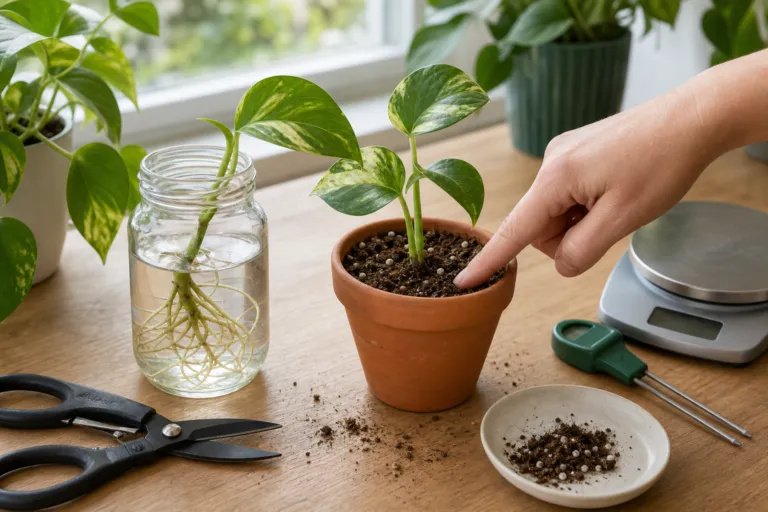
Propagation is one of the biggest practical limits on availability. Many popular houseplants root readily from stem cuttings, but other species produce few usable cuttings, grow slowly, or need particular conditions before they will form roots.
Some plants are reluctant to produce offsets. Others can be grown from seed only after careful pollination, and the resulting seedlings may not resemble the parent. A plant that takes several years to reach a saleable size will naturally appear in smaller numbers than a fast-growing vine that can be divided every few months.
Propagation also affects price. A small plant may look expensive compared with a common pothos, but the grower may have invested years of greenhouse space, labor, and failed attempts before offering it for sale.
3. The desirable trait is unstable
Variegation is a good example. White, cream, yellow, or speckled areas can make a familiar species look completely different, but variegated growth is not always genetically stable. Some plants produce a consistent pattern; others may revert to mostly green leaves or produce sections with too little chlorophyll to grow vigorously.
Because green tissue generally produces more energy than pale tissue, heavily variegated plants may grow more slowly. A cutting with dramatic color may also fail to continue that pattern if it lacks a healthy growing point containing the right tissue.
This is why two plants sold under the same cultivar name can look quite different. One may have balanced color and strong growth, while another has a single spectacular leaf followed by several mostly green leaves. The visual appeal is real, but the trait may be less predictable than a printed plant label suggests.
4. It is new to cultivation or newly described
Botanical discovery and horticultural availability do not happen at the same speed. A plant may be scientifically documented before growers know how to multiply it at scale. Nurseries may need to learn its temperature range, preferred substrate, rooting behavior, and response to shipping.
New introductions often begin with very small stock plants. That limited starting material creates a bottleneck: growers cannot sell large quantities until they have enough healthy parent plants to propagate. During this period, a plant may be genuinely scarce even if it eventually becomes more widely available.
Availability can change quickly once a reliable propagation method is developed. This is one reason a high price does not necessarily predict long-term rarity.
5. Import rules or conservation laws limit supply
International plant movement involves more than packing a cutting in a box. Live plants and propagative material may require permits, inspections, phytosanitary documentation, special packaging, or restrictions based on the species and country of origin. Some plants are protected under international or national conservation rules, and others may be restricted because they could carry pests or diseases.
For U.S. buyers, requirements vary by plant, plant part, and country of origin. Plants shipped with soil or other growing media face additional restrictions, and some taxa are not authorized for ordinary import while officials complete a pest-risk assessment. A shipment can therefore be scarce in American stores not because growers lack interest, but because the legal pathway is complicated or unavailable.
Before ordering internationally, check current federal requirements and your state’s rules. Buying from a reputable U.S. nursery is often simpler and reduces the chance of receiving a plant that is delayed, refused, or improperly documented.
6. Collectors want it faster than growers can produce it
Rarity is partly social. A plant can become difficult to find after a viral video, an influencer post, or a dramatic auction sale. When thousands of shoppers want a plant at the same time, even a healthy nursery supply may not meet demand.
Prices often rise during this stage, but demand-driven scarcity can be temporary. As stock plants mature and more growers add the plant to production, availability may improve. The reverse can also happen: interest fades, prices fall, and the plant becomes an ordinary offering at local garden centers.
Think of popularity as a moving factor rather than a permanent botanical fact.
Species, cultivar, clone, and sport: what are you really buying?
Houseplant names can make rarity difficult to judge. A species is a naturally occurring plant type. A cultivar is a selected cultivated form with particular traits. A clone is produced from one plant through vegetative propagation, such as cuttings, division, or tissue culture, so it is intended to preserve the parent’s characteristics.
A “sport” is a naturally occurring mutation or unusual growth form that a grower may select and propagate. This can create a striking new appearance, but the original mutation may be present in only a small amount of tissue. That helps explain why some new forms are released slowly and why their appearance can vary.
When shopping, ask whether the rarity belongs to the species or only to the named form. A rare cultivar of a common species may be collectible without being botanically threatened. That distinction does not make it less attractive—it simply tells you what kind of value you are considering.
A simple comparison: three types of “rare”
- Biologically rare: A species with a very limited natural distribution or specialized habitat.
- Production rare: A plant that growers can multiply only slowly, irregularly, or with specialized equipment.
- Market rare: A plant that is temporarily hard to find because demand, shipping, or distribution has outpaced supply.
One plant can fit all three categories, but many fit only one. A tissue-cultured plant, for example, may be biologically uncommon yet increasingly available in garden centers. A highly variegated cultivar may be market-rare while the species itself remains common.
What a small growing experiment can teach you
You can learn a surprising amount about a plant’s practical rarity by comparing it with a familiar relative. Try a simple home experiment with two similar plants, such as a regular green cultivar and a variegated cultivar of the same general type. Use the same room, pot style, growing medium, and light exposure, and label each plant clearly.
For four weeks, record new leaves, pot weight, and the date of each watering. One useful method is to weigh the freshly watered pot and then weigh it again every day or two. For example, if a pot weighs 3.6 pounds after watering and falls to 3.0 pounds before the next watering, you have a repeatable moisture signal for that particular pot and room.
Do not treat 3.0 pounds as a universal rule. Pot size, plant maturity, soil mix, humidity, temperature, and light all change water use. The value of the experiment is that it shows you how quickly each plant dries in your home instead of relying on a generic calendar.
You may also notice that the more variegated plant produces leaves more slowly or uses water at a different rate. That does not prove that every variegated plant behaves the same way, but it gives you practical information before you invest in a more expensive specimen.
How to tell genuine scarcity from a sales pitch
A dramatic price tag is not evidence of rarity. Before buying, look for specific information rather than vague words such as “ultra rare” or “collector’s edition.”
- Check the complete botanical name, including the cultivar name when available.
- Ask whether the plant was grown from seed, cutting, division, or tissue culture.
- Look for a visible, healthy growing point on a cutting.
- Request recent photographs rather than relying on an old listing image.
- Compare prices and availability at several established nurseries.
- Be cautious when the seller cannot explain the plant’s origin or propagation history.
- Confirm whether the plant is already established in the United States or is being shipped internationally.
For variegated plants, inspect the whole plant—not just the most colorful leaf. Balanced growth, firm stems, active roots, and a viable node usually matter more than one exceptional patch of white.
Rare does not have to mean difficult
Some unusual houseplants are forgiving once they settle in. Others are demanding because their natural habits conflict with typical indoor conditions. Before buying, match the plant to your space.
- For a bright, warm room, choose a plant known to tolerate consistent indoor temperatures.
- For a dim apartment, avoid paying a premium for a plant that needs intense light to maintain its appearance.
- If you travel often, skip species that need frequent moisture checks.
- If your home is dry in winter, look for plants that tolerate average household humidity.
- If you are new to propagation, start with a less expensive plant before experimenting with a valuable cutting.
In USDA hardiness Zones 3 through 6, remember that outdoor summer conditions may be wonderful for many tropical houseplants, but winter heating can quickly create dry air and sharp temperature changes. In Zones 9 through 11, outdoor growing may be possible for some tropical species, yet sudden cold snaps, intense sun, and local pest pressure still matter. A plant’s outdoor hardiness does not automatically predict how it will perform indoors.
The most rewarding kind of rarity
For many gardeners, the real pleasure of a rare houseplant is not owning the most expensive specimen. It is learning what makes the plant different, watching a new leaf unfurl, and gradually becoming good at meeting its needs.
Choose responsibly propagated plants when possible, keep accurate labels, and resist the pressure to buy quickly just because a listing says “last one.” Prices and availability change, while good growing habits last much longer.
Ultimately, a houseplant becomes rare for many reasons: limited habitat, slow propagation, unstable traits, legal restrictions, or sudden demand. Once you understand those forces, you can shop with clearer expectations—and enjoy unusual plants for their character, not just their price.