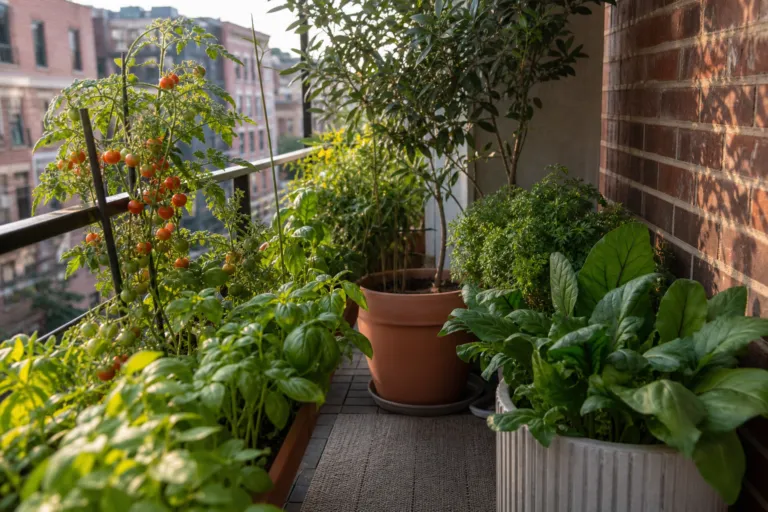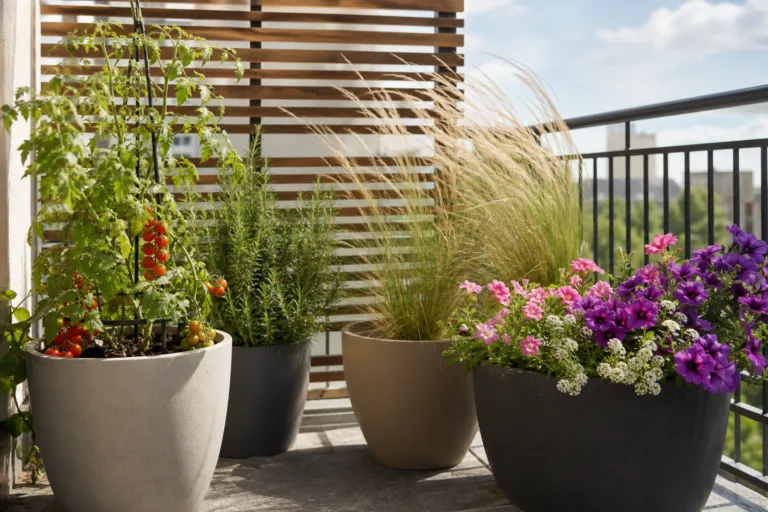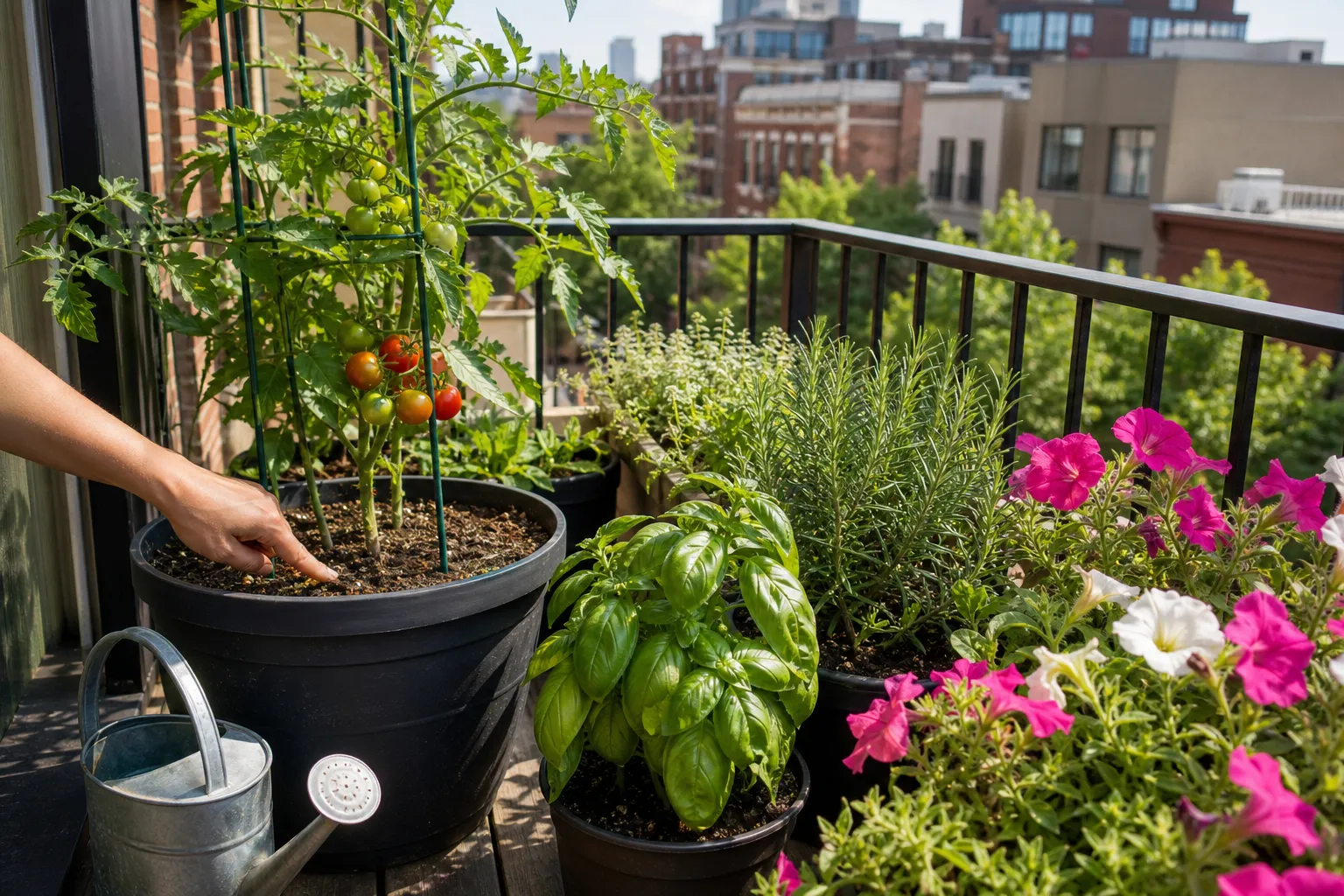
A rain forecast can promise showers, yet your basil droops, your petunias wilt and the soil in your pots feels as dry as toast. It is tempting to blame the weather app – but a balcony is not a backyard. Plants growing several feet above the ground live in a small, exposed ecosystem where sun, wind, warm containers and limited soil volume can remove moisture much faster than the forecast suggests.
The good news is that you do not need to water by guesswork. Once you understand what is happening inside the pot, a few simple changes can keep balcony plants hydrated without turning you into a full-time watering service.
A rain forecast measures the sky – not your flowerpot
Weather forecasts describe expected precipitation over a broad area, often using measurements from weather stations and radar. Your balcony may receive much less – or none – of that rain because the shower passes a few blocks away, falls on a neighboring building or blows sideways before reaching the pots.
Even when rain does land on the balcony, it may not provide a thorough soaking. A brief shower can wet the top layer of potting mix while leaving the root zone below dry. Large leaves, railings, awnings and balcony roofs can also divert water away from containers.
Think of the forecast as a useful clue, not a watering instruction. Your plant’s soil is the final authority.
Five reasons balcony pots lose water so quickly
1. The root zone is small
In the ground, roots can explore a large volume of soil. A plant in a 10-inch pot may have only a few gallons of growing mix available, and a small hanging basket has even less. That limited reservoir can disappear quickly once roots fill the container.
University extension guidance commonly notes that small containers, especially those under about 10 inches across, need more frequent watering than larger pots. During hot, dry weather, some containers may need attention daily or even twice a day.
2. Balcony surfaces add heat
Concrete, brick, metal railings and dark decking absorb solar heat and release it around the pots. A container sitting directly on a hot surface can warm from below as well as from the sides. That raises evaporation from the potting mix and increases heat stress on the roots.
Dark plastic pots can become particularly warm in full afternoon sun. Terracotta breathes and looks attractive, but its porous walls also allow moisture to escape. Neither material is automatically wrong; each simply changes how often you need to check the soil.
3. Wind increases water loss
Balconies are often windier than gardens at ground level. Air moving around a building can dry the surface of the potting mix, pull moisture from leaves and make plants lose water faster through a natural process called transpiration.
Transpiration is simply the plant’s way of releasing water vapor through tiny openings in its leaves. It helps move water and nutrients upward, but the rate rises in warm, sunny and windy conditions. A sheltered courtyard balcony and a high-rise balcony facing an open avenue may therefore require very different watering routines on the same day.
4. Potting mix drains well by design
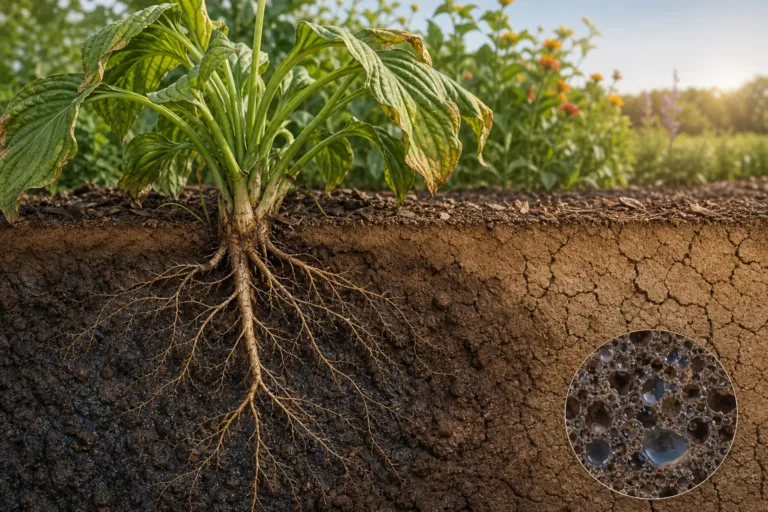
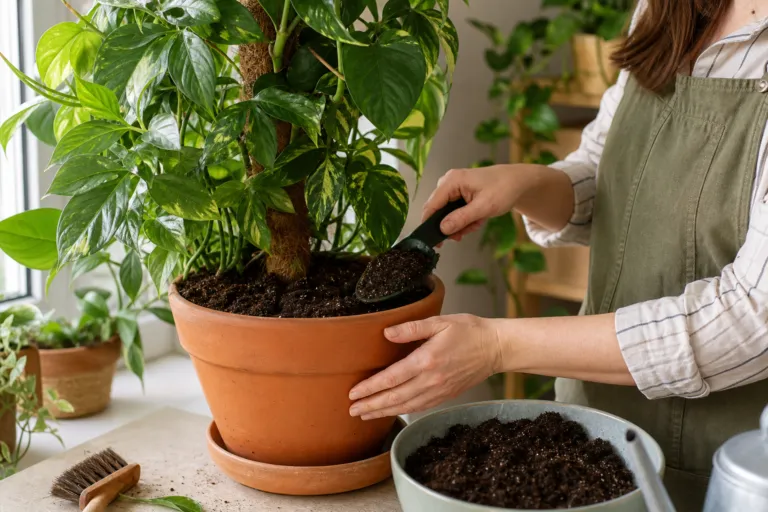
Container mix is not the same as soil from your yard. A quality mix usually contains ingredients such as peat moss, coconut coir, composted bark or perlite. These materials create air spaces and allow excess water to drain, which helps protect roots from staying waterlogged.
That excellent drainage is helpful – but it also means water does not remain available indefinitely. If the mix dries completely, it may pull away from the sides of the pot or become difficult to re-wet. Water can then run down the gap and out the drainage holes while the center of the root ball remains dry.
5. The plant itself may be demanding
A mature tomato, cucumber, sunflower or fuchsia has a large canopy that loses more water than a small seedling. Fruiting plants also use substantial water while producing leaves, flowers and fruit. Herbs such as basil can wilt quickly in full sun, while succulents generally tolerate longer intervals between watering.
Variety matters, too. Two plants labeled “tomato” may behave differently: a compact patio type in a large self-watering container will usually be easier to maintain than a vigorous indeterminate variety in a small pot.

Try a simple balcony moisture experiment
If you want to understand your own microclimate, run a seven-day comparison with two similar containers. Use the same pot size, the same potting mix and the same plant variety. Place one pot in the most exposed sunny location and the other where it receives morning sun with afternoon protection from wind or intense heat.
- Water both pots slowly until water begins to drain from the bottom.
- Measure the water you apply with a marked pitcher or watering can.
- Check the soil at the same time each morning and evening using your finger about 2 inches deep.
- Record temperature, windiness, cloud cover and whether the leaves look firm or wilted.
- Weigh each pot after watering and again at the end of each day if you have a bathroom scale.
As a practical example, a 12-inch container might take roughly 1 to 2 quarts of water during a thorough soaking, while a small 6-inch pot may need only a few cups. Those amounts are illustrations, not universal prescriptions: container depth, plant size and mix composition change the result.
The useful measurement is how quickly moisture disappears. If the exposed pot needs 1 quart every day but the sheltered pot stays moist for two days, you have discovered more than a forecast can tell you. You have identified your balcony’s actual watering rhythm.
Compare plants before you group them together
Grouping pots can make watering easier, but place plants together according to similar needs rather than appearance alone.
- High-demand plants: tomatoes, cucumbers, squash, basil, ferns and many flowering annuals often need frequent checks in sun.
- Moderate-demand plants: peppers, marigolds, geraniums and many leafy herbs prefer consistent moisture but may cope with slightly longer intervals.
- Lower-demand plants: lavender, rosemary, thyme, sedums and many succulents generally prefer the mix to dry somewhat between waterings.
Do not put a rosemary pot on the same watering schedule as a basil pot simply because both are herbs. Rosemary dislikes constantly wet roots, while basil can become stressed when the mix dries too far. Matching plants by water preference prevents both drought stress and accidental overwatering.
How to tell whether a plant really needs water
Wilted leaves are a warning, but they are not a perfect moisture meter. Plants can droop temporarily during intense heat even when the root zone still contains water. Check the soil before reaching for the watering can.
- Push your finger about 2 inches into the mix near – but not directly against – the stem.
- Lift a small pot. A noticeably lighter container often signals that it needs water.
- Look for mix pulling away from the pot’s sides, a dry surface that extends downward or leaves that remain limp after evening temperatures fall.
- Check several pots. The sunny, windy side of the balcony may dry out much sooner than the shaded side.
A wooden chopstick can also help: insert it into the mix, leave it for a few seconds and inspect whether it comes out cool and slightly damp or clean and dry. For valuable plants, an inexpensive moisture meter can provide another clue, but use it as a guide rather than a replacement for observing the plant and soil.
Water thoroughly, not just frequently
When a pot needs water, apply it slowly to the surface of the mix until a little begins to flow from the drainage holes. This helps moisten the full root zone instead of wetting only the top crust.
If water immediately races down the sides and out the bottom, pause for a minute and water again in smaller stages. Very dry mix sometimes needs several gentle applications before it starts absorbing water evenly. Empty saucers after the soil has drained so roots do not sit in standing water for long periods.
Morning is usually a good time to water because temperatures and wind are often lower, giving plants time to absorb moisture before the hottest part of the day. If a plant is visibly dehydrated, do not wait for morning – move it out of harsh sun if possible and water it promptly.
Five changes that slow balcony drying
Choose a larger container
Larger pots hold more growing mix, which gives roots a bigger moisture reservoir and buffers temperature swings. For vegetables, choose the largest container that your balcony can safely support and that you can move when necessary.
Use a light-colored outer pot
Light-colored containers generally absorb less solar heat than black ones. You can also place a smaller nursery pot inside a larger decorative container, leaving enough space for drainage and airflow. This “double-potting” approach can help insulate the root ball from extreme heat.
Add a thin mulch layer
A 1- to 2-inch layer of suitable mulch can slow evaporation and keep the surface of the mix cooler. Shredded leaves, fine bark, coconut coir or herbicide-free grass clippings can work when used sparingly. Keep mulch slightly away from plant stems to reduce persistent wetness around the crown.
Create a wind break
Move pots near a wall, use a sturdy screen or group containers closely enough to shelter one another while leaving space for air circulation. Secure tall plants and screens carefully; a wind break that can topple may create a safety hazard.
Install simple drip irrigation
A small balcony drip system or self-watering planter can deliver moisture more consistently than occasional rushed hand-watering. Test the system before leaving plants unattended. Make sure the container has adequate drainage and that runoff will not damage the balcony below.
What to do after rain
Do not automatically skip watering because the forecast showed rain. Check the containers first. If the top 2 inches are damp but the lower root zone is dry, give the plant a measured follow-up watering. If the entire pot is moist, wait.
Rainwater can also arrive unevenly. One pot may be soaked while another sits beneath a roof overhang. A quick finger test across the collection is more reliable than assuming every container received the same amount.
A realistic watering routine for busy gardeners
Make watering part of a short daily observation rather than a major chore. In summer, check containers in the morning and inspect the most exposed pots again in late afternoon. You may need to water once a day, twice a day during a heat wave, or less often during cool, cloudy weather.
- Keep a marked watering can so you learn how much each pot usually takes.
- Place thirsty plants where they are easy to reach.
- Use saucers only when they will not hold water for long periods.
- Refresh mulch when the potting mix becomes exposed.
- Reduce watering frequency for plants moved into shade, but continue checking the soil.
Most importantly, avoid alternating between tiny daily sips and occasional flooding. Aim for a thorough soaking when the root zone begins to dry, then allow the plant’s needs, container size and balcony conditions to determine the next interval.
Your balcony has its own weather
A forecast may tell you what is happening in the wider neighborhood, but your pots experience their own combination of sunlight, reflected heat, wind, plant size and soil volume. That is why a balcony garden can dry out on a day that looks mild on the weather app – or stay damp after a forecasted shower.
Start checking the soil, measuring your water and comparing the warmest and coolest spots. With a larger container, a little mulch, sensible grouping and consistent observation, you can stop chasing the forecast and start watering according to what your plants actually need.