
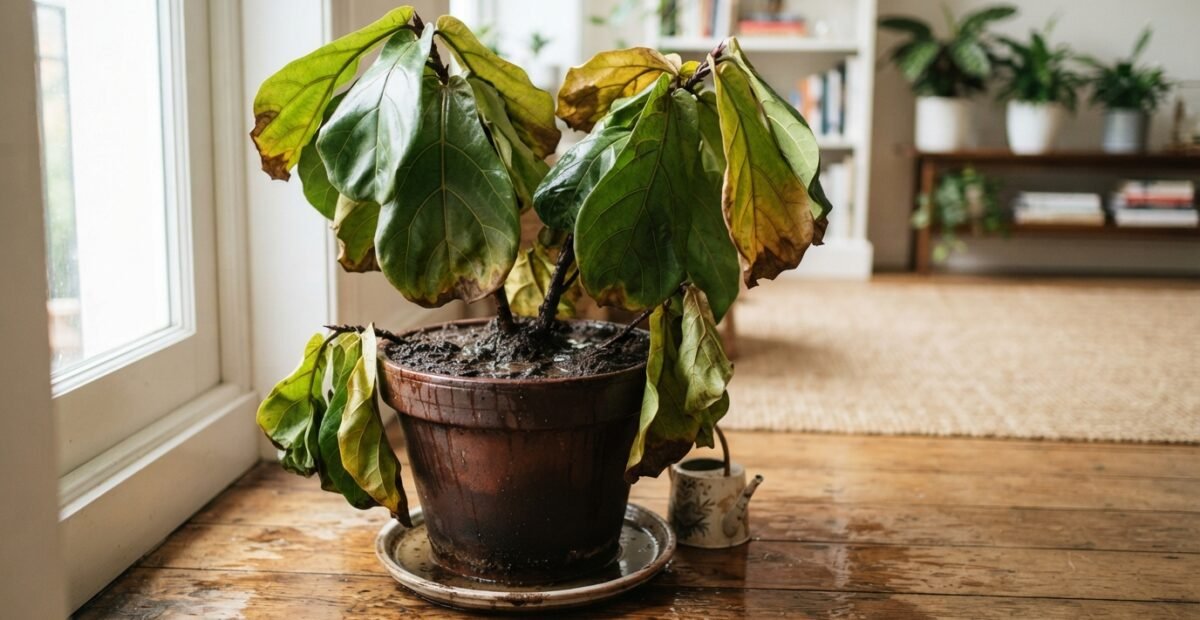
Overwatering
Overwatering overview
Overwatering is a noninfectious environmental disorder caused when roots remain in saturated soil longer than the plant can tolerate. Oxygen is displaced from pore spaces, roots lose function, and foliage may wilt despite wet soil. Yellowing, leaf drop, edema, stem collapse and dark, mushy roots can follow, while prolonged moisture also favors root rots and fungus gnats.
Typical conditions
Overview
Plants need both water and air around their roots. Overwatering means excessive frequency, poor drainage, excessive irrigation, rainfall, or a combination of these factors that keeps the root zone saturated. Tolerance varies widely: cacti and many succulents decline quickly in wet media, while some wetland-adapted plants tolerate or require moist conditions.
Do not diagnose from leaf color alone. Wilting, yellowing and leaf drop may also result from underwatering, low light, cold injury, nutrient problems, pests or disease. Check the moisture several inches below the surface and inspect roots when practical.
Symptoms and identification
- Soil remains wet or squishy for many hours, water stands in a saucer, or puddles persist in the planting area.
- Leaves become pale or yellow, wilt while the soil is wet, develop brown areas, or drop from both older and newer growth.
- Roots are dark brown to black, soft, slimy or easily pulled apart rather than firm and light-colored.
- Stems may rot at the soil line, growth slows, and the entire plant can collapse.
- Edema may appear as raised blisters or tan, corky spots, especially during cool, humid conditions when water uptake exceeds transpiration.
- Continuously wet indoor soil may support fungus gnats, algae or mold on the surface.
Causes and spread
Common causes include watering by calendar rather than by soil moisture, poor drainage, compacted or water-holding soil, blocked drainage holes, containers without holes, oversized pots, heavy rainfall, low-light or cool conditions that slow water use, and irrigation systems that apply more water than the root zone can drain.
Overwatering itself is not contagious and has no biological spread cycle. However, injured roots are more vulnerable to opportunistic soilborne organisms that cause root or stem rot. Splashing, shared contaminated potting media and reused dirty containers can then contribute to the spread of those secondary problems.
Life cycle and persistence
This disorder progresses according to how long the root zone remains saturated. First, water fills large air spaces in the soil and oxygen becomes limited. Root respiration and water uptake decline, so foliage may wilt even though the soil is wet. Continued saturation kills roots, producing dark, mushy tissue and reducing the plant’s ability to support leaves.
Secondary root or stem rots may develop after roots are weakened. In cool, humid or poorly ventilated conditions, edema and surface molds can appear. If drainage and watering are corrected early, the plant may produce new roots; severely decayed plants may not recover.
Treatment and control
- Stop irrigation temporarily and allow excess water to drain. Move container plants out of standing water and improve airflow and light without exposing stressed plants to sudden intense heat.
- Check the root system. If roots are dark, slimy or collapsing, remove the plant from the container, discard saturated media, and trim only clearly rotten tissue with clean tools.
- Repot salvageable plants into a clean container with fresh, well-drained potting mix and adequate drainage. Do not automatically move the plant into a much larger pot.
- For outdoor plants, correct the drainage problem before replanting. Remove severely collapsed plants and dispose of diseased tissue rather than placing it in home compost.
- Resume watering only when the plant and its growing medium require it. Water thoroughly when appropriate, then allow excess to drain completely.
- Do not fertilize a severely stressed or root-damaged plant until active recovery is evident.
Recovery depends on the amount of living root tissue remaining. Yellow or damaged leaves may not regain their original appearance, but new healthy growth indicates improvement.
Low-impact and biological control
The most effective nonchemical control is cultural: reduce irrigation, improve drainage, use an appropriate growing medium, remove rotten roots, sanitize containers and tools, and discard plants with extensive decay. For fungus gnats associated with wet soil, allow the surface to dry as far as the plant tolerates, remove organic debris, use yellow sticky cards for adults, and consider a labeled biological control such as Bacillus thuringiensis subsp. israelensis where legally available and appropriate. These measures manage associated pests; they do not reverse root tissue already lost.
Prevention
- Learn the plant’s moisture requirement; do not use one watering schedule for every species or season.
- Check soil moisture with a finger or suitable probe before watering. For many container plants, inspect about 2 inches below the surface, while following the plant’s specific care requirements.
- Use containers with open drainage holes and a porous, plant-appropriate mix. Empty saucers and cachepots after watering.
- Do not increase pot size unnecessarily; an oversized container can retain moisture around a small root system.
- Improve outdoor drainage with grading, aeration where appropriate, raised beds or berms, and downspouts that discharge away from planting areas.
- Water the root zone rather than repeatedly wetting foliage, and adjust irrigation for rainfall, temperature, light and seasonal growth.
- Remove fallen leaves and dead plant material, clean reused pots and tools, and quarantine plants with suspected root or stem rot.
Interesting facts
- A plant can wilt from overwatering because damaged roots can no longer supply water to the foliage.
- Waterlogged soil limits oxygen exchange; roots need oxygen as well as moisture.
- Edema is a physiological disorder caused by an imbalance between water uptake and transpiration, not an infectious disease.
- Some plants are adapted to periodically wet habitats, so “wet soil” is not automatically harmful without considering species and duration.
- Fungus gnats are often an indicator of persistently wet indoor growing media rather than the primary cause of the plant’s decline.
No pesticide cures overwatering itself. Fungicides are not a substitute for correcting saturation, and root-rot pathogens differ in susceptibility. Use only products legally authorized for the specific crop and problem in the United States, and follow the current label exactly. For edible crops, observe all crop, application, personal-protection and preharvest requirements.
Affected plants
The plants below are linked to this problem by structured host-plant data. The list updates automatically as new plant profiles are added.
 Xkakaltun (Ocimum campechianum) care guideOcimum campechianum
 Allium christophii care guideAllium christophii
 Giant Allium (Allium giganteum) care guideAllium giganteum
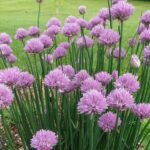 Chives (Allium schoenoprasum) care guideAllium schoenoprasum
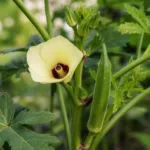 Okra (Abelmoschus esculentus) care guideAbelmoschus esculentus
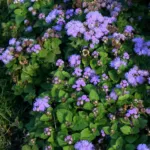 Flossflowe (Ageratum houstonianum) care guideAgeratum houstonianum
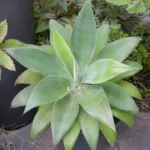 Swan’s neck agave (Agave attenuata) care guideAgave attenuata
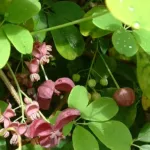 Five-leaf Akebia (Akebia quinata) care guideAkebia quinata
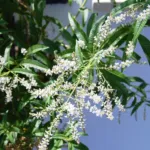 Lemon verbena (Aloysia citrodora) care guideAloysia citrodora
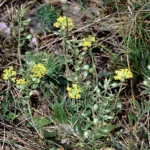 Alyssum montanum care guideAlyssum montanum
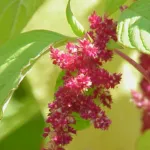 Edible amaranth (Amaranthus tricolor) care guideAmaranthus tricolor
 Umbrella Bamboo (Fargesia murielae) care guideFargesia murielae