
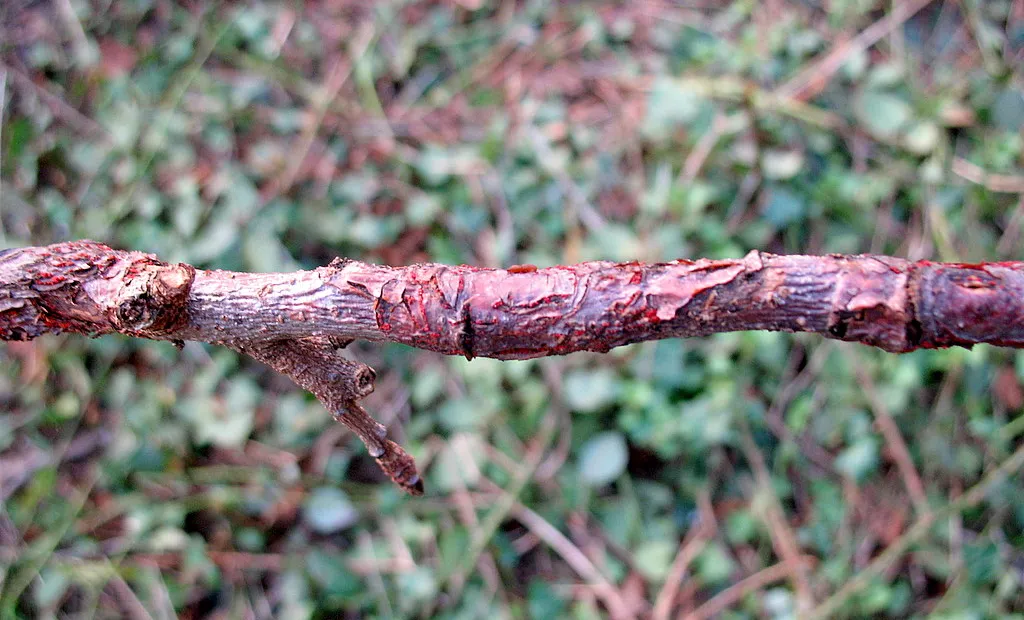
European Apple Canker
Neonectria ditissimaEuropean Apple Canker overview
European apple canker is a fungal disease caused by Neonectria ditissima, most important on apple and other pome fruits. It enters through pruning cuts, leaf scars, frost injuries and other wounds, then forms expanding sunken cankers that can girdle branches or trunks. Rainy, cool conditions favor spread, while careful sanitation, resistant planting material and timely pruning are central to management.
Typical conditions
Overview
Neonectria ditissima causes expanding cankers on apple trunks, scaffold limbs, branches and twigs. Lesions are commonly sunken, elliptical and reddish brown at first; older cankers become irregular, rough and cracked as the tree produces callus around the margin. If a canker encircles a young branch or trunk, the distal portion may wilt and die. The fungus can also infect apple fruit, particularly through the calyx or other injuries, producing eye rot that may continue during storage.
Symptoms alone are not always diagnostic. Submit representative tissue to a plant diagnostic laboratory when lesions are atypical, numerous pathogens are possible, or a high-value tree or orchard is involved.
Symptoms and identification
- Sunken, reddish-brown to dark-brown lesions on young or older woody tissue.
- Elliptical cankers that enlarge lengthwise and become rough, irregular and deeply cracked.
- Concentric callus ridges may form around older lesions, giving the bark a target-like appearance.
- Girdled twigs and branches show wilting, sparse foliage, dieback or breakage beyond the canker.
- Small red to orange-red fungal fruiting bodies may develop on older canker margins during moist periods, but they are not always visible.
- Fruit infections may begin at the blossom or calyx end as a depressed brown rot and can progress in storage.
Causes and spread
Neonectria ditissima is primarily a wound-infecting fungus. Spores from existing cankers are moved by rain splash, runoff, wet tools and contact with contaminated plant material. Infection risk increases when susceptible tissue remains wet after pruning, leaf fall, frost, hail, harvest handling or other injury.
Spread is favored by leaving cankered wood in trees, planting infected nursery stock, pruning during wet conditions and allowing dense canopies or poorly drained sites to remain humid. The disease is not caused by nutrient deficiency alone, although tree stress can worsen damage and reduce recovery.
Life cycle and persistence
The fungus survives in cankered wood, dead twigs, callus tissue and older lesions. It produces conidia in sporodochia and sexual spores in red perithecia. Spores are dispersed mainly by rain splash and runoff. Infection occurs when spores reach fresh wounds, leaf scars or other natural openings and remain wet long enough to germinate.
Apple leaf scars during autumn leaf fall are important infection courts, but wounds can be infected at other times of year. Cankers may expand slowly for several seasons, especially when cool, wet conditions recur. Infected fruit can develop rot in the orchard or after harvest.
Treatment and control
There is no dependable treatment that eliminates the fungus from an established canker. On small branches and twigs, prune during dry conditions to a healthy lateral or branch collar, removing all visibly affected wood. Do not cut flush against the trunk or leave long stubs.
For trunk or scaffold cankers, excision is difficult and may weaken the tree. A qualified arborist or extension diagnostician should assess whether the lesion can be safely removed, whether the branch should be replaced, or whether the tree has a poor long-term prognosis. Dispose of infected wood away from apple and other susceptible hosts. Any fungicide program must be based on current U.S. product labels and local extension recommendations; products applied after infection generally provide limited curative activity.
Low-impact and biological control
No curative organic treatment reliably restores wood already colonized by the pathogen. Management should focus on exclusion, sanitation and wound protection.
- Plant certified, healthy nursery stock and inspect trunks, graft unions and branches before planting.
- Prune out cankered twigs and branches during dry weather, cutting well below visible discoloration into healthy wood.
- Disinfect pruning tools between cuts when working through infected trees; remove diseased wood from the orchard and do not leave it in brush piles near host trees.
- Avoid unnecessary pruning, especially just before prolonged wet weather, and protect trees from mower, string-trimmer, hail and frost injury where feasible.
- Maintain balanced irrigation and nutrition without excessive late-season nitrogen, and improve canopy airflow so bark dries promptly.
- Where available, choose cultivars and rootstock combinations with better documented tolerance for the local production region.
- Use only organically approved wound or biological products that are legally registered for the intended crop and use in the United States, following the product label.
Prevention
Begin with clean planting material and regular scouting of trunks, graft unions, scaffold limbs and young shoots. Mark suspicious lesions and inspect them again after several weeks for expansion, cracking or dieback.
- Remove active cankers promptly during dry weather; make cuts below the visible lesion and avoid leaving short stubs.
- Sanitize tools between cuts and remove prunings from the orchard.
- Schedule major pruning during periods that allow wounds to dry quickly; avoid pruning immediately before rain.
- Minimize bark injury and manage rodents, machinery traffic and other causes of wounds.
- Promote vigorous but not excessively succulent growth through appropriate irrigation, soil management and nutrient testing.
- Improve air movement and sunlight penetration through sound canopy training.
- Monitor leaf fall and other high-risk wound periods, particularly in cool, rainy regions of the United States.
Interesting facts
- The disease was formerly associated with the name Nectria galligena; current references generally use Neonectria ditissima.
- Apple cultivar susceptibility varies, and published rankings can differ with climate, inoculation method and the resistance trait measured.
- Rainfall frequency, duration and surface wetness are often more important for infection than total rainfall alone.
- Nearby infected hardwoods or unmanaged fruit trees may contribute inoculum, although the practical importance depends on local conditions and host compatibility.
- Young trees and small branches are particularly vulnerable to girdling and rapid dieback.
Use fungicides only when a product is legally authorized and currently labeled in the United States for the specific crop, disease and application site. Follow the current label exactly, including rate, timing, personal protective equipment, reentry interval and preharvest interval. Chemical protection should supplement—not replace—sanitation, wound avoidance and removal of infected wood.
Affected plants
The plants below are linked to this problem by structured host-plant data. The list updates automatically as new plant profiles are added.
 Field maple (Acer campestre) care guideAcer campestre
 Paperbark Maple (Acer griseum) care guideAcer griseum
 Downy Japanese Maple (Acer japonicum) care guideAcer japonicum
 Boxelder (Acer negundo) care guideAcer negundo
 Acer palmatum care guideAcer palmatum
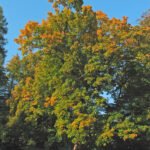 He Norway maple (Acer platanoides) care guideAcer platanoides
 Sycamore maple (Acer pseudoplatanus) care guideAcer pseudoplatanus
 Red maple (Acer rubrum) care guideAcer rubrum
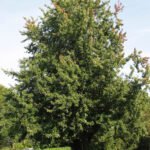 Silver maple (Acer saccharinum) care guideAcer saccharinum
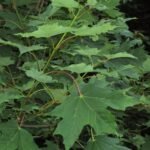 Sugar maple (Acer saccharum) care guideAcer saccharum
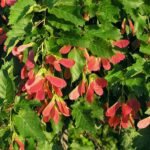 Tatar Maple (Acer tataricum) care guideAcer tataricum
 Amur Maple (Acer tataricum ginnala) care guideAcer tataricum ginnala