

Tatar Maple (Acer tataricum) short overview
Tatar Maple is a hardy, deciduous small tree or large shrub valued for its adaptable nature, attractive foliage, spring flower clusters, and winged fruits that often develop red tones before ripening. It is native across parts of Europe and temperate Asia and is cultivated in the United States for lawns, borders, streetscapes, restoration plantings, and wildlife-friendly landscapes. Its rounded habit and tolerance of varied soils make it a practical alternative to larger maple species.
Taxonomic classification
Tatar Maple (Acer tataricum) care guide
Light and placement
Plant in full sun for the strongest growth, denser branching, and better autumn color; light afternoon shade is useful in hot, dry regions. An east-, south-, or west-facing exposure is generally suitable when the root zone is mulched and watered during establishment. Sparse growth and reduced color may indicate insufficient light, while scorched leaf margins can signal intense heat, drought, reflected pavement heat, or abrupt exposure.
Watering and humidity
Water deeply and slowly when the upper several inches of soil begin to dry, directing water over the root zone rather than against the trunk. Keep newly planted trees evenly moist during their first one to two growing seasons. After establishment, allow modest drying between irrigations, but water during extended summer drought, especially in sandy soil or near pavement. Avoid frequent shallow watering and persistent saturation.
Soil and growing medium
Use a soil that drains reasonably well while retaining enough moisture for steady growth. Tatar Maple tolerates clay and a broad pH range, but compacted or chronically wet ground can reduce vigor and increase root stress. Incorporate organic matter only when needed to improve structure across the planting area, not as a rich pocket around the root ball. A 2–3 inch mulch layer helps moderate soil moisture and temperature; keep it away from the trunk.
Feeding
Most established specimens need little supplemental fertilizer when growing in reasonably fertile soil. If annual growth is weak or leaves are unusually pale, apply a complete slow-release fertilizer in early spring according to the product label. Compost can be used as a thin surface dressing. Do not fertilize drought-stressed, newly transplanted, or late-season growth, and avoid excess nitrogen, which can produce weak shoots and reduce balanced form.
Growth and habit
The species commonly develops a rounded crown and may grow as a single-trunk tree or a multi-stemmed large shrub. It is moderately vigorous and can remain manageable in residential landscapes, although stems may crowd when several shoots arise from the base. Select a central leader early when a tree form is wanted, or retain several well-spaced stems for a shrub-like habit. Remove basal suckers if they are not part of the desired design.
Planting and repotting
Choose a site with good drainage and enough room for the mature crown. Dig a broad planting hole no deeper than the root ball, loosen circling roots, and position the root flare at grade. Backfill with native soil, water thoroughly, and apply 2–3 inches of mulch over the root zone without touching the trunk. Maintain consistent moisture through the first two growing seasons and protect the young trunk from mechanical injury.
For container culture, transplant into a larger container when roots fill the existing root ball or growth slows from congestion. Use a structurally stable, well-drained potting mix and avoid burying the root flare. Repot in early spring before strong growth, then water thoroughly and protect the container from extreme winter temperature swings.
Propagation and pruning
Propagation
Propagation is commonly by seed, with fresh or properly stored seed requiring suitable dormancy treatment before germination. Sow in a prepared seedbed or container medium and protect seedlings from drying. Selected cultivars are usually propagated vegetatively because seed does not reliably preserve ornamental traits; practical methods may include cuttings or grafting depending on the selection and nursery practice.
Pruning
Prune during dormancy or shortly after the spring flush, removing dead, damaged, crossing, or poorly attached branches. For tree form, establish one leader and remove competing stems gradually rather than making many large cuts at once. Thin crowded basal shoots when needed. Avoid unnecessary topping and heavy late-summer pruning, which can encourage weak regrowth and increase wound exposure.
Overwintering
Established plants are highly cold hardy in appropriate zones and generally need no special winter protection. In colder regions, mulch the root zone after the ground cools, keeping mulch away from the trunk. Container-grown plants are more exposed to freezing and thawing; move them to a sheltered location or insulate the container rather than bringing the tree into a warm indoor room.
Uses
Useful as a small shade tree, lawn tree, large shrub, informal screen, street-tree candidate, or mixed native-range-style planting where locally appropriate. Its flowers provide spring nectar and pollen resources, while its samaras and branching structure add seasonal interest. Check local invasive-plant guidance before large-scale planting because some maple taxa and selections can naturalize in certain regions.
Appearance
Leaves are opposite, green, and generally ovate with coarse irregular teeth; younger plants may show three to five shallow lobes, while mature foliage is often less lobed. Pink-tinged petioles, reddish-brown young stems, thin light-brown bark, spring flower clusters, and paired winged fruits help identify the species. Autumn foliage may turn yellow, orange, or red depending on genetics, weather, and site conditions.
Flowering
Small greenish-white flowers are borne in clusters or panicles in spring, commonly around April and May in much of the United States. The flowers are ornamental at close range rather than showy from a distance. Flowering generally occurs as the foliage emerges, followed by paired samaras that mature later in the growing season.
Pollination and visitors
The flowers provide nectar and pollen used by insects. U.S. horticultural references specifically record moth visitation, while broader Acer flower studies document nectar and pollen production that can support bees and other small flower-visiting insects. Visitor abundance varies with weather, local insect communities, and the presence of competing blooms.
Acer tataricum photos
Click any photo for a larger view. Source, author and license are shown separately.
Diseases and pests
Diseases
Potential problems include leaf spots, anthracnose, verticillium wilt, and cankers, especially when plants are stressed or foliage remains wet for long periods. Improve airflow, irrigate at the soil surface, remove badly affected debris, and avoid wounding the trunk. Confirm the diagnosis before treatment; wilt and canker symptoms require removal of affected tissue and attention to site stress.
Pests
Aphids, scale insects, borers, and caterpillars may occasionally occur. Inspect new growth, branch crotches, and the trunk for honeydew, cast skins, exit holes, or dieback. Encourage natural enemies, maintain tree vigor, and use horticultural oil or another labeled treatment only when monitoring shows a damaging population. Avoid routine broad-spectrum insecticide use during bloom.
Related diseases and pests
Only Plant Doctor profiles whose host data indicate this plant may be affected are shown here.
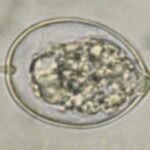 DiseasePhytophthora cactorum crown, collar, root and fruit rotPhytophthora cactorum
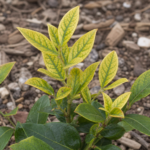 Environmental stressIron Deficiency Chlorosis
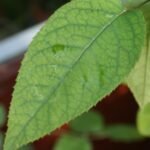 Environmental stressManganese deficiency
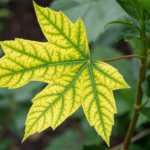 Environmental stressLime-Induced Chlorosis
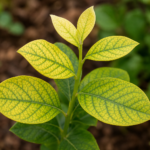 Environmental stressHigh-pH-induced iron deficiency
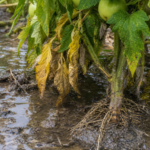 Environmental stressFlooding injury
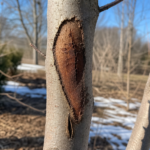 Environmental stressNapégés (sunscald)
 Environmental stressSalt stress
Toxicity and pollen
Reliable species-specific human and pet toxicity information was not confirmed in the reviewed authoritative horticultural sources. Do not assume that the plant is edible or harmless simply because it is a cultivated maple. Prevent children and pets from chewing leaves, bark, seeds, or other plant parts, and seek professional medical or veterinary advice after a significant ingestion or if symptoms develop.
- Typical season
- Spring, typically April–May in much of the United States
- Pollination / pollen
- Insect-dispersed pollen released from spring flowers
Tatar Maple produces pollen during spring flowering, but a dependable U.S.-specific clinical allergy rating for this exact species was not confirmed. Because the flowers are insect-pollinated, airborne exposure may be lower than for strongly wind-pollinated trees, but it should not be assumed to be zero. Sensitive people should monitor symptoms during bloom and limit close contact with flowering branches if needed.
Native habitat
In its native range, Tatar Maple occurs in temperate regions in forest edges, meadows, ravines, riverbanks, floodplains, and other open or semi-open habitats. It can occur from lowland sites to mountainous areas and tolerates a broad range of soil textures. In cultivation it prefers adequate drainage but can handle heavier soils better than many ornamental maples.
Interesting fact
The species includes considerable variation in leaf shape, habit, fruit color, and autumn display. Young plants may have more lobed leaves than mature branches. The paired samaras can add a second season of color after flowering, sometimes turning red before becoming brown. Tatar Maple is also treated as a complex containing several subspecies, including the taxon commonly grown as Amur Maple.
Frequently asked questions (FAQ)
The most relevant questions about this plant, with short and direct answers.
🌱Quick care
What is Tatar Maple?⌄
Tatar Maple is a deciduous small tree or large, often multi-stemmed shrub known for adaptable growth, attractive fall color, and winged samaras. Its accepted scientific name is Acer tataricum, in the Sapindaceae family.
How big does Tatar Maple get?⌄
Tatar Maple commonly reaches about 15–20 feet tall and wide, although mature plants can approach 25–30 feet under favorable conditions. Its broad, rounded form often makes it wider than expected.
What USDA zones can grow Tatar Maple?⌄
Tatar Maple is generally cold hardy in USDA Zones 3–8. Winter performance can still vary with the cultivar, exposure, late freezes, and local growing conditions.
How fast does Tatar Maple grow?⌄
Tatar Maple has a moderate growth rate once established. Growth is usually strongest in full sun with adequate moisture and well-drained soil.
🌤️Environment and placement
Does Tatar Maple need full sun or shade?⌄
Tatar Maple grows best in full sun but also tolerates partial shade. More sunlight generally supports denser growth, better fall color, and heavier production of ornamental samaras.
What soil is best for Tatar Maple?⌄
Plant Tatar Maple in well-drained loam, clay loam, or sandy loam. It is adaptable and can tolerate somewhat alkaline soil, but persistent waterlogging should be avoided.
Is Tatar Maple drought tolerant?⌄
Tatar Maple is somewhat drought tolerant after it becomes established. Water young trees regularly during dry periods, and provide supplemental water during prolonged drought or extreme heat.
Can Tatar Maple grow in clay soil?⌄
Tatar Maple can grow in clay loam if drainage is adequate. Improve compacted sites before planting and avoid locations where water remains around the roots after rain.
Is Tatar Maple suitable for a small yard?⌄
Tatar Maple can suit a small yard if there is room for a mature spread of roughly 15–30 feet. Choose a narrower cultivar when available, and keep it away from structures, overhead wires, and narrow planting strips.
Can Tatar Maple be used as a street tree?⌄
Tatar Maple can be used as a street or lawn tree where soil volume, drainage, and mature spread are adequate. Upright cultivars are generally more suitable than variable seed-grown plants for confined sites.
💧Care and problems
How often should I water Tatar Maple?⌄
Water Tatar Maple deeply when the upper few inches of soil begin to dry, especially during its first two growing seasons. Established trees usually need supplemental irrigation only during extended hot or dry weather.
Why are the leaves on my Tatar Maple turning brown?⌄
Brown leaves on Tatar Maple are commonly caused by drought, heat, transplant stress, root problems, or scorch from drying winds. Check soil moisture and drainage before assuming the cause is a disease.
Does Tatar Maple have serious pests or diseases?⌄
Tatar Maple is generally considered adaptable, but it can experience common maple problems such as aphids, scale, verticillium wilt, leaf scorch, and trunk or root issues. Correct watering, drainage, and pruning practices reduce stress.
Should I fertilize Tatar Maple?⌄
Fertilize Tatar Maple only when a soil test or clear nutrient deficiency indicates a need. Excess nitrogen can promote weak, overly vigorous growth and is usually less helpful than correcting poor soil or watering conditions.
🪴Planting and repotting
When is the best time to plant Tatar Maple?⌄
The best time to plant Tatar Maple is during spring or fall when temperatures are moderate and soil moisture is reliable. Avoid planting in frozen, waterlogged, or intensely hot, dry ground.
How do I plant a Tatar Maple tree?⌄
Plant Tatar Maple with the root flare level with or slightly above the surrounding soil, then backfill with native soil and water thoroughly. Apply a 2–3 inch mulch layer while keeping mulch several inches away from the trunk.
How far apart should Tatar Maple trees be planted?⌄
Space Tatar Maple trees according to their mature width, generally about 15–25 feet apart for standard forms. Allow additional room where a cultivar may reach 25–30 feet wide.
✂️Propagation and pruning
How do you propagate Tatar Maple?⌄
Tatar Maple is most commonly propagated from seed, including the winged samaras produced after flowering. Cultivars may require specialized propagation methods to preserve their named characteristics.
When should Tatar Maple be pruned?⌄
Prune Tatar Maple in late winter or during its dormant season to remove dead, damaged, crossing, or poorly attached branches. Avoid unnecessary heavy pruning, and do not remove more than about one-quarter of the canopy in a year.
Can Tatar Maple be grown as a multi-stemmed shrub?⌄
Yes, Tatar Maple naturally often develops as a multi-stemmed tree or large shrub. Keep several well-spaced main stems for a shrub form, or remove competing stems gradually if a single-trunk tree is preferred.
⚠️Toxicity and safety
Is Tatar Maple toxic to people or pets?⌄
Tatar Maple toxicity is not well established, so it should not be treated as proven safe for people, dogs, cats, or livestock. Prevent chewing on leaves, bark, or seeds and contact a veterinarian or poison-control service if ingestion occurs.
Is Tatar Maple toxic to horses?⌄
The toxicity of Tatar Maple to horses is not clearly established. Because some other maple species can be dangerous to livestock, prevent access to large quantities of fallen leaves or branches and consult a veterinarian about suspected exposure.
Is Tatar Maple invasive in the United States?⌄
Tatar Maple is not generally treated as a broadly invasive tree across the United States, but seedling behavior can vary by region and cultivar. Check your state or local invasive-plant guidance before planting near natural areas.
🌸Flowering and special interest
When does Tatar Maple bloom?⌄
Tatar Maple usually blooms in spring as the leaves emerge, producing small greenish-white flowers in upright clusters. The flowers are subtle, while the later samaras are often more ornamental.
Does Tatar Maple produce red seeds?⌄
Tatar Maple can produce colorful winged fruits called samaras, which may become red or reddish before maturing. Cultivars such as ‘Hot Wings’ are especially valued for conspicuous red samaras.
What do Tatar Maple seeds look like?⌄
Tatar Maple seeds are paired, winged samaras typical of maples. They hang in clusters and may be green, pink, or red before drying and dispersing.
Does Tatar Maple have good fall color?⌄
Tatar Maple can develop yellow, orange, red, or reddish-brown fall color, depending on the plant and weather. Sunny exposure and cool autumn nights often improve color intensity.
Similar plants
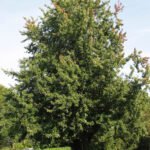 Silver maple (Acer saccharinum) care guideAcer saccharinum
 Field maple (Acer campestre) care guideAcer campestre
 He Norway maple (Acer platanoides) care guideAcer platanoides
 Acer palmatum care guideAcer palmatum
 Amur Maple (Acer tataricum ginnala) care guideAcer tataricum ginnala
 Sugar maple (Acer saccharum) care guideAcer saccharum