
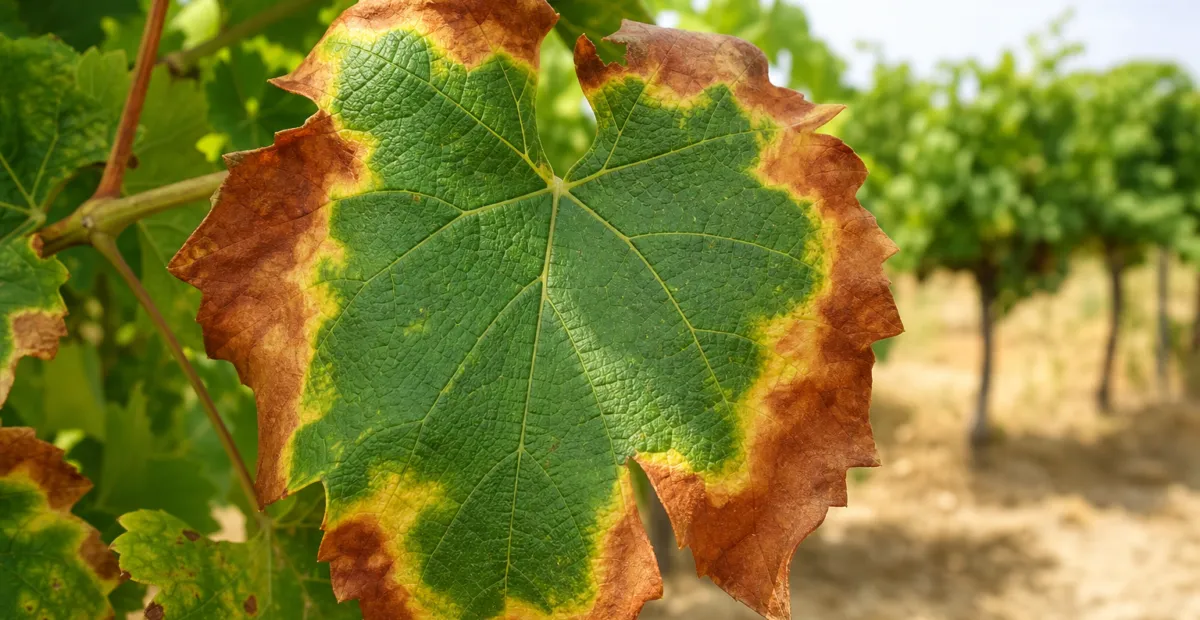
Xylella fastidiosa bacterial diseases
Xylella fastidiosaXylella fastidiosa bacterial diseases overview
Xylella fastidiosa is a xylem-limited bacterium responsible for several distinct plant diseases in the United States, including Pierce’s disease of grape, almond leaf scorch, oleander leaf scorch, and bacterial leaf scorch of shade trees. Symptoms often resemble drought, salt injury, or heat scorch, so laboratory confirmation and attention to host, strain, and sharpshooter vectors are essential.
Typical conditions
Overview
The bacterium colonizes the plant’s water-conducting xylem vessels. Bacterial growth, biofilm formation, and plant defense responses can restrict water movement, producing symptoms that resemble drought or heat injury. Disease names and severity depend strongly on the host and the particular bacterial genotype.
In California vineyards, Pierce’s disease is the most economically important U.S. example. In landscape plants, symptoms may be called oleander leaf scorch, sweet gum leaf scorch, mulberry leaf scorch, or bacterial leaf scorch. Diagnosis based on symptoms alone is unreliable because abiotic scorch, root problems, vascular pathogens, and mineral toxicity can look similar.
Symptoms and identification
Typical symptoms develop irregularly and often intensify during hot, dry weather or periods of high water demand.
- Leaf margins and tips turn tan, brown, or scorched, often with a distinct boundary between dead and green tissue.
- Leaves may wilt, curl, drop early, or remain attached after becoming dry and brown.
- Symptoms may begin on one shoot or branch and gradually spread through the canopy.
- Grapevines may show delayed or weak budbreak, leaf scorch, drying clusters, green shoots that mature unevenly, and progressive cane or cordon dieback.
- Oleander and shade trees may develop chronic branch dieback and an increasingly sparse canopy.
- Young infections can remain symptomless for weeks or months, and symptoms vary with host, strain, season, and environmental stress.
Causes and spread
Xylella fastidiosa is spread primarily by xylem-feeding sharpshooters and, in some regions, spittlebugs. Important U.S. vectors include the blue-green sharpshooter (Graphocephala atropunctata), green sharpshooter (Draeculacephala minerva), red-headed sharpshooter (Carneocephala fulgida), and glassy-winged sharpshooter (Homalodisca vitripennis).
Vectors acquire the bacterium while feeding on infected xylem and can transmit it during subsequent feeding. Adults may remain infective for life; immature vectors generally lose the bacterium when they molt. Movement of infected nursery stock, grafting material, and contaminated plant material can establish new infection foci, while weeds, trees, and riparian plants may serve as pathogen or vector reservoirs.
Life cycle and persistence
The bacterium multiplies in xylem vessels and can move within the plant through the vascular system. In compatible host–strain combinations, infection may become systemic and persist in perennial wood. Disease development is often slow and uneven, with symptoms appearing only after water transport is sufficiently disrupted.
Sharpshooters and spittlebugs feed on xylem sap. After acquiring X. fastidiosa, bacterial cells attach to and multiply in parts of the insect foregut. Transmission can begin soon after acquisition, but the bacterium is not normally passed through insect eggs or retained through immature molts. Vector activity, plant growth, temperature, water stress, and host susceptibility influence seasonal spread.
Treatment and control
No pesticide, fertilizer, irrigation adjustment, or pruning treatment reliably cures a systemically infected plant. First confirm the diagnosis through a qualified plant diagnostic laboratory, especially when symptoms could be caused by drought, salt or boron toxicity, root injury, vascular fungi, or other disorders.
For confirmed Pierce’s disease in grape, remove infected vines or affected permanent wood according to local extension recommendations. In some situations, cutting back to apparently healthy wood may temporarily preserve a vine, but it is not dependable when infection has entered the trunk or basal canes. Confirmed infected landscape trees and oleanders are often managed by removal when decline is substantial or when they threaten nearby susceptible plants. Vector monitoring and localized management can reduce new infections but cannot restore an infected plant.
Low-impact and biological control
Organic and low-input measures are preventive or suppressive rather than curative.
- Use pathogen-tested planting stock and do not propagate from plants with unexplained scorch or dieback.
- Scout regularly and remove confirmed infected plants before vectors acquire and distribute the bacterium.
- Reduce unmanaged host and vector habitat around high-value plantings where local extension guidance identifies it as an important source.
- Conserve predators and parasitoids of sharpshooters and spittlebugs; avoid broad-spectrum insecticides that disrupt natural enemies.
- Use physical monitoring tools such as sticky cards, sweep nets, and beating trays to detect vector activity.
- For small plantings, insecticidal soap or horticultural oil may reduce exposed immature sharpshooters when legally labeled and thoroughly applied, but these materials do not eliminate adults reliably and do not cure Xylella infection.
Prevention
There is no dependable curative treatment for established systemic infection, so prevention and early removal are central to IPM.
- Buy certified, pathogen-tested plants and use reputable nurseries; follow state nursery inspection and movement requirements.
- Inspect new plants for scorch, dieback, weak growth, and vector activity before placing them near vineyards, orchards, or valuable landscape specimens.
- Monitor sharpshooters with visual inspections, sweep nets, beating trays, or yellow sticky cards where appropriate.
- Remove severely infected grapevines, oleanders, or other confirmed hosts promptly, including enough infected wood to reduce inoculum; dispose of material according to local guidance.
- Disinfect pruning tools between plants when working in a confirmed disease focus, and avoid propagating from symptomatic or untested stock.
- Manage volunteer grapevines, infected weeds, brush, and unmanaged riparian vegetation when they are documented sources of vectors or inoculum, while protecting beneficial habitat.
- Maintain even irrigation and avoid unnecessary drought stress, but recognize that improved watering does not cure infection.
Interesting facts
- Xylella fastidiosa is harmless to humans but can cause serious disease in susceptible plants.
- The same bacterial species contains genetically and biologically distinct strains; a strain pathogenic on grape may not cause disease on oleander, and vice versa.
- Symptoms are largely consequences of disrupted water transport, which is why summer heat and drought often make disease more visible.
- Sharpshooters feed on xylem fluid, unlike many common leafhoppers that feed primarily from phloem.
- Some infected plants can carry the bacterium with few or no visible symptoms, making laboratory testing and certified planting material important.
- In California, the glassy-winged sharpshooter can move farther and use a broader range of host plants than several native vectors, increasing the risk of rapid vineyard spread.
No chemical treatment is established as a reliable cure for systemic Xylella fastidiosa infection. If vector control is considered, use only products legally authorized for the specific crop, site, pest, and use pattern in the United States and follow the current label exactly. Observe state restrictions, pollinator precautions, reentry intervals, preharvest intervals, and any licensed-applicator requirements. Broad-spectrum treatments may harm natural enemies and should not be used routinely without a documented IPM need.
Affected plants
The plants below are linked to this problem by structured host-plant data. The list updates automatically as new plant profiles are added.
 Field maple (Acer campestre) care guideAcer campestre
 Paperbark Maple (Acer griseum) care guideAcer griseum
 Downy Japanese Maple (Acer japonicum) care guideAcer japonicum
 Boxelder (Acer negundo) care guideAcer negundo
 Acer palmatum care guideAcer palmatum
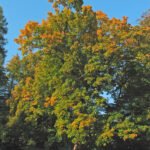 He Norway maple (Acer platanoides) care guideAcer platanoides
 Sycamore maple (Acer pseudoplatanus) care guideAcer pseudoplatanus
 Red maple (Acer rubrum) care guideAcer rubrum
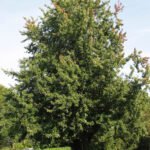 Silver maple (Acer saccharinum) care guideAcer saccharinum
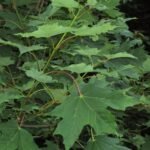 Sugar maple (Acer saccharum) care guideAcer saccharum
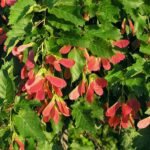 Tatar Maple (Acer tataricum) care guideAcer tataricum
 Amur Maple (Acer tataricum ginnala) care guideAcer tataricum ginnala