
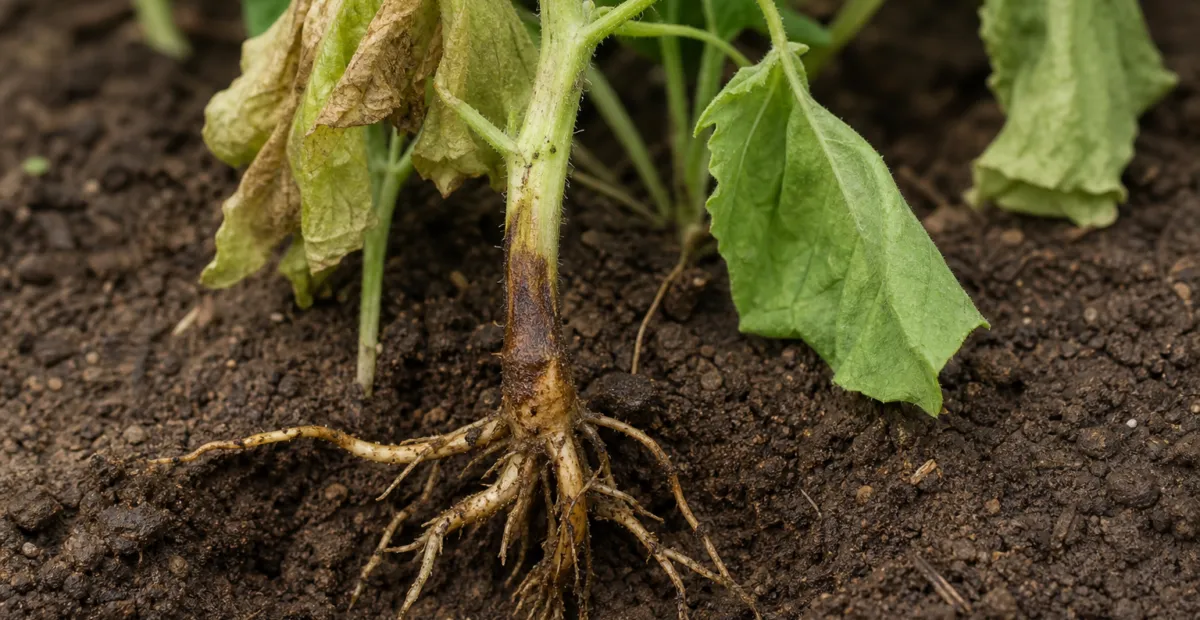
Fusarium solani species complex: root, crown and fruit rots
Fusarium solani species complex (FSSC); older reports may use Fusarium solani sensu latoFusarium solani species complex: root, crown and fruit rots overview
Fusarium solani is now understood mainly as a species complex containing several closely related soilborne fungi. Depending on the host and pathogen lineage, it can cause damping-off, root and crown rot, stem cankers, vascular wilt, tuber or fruit rot, and soybean sudden death. Diagnosis based on symptoms alone is unreliable, so sanitation, drainage, clean planting material and crop-specific confirmation are important.
Typical conditions
Overview
This is a soilborne fungal disease complex, not one uniform disease with a single host range. FSSC members survive in soil and infected plant debris and may enter through young roots, natural openings, wounds or damaged crown and storage tissues. Disease is most often recognized as root or crown decay followed by poor growth, chlorosis, wilting or plant death, but fruit and tuber infections can also occur.
Because several FSSC lineages were historically grouped under the same name, symptoms and host specificity differ considerably. A laboratory diagnosis using isolation, morphology and preferably multilocus or sequence-based identification is more dependable than visual diagnosis alone. Other Fusarium species, Pythium, Phytophthora, Rhizoctonia, nematodes and abiotic root damage can produce similar symptoms.
Symptoms and identification
Symptoms depend on the host and FSSC lineage. Common signs include brown to black root lesions, dry or wet crown decay, damping-off, seedling collapse, stem cankers, stunting, chlorosis, progressive wilting and premature death. Internal vascular browning may occur when the fungus colonizes conductive tissues.
- Sweet potato: circular light- and dark-brown lesions, internal darkening and dry open cavities in storage roots; infections may begin at either end.
- Cucurbits: water-soaked or brown lesions on crowns and upper roots, followed by wilt and possible plant death.
- Soybean: root rot with above-ground chlorosis, premature senescence and wilt-like decline in some disease complexes.
- Papaya: depressed fruit lesions that may develop white mycelium and spore masses; seedling collar rot is also reported.
- Potato and tomato: dry tuber rot, root rot or collar rot may occur with particular FSSC lineages.
Symptoms alone cannot reliably distinguish FSSC disease from other soilborne rots or vascular wilts.
Causes and spread
The pathogen is primarily introduced or redistributed in contaminated soil, infected plant material, crop debris, potting media, tools, containers, footwear and machinery. Surface water, runoff and over-irrigation can move infested soil between plants. Root-knot nematodes, cultivation, transplanting and harvesting injuries create entry points or increase root stress. Warm, wet soil and repeated planting of susceptible hosts allow inoculum to build up.
Life cycle and persistence
FSSC members persist in soil, infected roots, crop residue and contaminated planting material. They produce survival structures and asexual spores that can remain associated with soil particles and debris. Root exudates and warm, moist conditions stimulate germination and growth near susceptible roots.
Spread occurs locally when irrigation or rain moves contaminated soil, and between beds or facilities on tools, footwear, equipment, containers, transplants and tubers. Some lineages colonize roots without obvious symptoms, while others invade through wounds and progress into crowns, stems or vascular tissue. Fruiting and spore production may occur on dead or decaying tissue under favorable humid conditions.
Treatment and control
There is no dependable curative treatment for plants with extensive root, crown or storage-organ decay. Remove severely affected plants and as much infected root material as practical, then dispose of it away from production beds. Do not move contaminated soil to clean areas.
For valuable plants with limited symptoms, correct drainage and irrigation problems, reduce root disturbance and prevent additional spread. In containers or greenhouse benches, discard contaminated growing media, clean surfaces and containers, and replant only with healthy material. Crop-specific fungicides, seed treatments or biological products may reduce infection when used preventively, but efficacy varies by host, pathogen lineage and application timing. Confirm the diagnosis and consult current US crop-specific extension recommendations before treatment.
Low-impact and biological control
Organic and reduced-input management is most effective when it prevents new infection rather than attempting to cure advanced root rot.
- Remove and discard severely diseased plants, roots, tubers and fruit; do not compost material that remains visibly infected unless the composting system reliably reaches pathogen-killing temperatures.
- Use certified, disease-free seed, slips, cuttings, transplants and storage roots. Avoid saving propagation material from symptomatic plants.
- Improve drainage with raised beds, appropriate bed shaping and careful irrigation. Keep crowns and lower stems as dry as practical.
- Clean soil from tools, shoes, containers and equipment before moving between beds. Disinfect reusable containers and avoid reusing contaminated potting mix.
- Rotate with nonhost or less-susceptible crops where practical, while recognizing that the broad FSSC host range limits the value of short rotations.
- Use resistant or tolerant cultivars when documented for the specific crop and local disease problem.
- Consider locally registered biological products containing beneficial microbes only where crop-specific evidence and label directions support their use; performance is variable and preventive applications are generally more reliable.
Prevention
Begin with clean planting material and a clean production system. Purchase certified seed, transplants, slips or cuttings; inspect roots and crowns before planting; and quarantine questionable material.
- Plant in well-drained soil and avoid standing water. In containers, use fresh, pathogen-free potting mix and containers with adequate drainage.
- Water at the root zone and avoid moving soil or splashing contaminated water onto healthy plants.
- Sanitize pruning, transplanting and harvesting tools, especially after contact with diseased roots or storage organs.
- Remove crop debris promptly and avoid incorporating heavily infected roots into beds used for susceptible crops.
- Rotate crops where feasible and select cultivars with documented resistance or tolerance for the specific disease.
- Manage root-knot nematodes and other root injuries because damaged roots are more vulnerable.
- For commercial production, use crop-specific disease-free propagation programs and have suspicious samples tested before making major rotation or treatment decisions.
Interesting facts
- The name Fusarium solani historically grouped many evolutionarily distinct fungi; modern research recognizes a species complex containing numerous phylogenetic species.
- Members of the complex collectively have an exceptionally broad plant host range, but individual lineages may be much more host-associated than the old name suggests.
- Some infections remain largely below ground, meaning substantial root damage can occur before foliar symptoms become obvious.
- Reported formae speciales and host-specific designations do not always predict host range perfectly, so pathogen identification and pathogenicity evidence should be interpreted carefully.
Use only fungicides, seed treatments or biological products legally authorized for the specific crop and Fusarium-related problem in the United States. Product registrations, crops, sites and application directions vary by state and label; always follow the current label, including personal protective equipment, preharvest intervals and reentry restrictions. Chemical treatments rarely restore severely rotted roots, so they should support—not replace—sanitation, drainage, resistant or tolerant varieties and other integrated measures.
Affected plants
The plants below are linked to this problem by structured host-plant data. The list updates automatically as new plant profiles are added.
 Papaya (Carica papaya) care guideCarica papaya
 Maroon cucumbe (Cucumis anguria) care guideCucumis anguria
 Horned Melon (Cucumis metuliferus) care guideCucumis metuliferus
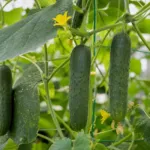 Cucumber (Cucumis sativus) care guideCucumis sativus
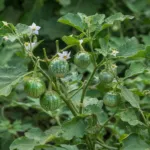 Solanum aethiopicum care guideSolanum aethiopicum
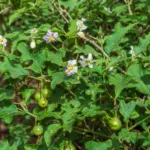 Solanum macrocarpon care guideSolanum macrocarpon
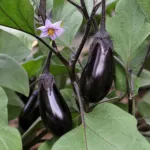 Eggplant (Solanum melongena) care guideSolanum melongena
 Water spinach (Ipomoea aquatica) care guideIpomoea aquatica
 Garden Huckleberry (Solanum scabrum) care guideSolanum scabrum
 Melon or true melo (Cucumis melo) care guideCucumis melo
 Cantalupensis Group (Cucumis melo Cantalupensis Group)Cucumis melo Cantalupensis Group
 Mango melon (Cucumis melo Chito Group)Cucumis melo Chito Group