
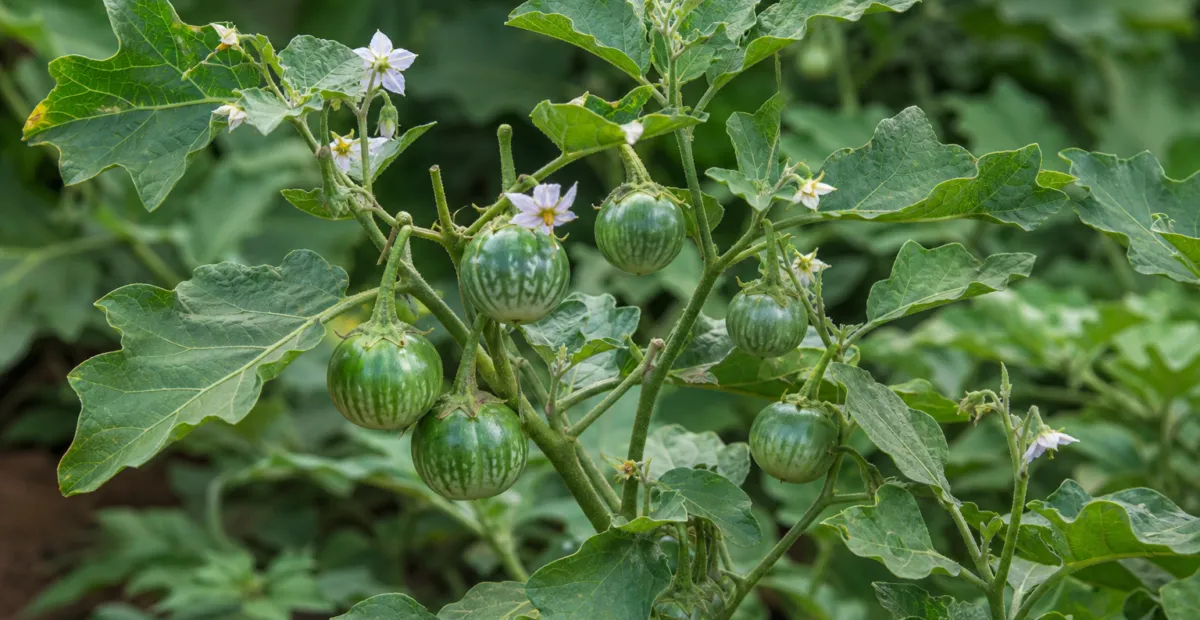
 AI-generated illustration
Solanum aethiopicum short overview
Solanum aethiopicum is a warm-season African eggplant species cultivated for its edible fruits and, in some traditions, its cooked leaves. The exact species has substantial cultivated diversity, with fruit forms ranging from ribbed and pumpkin-like to elongated or small and rounded. In the United States it is generally grown as a frost-tender annual, needing full sun, fertile soil, regular moisture, and a long growing season.
Taxonomic classification
Solanum aethiopicum care guide
Light and placement
Provide at least 6–8 hours of direct sun, ideally in a south-facing bed or bright south- or west-facing container position. Inadequate light produces lanky stems, broad soft growth, and poor fruiting; extreme heat combined with drought can cause midday wilt, flower drop, or sunscald on exposed fruit. Light afternoon shade may help in very hot inland sites if plants still receive strong morning sun.
Watering and humidity
Water deeply when the top inch of soil begins to dry, keeping moisture steady through flowering and fruit enlargement. Mulch after the soil warms to reduce evaporation and fluctuations. Container plants may need water daily during hot weather, while cool or rainy periods require less. Avoid repeated wilting followed by saturation, which can reduce fruit quality and stress roots.
Soil and growing medium
Use fertile, moisture-retentive but well-drained loam amended with mature compost. A slightly acidic to neutral reaction is suitable; avoid compacted soil and sites that stay saturated. In containers, choose a high-quality vegetable mix with dependable drainage rather than garden soil alone.
Feeding
Mix mature compost into the bed before planting. Once plants are established, apply a balanced vegetable fertilizer at label rate or side-dress lightly when flowering and fruit set begin. Avoid excessive nitrogen, which can produce lush foliage with fewer fruits, and do not fertilize drought-stressed or waterlogged plants.
Growth and habit
Plants branch freely and can become dense and top-heavy when fruiting heavily. Stake or cage productive plants, especially in containers or windy sites. Harvesting regularly encourages continued flowering and reduces the strain of oversized fruit. Growth slows sharply when nights are cool.
Planting and repotting
Start seed indoors about 8–10 weeks before the expected last spring frost. Set plants outdoors after soil and air temperatures are consistently warm, spacing them generously for branching growth. Plant at the same depth as the seedling grew in its cell and water thoroughly during establishment.
Transplant seedlings only after nights are reliably warm. Move container plants into a pot large enough for a substantial root system, disturbing roots as little as practical.
Propagation and pruning
Propagation
Propagate from seed. Sow indoors in warm conditions 8–10 weeks before transplanting, covering seed lightly with fine mix. Keep the medium evenly moist and provide strong light after emergence. Seed saved from hybrids may not reproduce the parent fruit type reliably.
Pruning
Remove damaged leaves and weak basal shoots as needed, but avoid heavy pruning during the growing season. Harvest fruit promptly and use clean tools if cutting back diseased tissue. Support rather than severely reduce the plant’s branching framework.
Overwintering
In Zones 10–12, plants may survive as short-lived perennials if protected from cold and kept actively growing. Elsewhere, grow as an annual or move a healthy container plant indoors before temperatures fall below about 50°F. Indoor overwintering requires strong light, reduced watering, and inspection for aphids and mites.
Uses
Grow as a specialty vegetable for edible fruits and, where culturally appropriate and properly prepared, cooked leaves. Fruit can be harvested at the preferred immature or mature stage depending on cultivar and recipe. It is also useful as an uncommon educational crop illustrating diversity within cultivated eggplants. Do not make medicinal claims.
Appearance
A branching, upright plant with broad ovate to lobed green leaves and green stems that may become woody near the base in warm climates. Small purple, star-like flowers are followed by highly variable fruits, including ribbed, rounded, elongated, orange, red, green, or purple forms. Fruit shape and color are cultivar-dependent and useful for identification only alongside flowers and foliage.
Flowering
Small, star-shaped, pale purple to violet flowers arise in branched clusters. Flowering begins after sustained warm growth and may continue while the plant produces fruit. Cultivars vary considerably in flower and fruiting performance.
Pollination and visitors
The small open flowers provide pollen and nectar resources for bees, bumblebees, and other flower-visiting insects. As with related eggplants, gentle flower vibration can improve pollen release and fruit set, especially in sheltered plantings.
Solanum aethiopicum photos
Click any photo for a larger view. Source, author and license are shown separately.
Diseases and pests
Diseases
Reduce disease pressure with crop rotation, clean transplants, good air circulation, and watering at the soil surface. Watch for damping-off, bacterial or fungal leaf spots, and wilt symptoms. Remove badly affected tissue and avoid working among wet plants.
Pests
Inspect regularly for flea beetles, aphids, whiteflies, spider mites, and Colorado potato beetles. Use row cover over young plants, remove pests by hand where practical, and encourage beneficial insects. Treat severe infestations with a crop-labeled product according to its U.S. label.
Related diseases and pests
Only Plant Doctor profiles whose host data indicate this plant may be affected are shown here.
 PestColorado Potato BeetleLeptinotarsa decemlineata
 DiseaseBacterial WiltRalstonia solanacearum species complex
 PestPotato aphidMacrosiphum euphorbiae
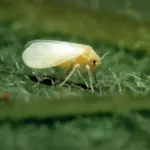 PestSweetpotato whiteflyBemisia tabaci species complex
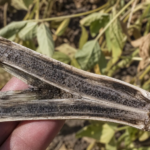 DiseaseCharcoal rotMacrophomina phaseolina (Tassi) Goidanich
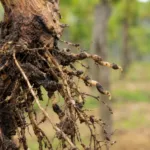 PestGrapevine Fanleaf Nematode – Xiphinema indexXiphinema index
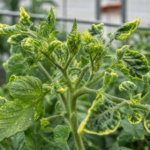 DiseaseTomato yellow leaf curl virusBegomovirus coheni
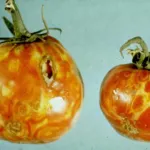 DiseaseTomato spotted wilt virusOrthotospovirus tomatomaculae (tomato spotted wilt virus; TSWV)
Toxicity and pollen
The mature fruits and commonly prepared leaves are used as food, but Solanum species contain glycoalkaloids, especially in unripe or stressed tissues. Do not eat unidentified plant parts or large amounts of raw leaves or unripe fruit. Keep seed packets and ornamental-looking fruit away from children and pets.
- Typical season
- Outdoor flowering season, usually June–September in much of the United States
- Pollination / pollen
- Heavy, insect-associated pollen
This is an insect-pollinated flowering crop, so pollen is usually released close to the flower rather than dispersed widely by wind. Airborne exposure is generally low, but sensitive people may still react to contact with flowering plants or pollen; evidence specific to this species is limited.
Native habitat
The species is associated with seasonally dry tropical environments and cultivated landscapes in tropical Africa. It performs best in warm, sunny conditions with fertile soils that retain moisture without prolonged saturation. In the United States, its ecology is best approximated by a long, hot summer and a protected frost-free site.
Interesting fact
The species has wide cultivated diversity in fruit shape, size, color, and ribbing. It is an important traditional vegetable in tropical Africa. Kew recognizes Solanum aethiopicum as an accepted species and records Ethiopia and Eritrea in its native range. Some forms are grown for leaves as well as fruit.
Frequently asked questions (FAQ)
The most relevant questions about this plant, with short and direct answers.
🌱Quick care
What is Solanum aethiopicum?⌄
Solanum aethiopicum is a frost-tender African nightshade cultivated for edible fruits and, in some varieties, edible leaves. It is related to common eggplant but is a distinct species with several cultivated groups and fruit shapes.
Does Solanum aethiopicum have a common name in the United States?⌄
No single standardized US common name is consistently documented for Solanum aethiopicum, so the scientific name is the clearest identification. International sources also use names such as Ethiopian nightshade, scarlet eggplant, African eggplant, bitter tomato, and garden egg for particular forms or markets.
Is Solanum aethiopicum an eggplant?⌄
Yes, Solanum aethiopicum is an eggplant relative commonly cultivated as an African or scarlet eggplant. It is not the same species as the familiar garden eggplant, Solanum melongena.
Is Solanum aethiopicum annual or perennial?⌄
Solanum aethiopicum is usually grown as a warm-season annual in the United States. In frost-free tropical conditions it can behave as a short-lived perennial or subshrub.
🌤️Environment and placement
How much sunlight does Solanum aethiopicum need?⌄
Grow Solanum aethiopicum in full sun, ideally with at least 6–8 hours of direct sunlight daily. Strong light supports compact growth, flowering, and fruit production.
What USDA hardiness zones can grow Solanum aethiopicum outdoors?⌄
Solanum aethiopicum is best grown outdoors as a warm-season crop after frost in much of the United States. It may survive year-round only in essentially frost-free areas, while colder zones should grow it as an annual or move containers indoors before freezing weather.
Can Solanum aethiopicum tolerate frost?⌄
No, Solanum aethiopicum is frost tender and can be damaged or killed by freezing temperatures. Protect it from cold snaps and wait until nights are reliably warm before transplanting outdoors.
What temperature is best for growing Solanum aethiopicum?⌄
Warm conditions are best, with daytime temperatures around 75–90°F and nights preferably above h1?60°F. Growth and fruit set may slow when temperatures remain cool.
What kind of soil does Solanum aethiopicum need?⌄
Use fertile, well-drained loam enriched with organic matter. The soil should hold regular moisture without remaining soggy around the roots.
Can Solanum aethiopicum grow in a container?⌄
Yes, Solanum aethiopicum can grow well in a large container with drainage holes and fertile potting mix. Choose a container of about 5 gallons or larger, and provide support if the plant becomes tall or heavily fruited.
💧Care and problems
How often should I water Solanum aethiopicum?⌄
Water Solanum aethiopicum regularly so the soil stays evenly moist but not waterlogged. Container plants and plants in hot, dry US climates may need watering more often than plants in the ground.
How do I fertilize Solanum aethiopicum?⌄
Feed Solanum aethiopicum with compost or a balanced vegetable fertilizer during active growth, then use a fertilizer appropriate for fruiting vegetables once flowering and fruit set begin. Avoid excessive nitrogen, which can produce leaves at the expense of fruit.
Does Solanum aethiopicum need staking or support?⌄
Support is optional for compact plants but useful for tall or heavily fruiting Solanum aethiopicum. A cage, stake, or trellis helps keep branches upright and prevents fruit-laden stems from bending or breaking.
Why is my Solanum aethiopicum not producing fruit?⌄
Poor fruiting is commonly caused by insufficient warmth, inadequate sunlight, irregular watering, or excessive nitrogen. Provide full sun, steady moisture, and warm conditions, and avoid disturbing flowers during periods of extreme heat or cold.
What pests attack Solanum aethiopicum?⌄
Solanum aethiopicum can be affected by common eggplant pests such as flea beetles, aphids, spider mites, whiteflies, and caterpillars. Inspect the undersides of leaves regularly and use physical removal or a crop-appropriate treatment when needed.
What diseases can affect Solanum aethiopicum?⌄
Solanum aethiopicum may develop fungal, bacterial, or viral problems associated with wet foliage, poor airflow, contaminated soil, or insect vectors. Water at the soil line, space plants well, remove severely affected material, and rotate nightshade-family crops.
Should I remove damaged or yellow leaves from Solanum aethiopicum?⌄
Yes, remove leaves that are dead, heavily diseased, or badly damaged, using clean pruners. Do not strip healthy foliage unnecessarily because the leaves help power flowering and fruit development.
🪴Planting and repotting
When should I plant Solanum aethiopicum seeds outdoors in the United States?⌄
Plant or transplant Solanum aethiopicum outdoors only after the danger of frost has passed and the soil has warmed. In cooler regions, start seeds indoors several weeks before the local last frost date.
How deep should Solanum aethiopicum seeds be planted?⌄
Sow Solanum aethiopicum seeds shallowly, about ¼ inch deep, in a warm, moist seed-starting medium. Germination is generally better with steady warmth and bright light after emergence.
How far apart should Solanum aethiopicum plants be spaced?⌄
Space Solanum aethiopicum plants about 18–24 inches apart, with wider spacing for vigorous or sprawling selections. Adequate room improves airflow and makes harvesting easier.
Can Solanum aethiopicum be transplanted?⌄
Yes, transplant Solanum aethiopicum seedlings after they have several true leaves and outdoor temperatures are consistently warm. Harden seedlings gradually over about a week to reduce transplant shock.
Can Solanum aethiopicum be grown indoors?⌄
It can be grown indoors in a large container, but successful fruiting requires strong grow lights, warm temperatures, regular feeding, and hand pollination if natural pollinators are absent. Indoor plants may produce less than plants grown in full outdoor sun.
✂️Propagation and pruning
How do you propagate Solanum aethiopicum?⌄
Solanum aethiopicum is most commonly propagated from seed. Start fresh, correctly identified seed in warm conditions, because seed saved from an unknown Solanum plant may not produce the expected species or cultivar.
Can Solanum aethiopicum be grown from cuttings?⌄
Solanum aethiopicum can potentially be propagated from stem cuttings, but seed is the more practical and usual method. Cuttings need warm, humid conditions and may root less reliably than those of some perennial Solanum species.
Should Solanum aethiopicum be pruned?⌄
Heavy pruning is usually unnecessary, but light pruning can remove damaged growth and improve airflow. Avoid cutting away large amounts of healthy foliage while the plant is flowering or fruiting.
How do I save seeds from Solanum aethiopicum?⌄
Save seed from fully mature, healthy fruit by removing the seeds, rinsing away pulp, and drying them thoroughly before storage. Keep seed dry, cool, and labeled, and isolate plants from other compatible Solanum varieties if maintaining varietal purity matters.
⚠️Toxicity and safety
Is Solanum aethiopicum poisonous?⌄
Solanum aethiopicum contains naturally occurring glycoalkaloids, so unripe, bitter, or improperly prepared parts may pose a health risk. Eat only correctly identified, traditionally edible portions that are mature and properly cooked.
Can you eat Solanum aethiopicum leaves?⌄
Some Solanum aethiopicum cultivars are traditionally grown for edible leaves, but edibility varies by cultivar and preparation. Do not assume that leaves from an unidentified plant are safe, and cook them according to a reliable preparation tradition.
Can you eat Solanum aethiopicum fruit?⌄
Yes, fruits of edible Solanum aethiopicum cultivars are eaten in several cuisines, usually cooked and harvested at the appropriate maturity stage. Do not eat fruit from an uncertain identification or consume very bitter or damaged fruit.
Are Solanum aethiopicum fruits safe to eat raw?⌄
Raw consumption is not the safest default because maturity, cultivar, and glycoalkaloid levels can vary. Cooking appropriately identified edible fruit is the more cautious approach, especially when the fruit is unripe or noticeably bitter.
Is Solanum aethiopicum safe for dogs, cats, or livestock?⌄
Do not allow pets or livestock to eat unidentified or unripe Solanum aethiopicum parts because glycoalkaloid exposure can be harmful. Contact a veterinarian or poison service promptly if an animal consumes a significant amount or develops symptoms.
How can I tell Solanum aethiopicum apart from poisonous nightshade?⌄
Do not identify Solanum aethiopicum by common name, fruit color, or appearance alone because several Solanum species look similar. Confirm the scientific identity from a reputable seed source, botanical reference, or qualified local expert before eating any part.
🌸Flowering and special interest
What do Solanum aethiopicum flowers look like?⌄
Solanum aethiopicum produces small, star-shaped flowers that are typically white to pale violet, with prominent yellow anthers. Flowers are followed by fleshy fruits that vary considerably among cultivated groups.
Does Solanum aethiopicum need pollination by another plant?⌄
Usually no, because Solanum aethiopicum flowers can generally set fruit with pollen from the same plant. In a greenhouse or indoors, gently shake flowering stems or use a small brush to improve pollination.
When does Solanum aethiopicum flower and fruit?⌄
It flowers and fruits during warm, frost-free weather, often several weeks after transplanting when plants are actively growing. Cool nights, drought, or extreme heat can delay flowering or reduce fruit set.
Similar plants
 Azure Monkshood (Aconitum carmichaelii) care guideAconitum carmichaelii
 Monkshood (Aconitum ‘Stainless Steel’)Aconitum 'Stainless Steel'
 Monkshood (Aconitum ‘Bressingham Spire’)Aconitum 'Bressingham Spire'
 Golden full moon maple (Acer shirasawanum ‘Aureum’)Acer shirasawanum 'Aureum'
 Globosum (Acer platanoides ‘Globosum’)Acer platanoides 'Globosum'
 Striped maple (Acer pensylvanicum) care guideAcer pensylvanicum