
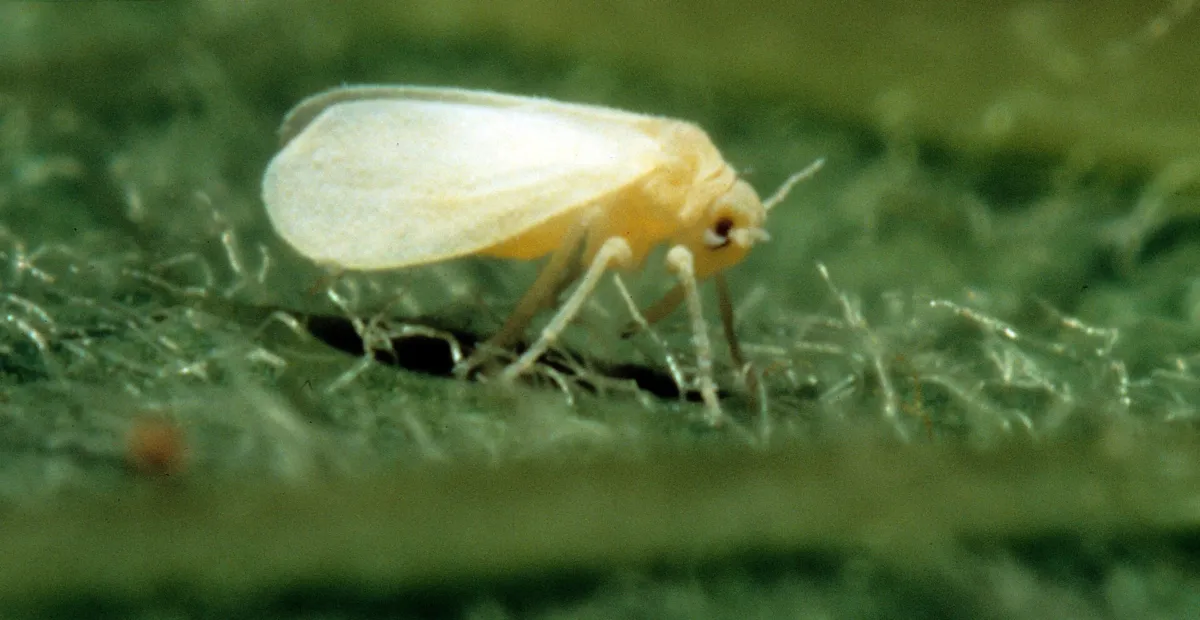
Sweetpotato whitefly
Bemisia tabaci species complexSweetpotato whitefly overview
Sweetpotato whitefly, Bemisia tabaci, is a small sap-feeding pest complex that attacks vegetables, field crops, ornamentals and weeds throughout warm regions of the United States. Adults and nymphs cluster on leaf undersides, causing yellowing, stunting, silvering, sticky honeydew and sooty mold. Some members also transmit economically important plant viruses.
Typical conditions
Overview
Sweetpotato whitefly adults are tiny, yellow-bodied insects with powdery white wings held slightly roof-like over the body. Adults and immature stages normally occur on the undersides of leaves. Nymphs extract phloem sap and excrete honeydew, while adults can rapidly colonize new growth.
Damage ranges from mild leaf yellowing and reduced vigor to severe stunting, premature leaf drop, silverleaf disorders and crop loss. The pest is especially important in the southern United States, including Florida, Texas, Arizona and California, and in heated or protected production systems elsewhere.
Bemisia tabaci should not be confused automatically with greenhouse whitefly, Trialeurodes vaporariorum. The two pests look similar but differ in nymphal appearance, virus associations and management response.
Symptoms and identification
- Adults fly up in a small cloud when infested foliage is disturbed.
- Eggs, crawlers and flattened nymphs occur mainly on leaf undersides.
- Feeding causes pale stippling, yellowing, curling, distortion, silvering or general loss of vigor.
- Heavy infestations may cause stunting, premature leaf death and leaf drop.
- Sticky honeydew accumulates on leaves and fruit, often followed by black sooty mold and ant activity.
- Some Bemisia groups transmit viruses, which may cause mosaic, vein yellowing, curling, severe stunting or fruit-quality disorders.
Symptoms alone do not reliably identify the Bemisia group or distinguish whitefly-transmitted virus diseases from other causes. Examine adults and nymphs with a hand lens and seek diagnostic testing when virus transmission or regulatory concerns are involved.
Causes and spread
The pest spreads through infested transplants, ornamental plants, crop residues, weeds, volunteer plants and adult movement between adjoining crops. Warm weather, overlapping plantings and continuous green vegetation allow populations to build rapidly. Wind assists adult dispersal, while handling and transport of infested plants can move eggs and nymphs.
Bemisia tabaci has a broad host range. Important U.S. crops and ornamentals include tomato, pepper, cucurbits, sweetpotato, cotton, beans, lettuce, cole crops, poinsettia, hibiscus and many other plants. Host suitability varies among genetic groups, cultivars, plant age and environmental conditions.
Life cycle and persistence
Females insert or attach small oval eggs to leaf tissue, often on the underside. Eggs hatch into mobile first-instar crawlers. After settling, later nymphal stages become largely immobile and feed through piercing-sucking mouthparts. The final nymphal stage is commonly called a pupa or red-eye nymph, although it is not a true insect pupa. A winged adult emerges from the hardened nymphal case.
Development is strongly temperature-dependent. Under favorable warm conditions, a generation may be completed in roughly 2–3 weeks, allowing many overlapping generations in the southern United States and in greenhouses. Reproduction may be sexual or parthenogenetic. Resistance to insecticides is common in some populations, particularly within the Mediterranean group.
Treatment and control
Use an integrated program rather than relying on one spray. Begin control when adults, crawlers or early nymphs are first detected, because established nymphs are protected on the leaf surface and are harder to kill.
- Remove or isolate localized infestations when feasible.
- Wash small plants with a firm but non-damaging stream of water, concentrating on leaf undersides.
- Prune only when this improves sanitation and does not excessively stress the plant.
- Use labeled contact products with thorough underside coverage when appropriate; repeat only according to the current label and crop interval.
- For greenhouse crops, coordinate releases of parasitoids or predators with monitoring and avoid disruptive broad-spectrum treatments.
- When virus transmission is a concern, prioritize exclusion, clean transplants and early suppression because insecticides may not prevent infection after brief feeding.
Low-impact and biological control
Biological and low-impact measures are most useful against early infestations. Naturally occurring and commercially available enemies may include Encarsia and Eretmocerus parasitoid wasps, predatory whitefly beetles such as Delphastus, lacewings, minute pirate bugs, bigeyed bugs and predatory syrphid larvae.
Insecticidal soaps and horticultural oils can suppress exposed adults and nymphs when plants are thoroughly covered, but they have little residual activity and may injure sensitive foliage. Test a small area first, avoid heat- or drought-stressed plants, and follow the product label. Conservation biological control is improved by reducing unnecessary broad-spectrum insecticide use and controlling ants that protect honeydew-producing insects.
Prevention
- Purchase clean, inspected transplants from reputable suppliers and quarantine new plants when practical.
- Inspect leaf undersides with a hand lens before planting and regularly during the crop cycle.
- Remove heavily infested plants, crop residues and volunteer plants promptly; bag or otherwise contain material before disposal.
- Control weeds inside and around production areas, especially when they support whiteflies or viruses.
- Use insect-exclusion screens, sealed greenhouse openings and screened vents where appropriate.
- Use reflective or light-colored mulch around suitable vegetable crops to reduce early adult landing and settling.
- Avoid excessive nitrogen fertilization and manage irrigation so plants are not producing overly soft, lush growth or suffering chronic drought stress.
- Separate new plantings from older infested crops and avoid maintaining a continuous host bridge between crop cycles.
- Monitor with yellow sticky cards, leaf inspections and, where appropriate, crop-specific action thresholds.
Interesting facts
- Bemisia tabaci is treated scientifically as a species complex rather than one uniform worldwide population.
- Some former names, including silverleaf whitefly and Bemisia argentifolii, are still widely used in U.S. horticultural literature.
- More than 500 plant species have been reported as hosts, although suitability differs greatly among host plants and Bemisia genetic groups.
- Honeydew from feeding whiteflies supports sooty mold, which is superficial but can reduce photosynthesis and marketability.
- Whitefly nymphs remain fixed after the crawler stage, making early detection and coverage of leaf undersides especially important.
Use only products legally authorized for the specific crop, site and whitefly problem in the United States, and follow the current EPA-approved label exactly, including personal protective equipment, application interval, harvest interval, pollinator precautions and resistance-management instructions. Do not assume that a product labeled for another whitefly species, crop or state is legal or effective for Bemisia tabaci. Rotate effective products among different IRAC mode-of-action groups when a labeled program permits; repeated use of one mode of action can accelerate resistance.
Affected plants
The plants below are linked to this problem by structured host-plant data. The list updates automatically as new plant profiles are added.
 Ethiopian Rape (Brassica carinata) care guideBrassica carinata
 Brown Mustard (Brassica juncea) care guideBrassica juncea
 Rapeseed (Brassica napus) care guideBrassica napus
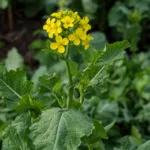 Urnip rape (Brassica rapa) care guideBrassica rapa
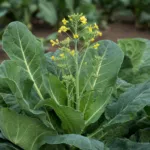 Collard greens (Brassica oleracea) care guideBrassica oleracea
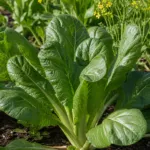 Integrifolia Group (Brassica juncea Integrifolia Group)Brassica juncea Integrifolia Group
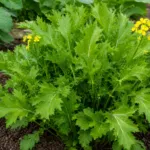 Multiceps Group (Brassica juncea Multiceps Group)Brassica juncea Multiceps Group
 Broad-leaved mustard (Brassica juncea Rugosa Group)Brassica juncea Rugosa Group
 Black Mustard (Brassica nigra) care guideBrassica nigra
 Maroon cucumbe (Cucumis anguria) care guideCucumis anguria
 Horned Melon (Cucumis metuliferus) care guideCucumis metuliferus
 Cucumber (Cucumis sativus) care guideCucumis sativus